Temple Emanu-El
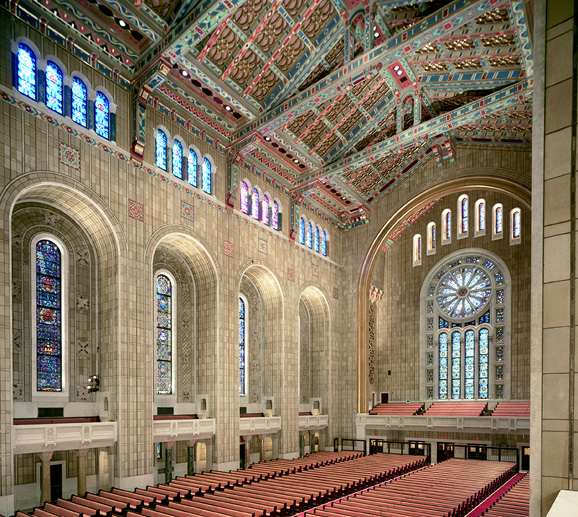
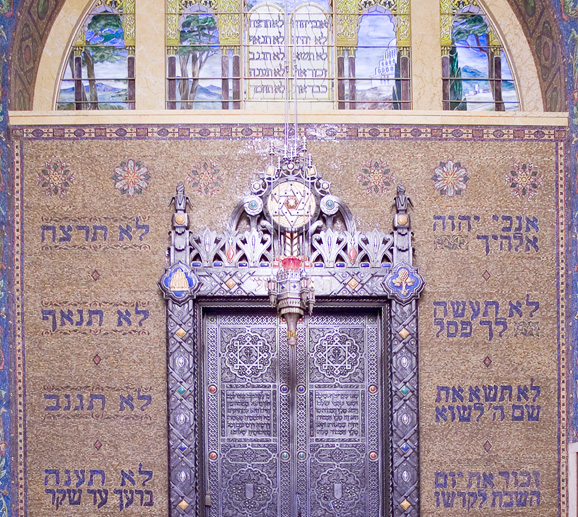
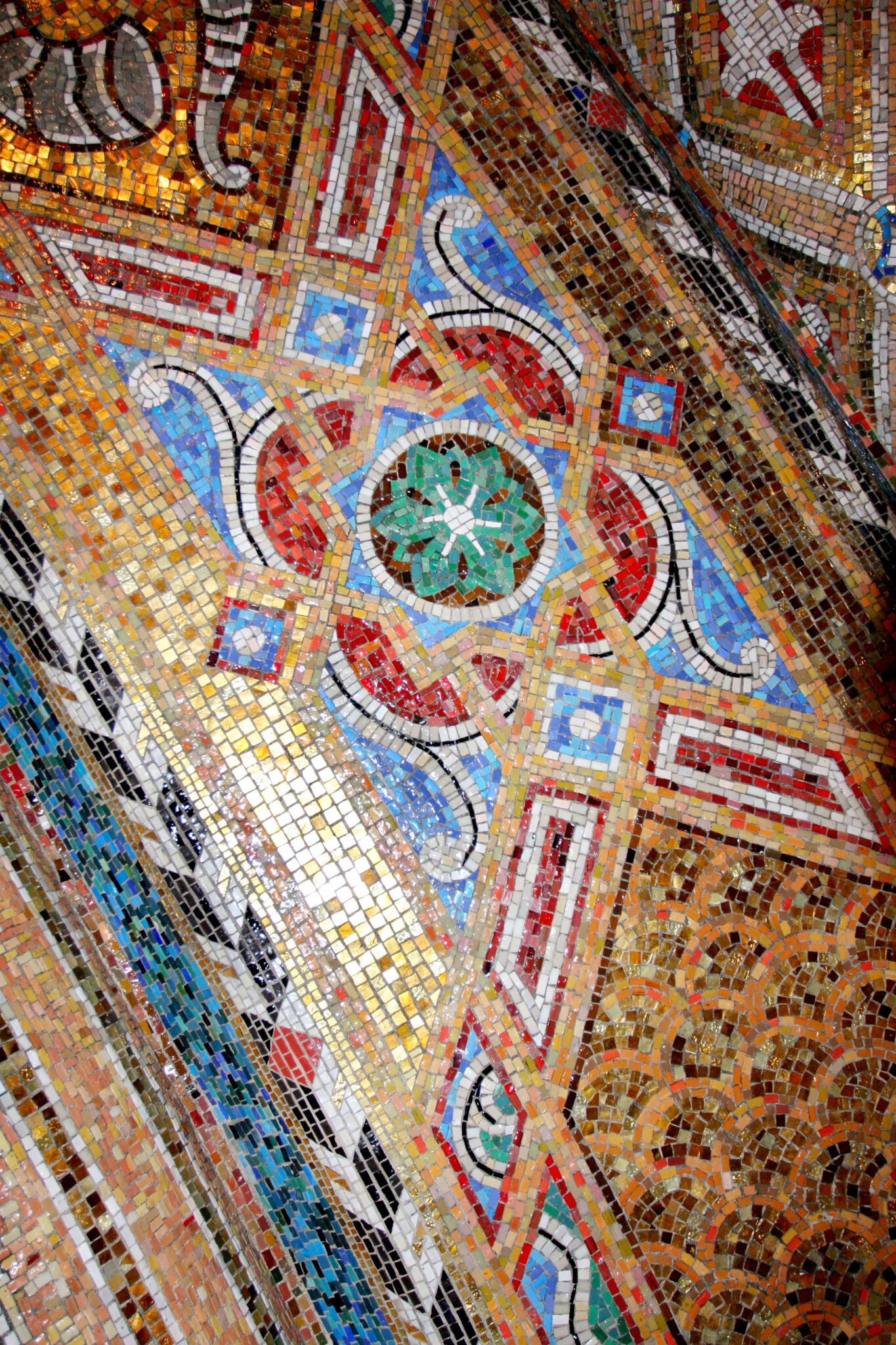
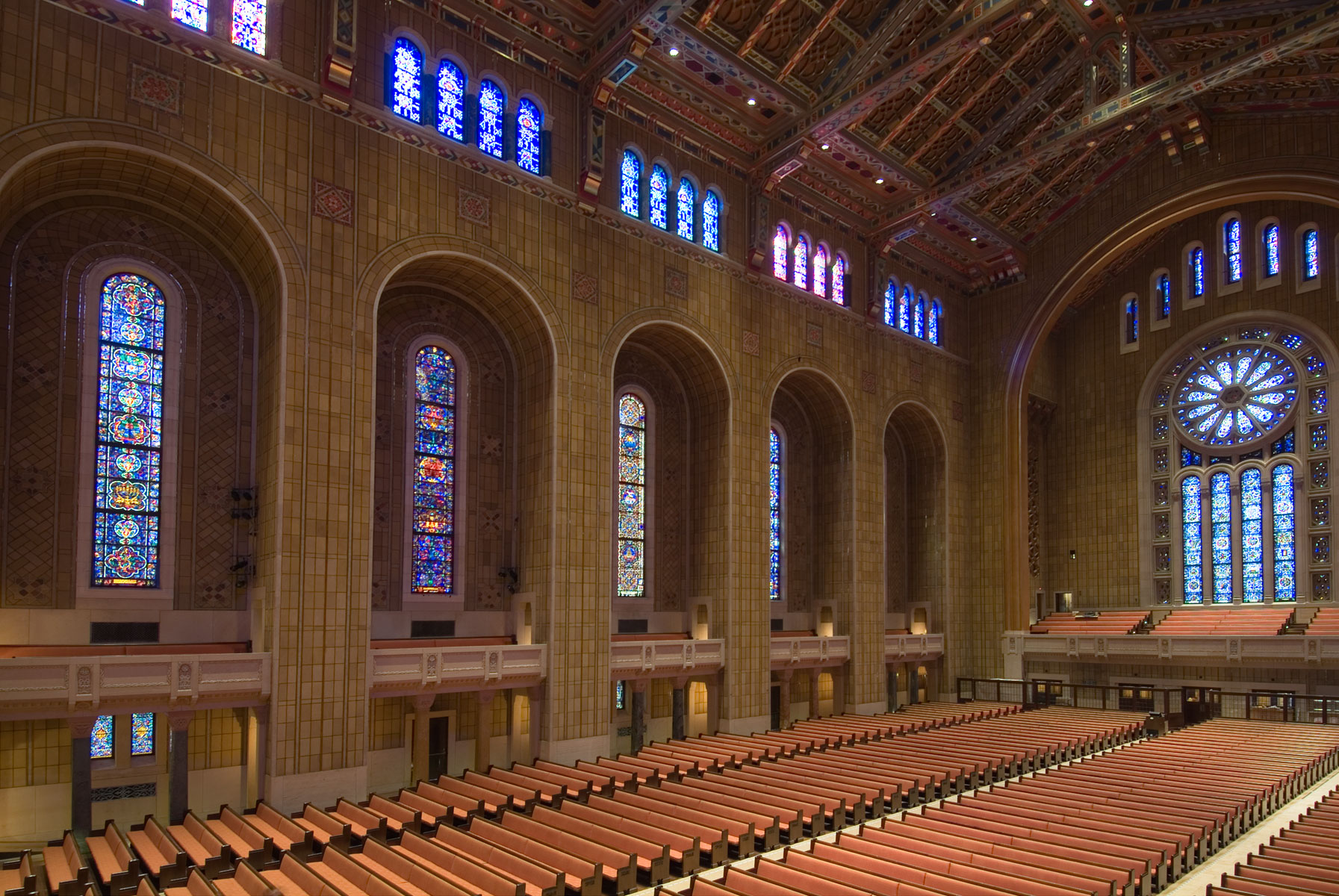
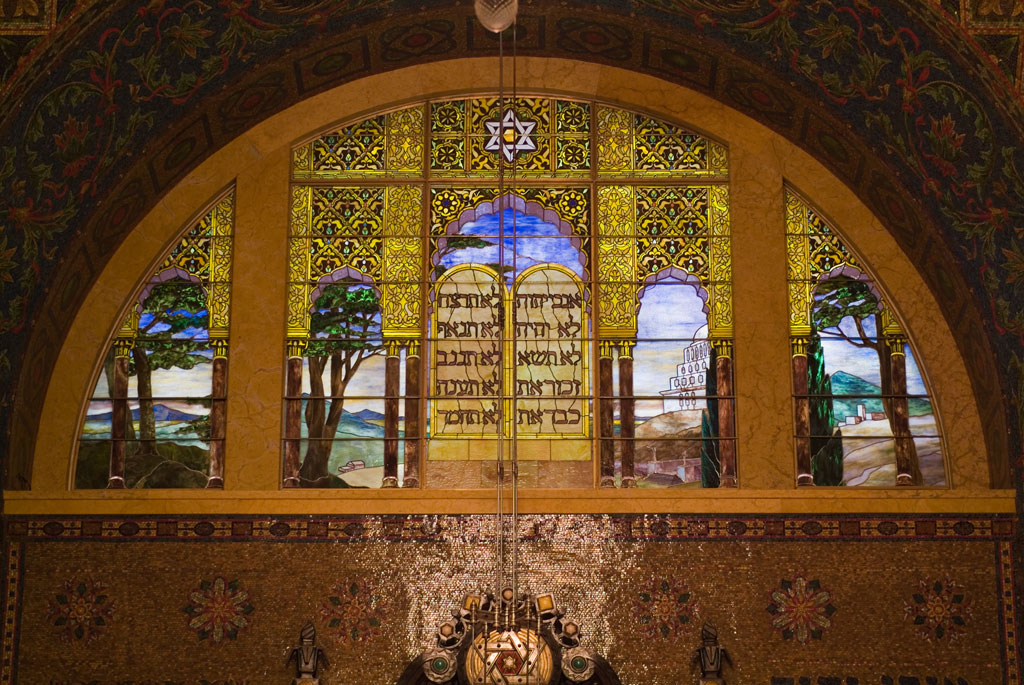
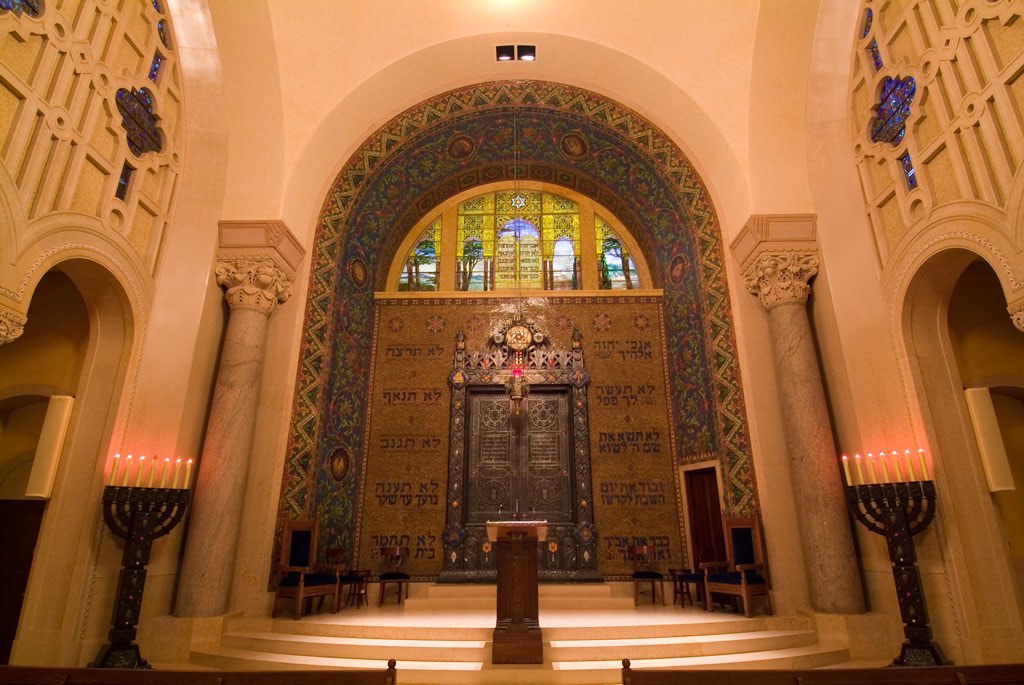
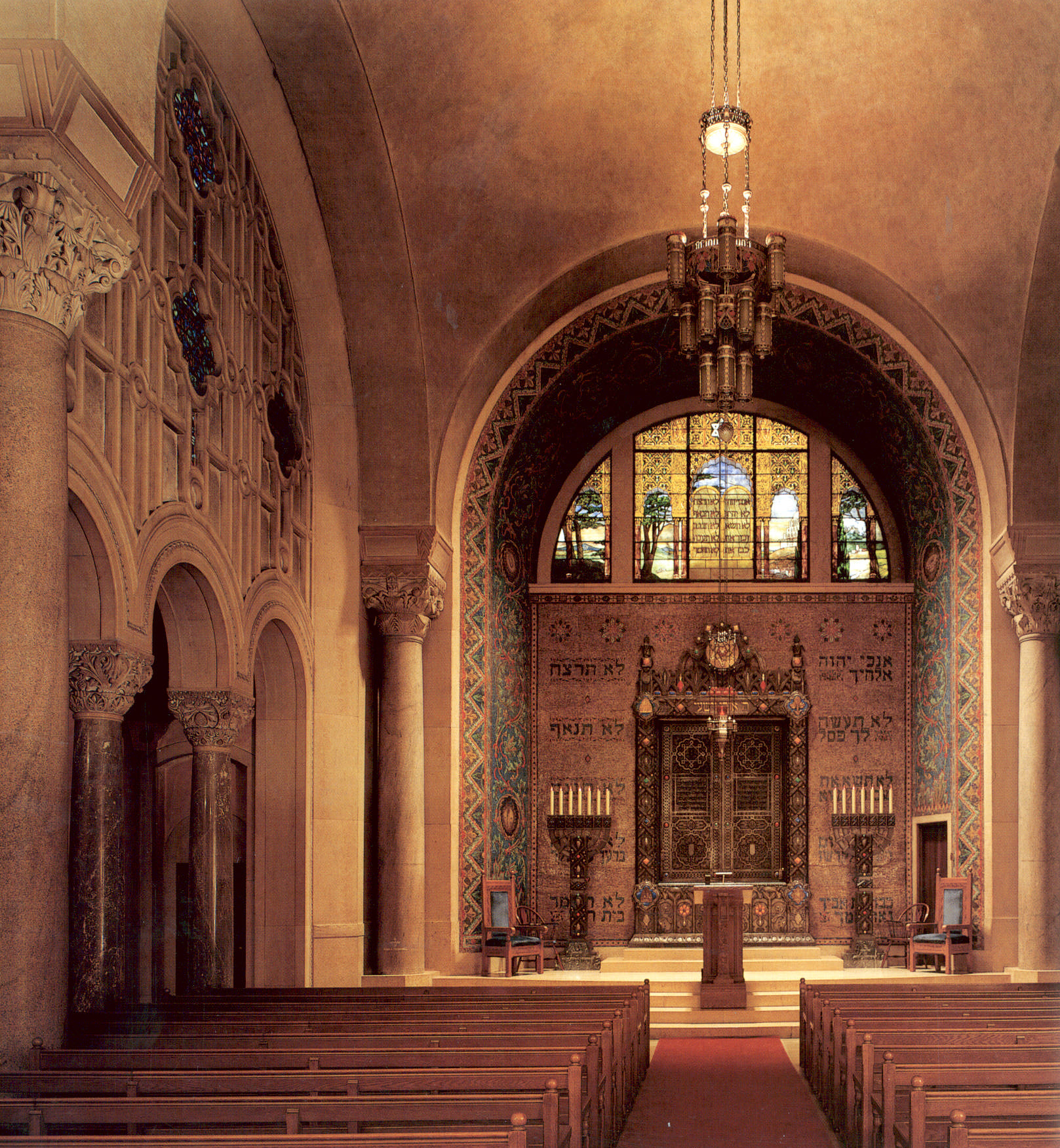
Designed by architect Leopold Eidlitz and richly adorned by pioneering Art Deco artist Hildreth Meière, Temple Emanu-El stands as one of Manhattan’s most significant architectural and cultural landmarks. The congregation was founded in the 1840s on the Lower East Side, beginning with just 33 members gathering in a modest loft. Within a generation, their growth and ambition culminated in the construction of a monumental new synagogue—an eight-story structure enriched with intricate mosaics featuring geometric patterns and Judaic symbolism.
Completed in 1929, Temple Emanu-El was, at the time, the largest synagogue in the world. It also played a defining role in the emergence of Reform Judaism in America, notably as one of the first congregations to conduct services in German and English rather than Hebrew. Now approaching its centennial anniversary, the building continues to serve as a powerful symbol of faith, innovation, and community along Fifth Avenue.
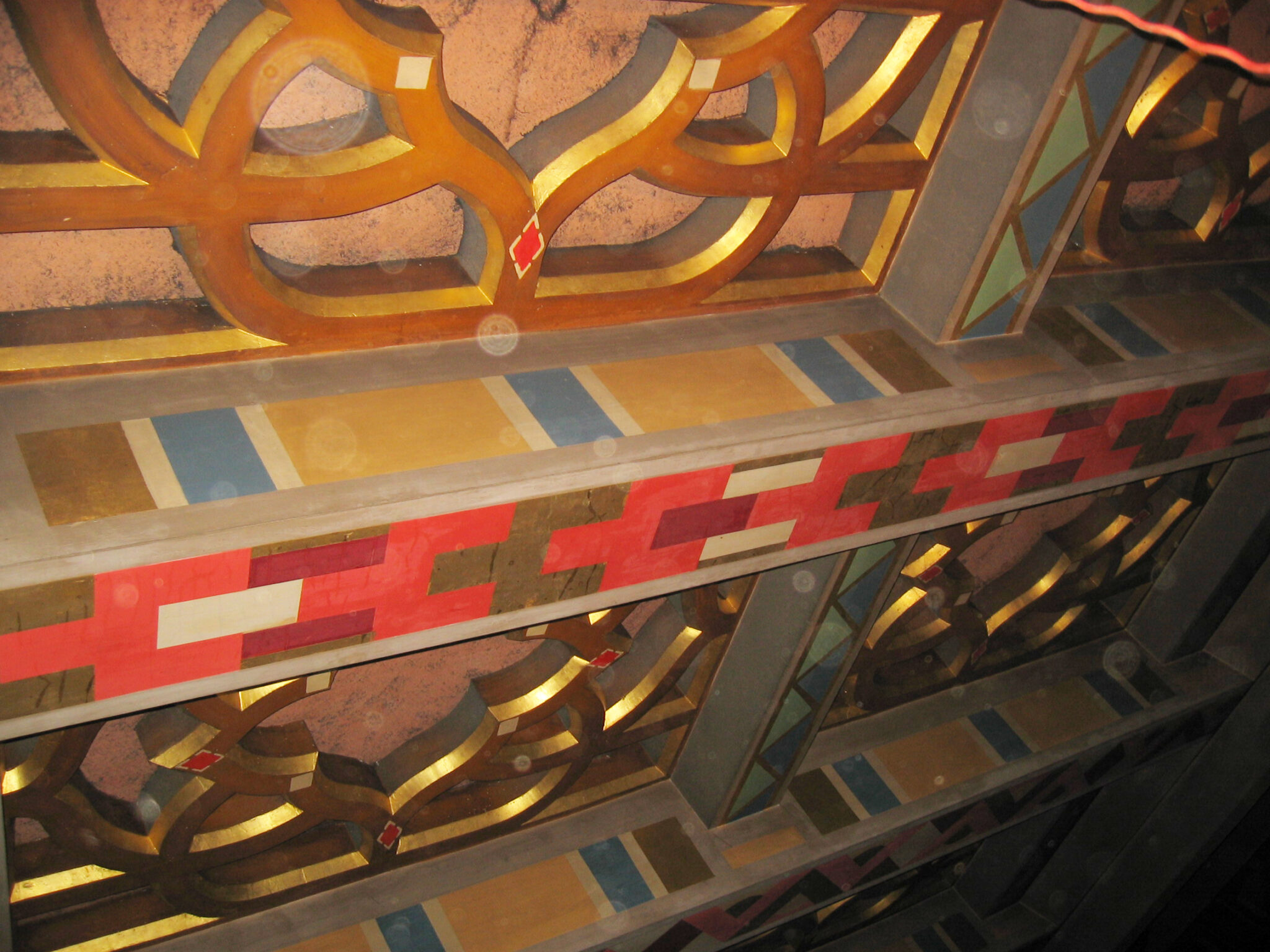
EverGreene was selected as the prime decorative finishes contractor for a two-year, phased restoration of the synagogue’s historic interiors. Blending Byzantine and early Romanesque architecture with Moorish-inspired ornamentation, the space required a comprehensive and sensitive approach. EverGreene’s work encompassed the conservation and restoration of decorative painting, plaster, stone, mosaics, stained glass, and ornamental metal across the sanctuary, chapel, and lobby—ensuring that this landmark endures for its next century.