Conservation of Antioch Mosaics
As part of the planning phase for the multi-year reconstruction and expansion of the Princeton University Art Museum (PUAM), EverGreene collaborated with the museum on assessments, scope planning, and treatment design for a selection of mosaics from their Antioch collection. These Roman floor mosaics, dating from the 1st–6th centuries CE, were acquired during Princeton-led archaeological excavations in the 1930s.
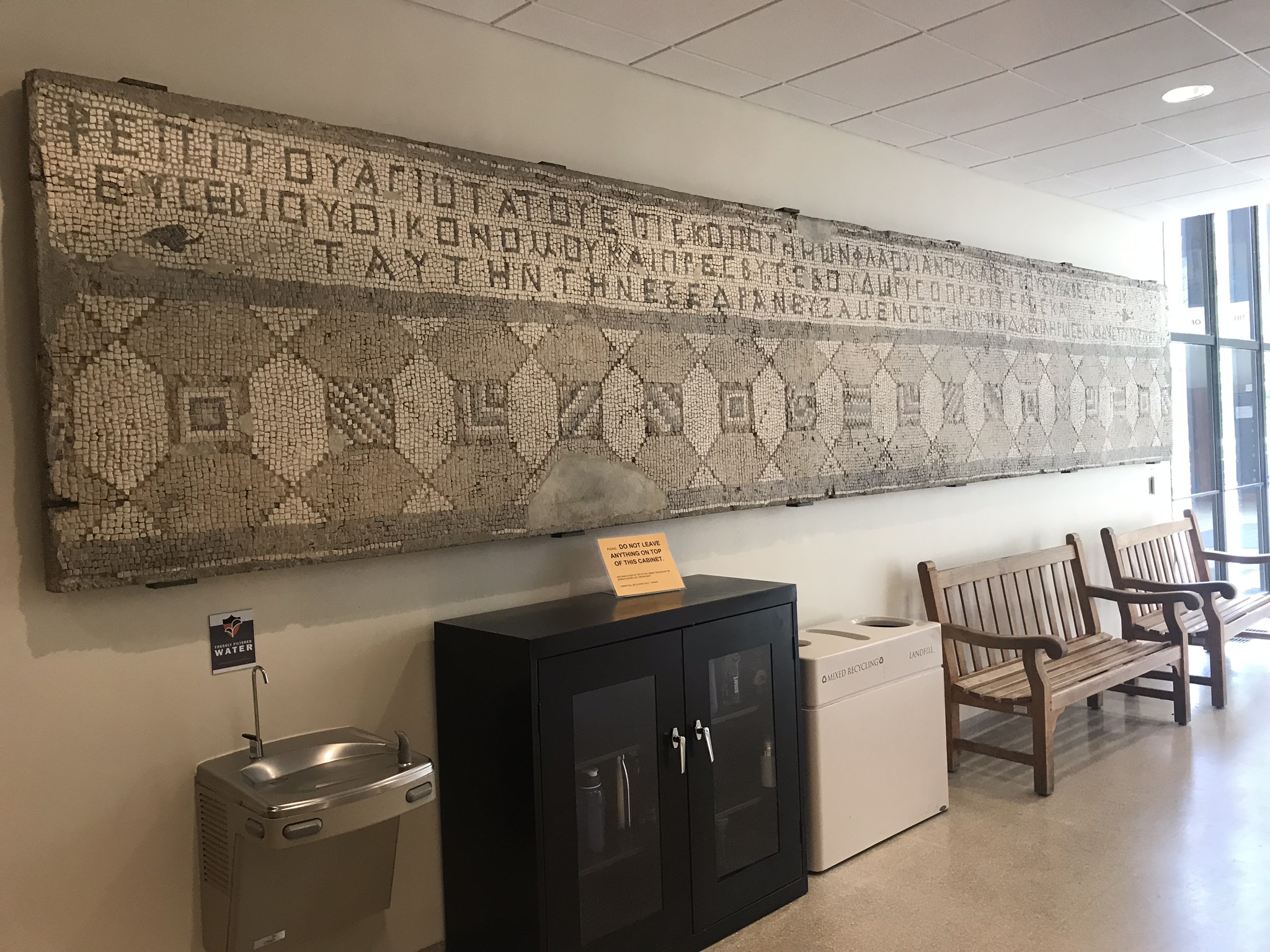
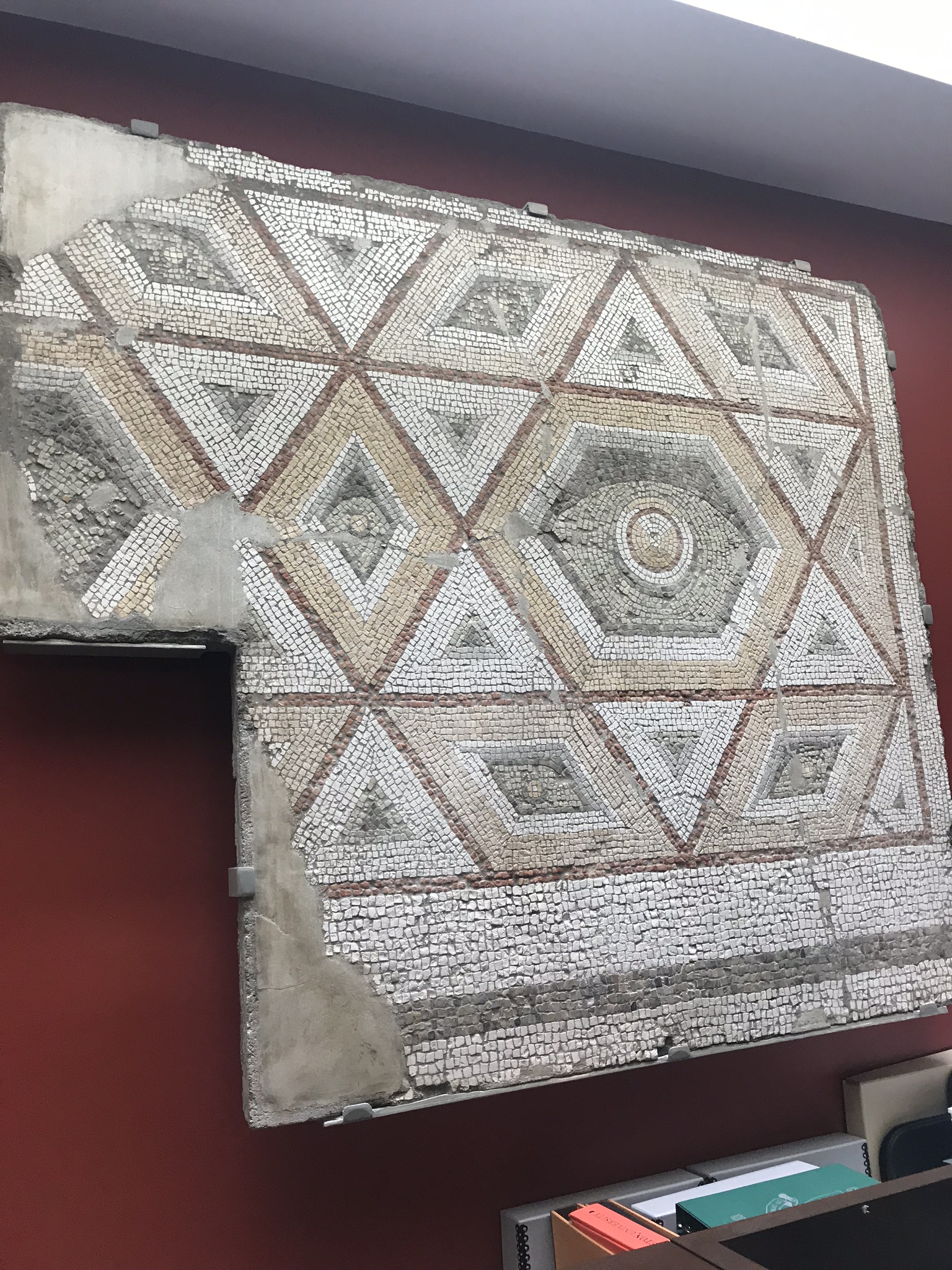
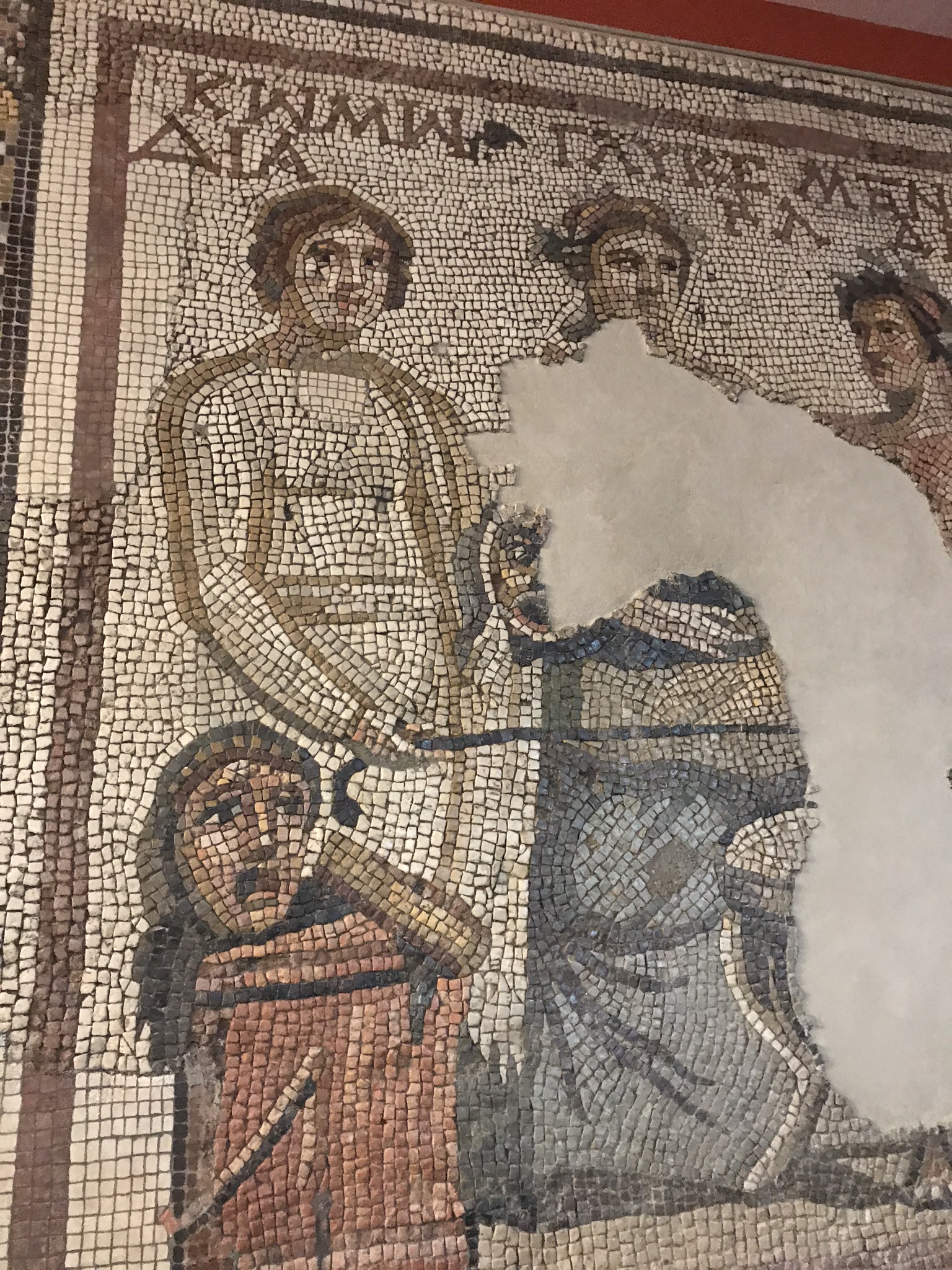
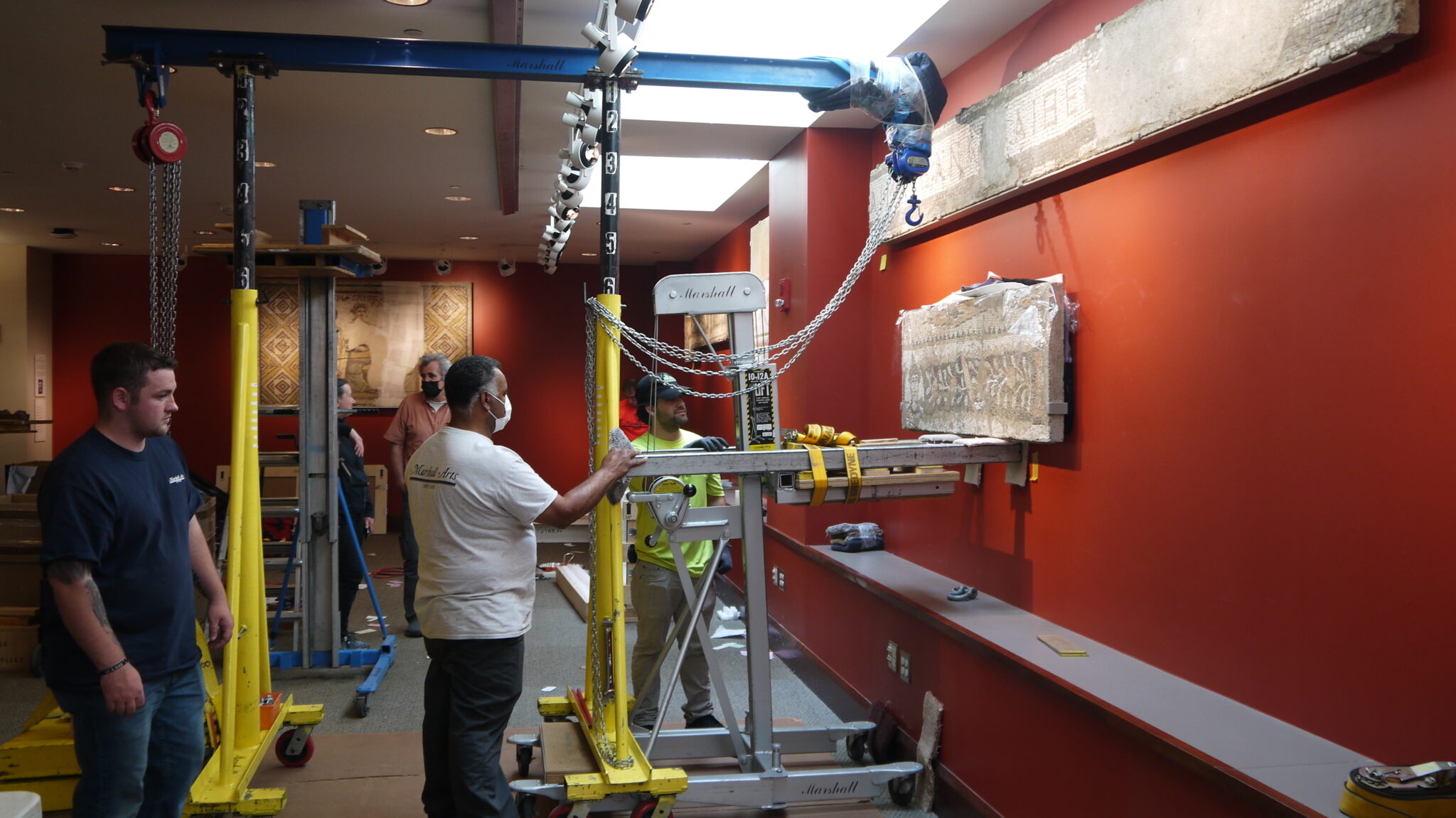
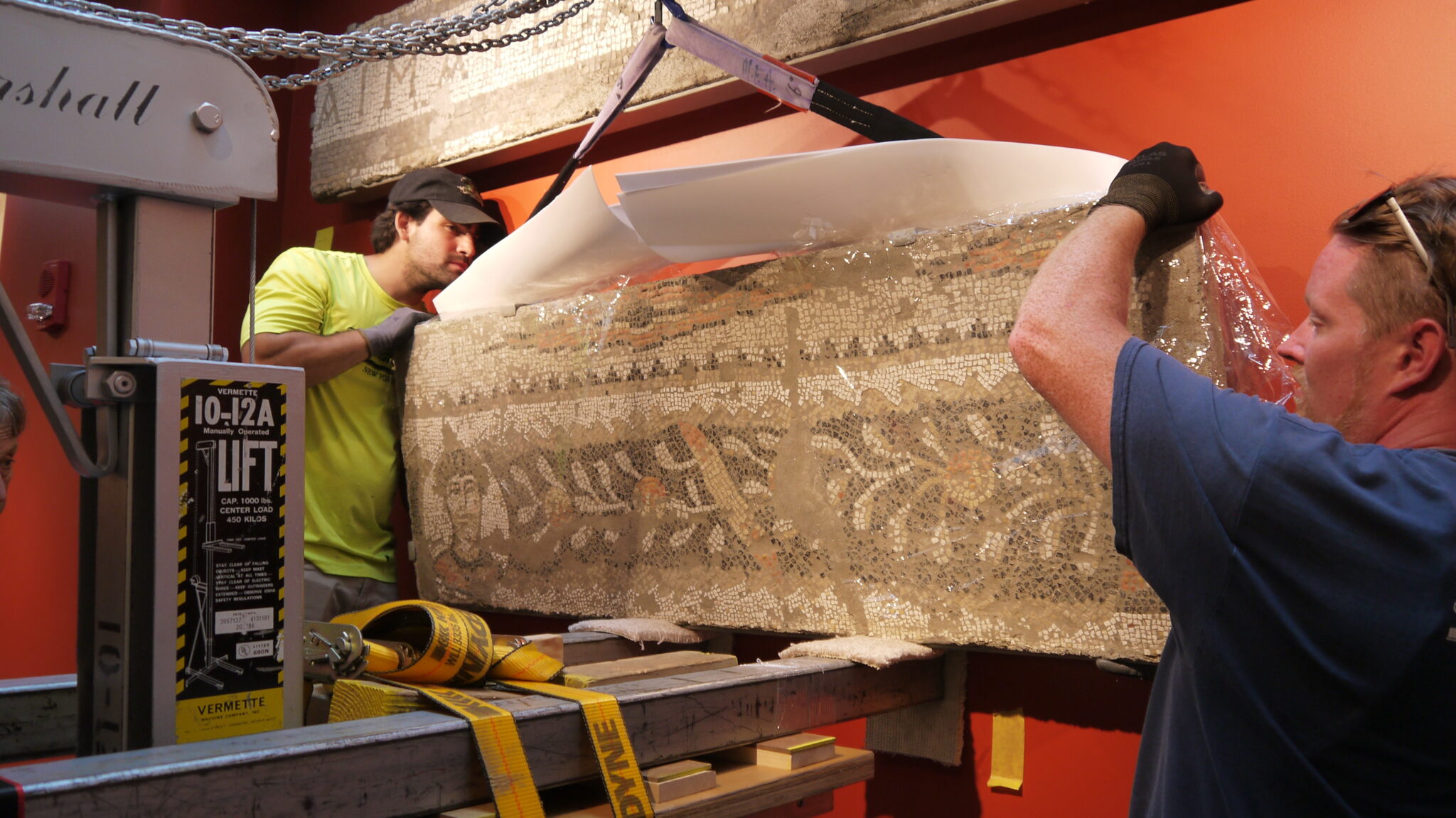
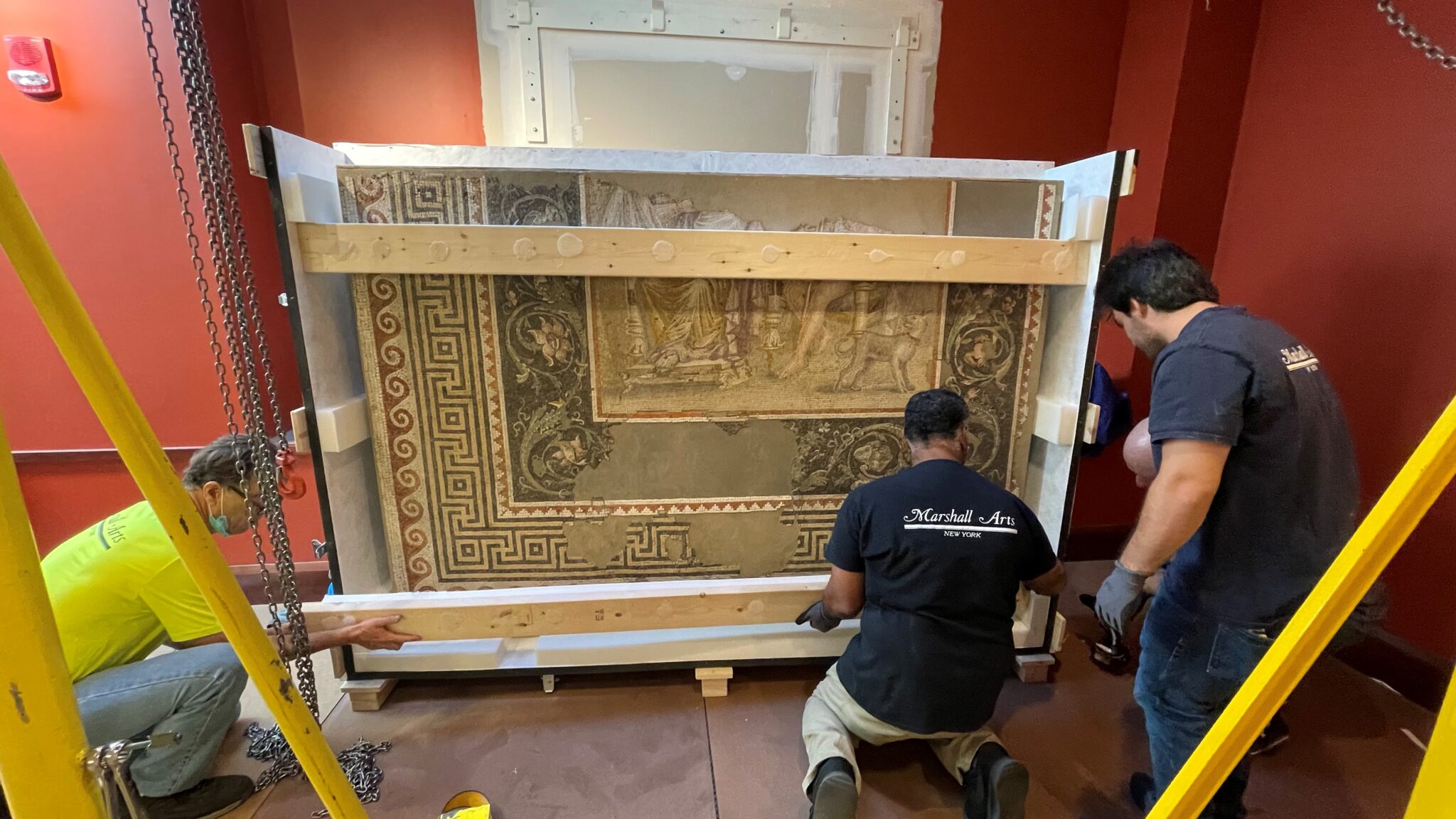
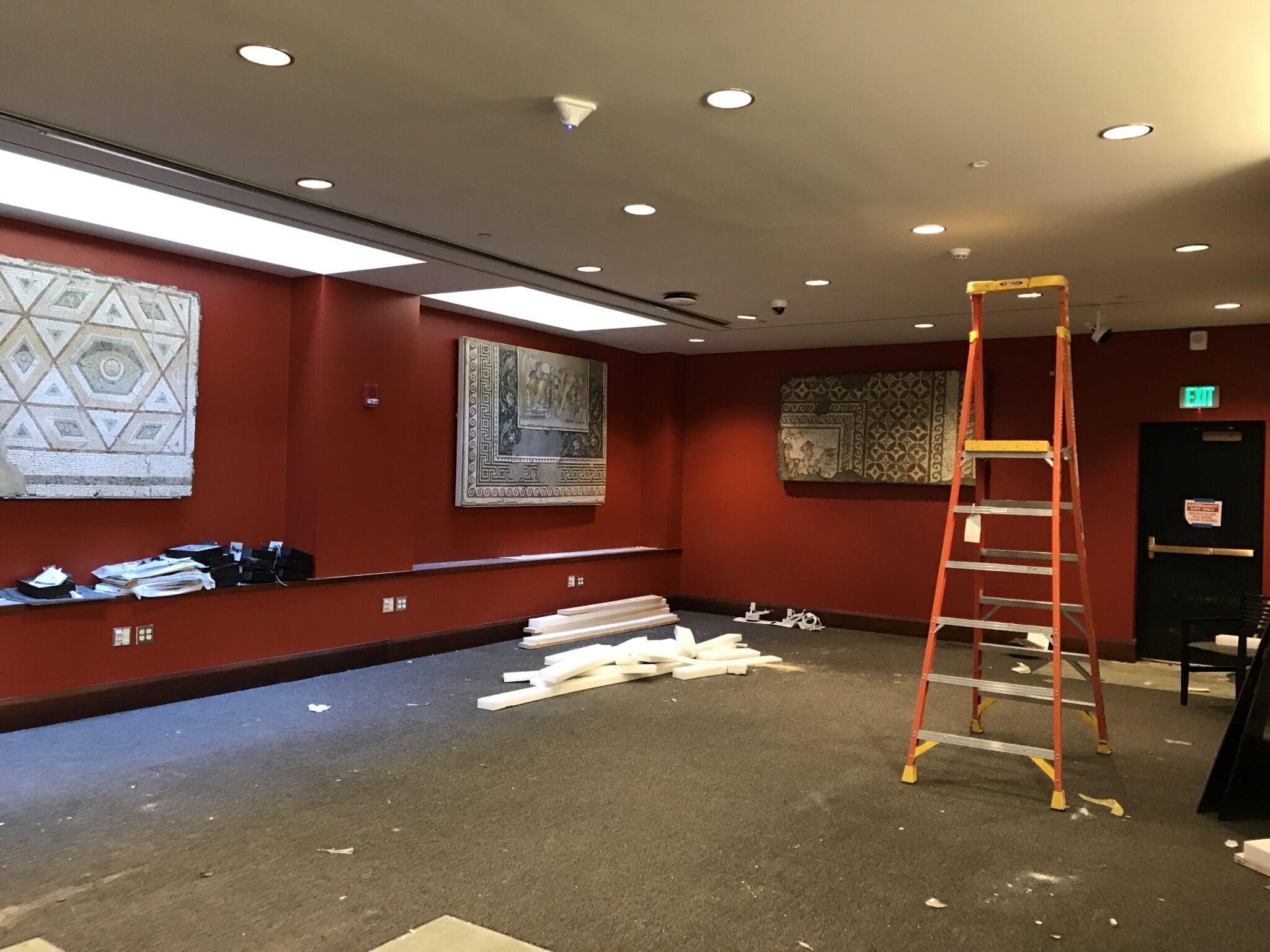
Based on the future gallery plans, several mosaics were selected for reinstallation. EverGreene’s work focused on assessing, deinstalling, monitoring, and treating a group of mosaics previously displayed in the Marquand Library and adjacent Lecture Hall. Our conservators inspected and documented each mosaic to ensure their stability and capacity to withstand vibration and potential impacts from removal, nearby demolition, and new construction.
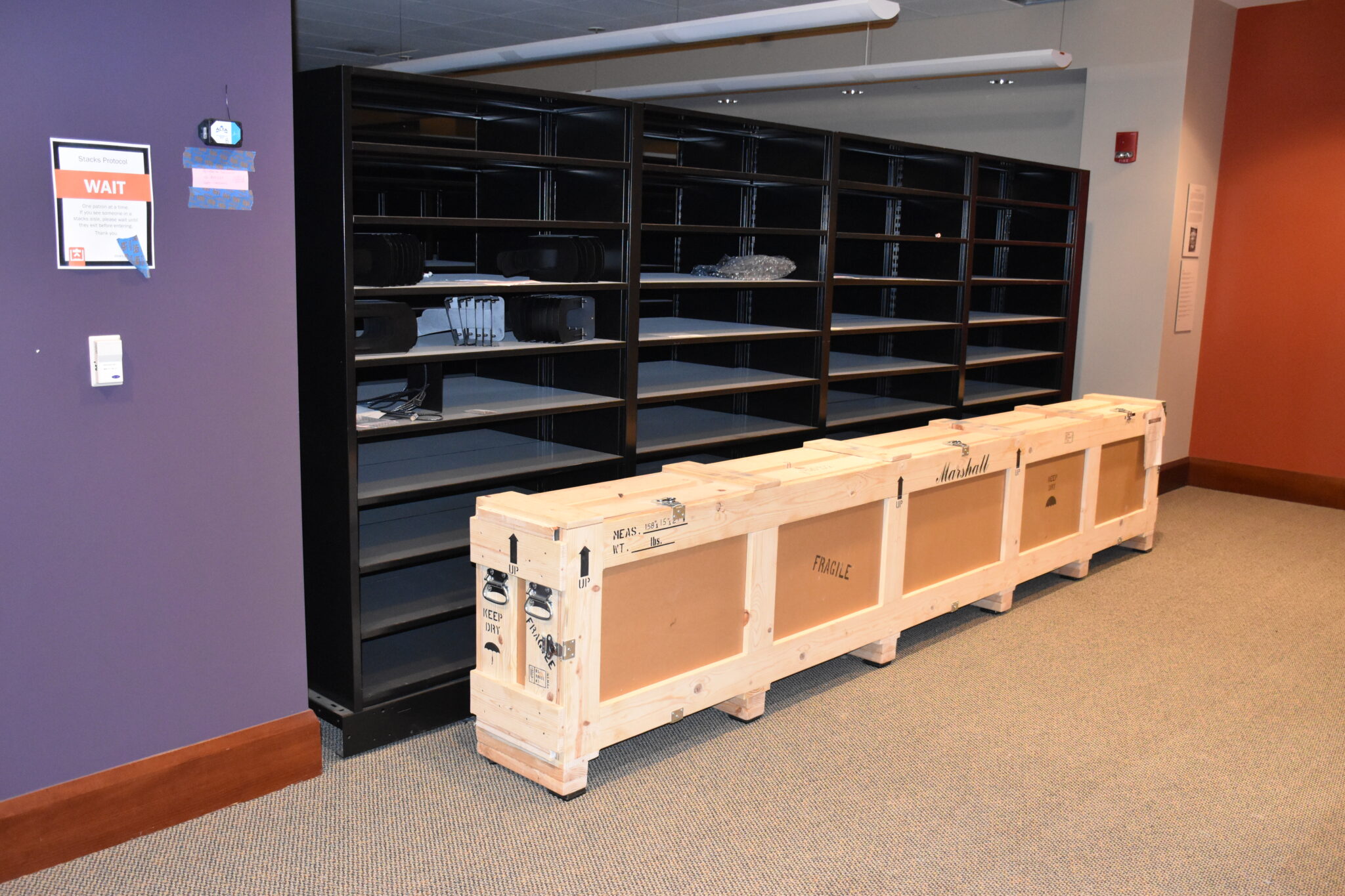
To best protect the mosaics, they were deinstalled and securely stored in the Marquand Library’s basement. Crates and storage areas were equipped with monitoring devices to ensure stable environmental conditions. EverGreene continued to monitor the mosaics throughout construction. Prior to overseeing their reinstallation, our conservators performed general cleaning and targeted repairs to ensure each piece was fully prepared for display.
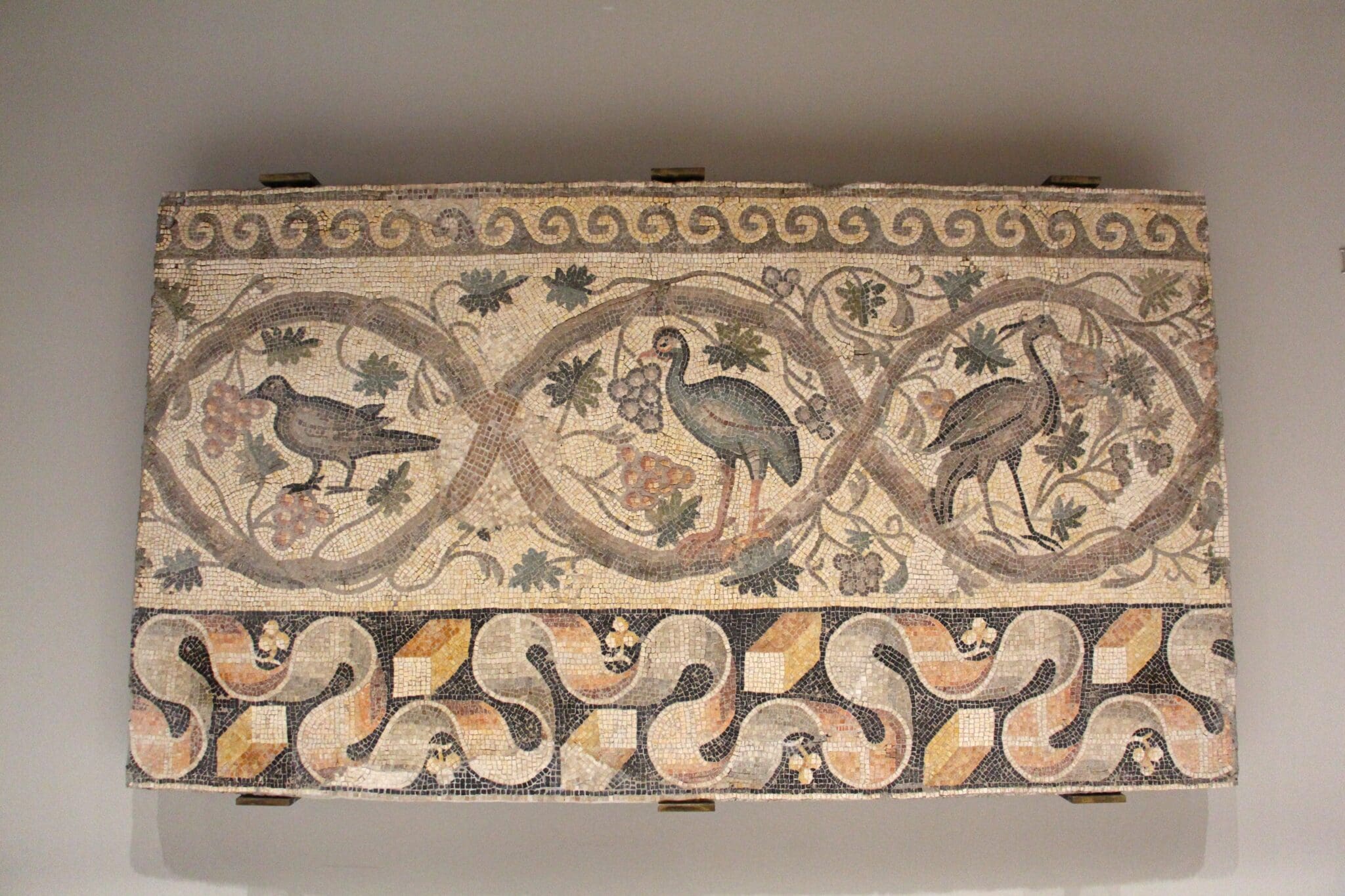
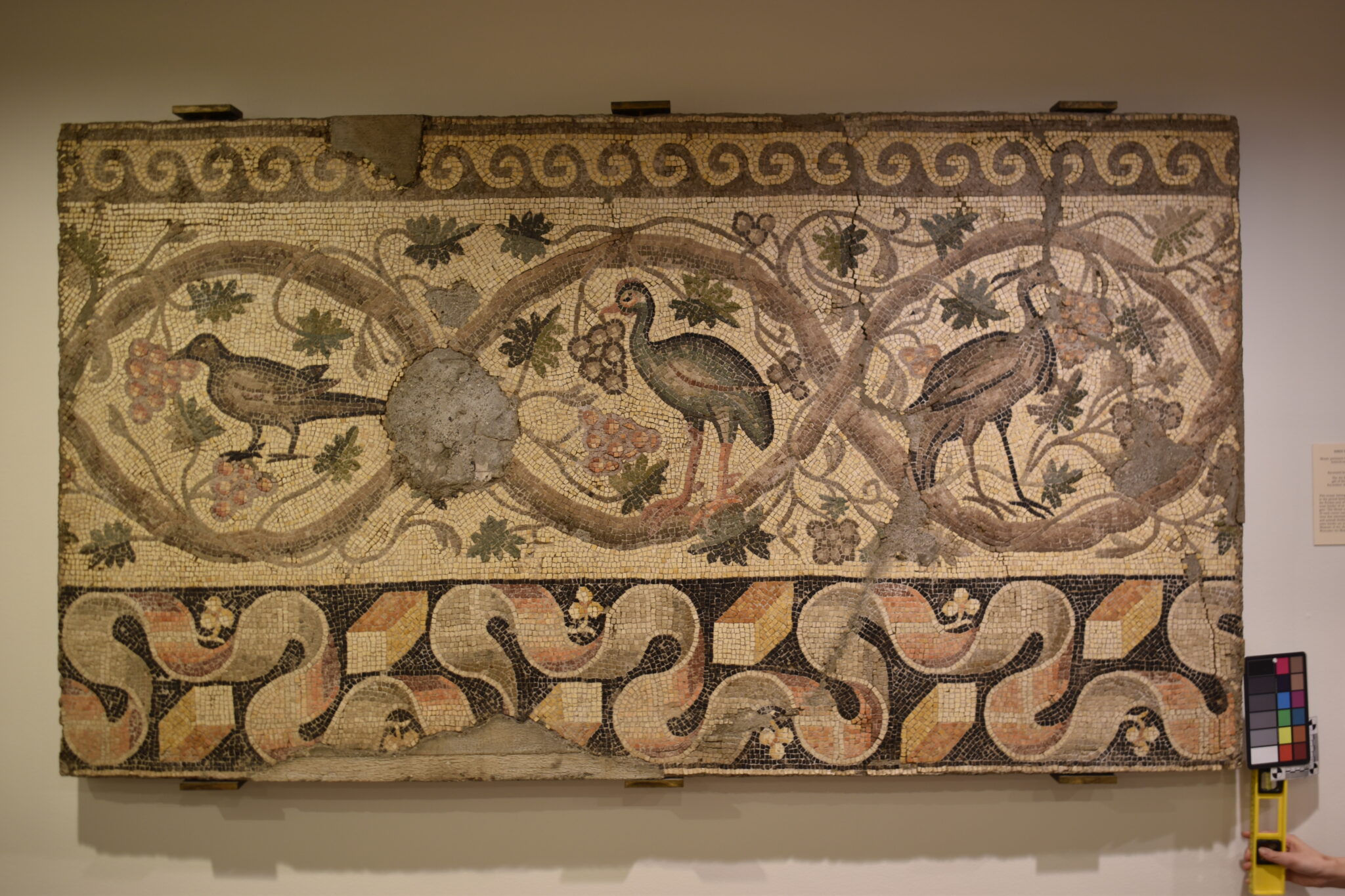
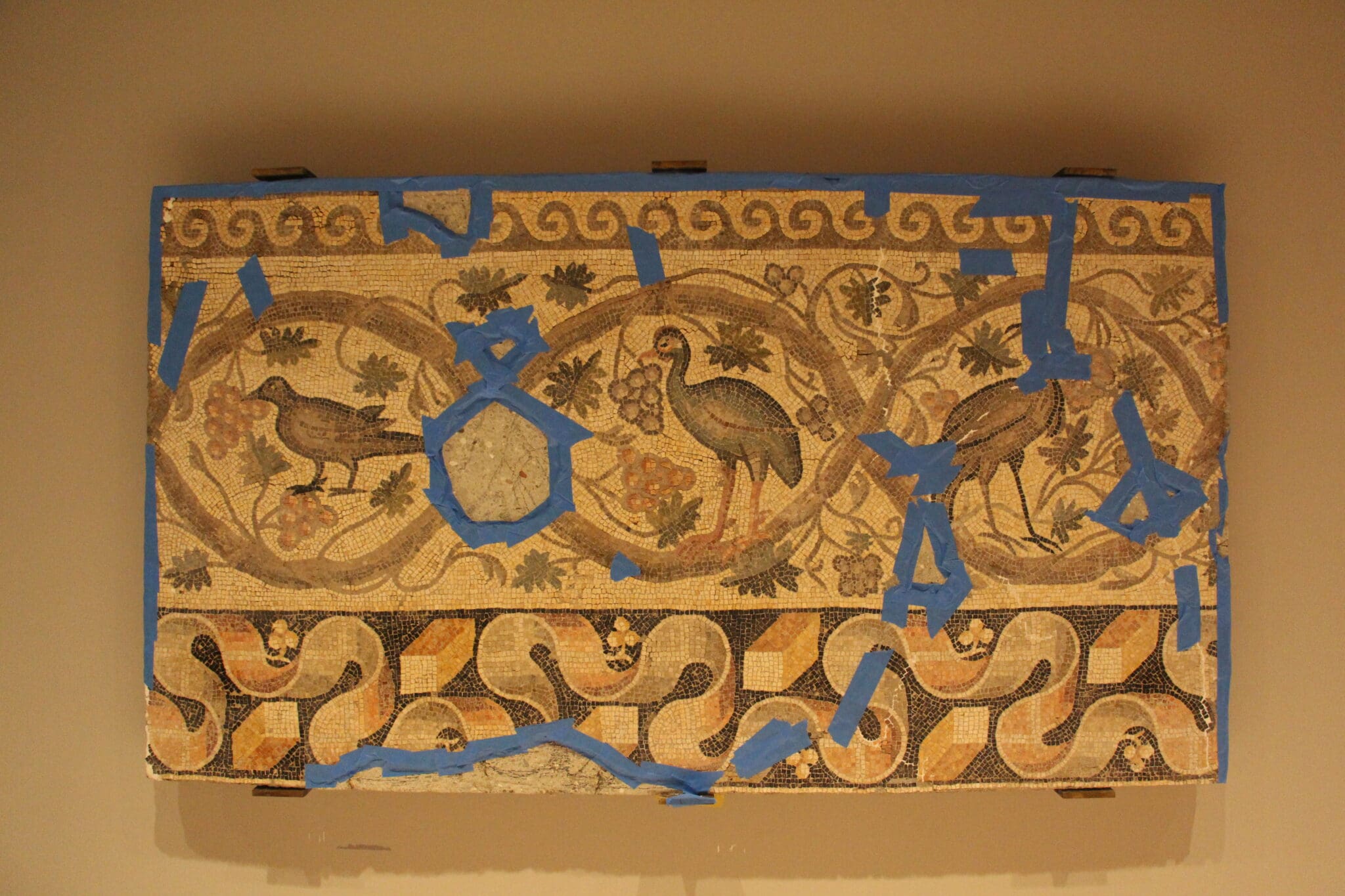
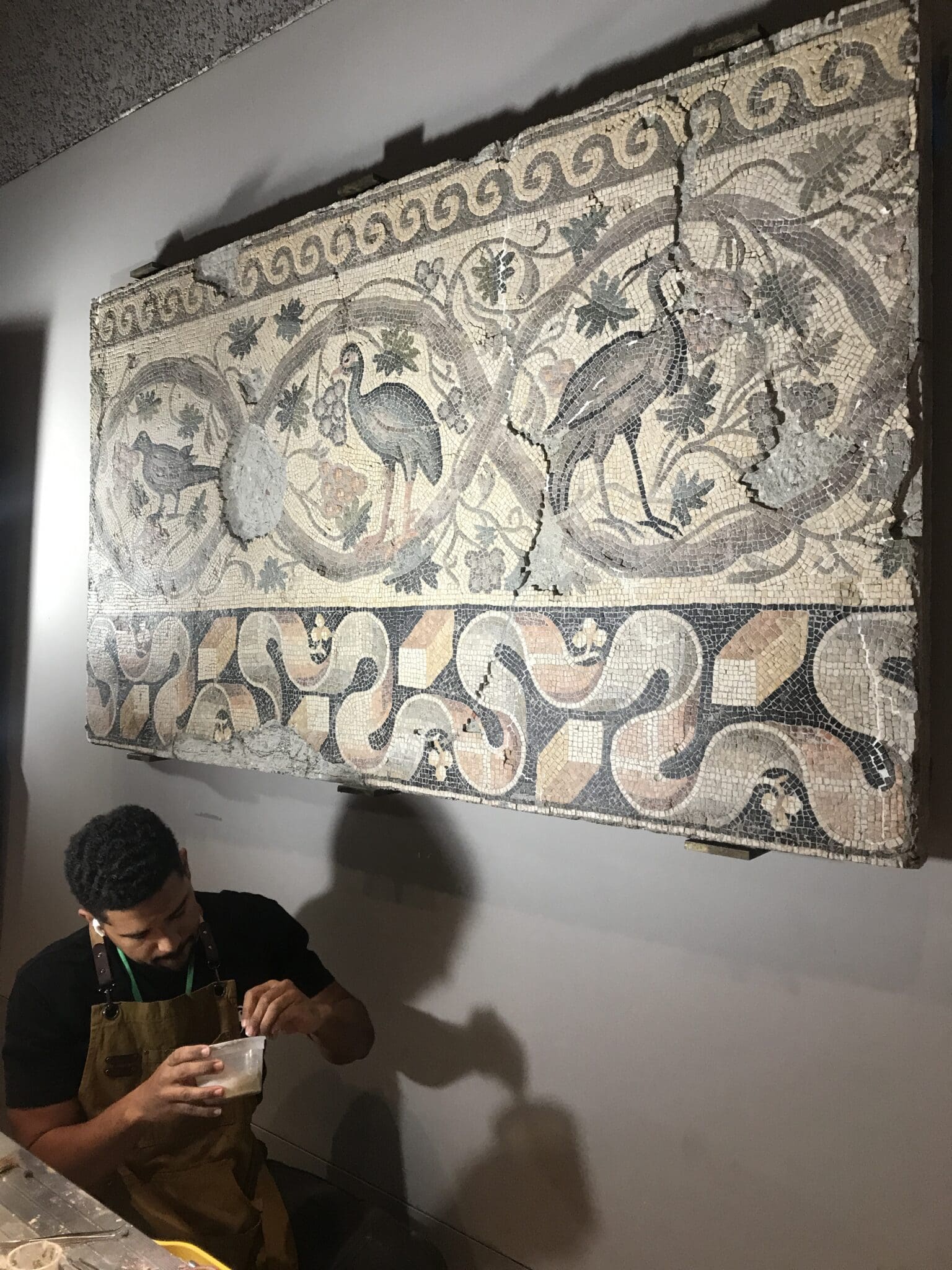
Separately, the Birds in Rinceau mosaic was selected for more interventive treatment at EverGreene’s New York Studio. Conservation included overall cleaning, stabilization of stone tesserae, selective removal of historic concrete fills from excavation, and aesthetic repairs using faux tesserae inlay. EverGreene’s conservators worked closely with the museum’s conservator and curator to reintegrate areas of lacunae, carefully aligning new inlay with the original Roman design. Modern materials were intentionally used to clearly denote the contemporary interventions.
The mosaics treated by EverGreene have since been reinstalled and are now on view in the main museum galleries and the Marquand Library.