Blair–Lee House
The Blair House and the Lee House are two of four independent residences that were later combined to form what is now known as the President’s Guest House, which typically accommodates visiting dignitaries and other guests of the President. The buildings are located on Pennsylvania Avenue, directly across from the North Grounds of the White House. Originally designed by an unknown architect for Joseph Lovell, the first Surgeon General of the U.S. Army, the Blair House takes its name from its second owner, Francis Preston Blair, who purchased the property in 1837. Blair was a newspaper publisher and an influential advisor to President Andrew Jackson and several subsequent presidents. In 1859, Blair constructed the adjacent Lee House as a residence for his daughter Elizabeth and her husband, Admiral Samuel Phillips Lee.
The federal government purchased the property in 1942, after more than a century of ownership by the Blair family, and subsequently converted it into the President’s Guest House. Although the building has undergone numerous exterior and interior alterations since its original construction, it retains its historic character and appeal.
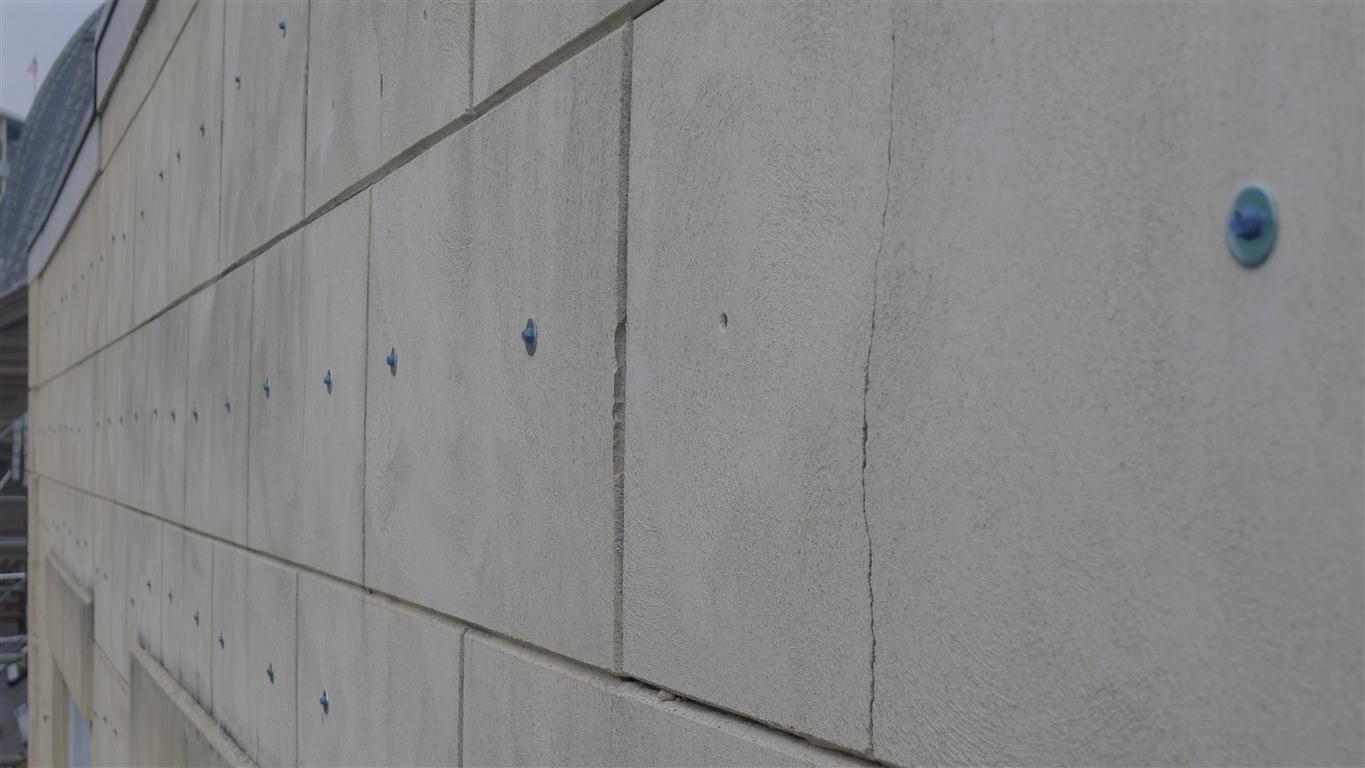
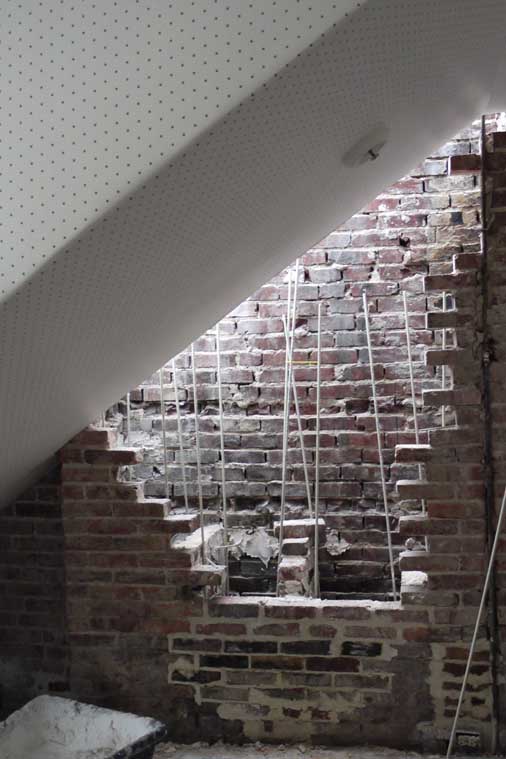
Following the 2011 Washington, D.C., earthquake, a damage assessment identified structural conditions requiring remedial intervention. The investigation determined that the structural stability of certain building elements was compromised due to unusual aspects of the original construction and subsequent modifications. Major issues included inadequate reinforcement of select walls, deterioration and improper installation of brick and mortar, and deficiencies in the roof structure.
EverGreene was contracted to work with OLBN’s design-build team to provide quality control, consulting services, and oversight for the conservation. Work included the review of documents, submittals, bids, RFIs, surveys, conditions assessments, and mock-ups to ensure that conservation standards were met. A critical component of the work involved close collaboration with the structural engineer to minimize the impact of necessary reinforcements on historic building materials and decorative finishes. Conservators periodically visited the site as conservation progressed and created detailed documentation of the work.
As part of the project, EverGreene conducted material testing and analysis of various interior and exterior finishes to inform the selection of appropriate restoration materials, methods, and techniques. Additional research was performed in order to better inform these recommendations. Analysis of the paint and stucco on the Blair house was performed to identify and document the stucco campaigns, as well as identify historic paint found on the earlier underlying stucco campaign. Mortar testing was performed in various locations on the Lee House in order to better understand the composition of the in-situ mortar and better inform replacement recommendations. Testing was also performed on interior features, including plaster, paint, and wallpaper to better understand historic schemes, materials, and methodologies.