Colorado State Capitol
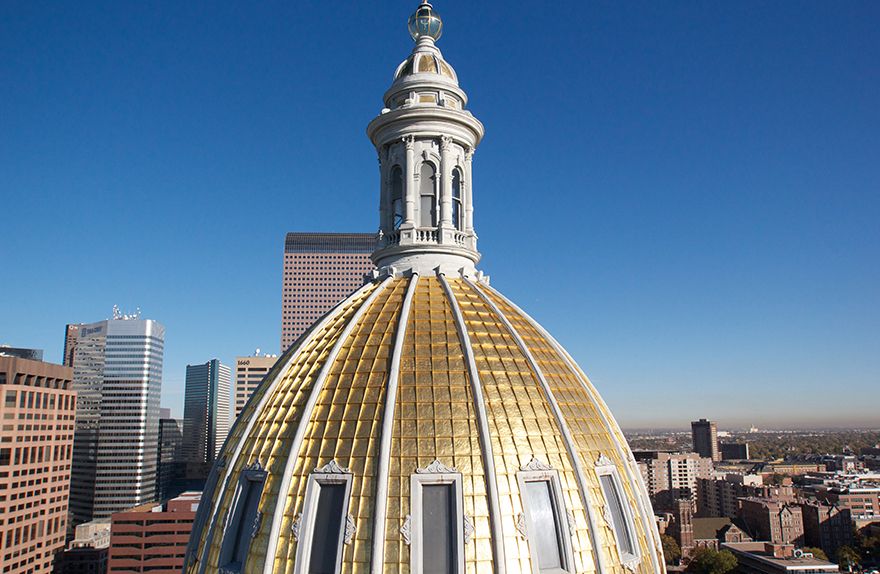
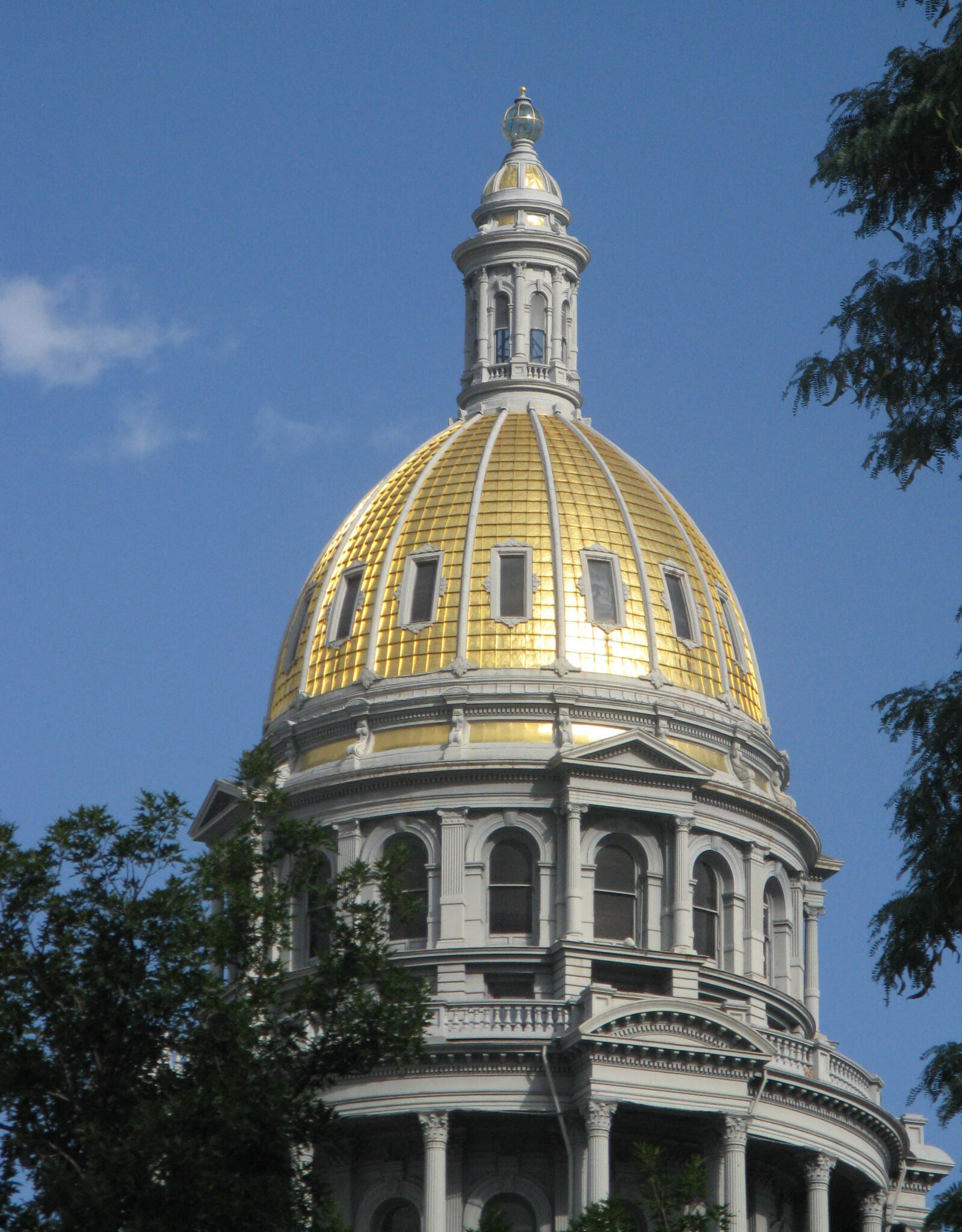
Completed in 1903 and modeled after the United States Capitol, the Colorado State Capitol is one of the state’s most recognizable landmarks. Designed by Elijah E. Meyers and completed by Frank E. Edbrooke, the building is listed on the National Register of Historic Places and contributes to the Denver Civic Center National Historic Landmark District. Its iconic 24-karat gold dome commemorates Colorado’s Gold Rush, while richly decorated legislative chambers and ceremonial spaces showcase the craftsmanship of the early twentieth century.
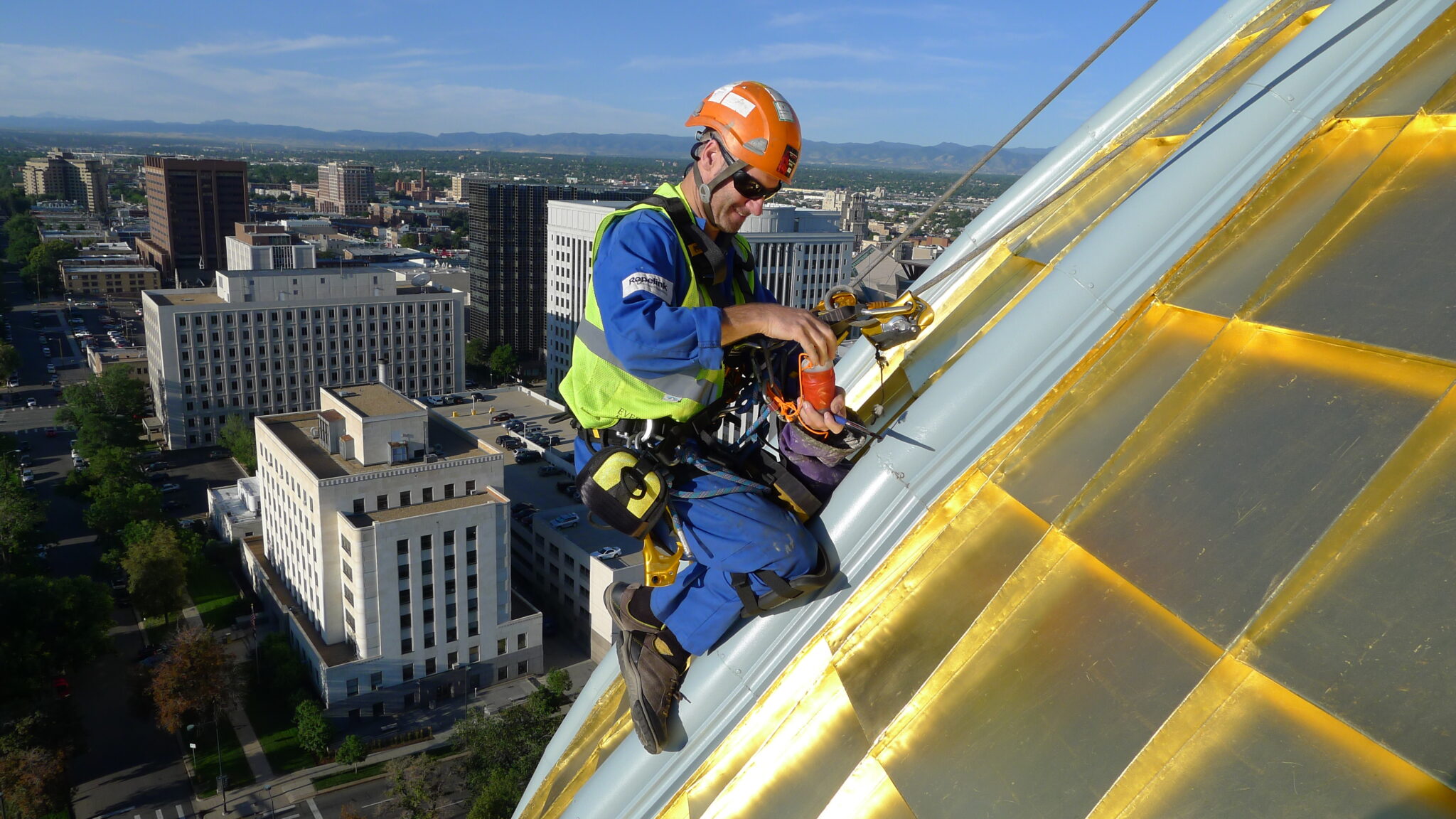
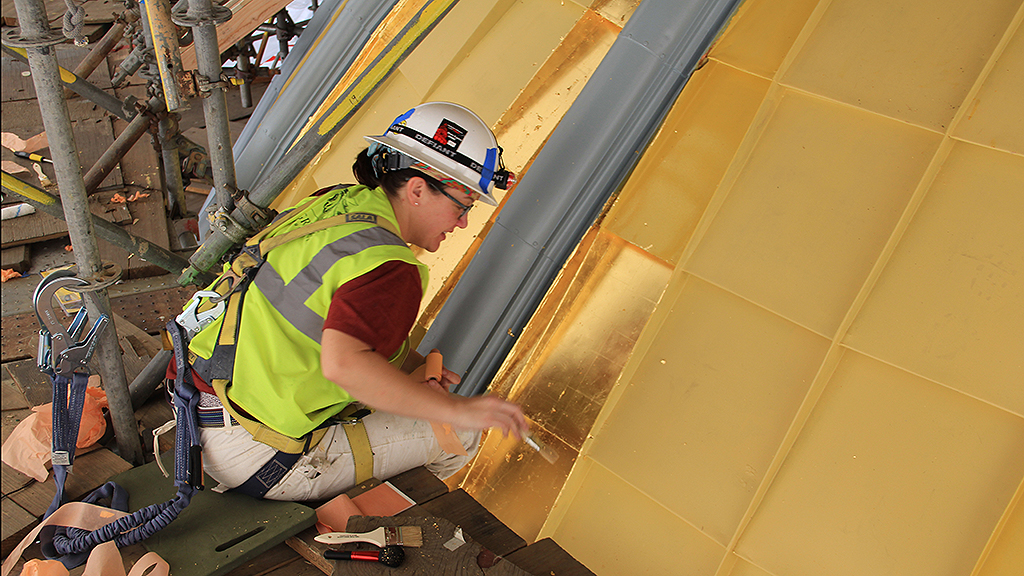
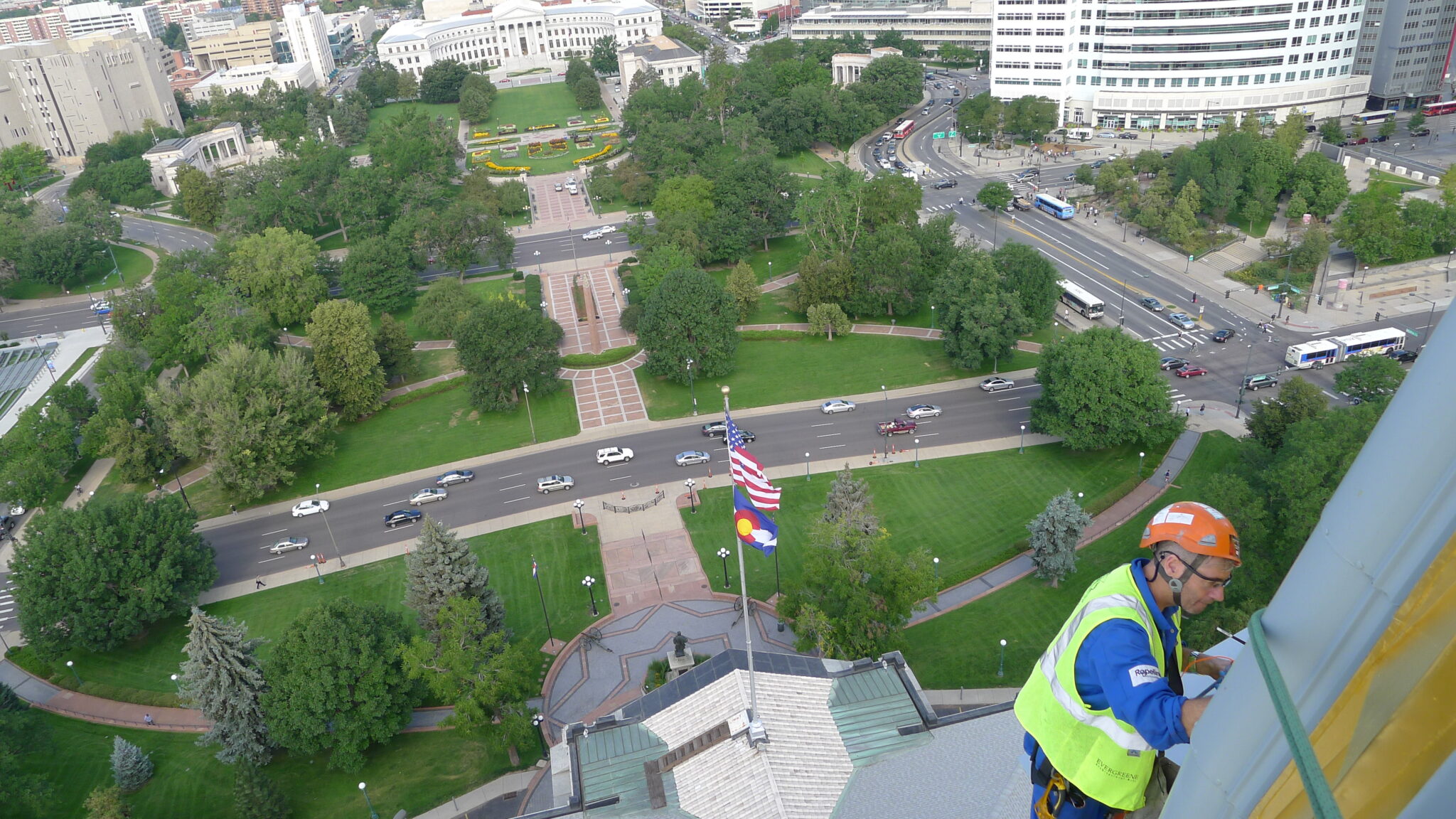
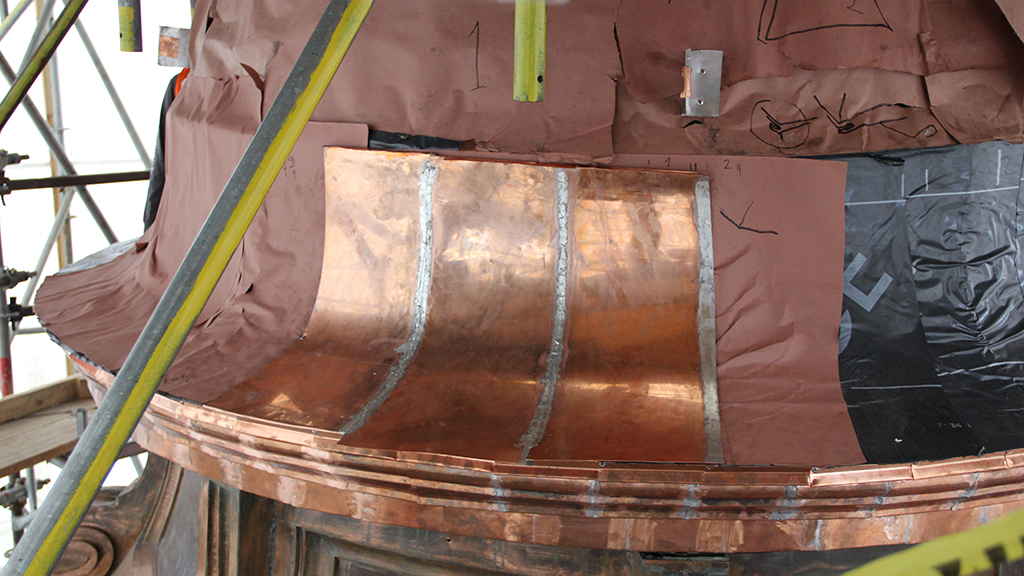
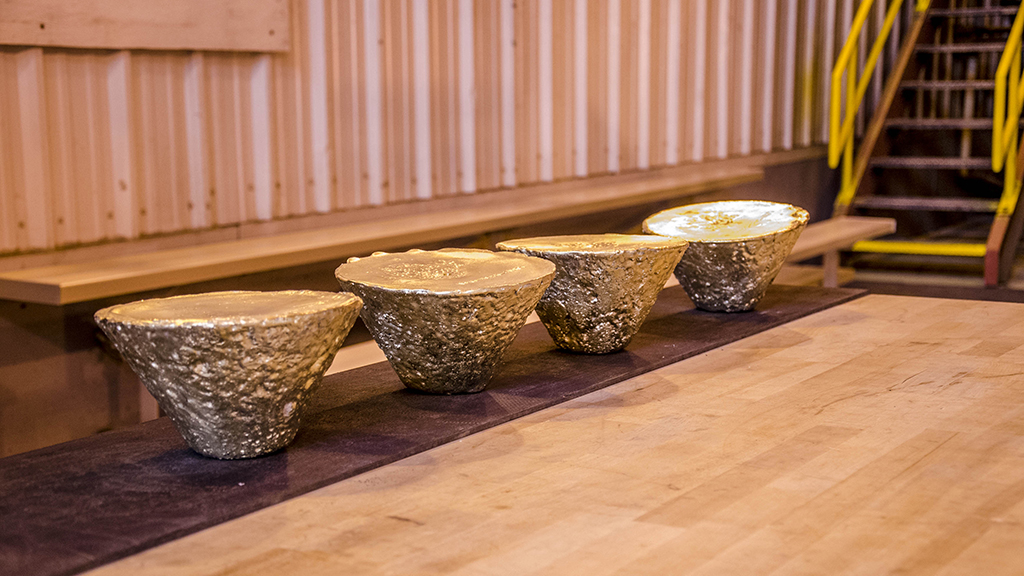
For more than three decades, EverGreene has partnered with the State of Colorado on multiple preservation projects throughout the Capitol. Following severe hail damage in the early 1990s, EverGreene completed the restoration and regilding of the Capitol dome, returning in 2013 to regild the newly fabricated 11,000-square-foot copper dome as part of a major seismic stabilization and restoration program. For this highly symbolic project, Colorado-mined gold was refined, transformed into traditional gold leaf by Italian craftsmen, and applied using time-honored gilding techniques after extensive preparation of the dome’s surface.
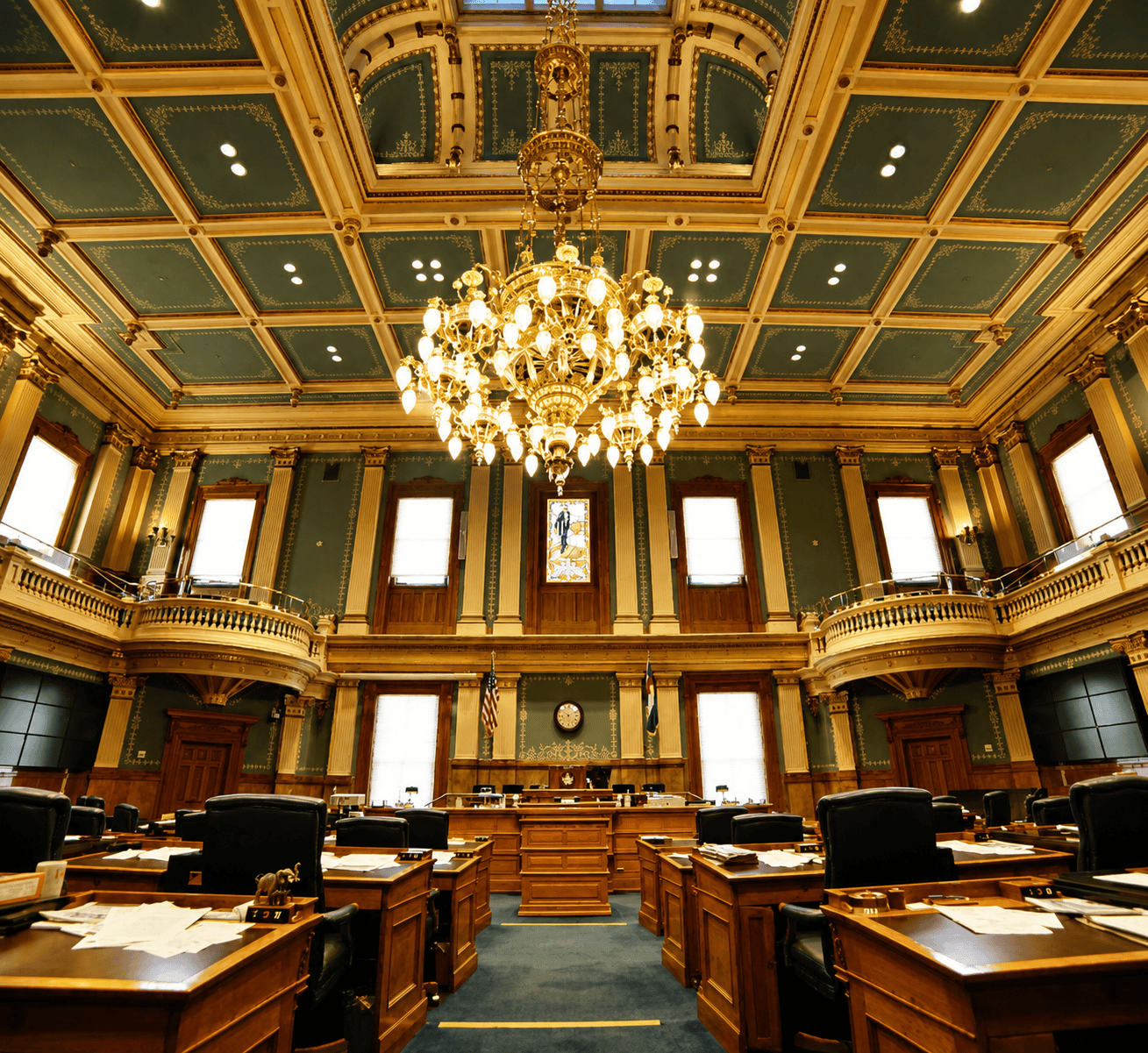
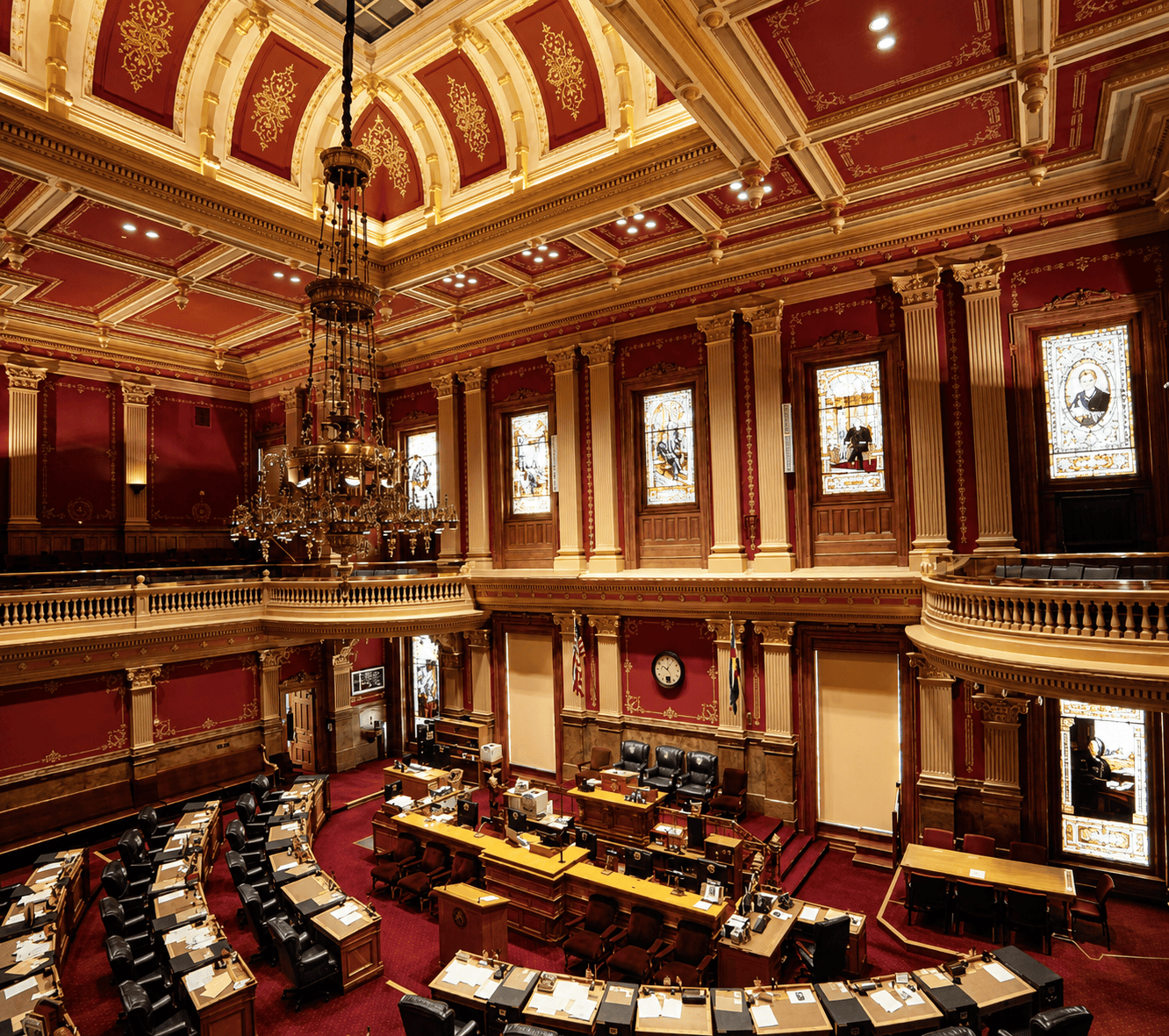
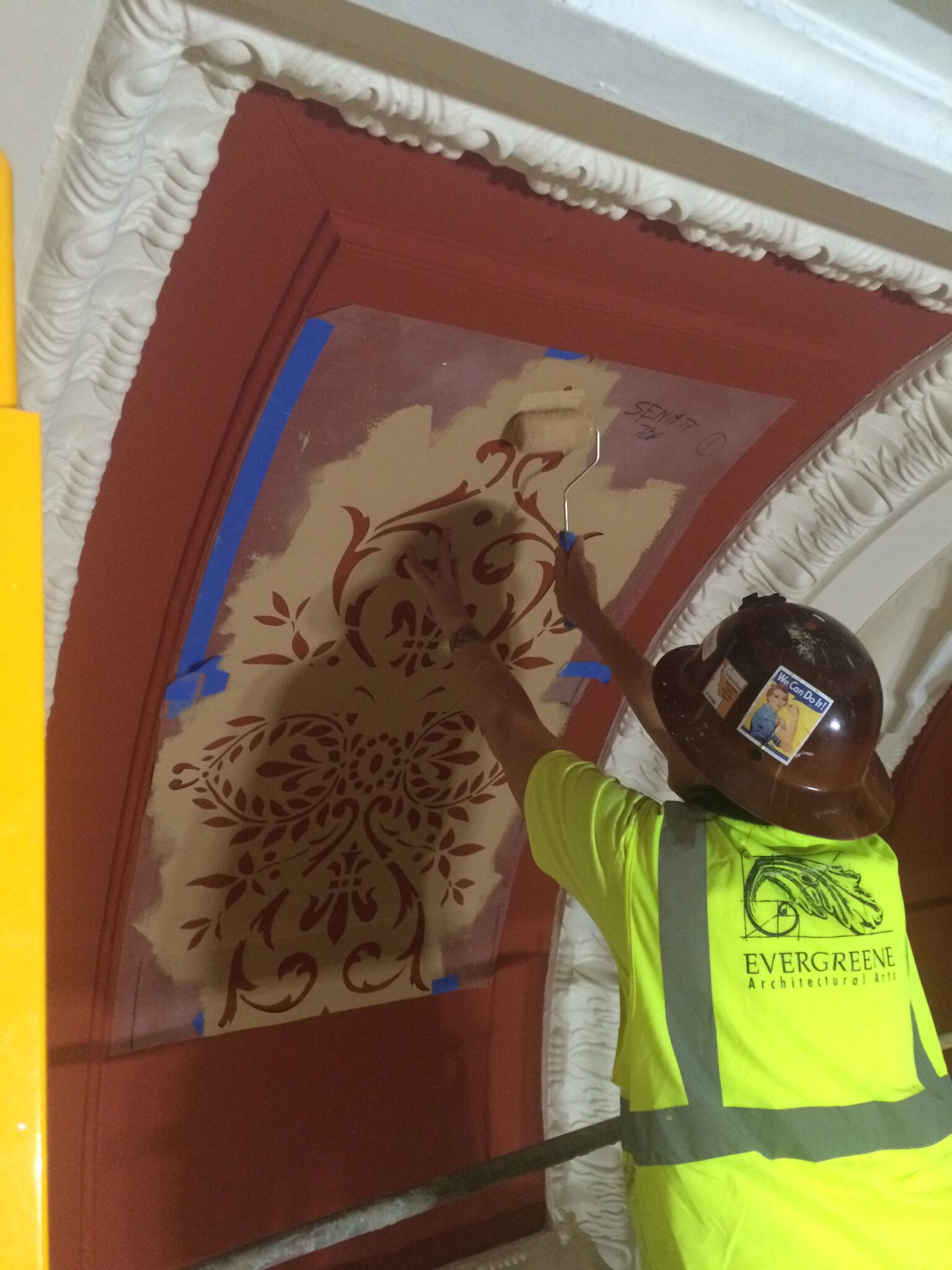
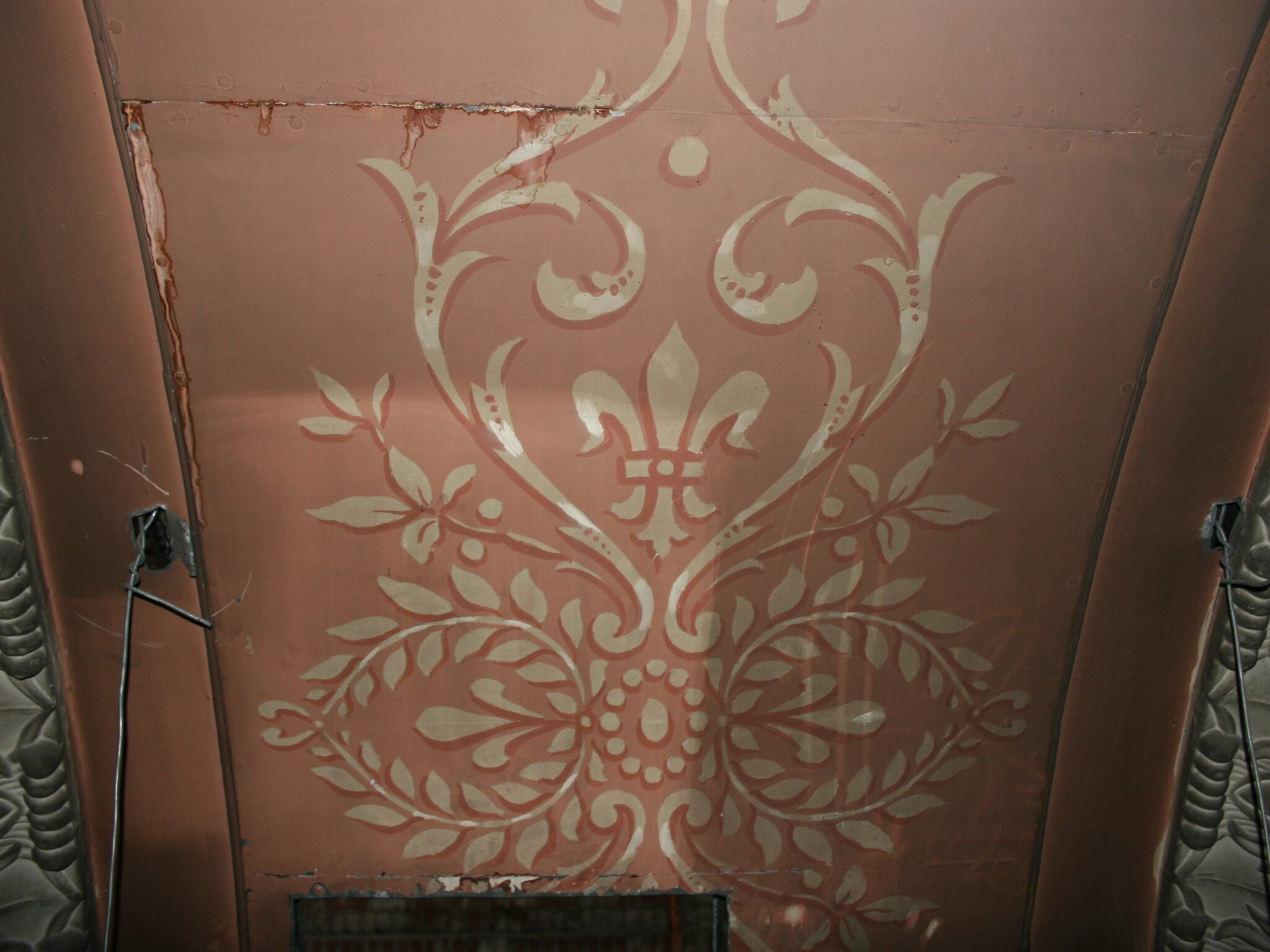
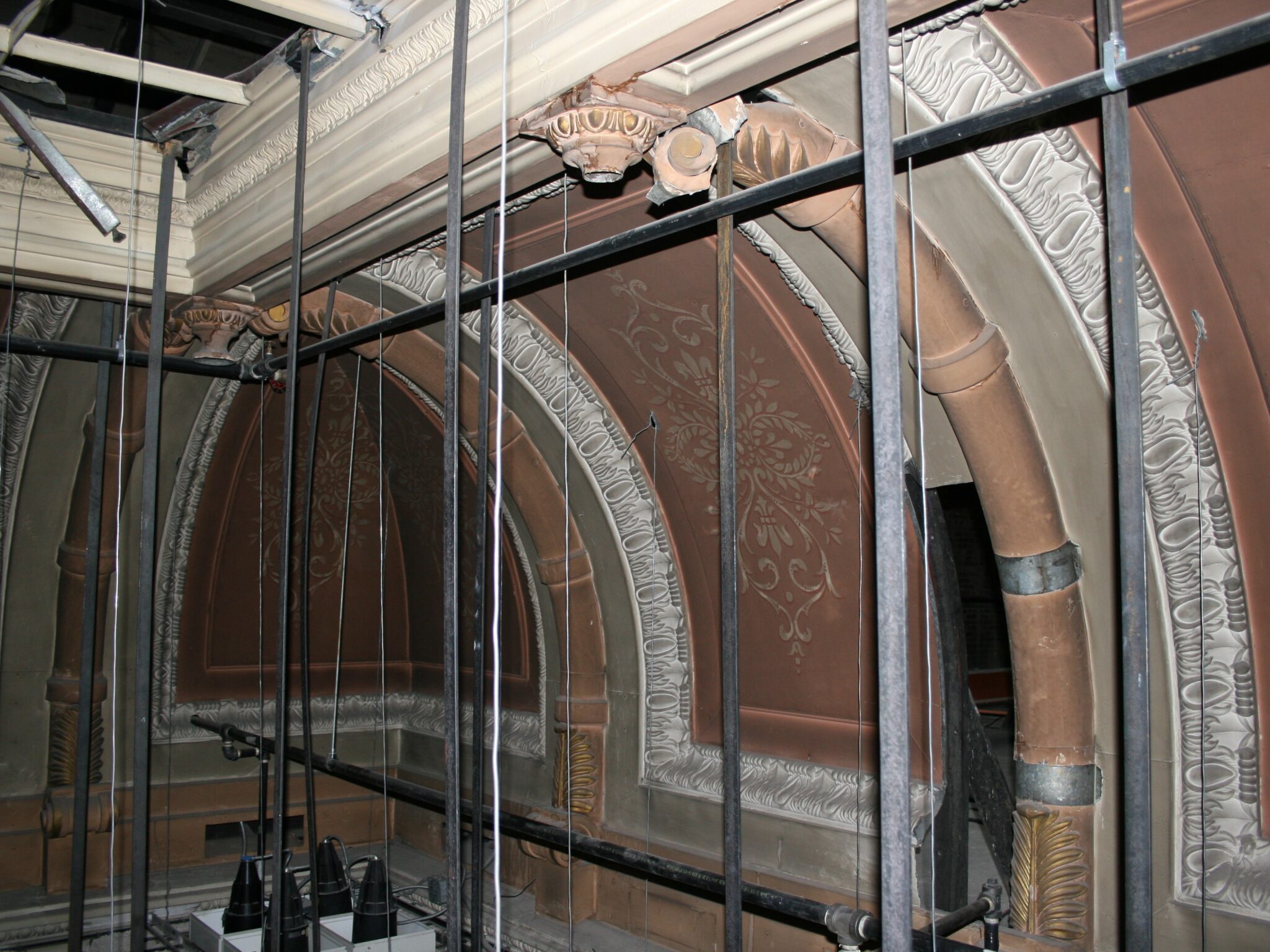
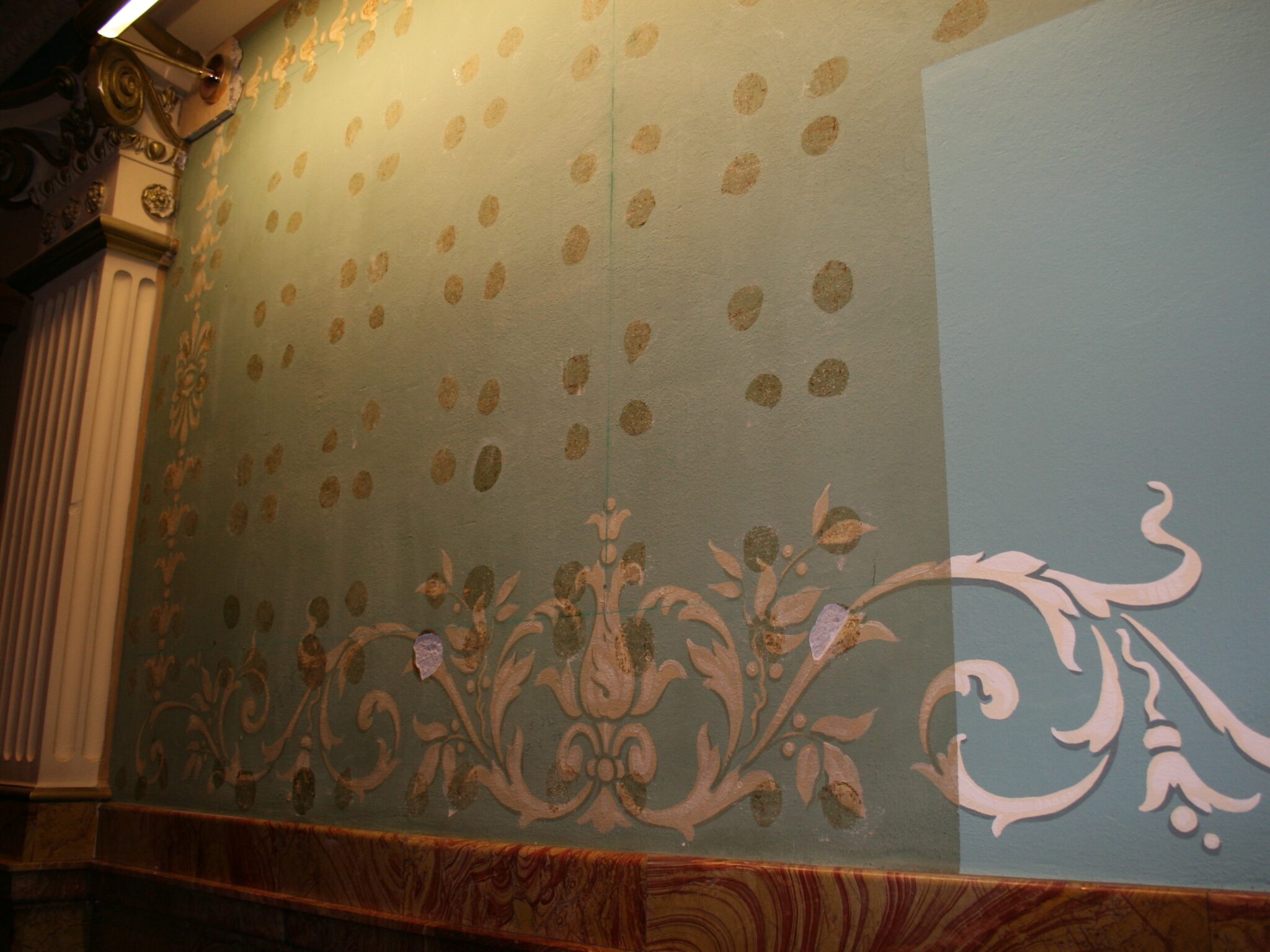
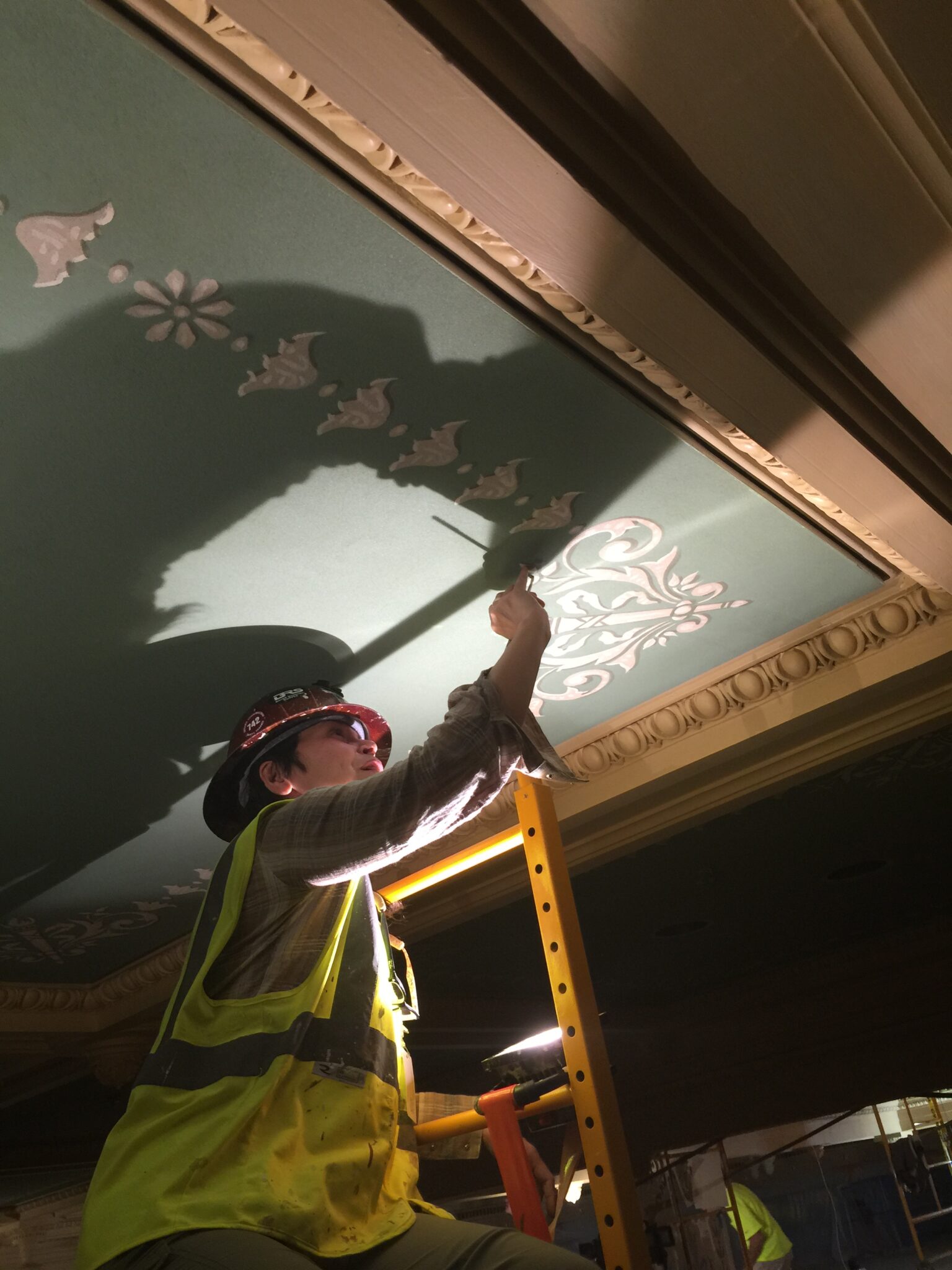
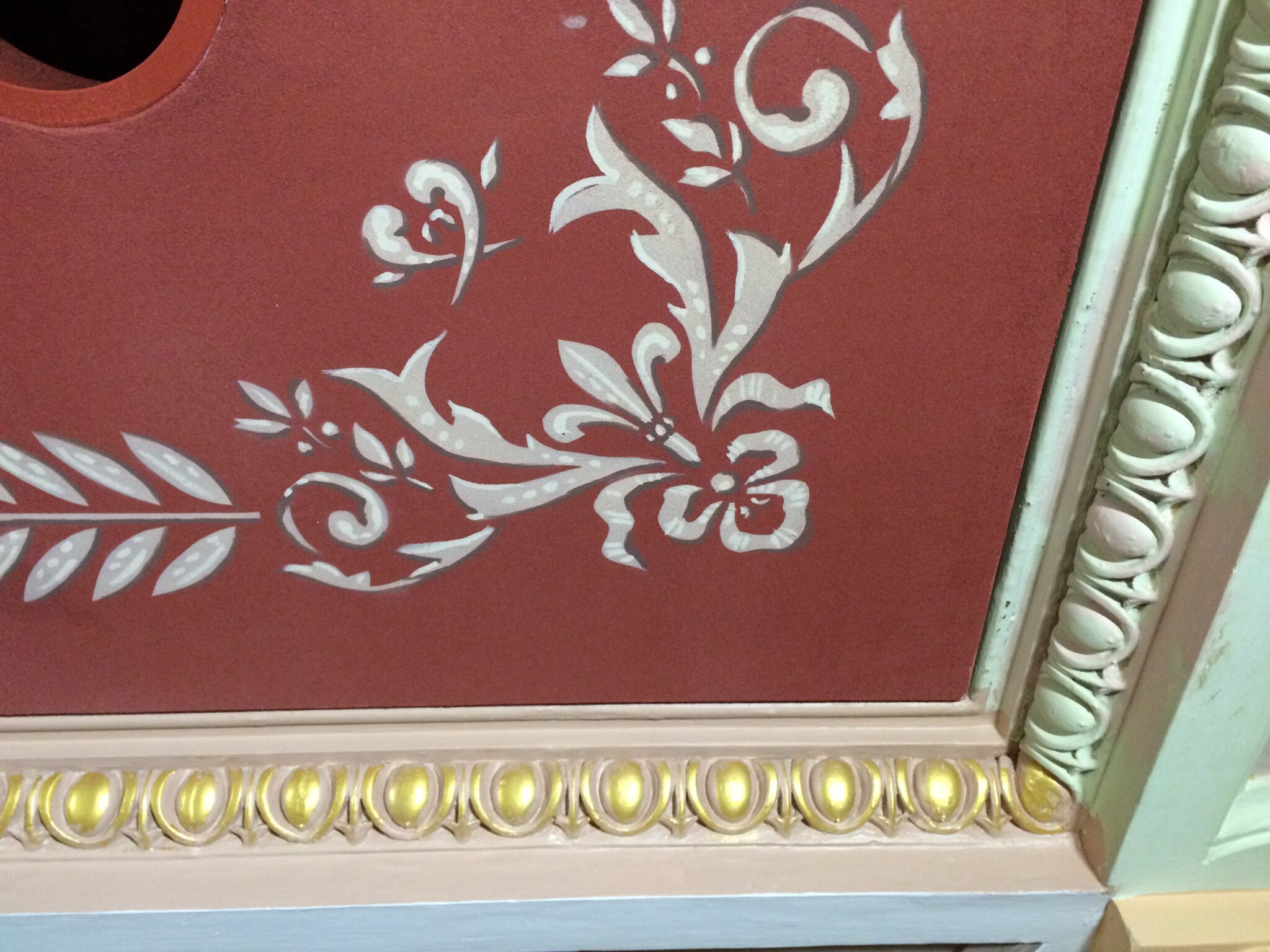
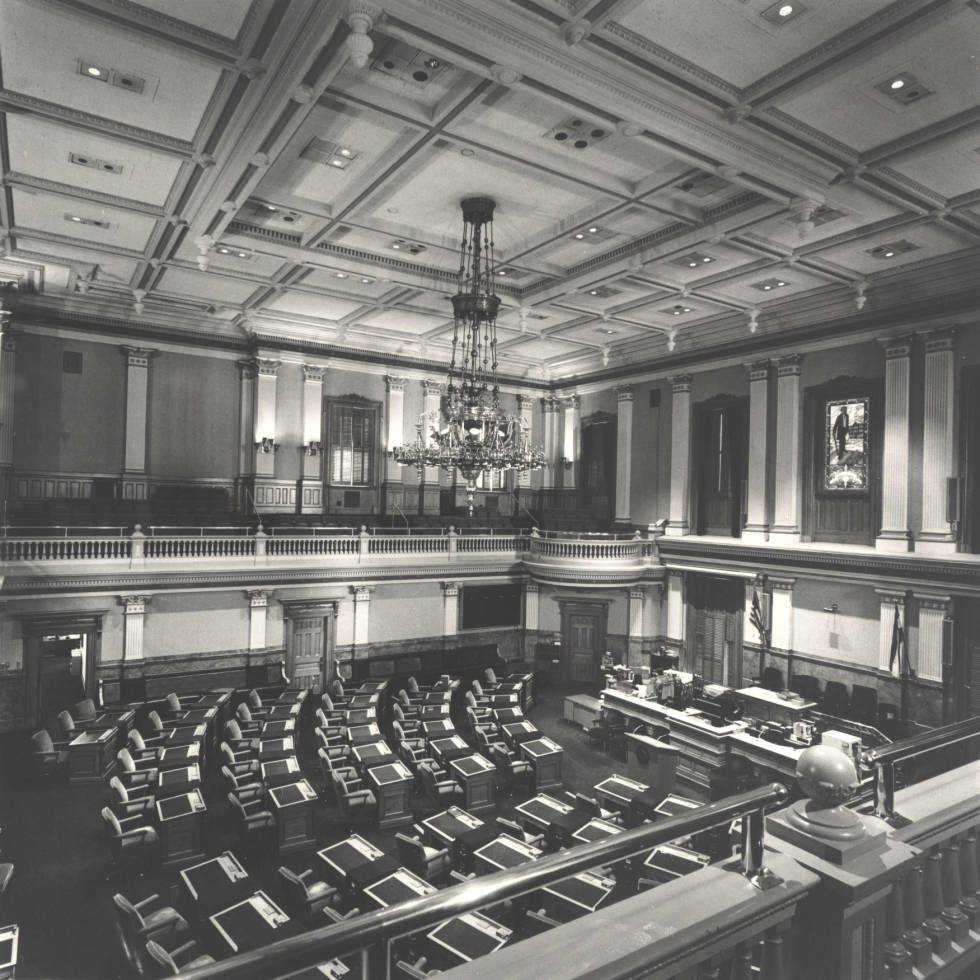
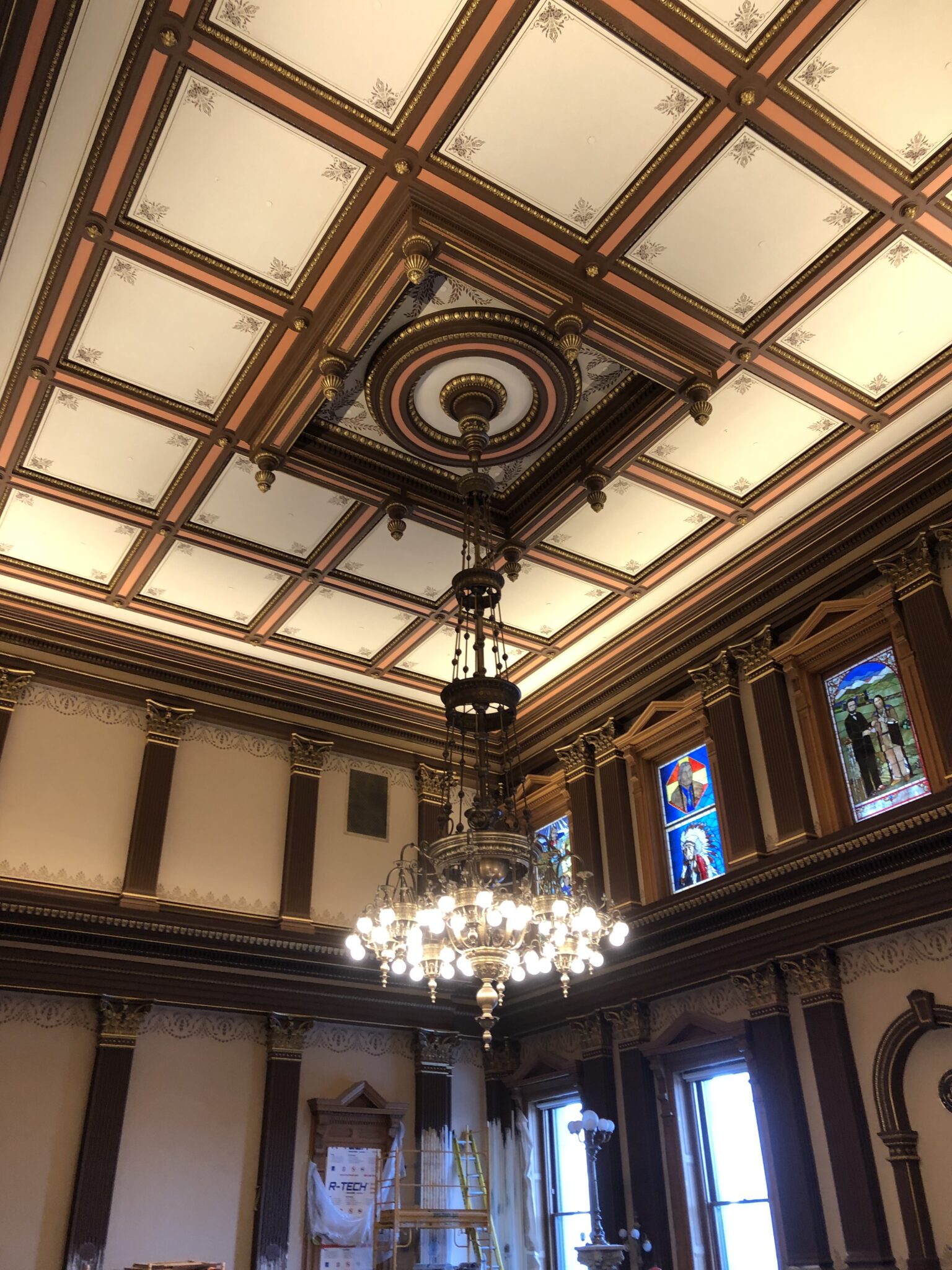
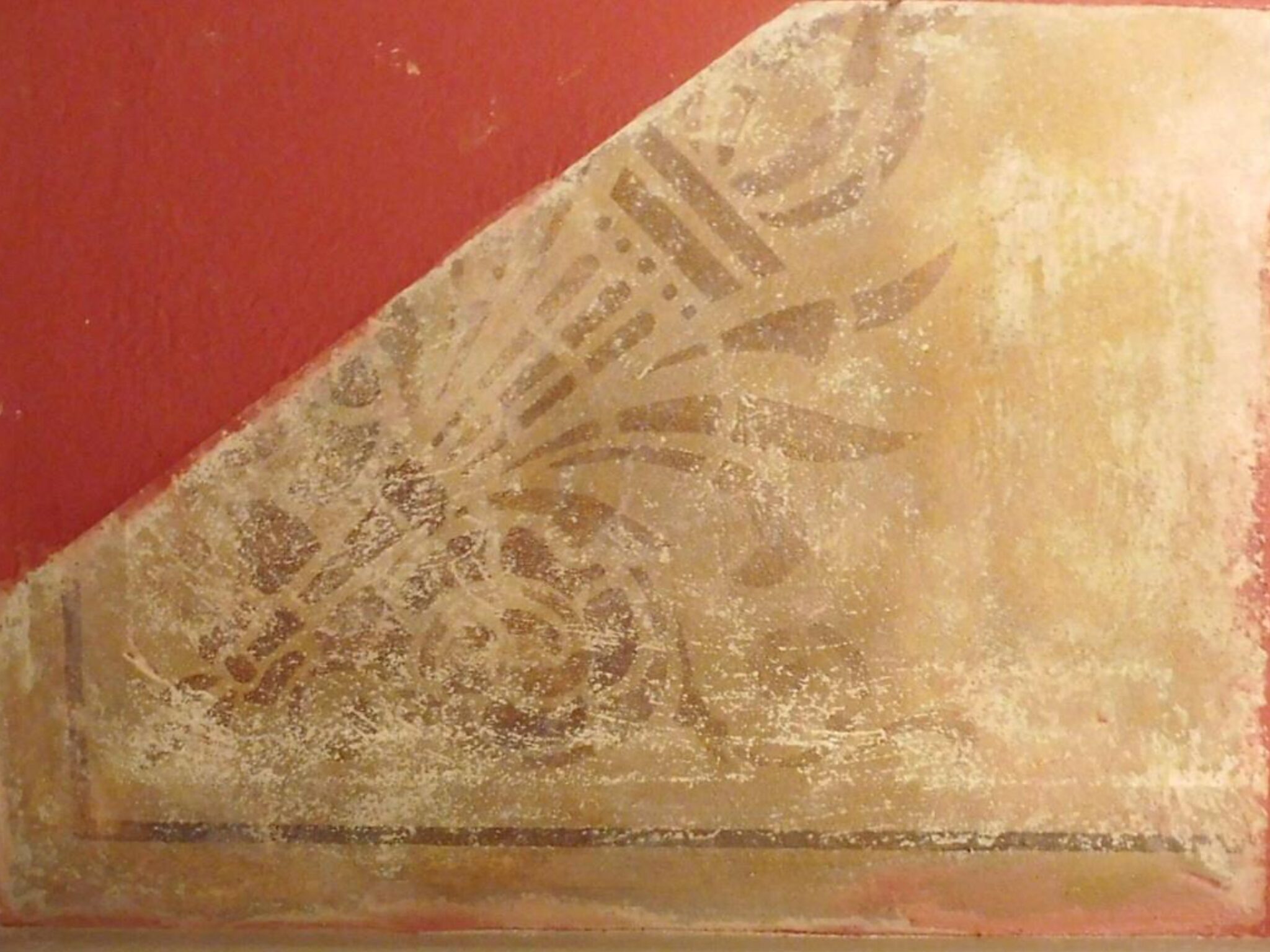
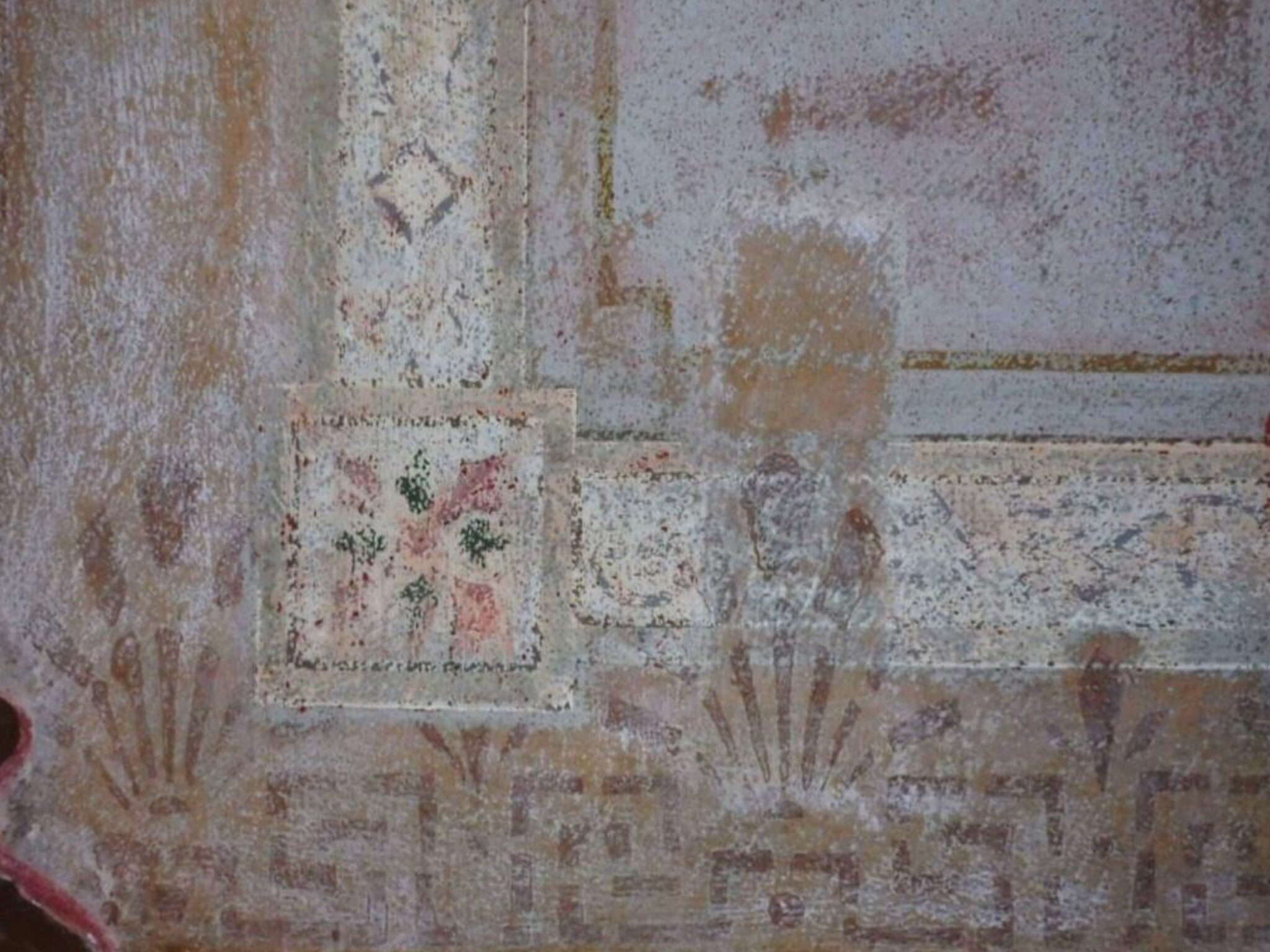
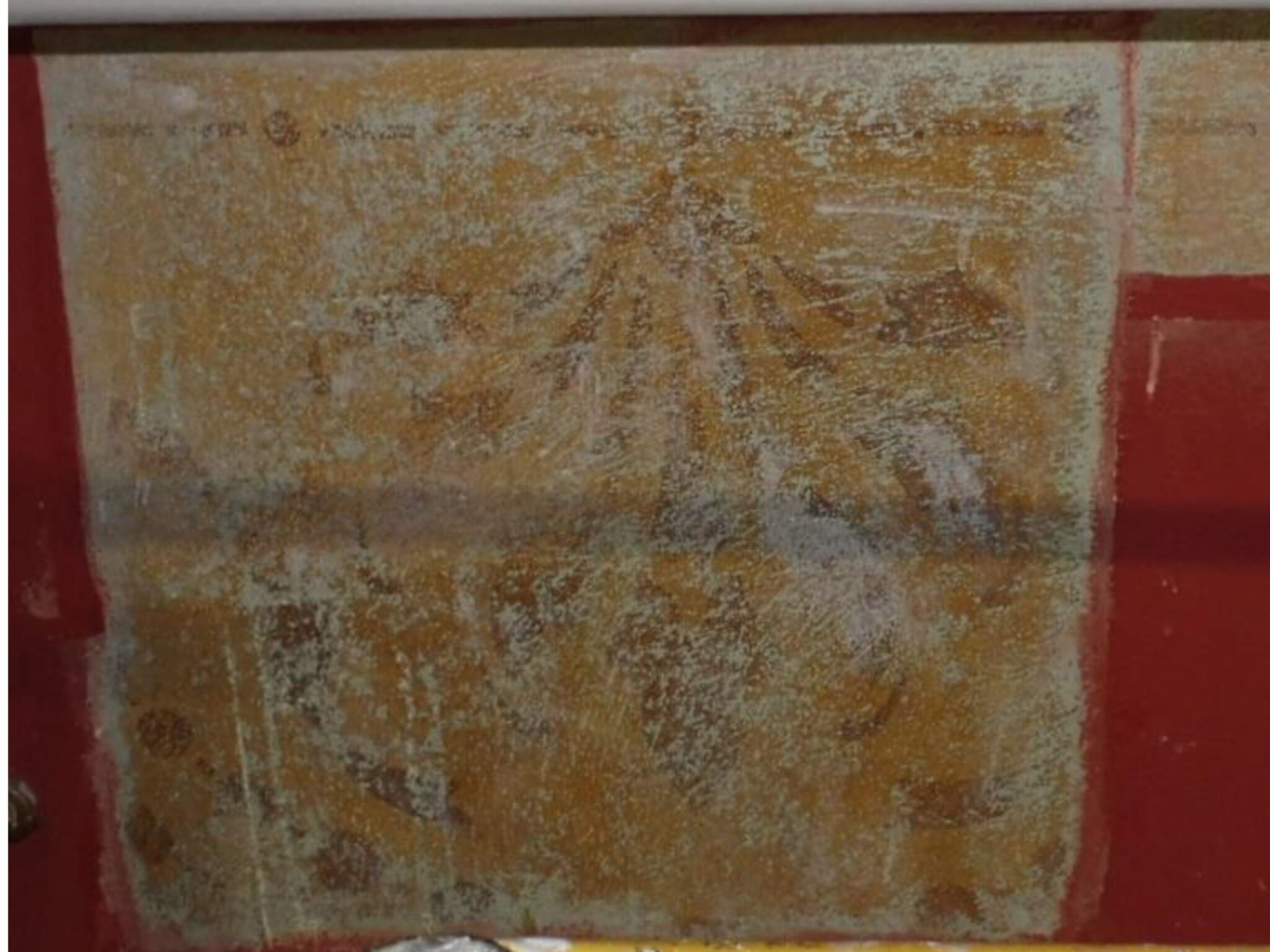
Inside the Capitol, EverGreene led the multi-phase restoration of the historic House and Senate Chambers. After the removal of mid-century acoustic tile, original decorative schemes by artist Manuel Hill—including long-hidden stenciling, coffered ceilings, and skylights—were uncovered. Conservators preserved surviving decorative finishes, replicated missing ornament, reinstated the original 1905 color palettes, and integrated acoustic plaster systems to improve performance while maintaining the historic appearance. Gilding, decorative painting, plaster restoration, and finish replication returned both chambers to their original grandeur.
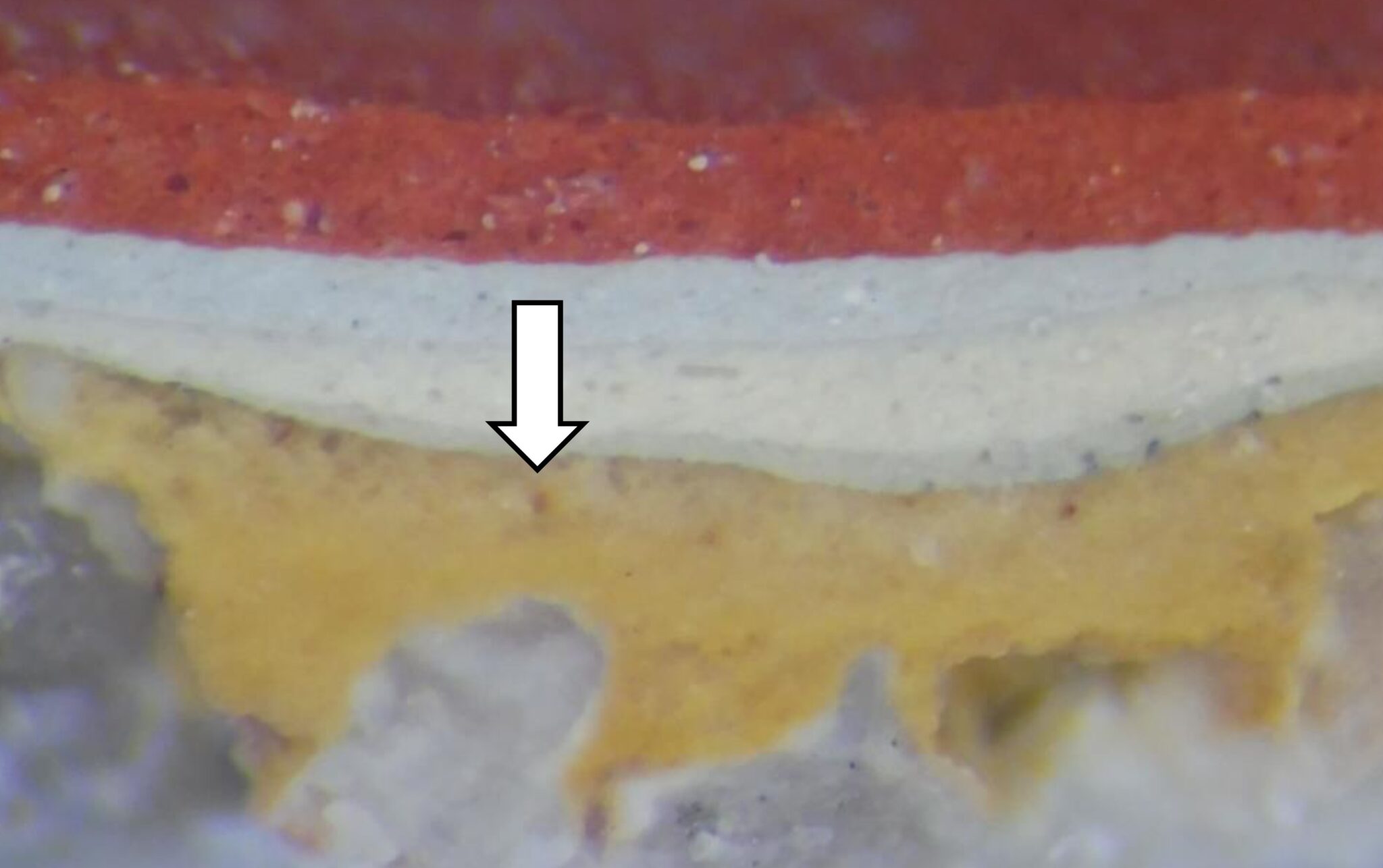
EverGreene’s work also extended to the restoration of the historic Old Supreme Court Chamber. Following microscopic paint analysis and finishes investigations, conservators documented the room’s original decorative program, including distemper paint, classical stencil patterns, and metallic highlights concealed beneath later overpaint. Using these findings, EverGreene recreated the original decorative finishes through historically accurate painting and stenciling, restoring the chamber’s early twentieth-century character.