Hotel Del Coronado Ballroom Mural
The Hotel Del Coronado is a historic beachfront hotel that sits just across from the San Diego Bay. The National Historic Landmark has stood as a symbol of luxury and elegance since 1888. It is a rare example of the wooden American Victorian beach resort architectural genre and the second-largest wooden structure in the United States.
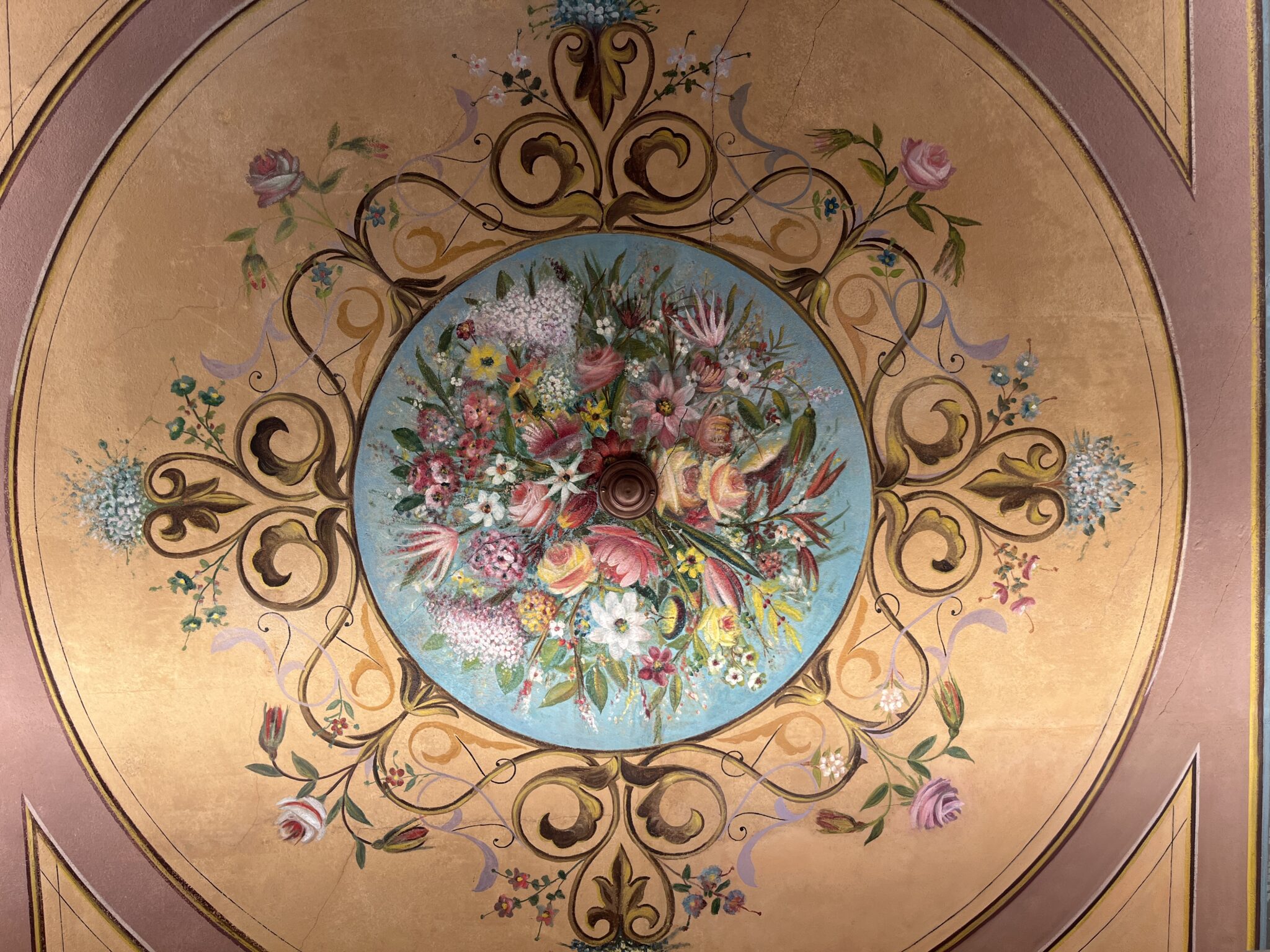
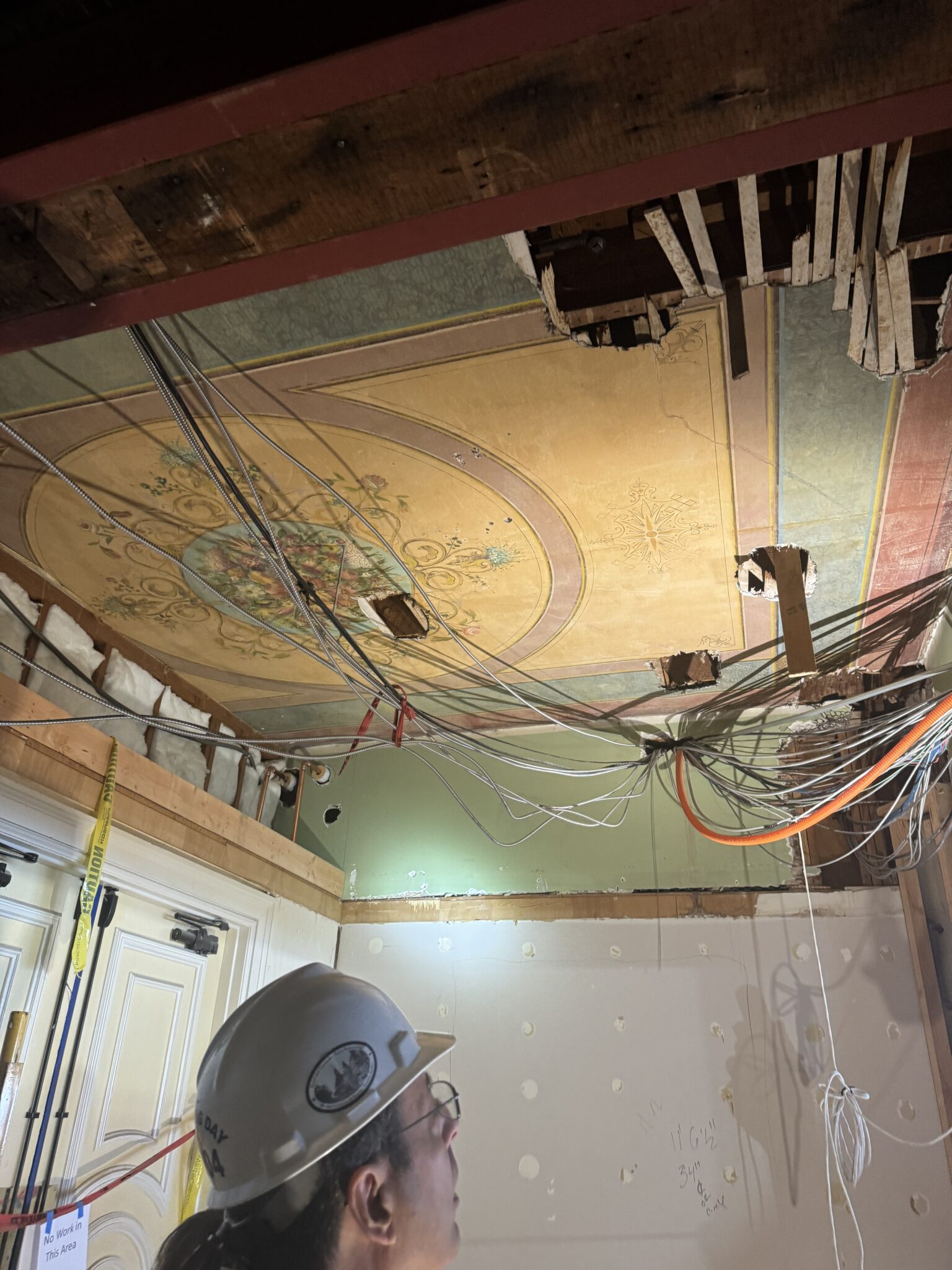
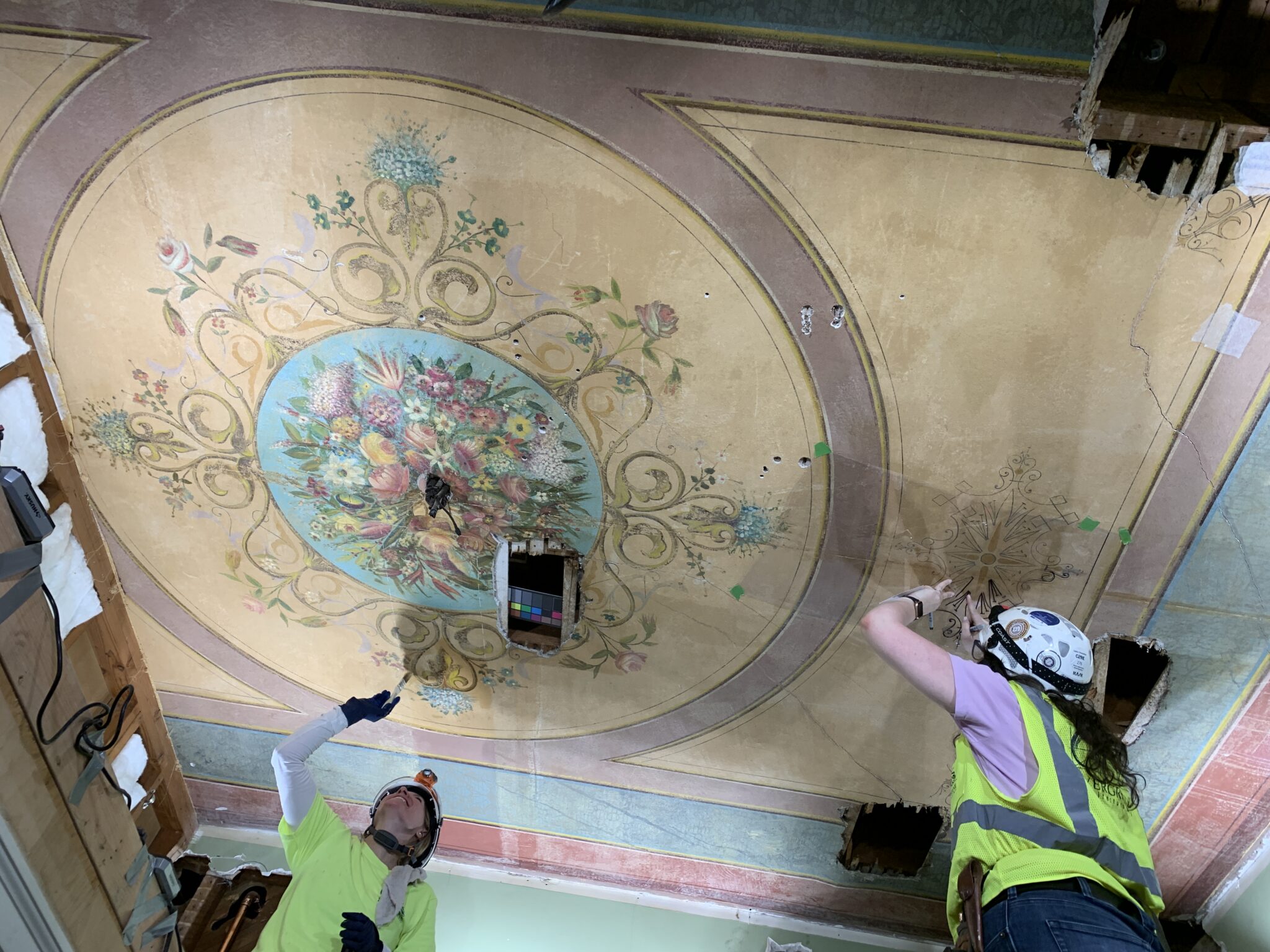
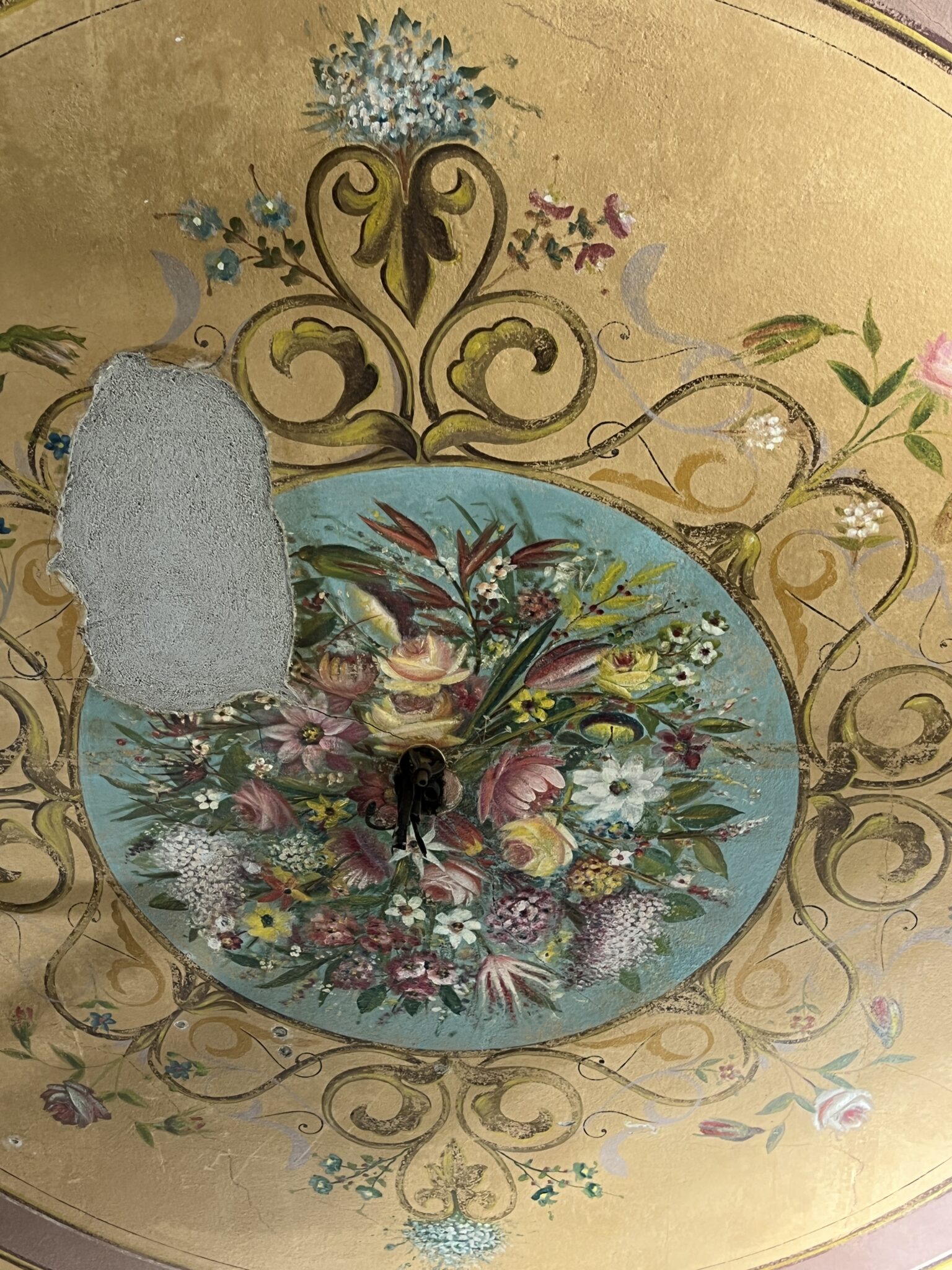
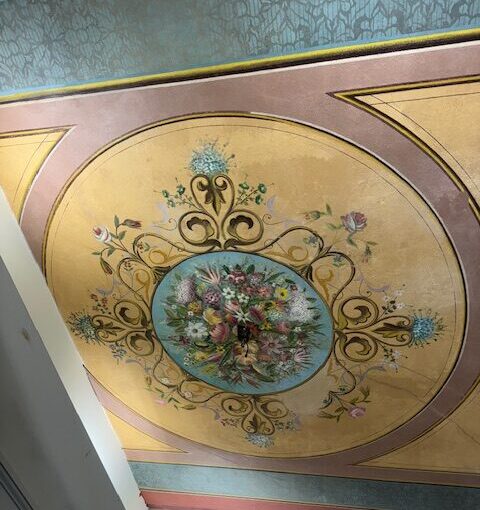
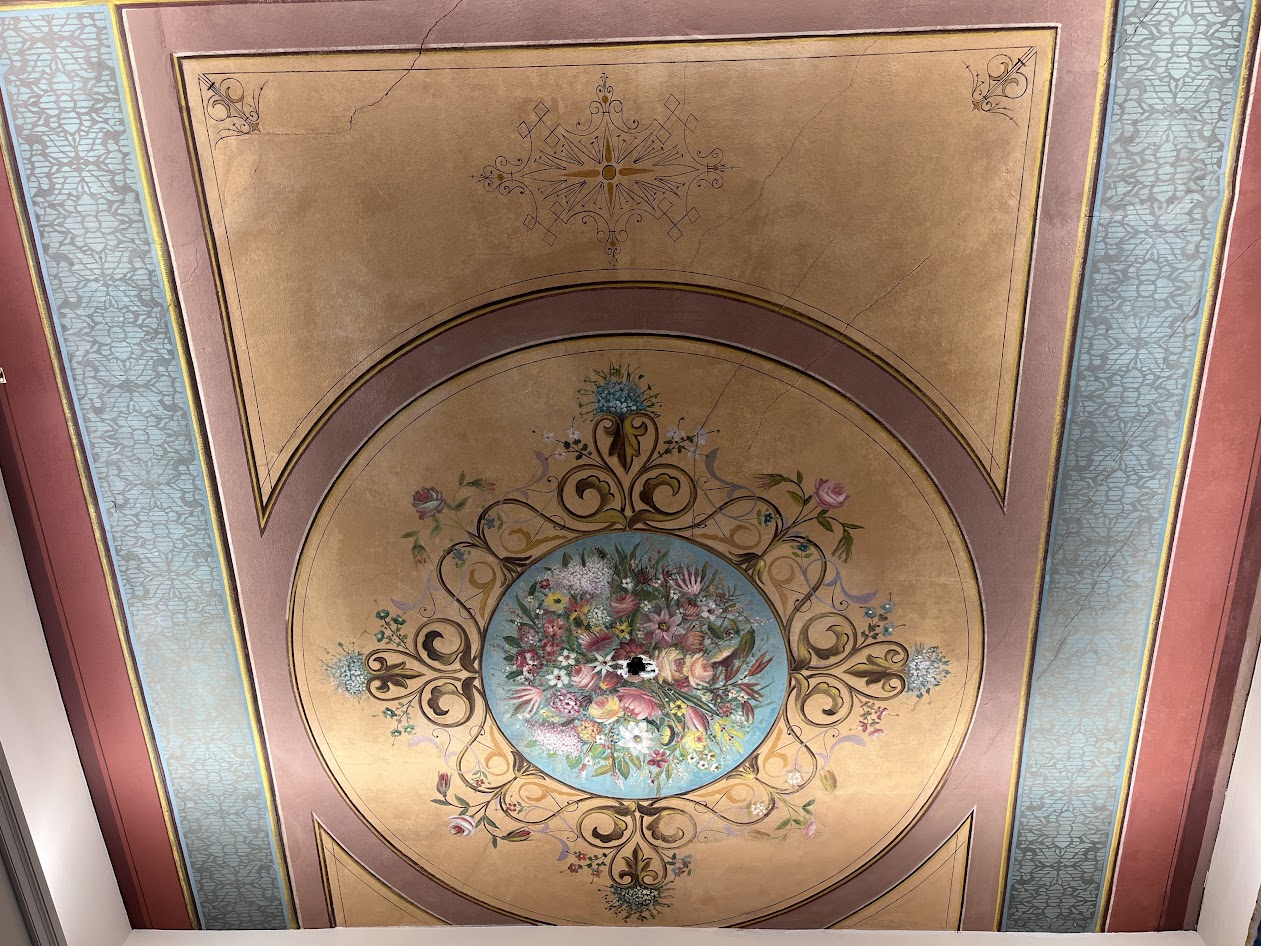
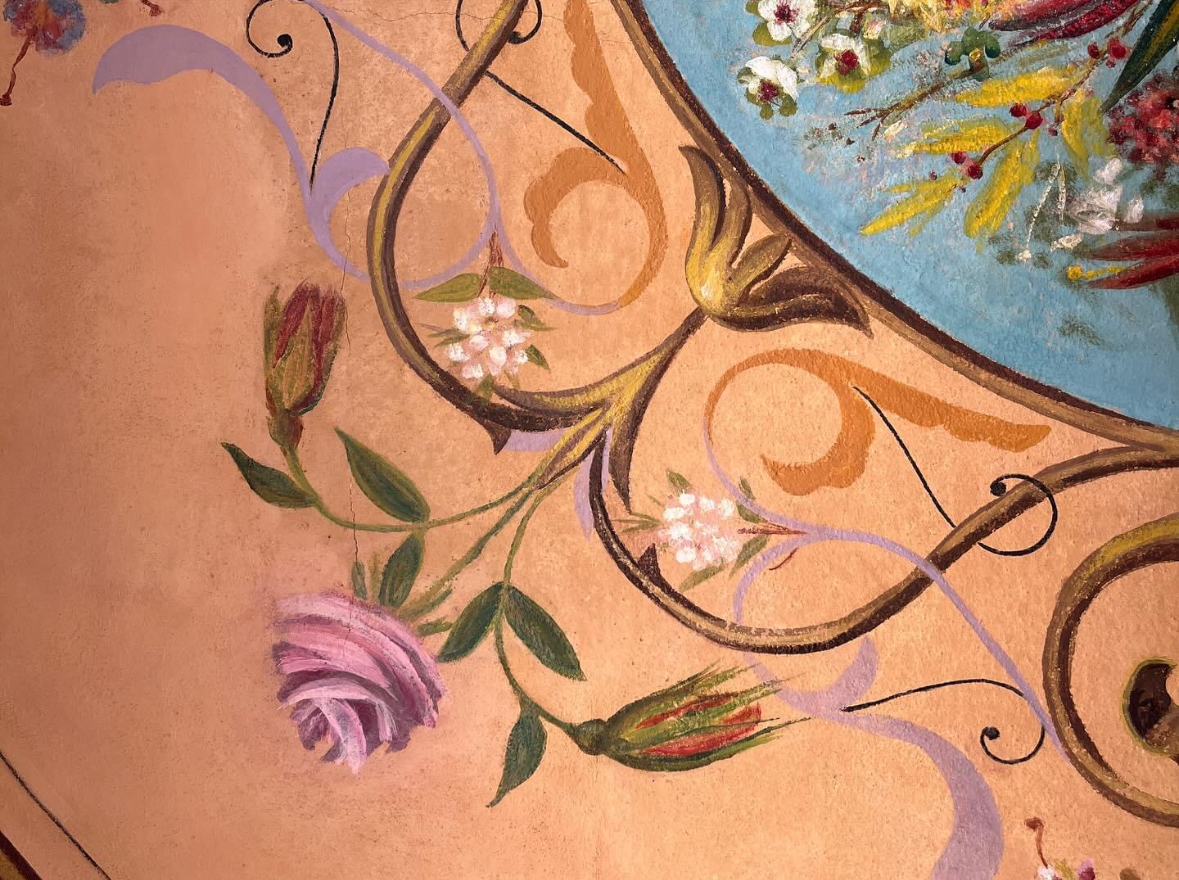
During a major building renovation in 2022, a decorative ceiling mural, painted directly on lime plaster, was rediscovered in the vestibule adjacent to the Victorian Ballroom following the removal of a post-historic suspended ceiling and canvas covering. Archival sources and on-site examination indicate that the mural dates to the original construction period of the hotel and represents a rare surviving example of 19th century interior painted decoration in Southern California. The mural was executed on dry lime plaster using an oil-in-water emulsion paint (tempera grassa).
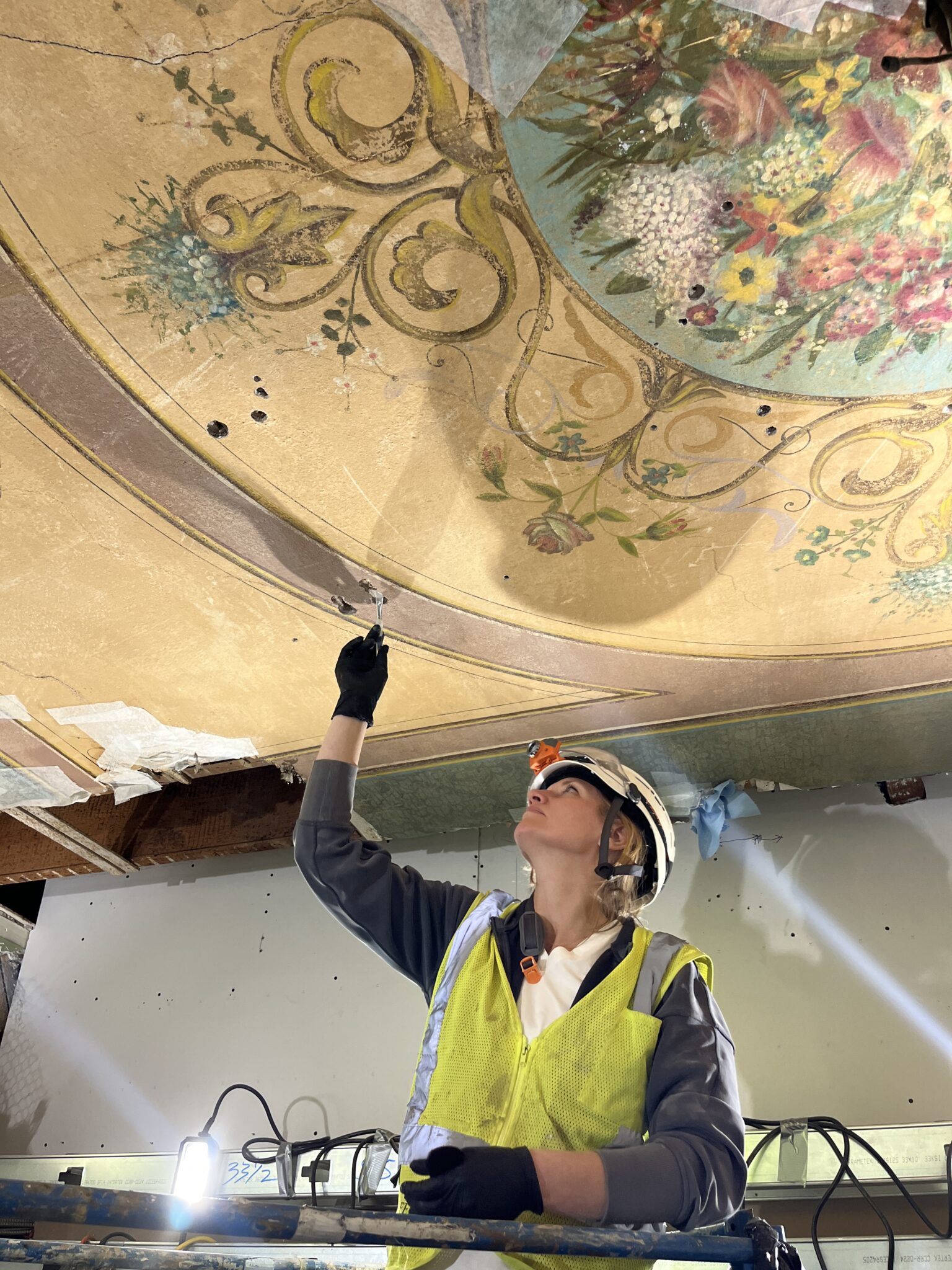
EverGreene was engaged to assess, stabilize, and conserve the historic plaster ceiling and painted decoration. The project began with a condition assessment of both the mural surface and the plaster substrate. With a clear understanding of the damage and deterioration issues, conservators performed testing and mock-ups to assist in the development of a targeted conservation strategy prior to the full-scale treatment.
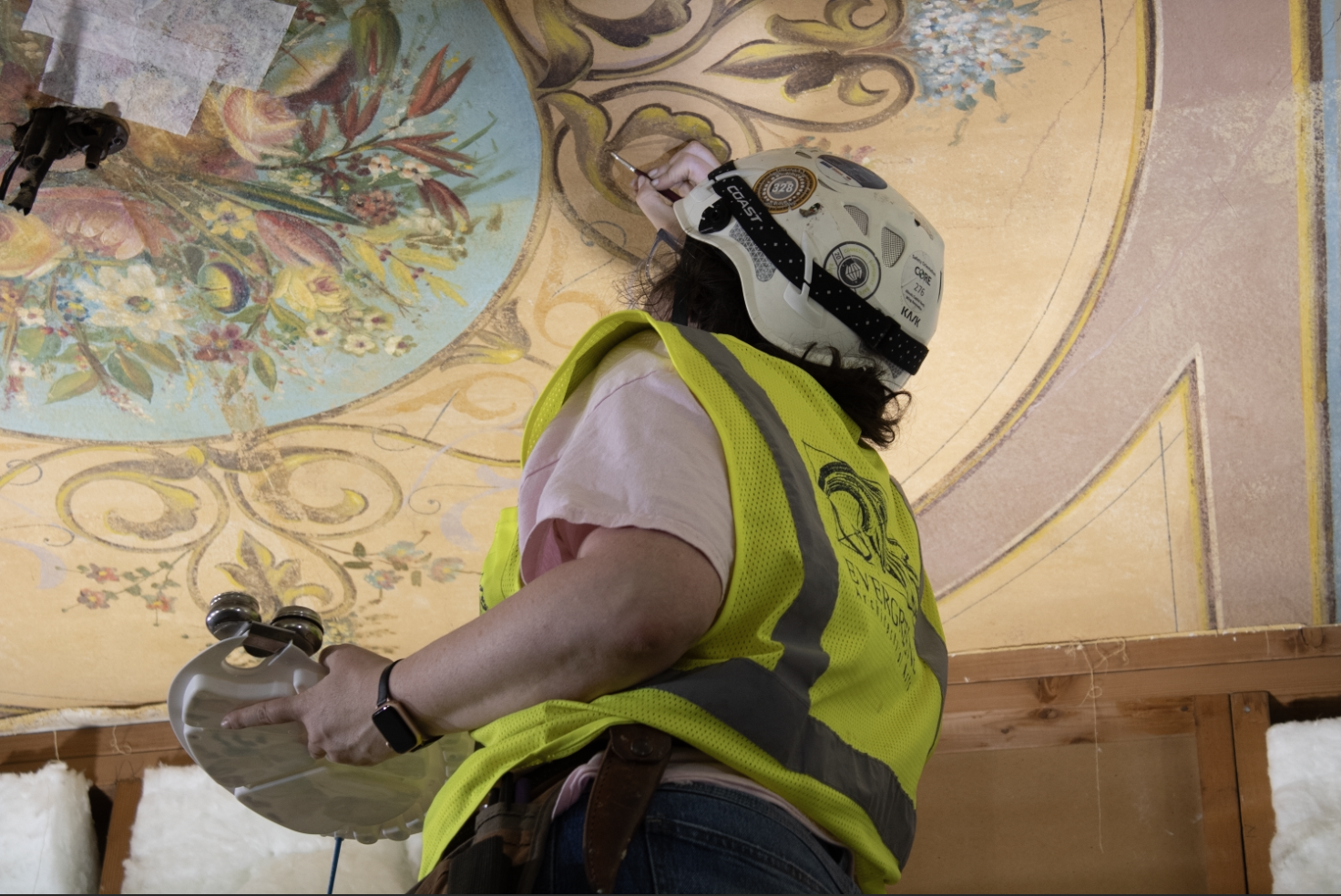
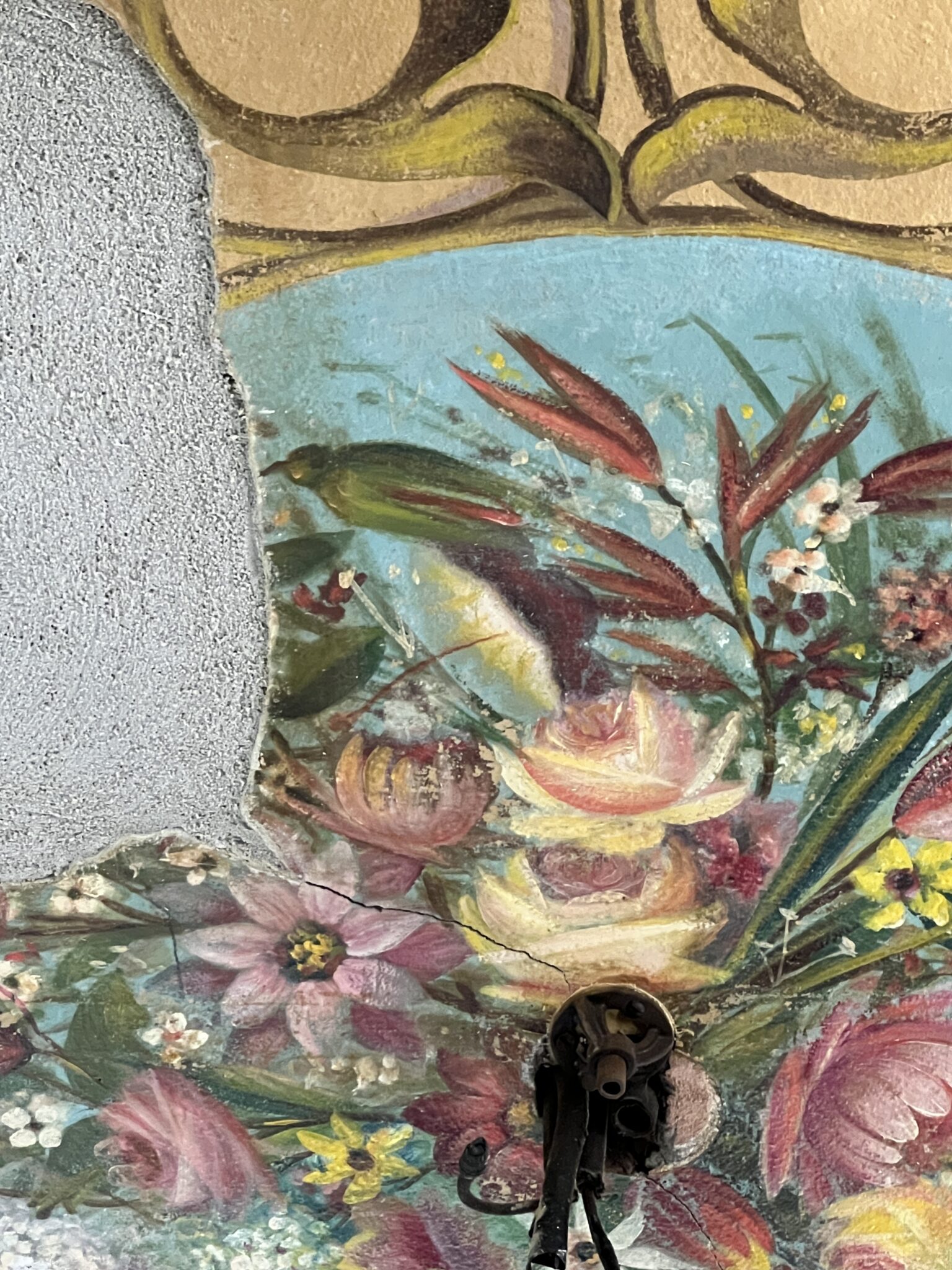
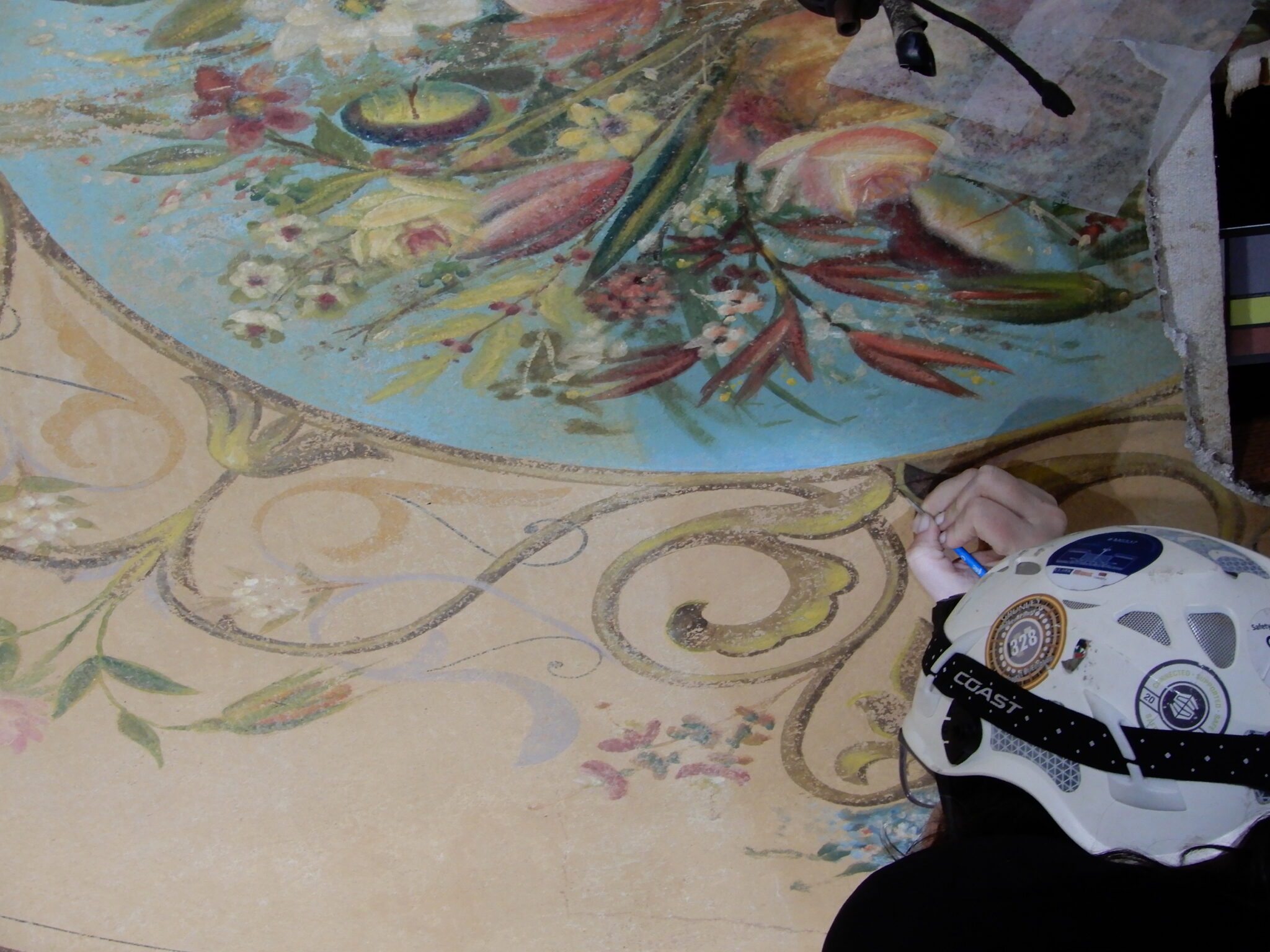
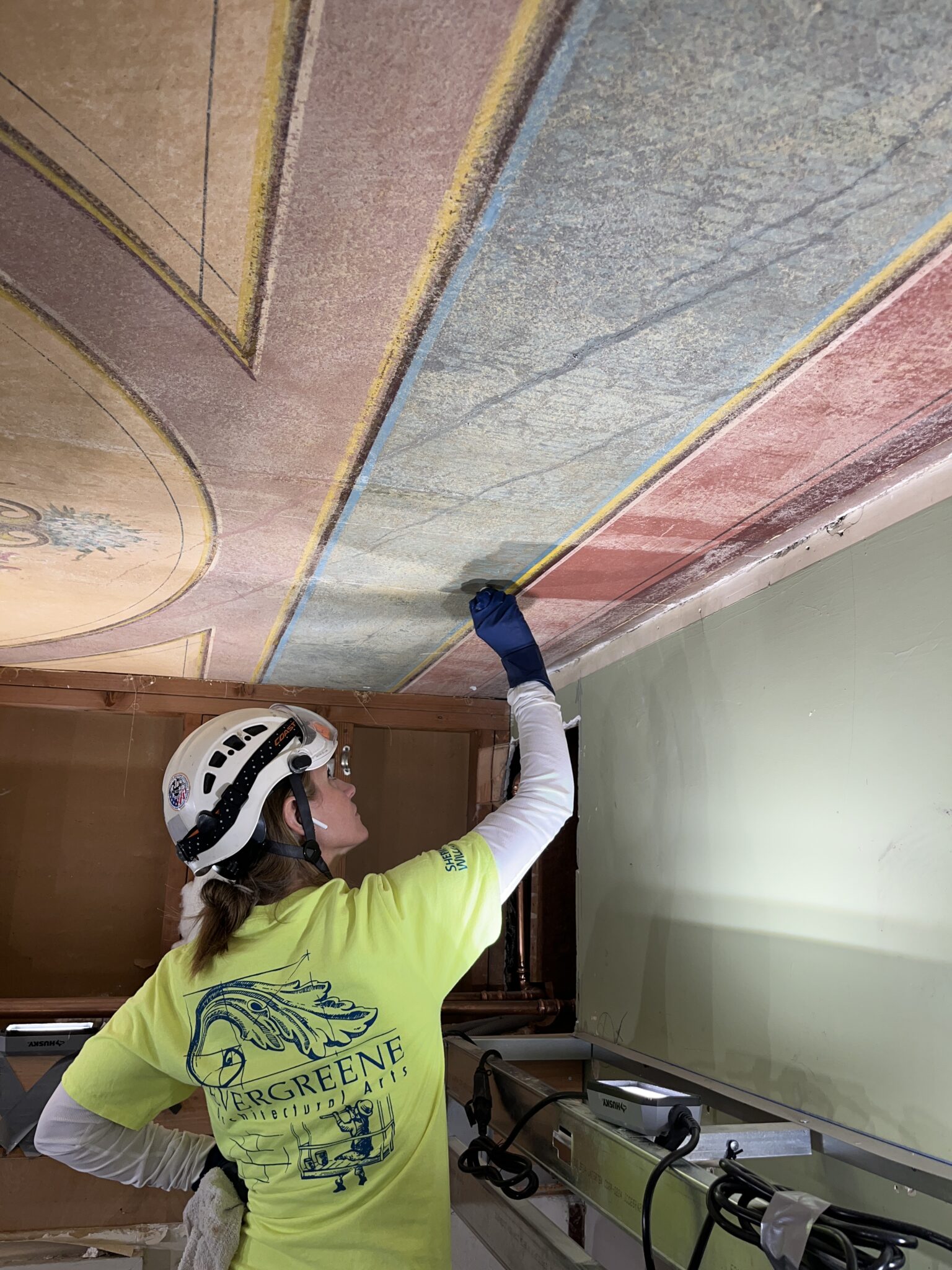
Conservation work focused on wood lath stabilization, plaster consolidation, and re-keying of detached plaster using a modified lime grout. The painted mural surface was then carefully cleaned to remove residual canvas adhesive and surface soiling, followed by selective inpainting of small paint losses and recreation of larger design losses to visually reintegrate the composition while preserving the historic authenticity of the surface. All treatments were carried out using reversible, conservation-grade materials in accordance with the Secretary of the Interior’s Standards for the Treatment of Historic Properties and AIC guidelines.