Pan Am Airways Globe
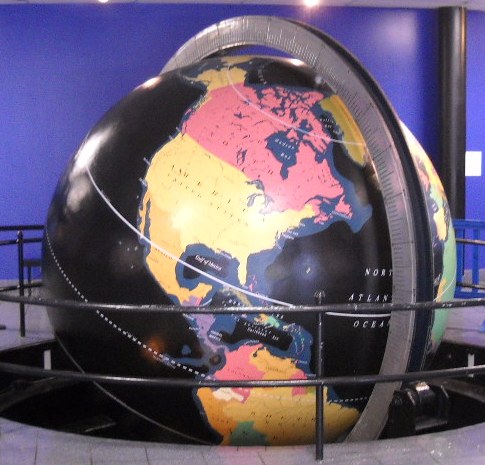
The Pan American Airways (Pan Am) Globe is a monumental spherical model of the Earth, measuring 31 feet, 5 inches in circumference. Created by Rand McNally, the globe was commissioned as the centerpiece of Pan Am’s Art Deco Dinner Key Seaplane Terminal, which opened in 1934 and served as their main hub between North and South America during the 1930s and 40s. In the 1960s the globe was relocated to the Miami Science Museum, where it remained until 2016, when the museum moved to a new facility. To ensure its preservation, Miami Worldcenter Associates subsequently acquired the globe and relocated it to their Miami Worldcenter building, just a few blocks from the former science museum site.
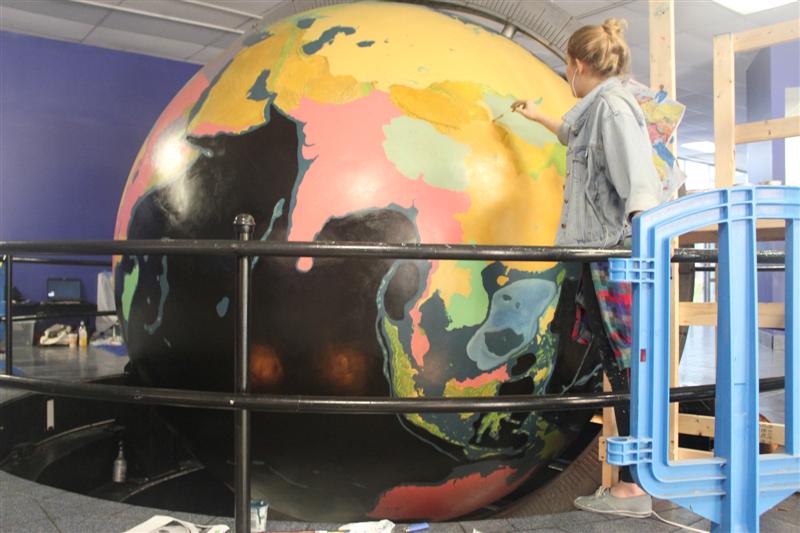
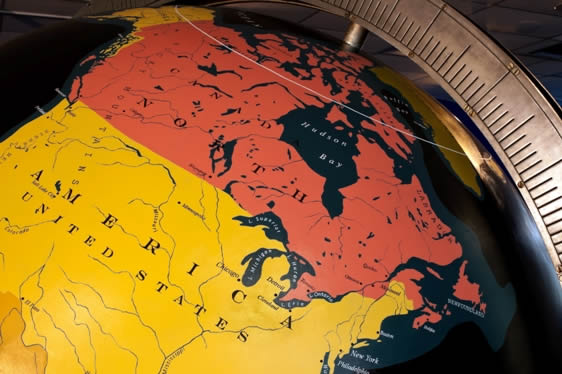
In 2011 and 2012, EverGreene was contracted by the Miami Science Museum to restore the globe. At an unknown point in the past, the globe had been completely overpainted, and the client’s objective was to replicate the original circa 1934 paint scheme.
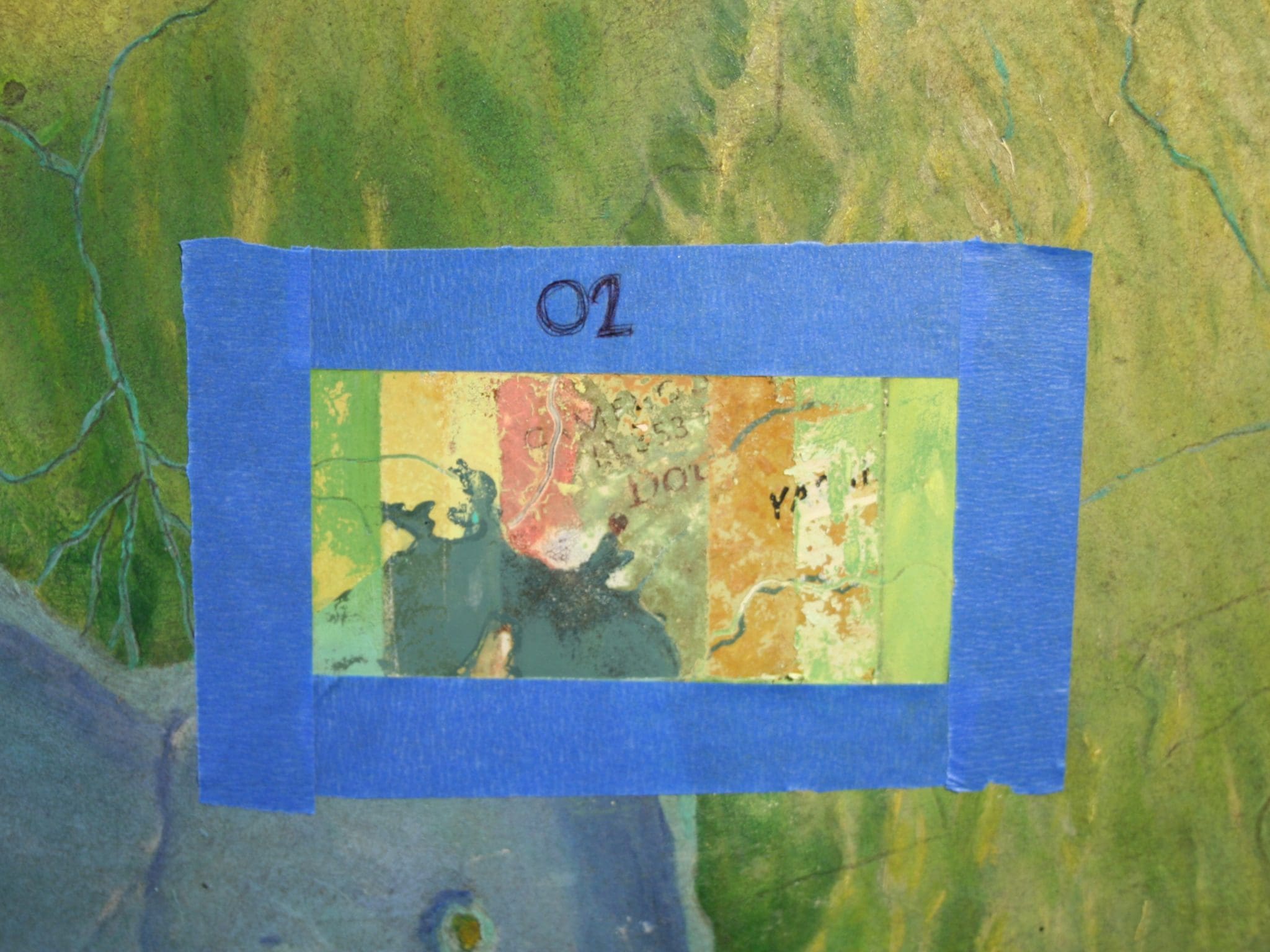
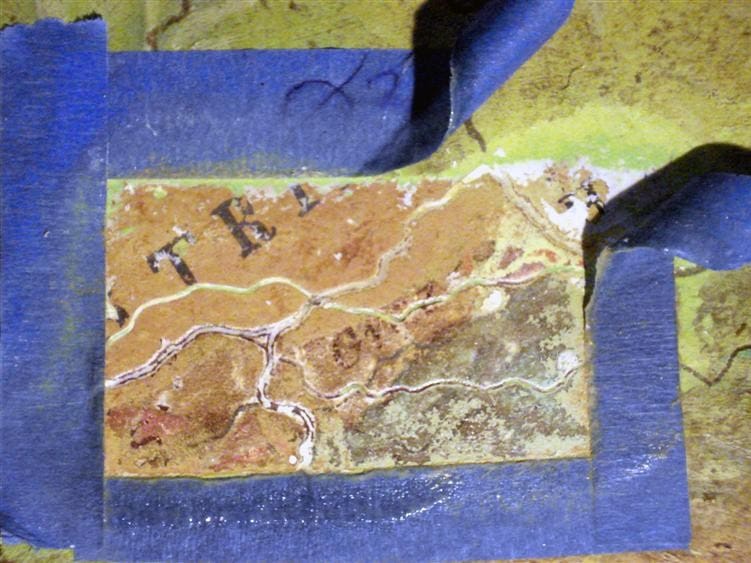
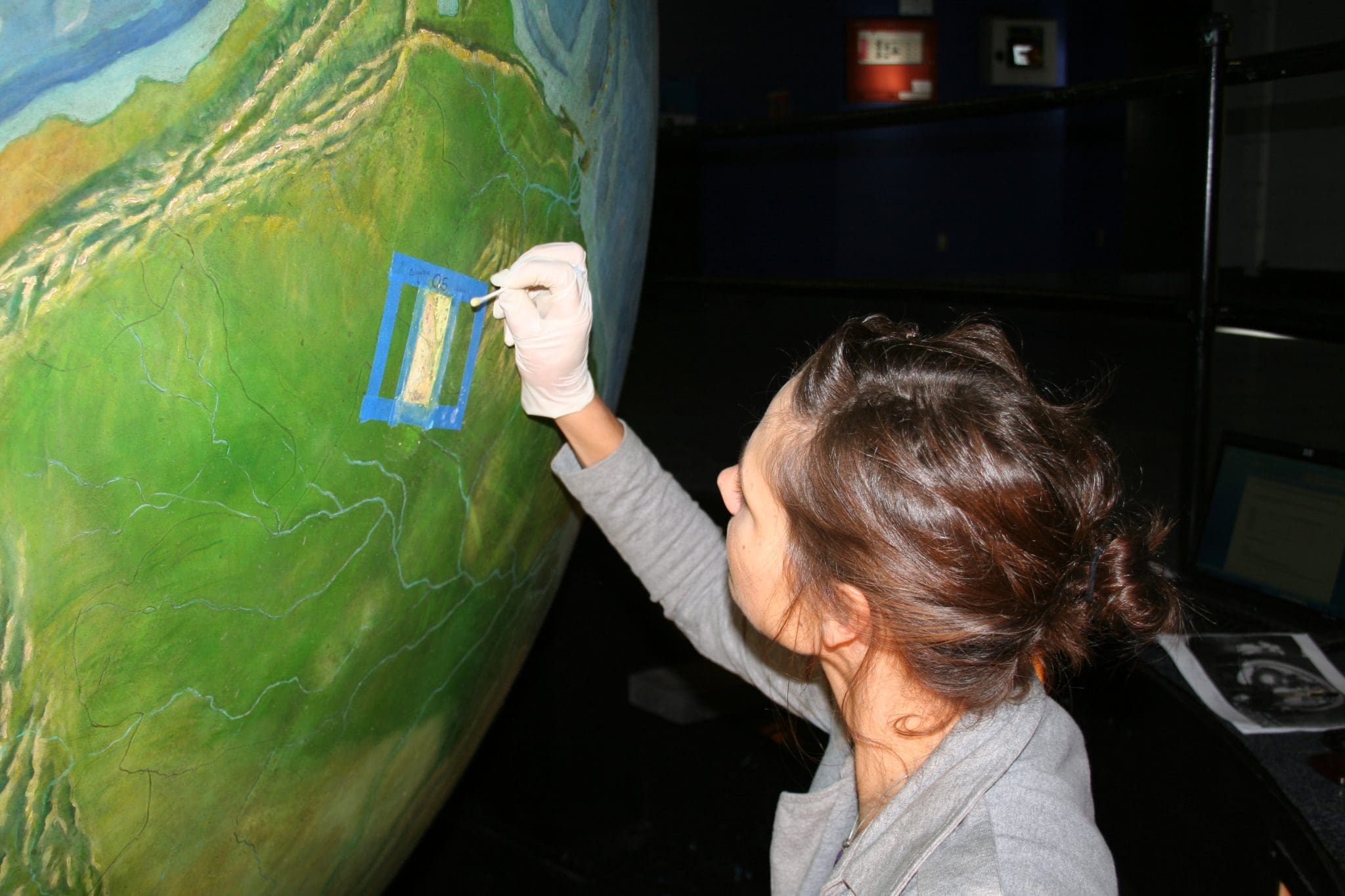
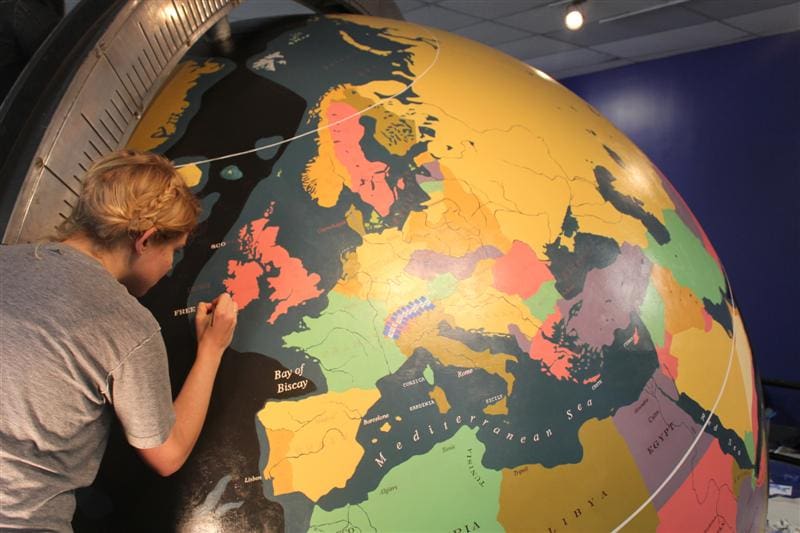
A conditions assessment found the globe to be in good condition, with soiling and accretions, localized areas of corrosion, and mild abrasion being of the biggest concerns. EverGreene performed thorough historic and paint investigations to uncover the original appearance of the globe. A number of historic 1930s photographs helped determine the historic colors of continents and countries, as well as fonts that may have been used. Findings were compared to a 1935 Denoyer-Geppert map from the Library of Congress archives to confirm findings. The photographs were then used to identify potential areas for paint investigations, in which EverGreene stripped back paint campaigns to uncover original schemes. Colors were carefully matched to modern equivalents for replication.
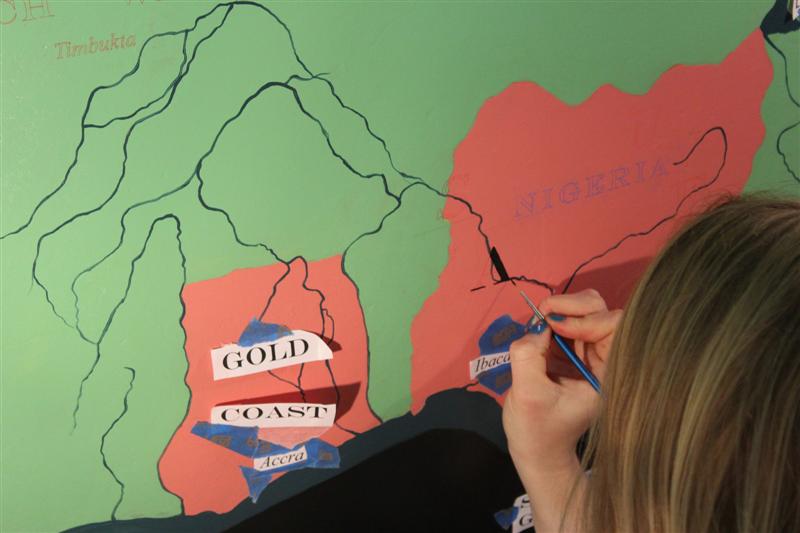
EverGreene was subsequently contracted to carry out the restoration. Prior to painting, the surface of the globe underwent a series of conservation treatments, including cleaning, removal of the existing wax coating, and stabilization of areas affected by corrosion and pitting. Following these treatments, the globe was painted using acrylic latex paints in a semi-gloss finish. The countries, oceans, and continental shelf were painted first, followed by the application of details such as lakes, rivers, and islands. Text was extrapolated from period maps and reflected country names, capital cities, and major geological features as they appeared in the early 1930s. This text was transferred onto the globe using non-wax transfer paper, then carefully traced and hand-painted.
Detailed conservation, paint analysis, and historic research reports were provided to the client along with maintenance recommendations.