Pennsylvania State Capitol
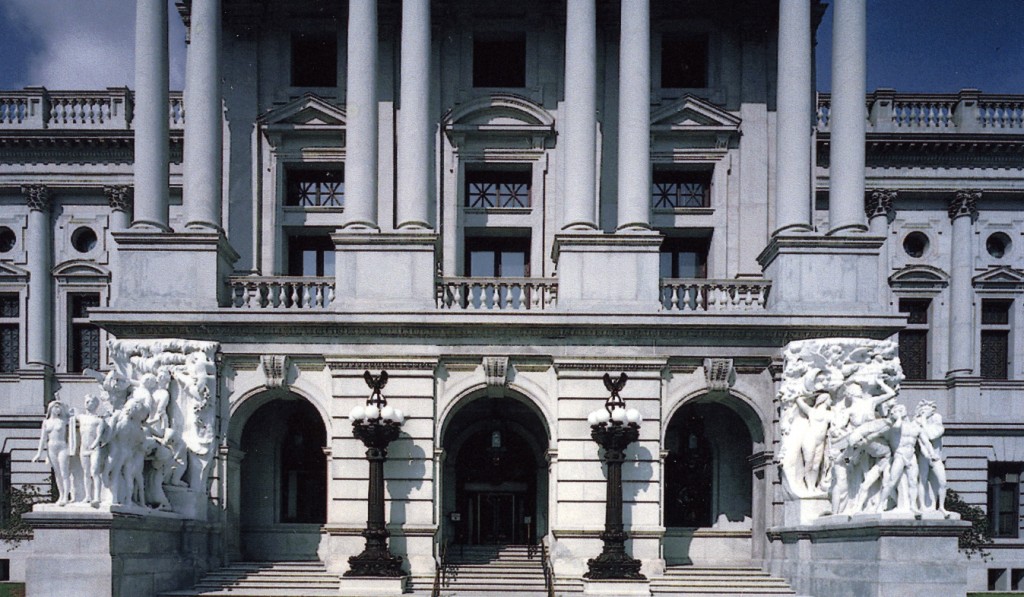
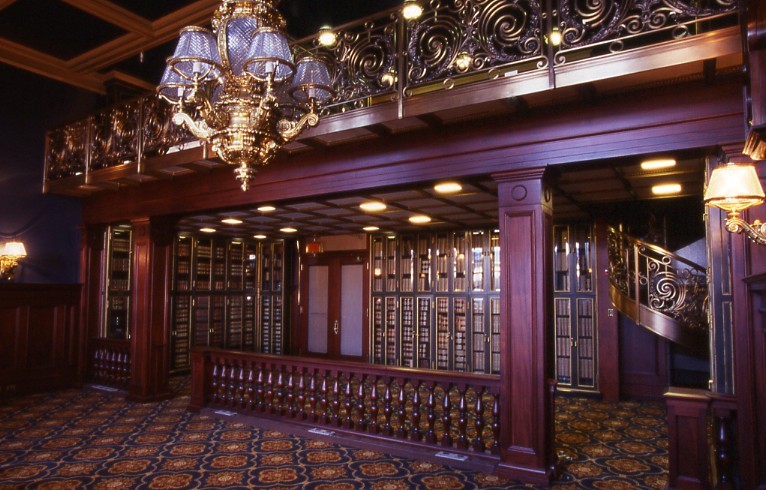
The current Pennsylvania State Capitol is the third capitol building constructed in Harrisburg since the seat of government was moved there in 1812. Designed in the Beaux Arts style by architect Joseph Miller Huston in 1902 and completed in 1906, the building was envisioned by Huston as a “palace of art.” Artwork was executed by prominent artists and artisans of the early-20th century resulting in a property which continues to inspire all who visit. EverGreene has worked with the Pennsylvania Capitol Preservation Committee on a number of occasions, assisting with the conservation of stone, woodwork, and metalwork.
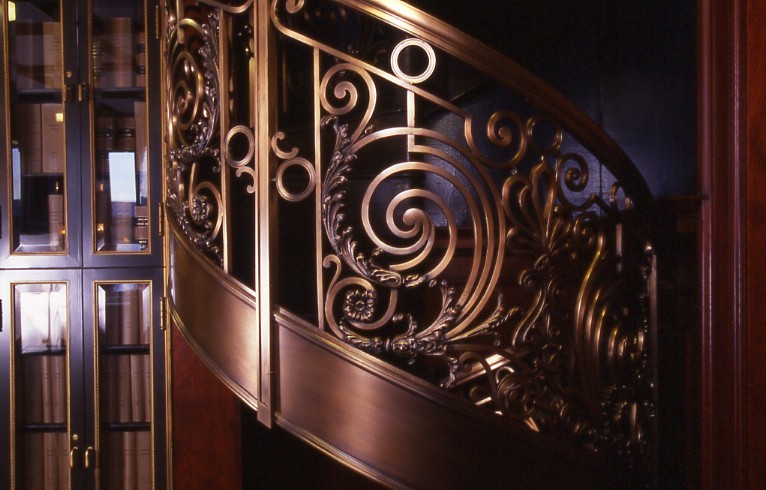
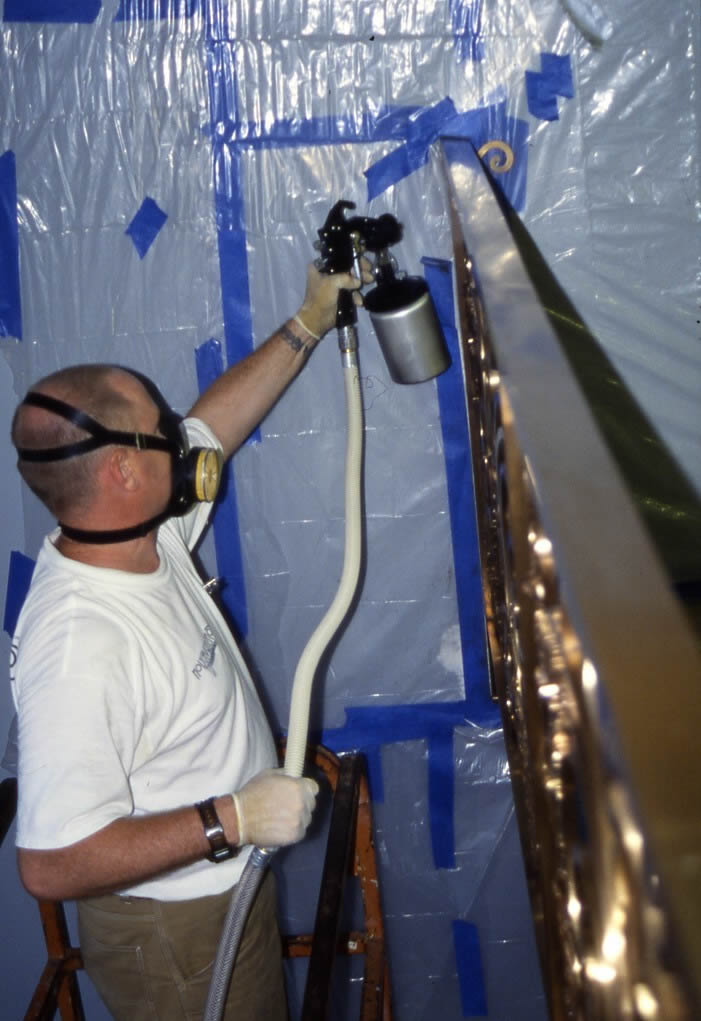
EverGreene was retained by Pennsylvania Capitol Preservation Committee to act as the supervisory conservator for the metal and woodwork, and as the contractor for the metalwork conservation. Woodwork included a number of dutchman repairs and restoring the original color of the 1939-period mahogany swinging gates. Metalwork conservation included cold patination and burnishing techniques based upon remnants of the original surface finish which were found intact.
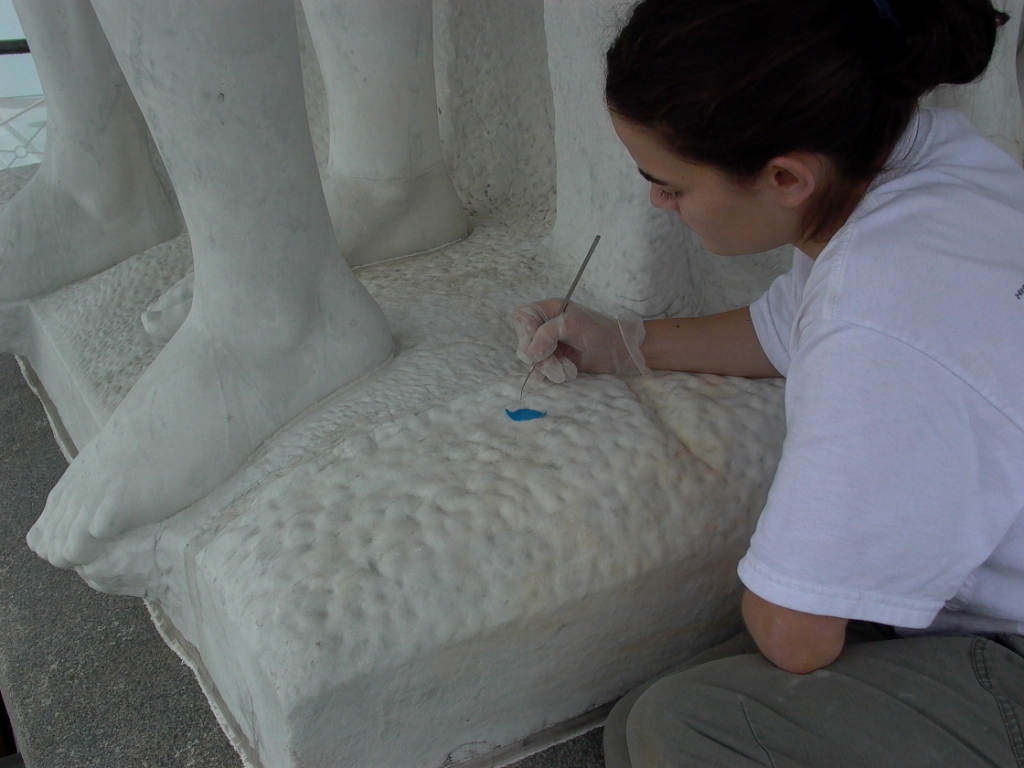
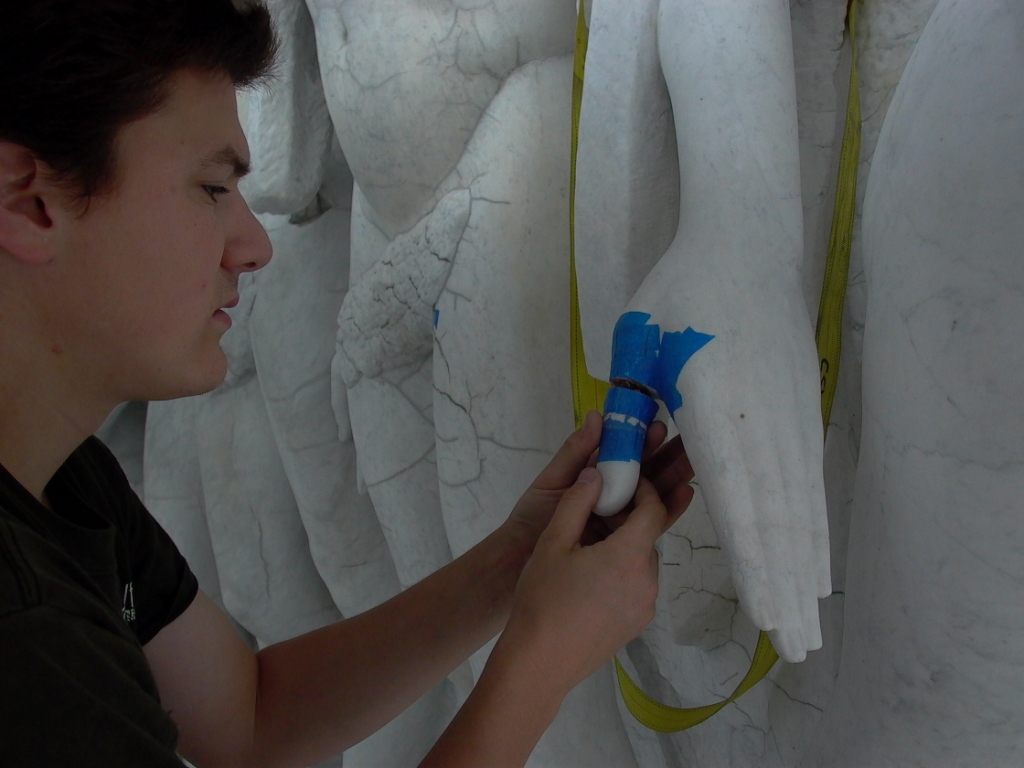
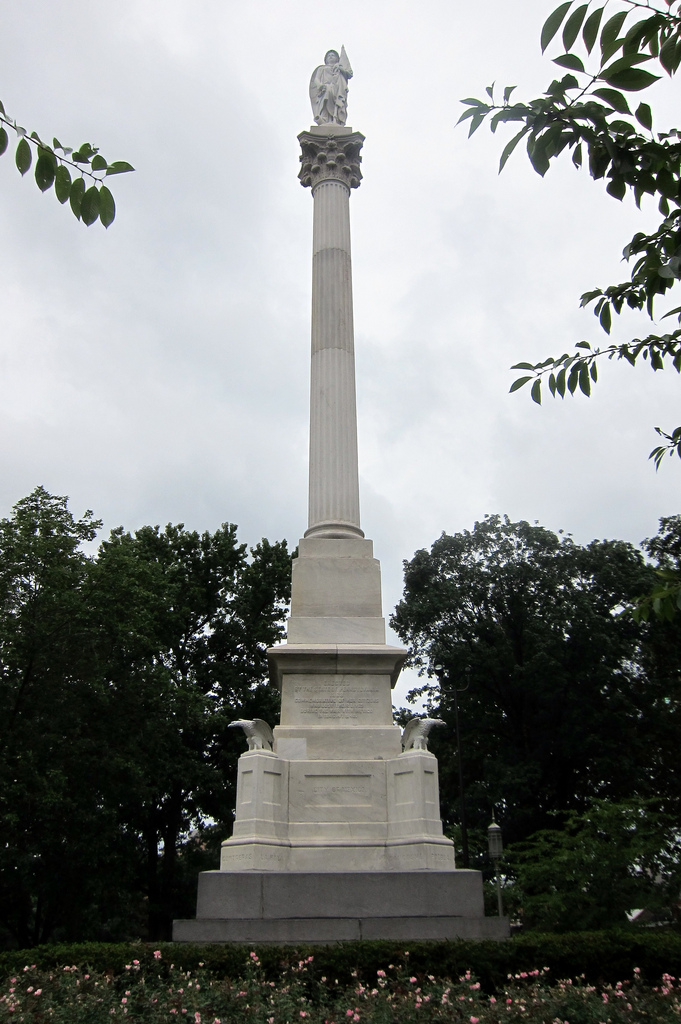
Additionally, EverGreene perform conservation treatments on the Mexican War Monument and the two George Grey Bernard Statuary groups. EverGreene was engaged as the supervising conservator for a five-year conservation project aimed at stabilizing ongoing deterioration and extending the lifespan of the statues.
Mexican War Monument
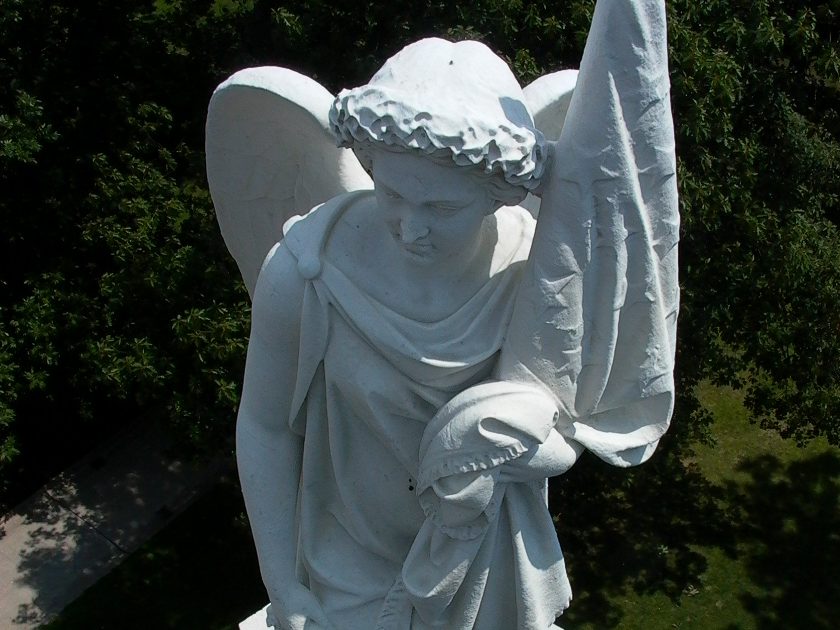
In 1858, the Pennsylvania General Assembly passed an act to erect a monument in honor of Pennsylvanians who had fought in the Mexican War (1846-1848). The commission was given to Hamilton Alricks Jr, and was constructed by John McFadden. The statue, installed in 1868, consists of a sculpture of Victory standing on top of a marble column ornamented with four marble eagles all atop a granite base.
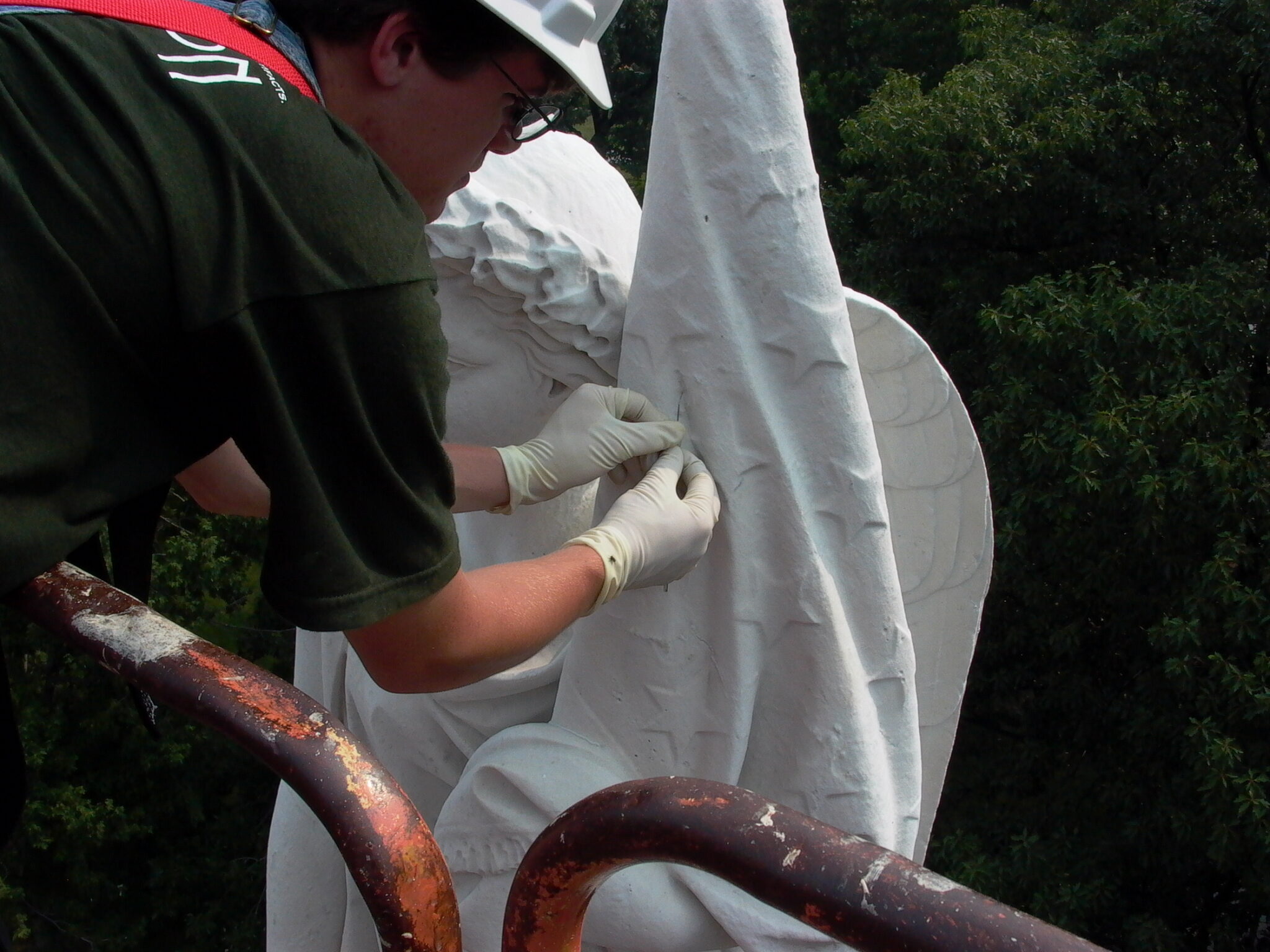
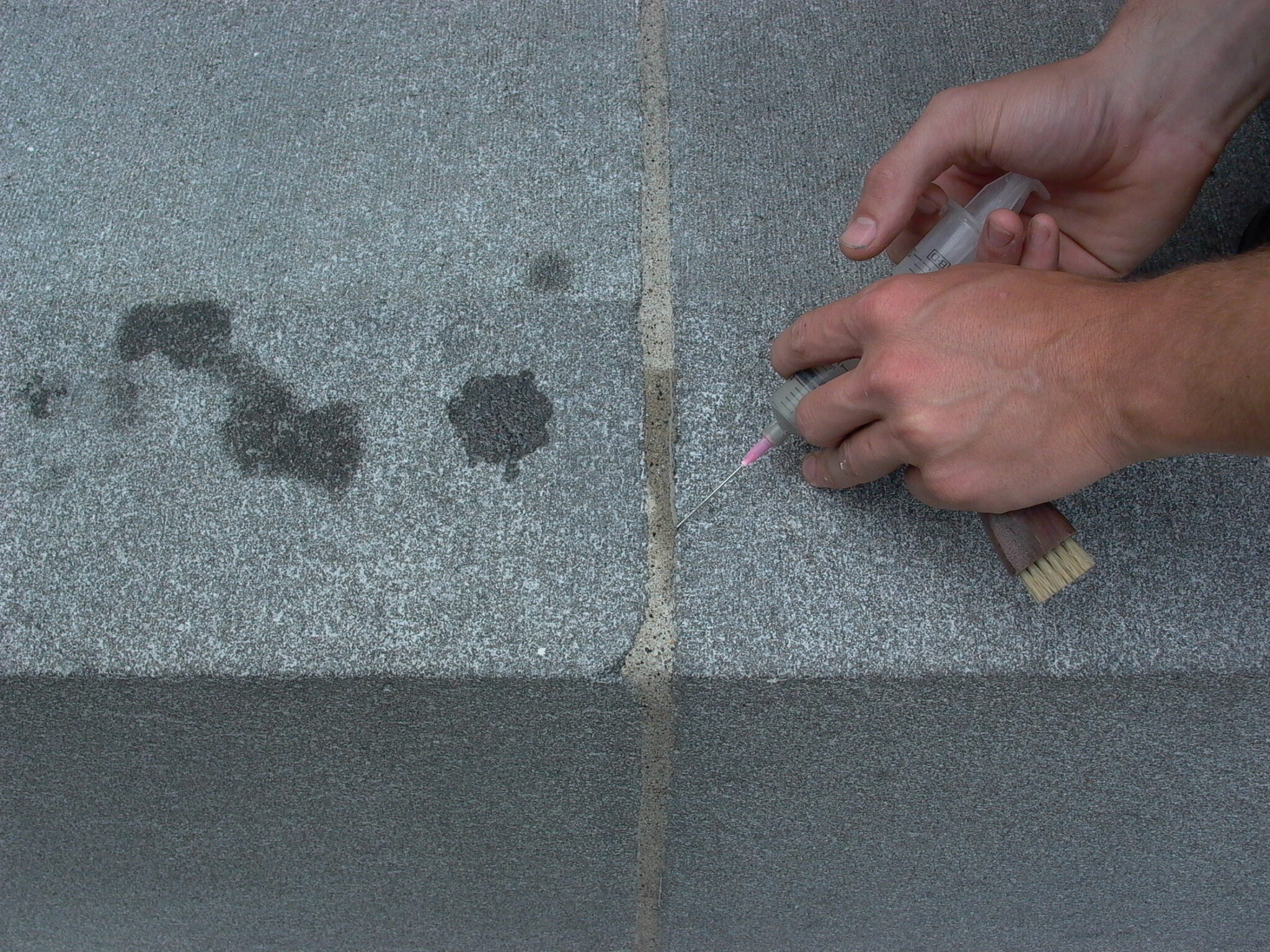
EverGreene performed a variety of conservation procedures to restore the statues over the course of five years. General work included:
- Cleaning of the stone surfaces using an antimicrobial and non-ionic detergent and hot water
- Consolidation to help mitigate and reduce susceptibility to the harmful effects
- Removal and repointing of mortar joints using a custom color-matched mortar
- Removal of and repair of inappropriate patches
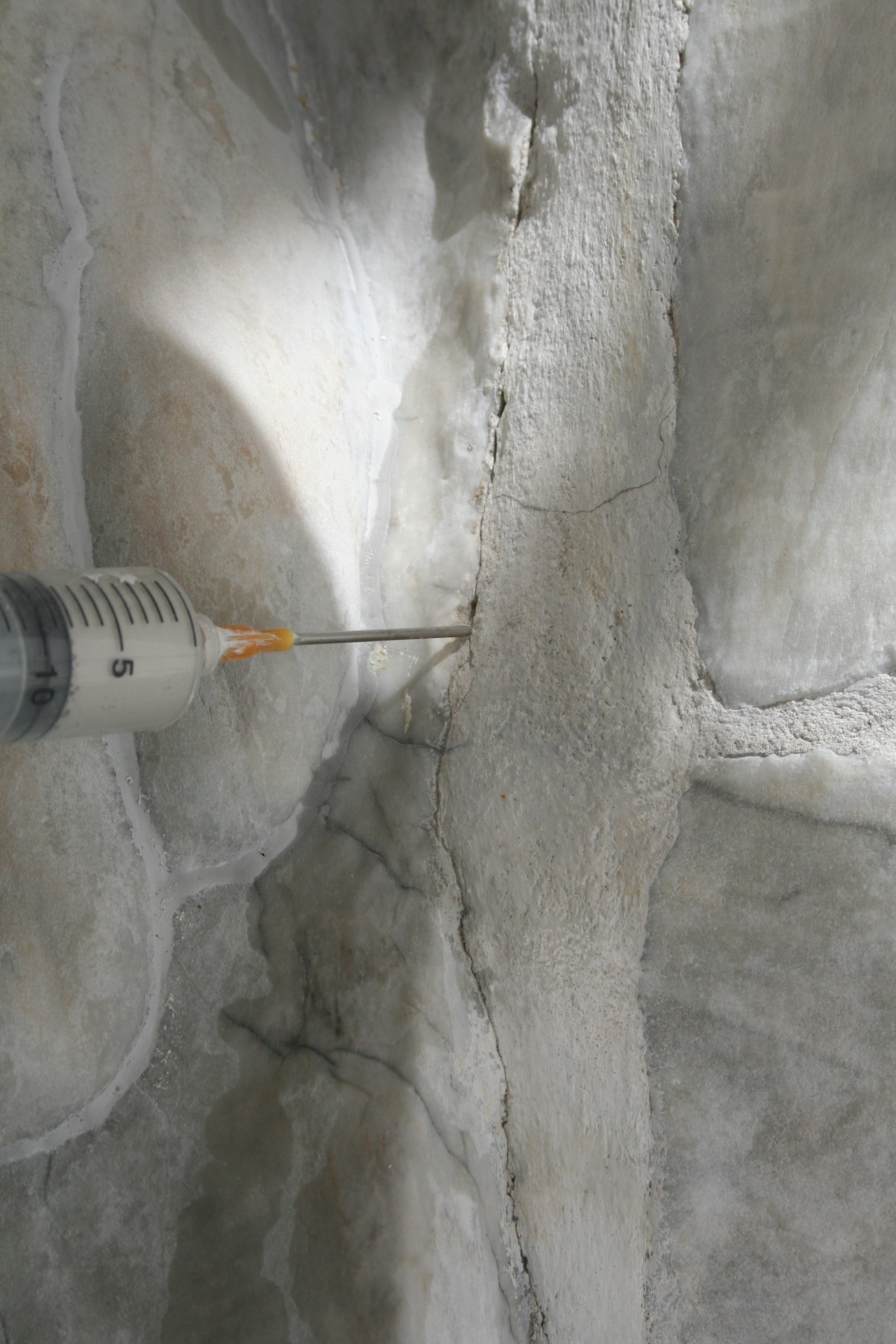
- Injection grout repair to prevent the ingress of water
- Stabilization of existing ferrous panel cramps using anodic protection
- Replication and installation of the three missing eagle heads
- Removal and resetting of three of the four granite steps
- Removal of corroded anchors used to attach the steps and replacement with stainless steel
George Grey Bernard Statuary Groups
In 1902 American sculptor George Grey Barnard was commissioned to produce two Carrera marble scaled groups to flank the entrance: Love and Labor: The Unbroken Law and Burden of Life: The Broken Law. Installed in 1911, the sculptures have had numerous problems from the beginning, including widespread networks of cracks and fissures. A series of inappropriate and overly aggressive remedial treatments coupled with environmental factors have caused the statues to continue to deteriorate.
EverGreene designed and executed a testing program to evaluate the effectiveness of various repair treatments over time. Work included:
- Investigating previous treatment timeline
- Establishing essential data on the performance of the Carrara marble
- Comparing the effectiveness of various consolidation methods and materials
- Evaluating interactions between proposed conservation materials, the Carrara marble, and materials used in previous treatments
- Implementing proposed conservation treatments
- Designing a monitoring program for ongoing evaluation of treatment effectiveness
At the end of each phase for both the Mexican War Monument and the Bernard Statuary Groups the client was provided a detailed conservation treatment report, including the methods and materials utilized during treatment, complete photo-documentation of treatment procedures, and ongoing maintenance recommendations which were performed during the subsequent years of the contract.