Philip Johnson's Glass House
Join colleagues in historic preservation for a docent-led tour. A rare opportunity to experience the site as a complete composition—architecture, art, and environment in dialogue.
⏰ Saturday, June 13, 1–5pm
📍 New Canaan, CT
🎟️ Discounted tickets for APTNE members
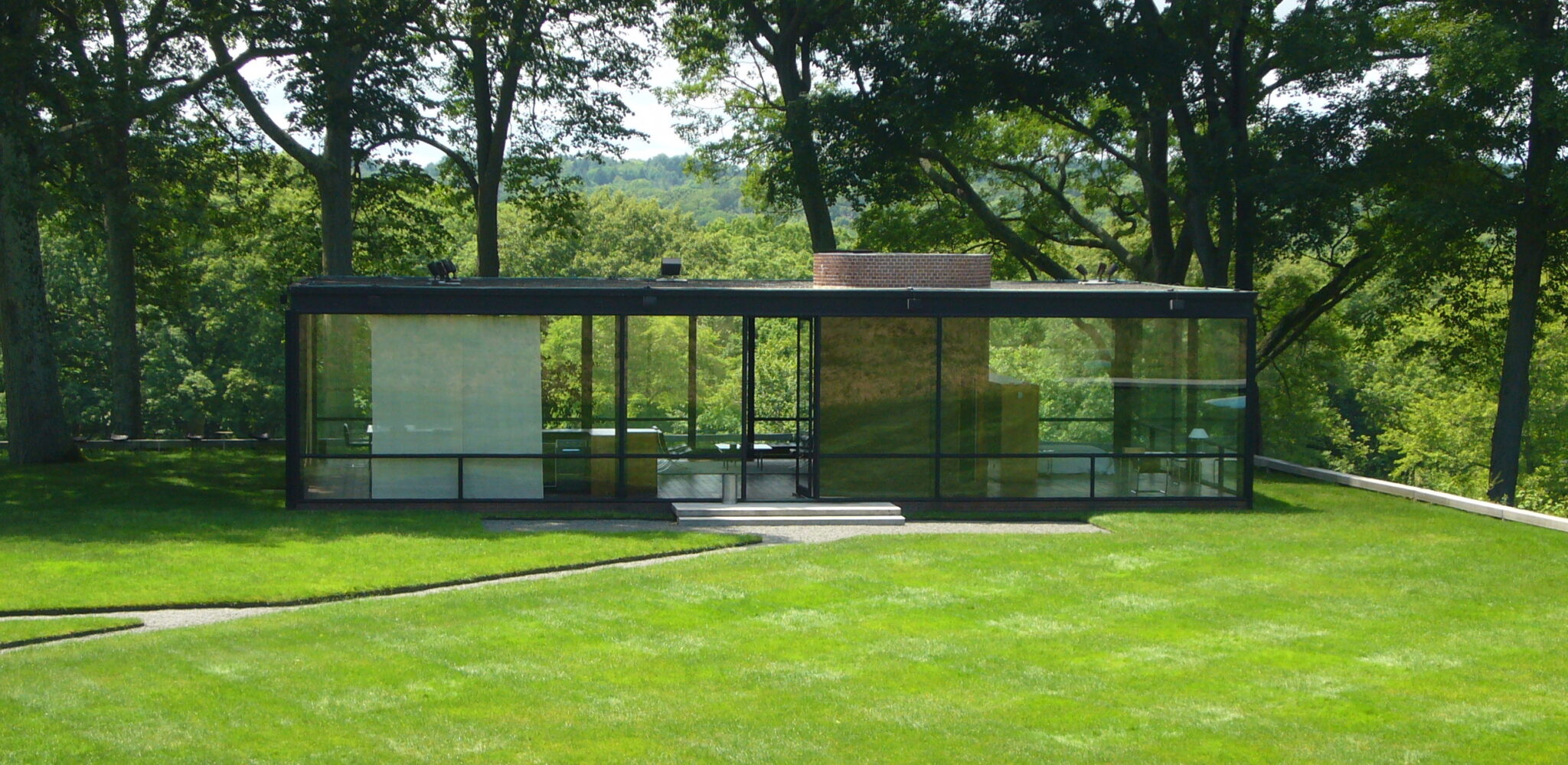
Designed between 1945 and 1948, the Glass House by Philip Johnson is best understood as a pavilion for viewing the surrounding landscape. Invisible from the road, the structure overlooks a pond with wooded vistas beyond. Measuring 55 by 33 feet (1,815 square feet), the house is defined by its transparency: each of the four glass walls is centered by a door that opens directly onto the landscape. Johnson, who lived in the Glass House from 1949 until his death in 2005, conceived of it as only half of a larger architectural composition, completed by the adjacent Brick House—its complementary counterpart in both material and spatial experience.
Widely recognized for ushering the International Style into American residential architecture, the Glass House remains iconic for its innovative materiality and seamless integration with its setting.
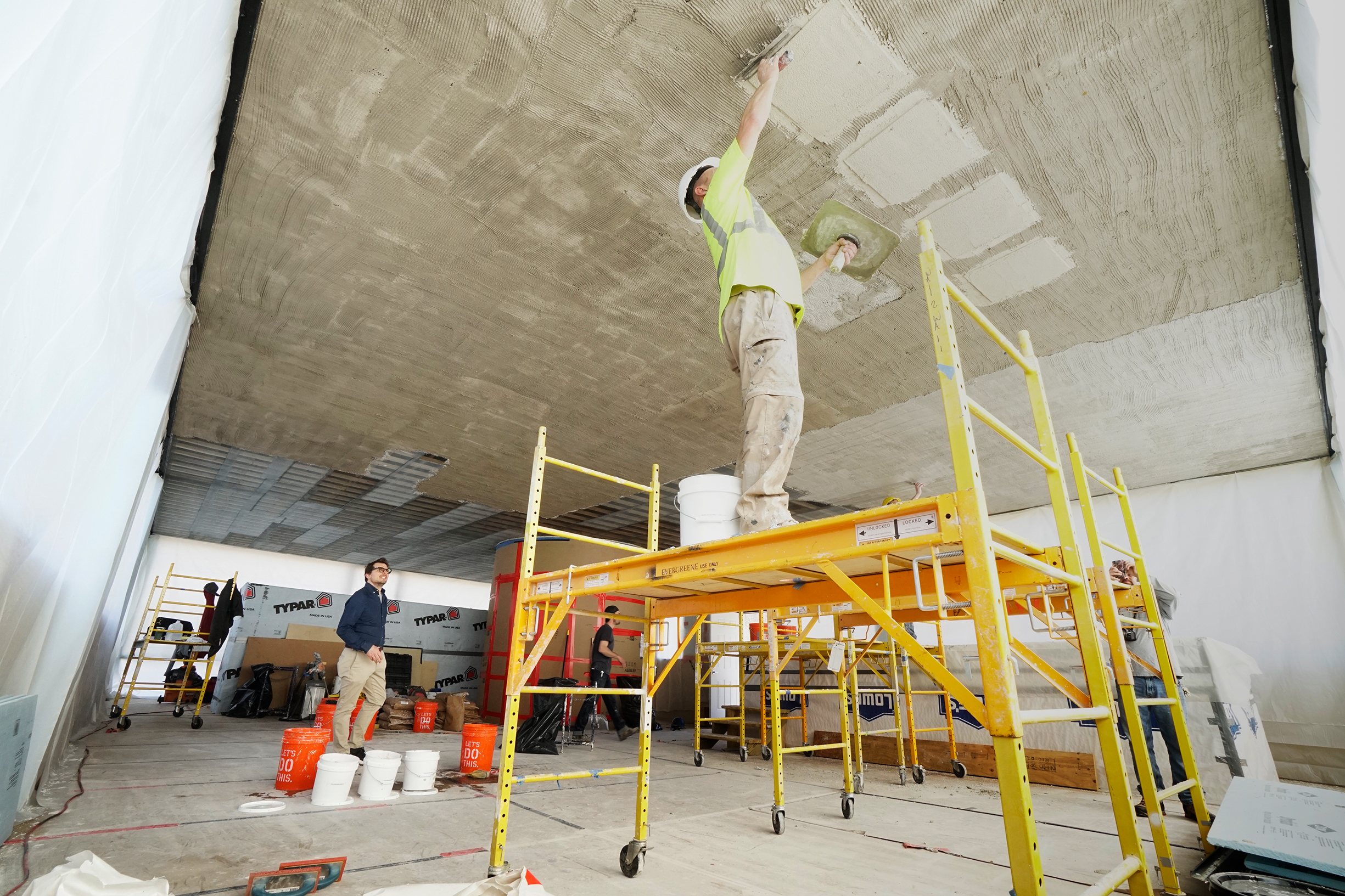
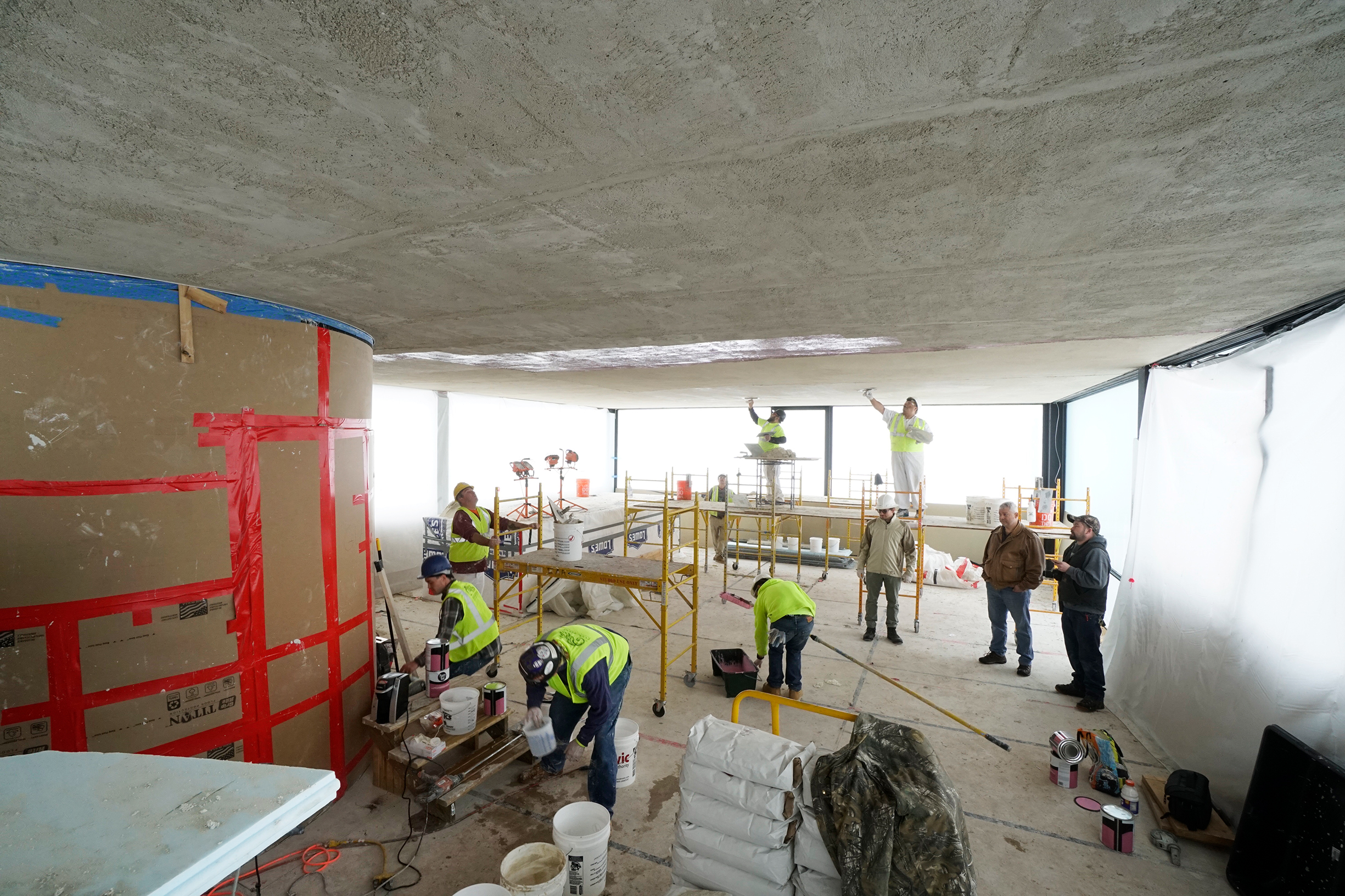
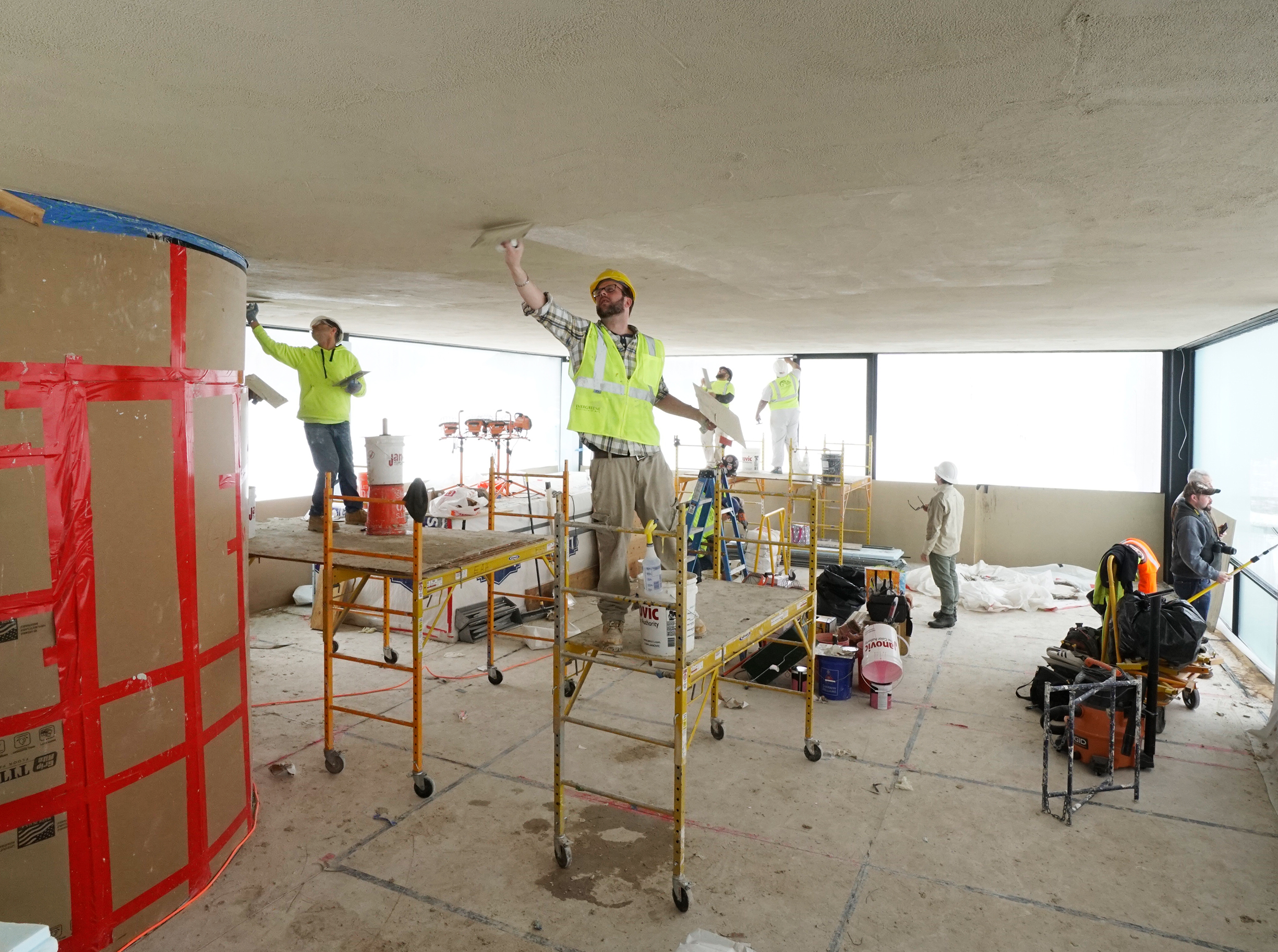
EverGreene was engaged to undertake emergency stabilization of the home’s plaster ceiling, which has since been fully and carefully replaced. Investigation revealed that nearly half of the ceiling system had failed due to inadequate attachment to the roof timbers. The original ceiling consisted of a three-coat plaster system applied over lath, with a self-colored finish coat that incorporated trace amounts of asbestos to achieve a soft, stucco-like appearance. The presence of asbestos necessitated full abatement and replacement.
Compounding the issue, the ceiling had been secured with nails rather than screws, an insufficient method for supporting its weight. Structural failure had progressed to the point that two of the home’s four doors could no longer operate. A final challenge was replicating the subtle visual softness of the original finish—an effect ultimately achieved through the introduction of a specialized rounded ceramic aggregate in the new plaster system.