Sailors' Snug Harbor
Sailors’ Snug Harbor was founded in 1801 following the death of Captain Robert Richard Randall, who directed that his estate be used to create “an asylum, or Marine Hospital to maintain and to support aged, decrepit, and worn-out sailors.” The Trustees of his will petitioned for the hospital to build on a larger property elsewhere, leading to the acquisition of land Staten Island in 1831. They operated on the property until the early 1970s, at which time the site was transferred to the city and transitioned to being a cultural center. It was made NYC Individual Landmark in 1965 and added to the National Register of Historic Places as a National Register District in 1972. It is well known for the row of buildings that faces New York Harbor, which contains one of the finest ensembles of Greek Revival architecture existent.
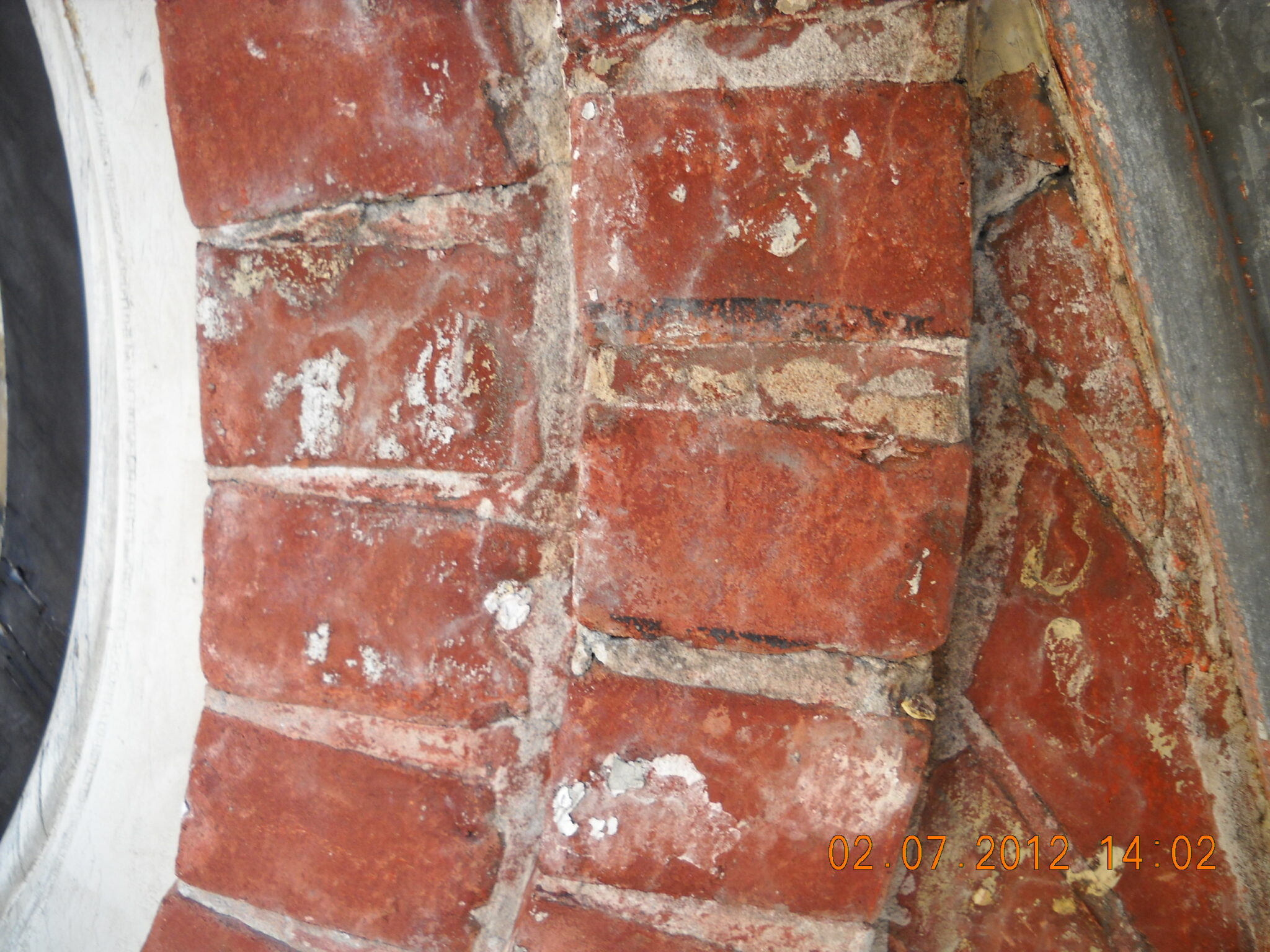
EverGreene was contracted to perform pre-restoration testing and analysis for Building ‘E’ at the east end of the Greek Revival row as part of a larger project to repair and restore the building’s envelope. Work included performing and overseeing cleaning tests on the exterior brick, granite, and marble elements, as well as executing both paint and mortar analyses. The goal of the work was to determine the best means and methods for cleaning and repointing the building, as well as reinstating the original paint scheme where applicable.
EverGreene developed methods of cleaning based on best practice and extensive experience. The intent was not to achieve pristine, as new conditions, but rather to attain a level of cleanliness appropriate for a historic building. Tests were performed in inconspicuous locations which exhibited typical treatable conditions. Each site was observed before, during, and after treatment and was documented photographically. Tests were overseen by EverGreene conservators. The results were analyzed and a set of recommendations for treatment were produced, which were used during the treatment phase.
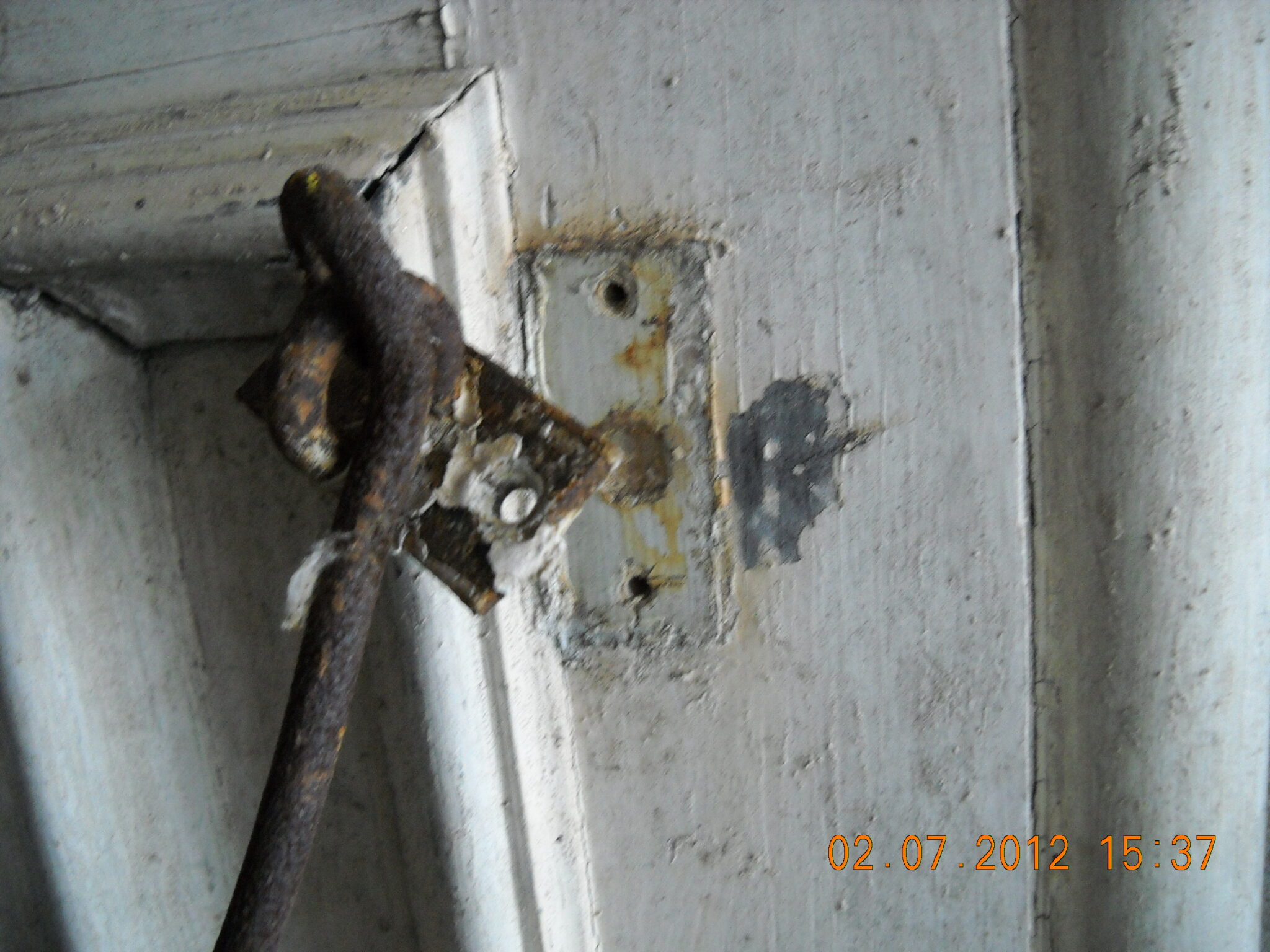
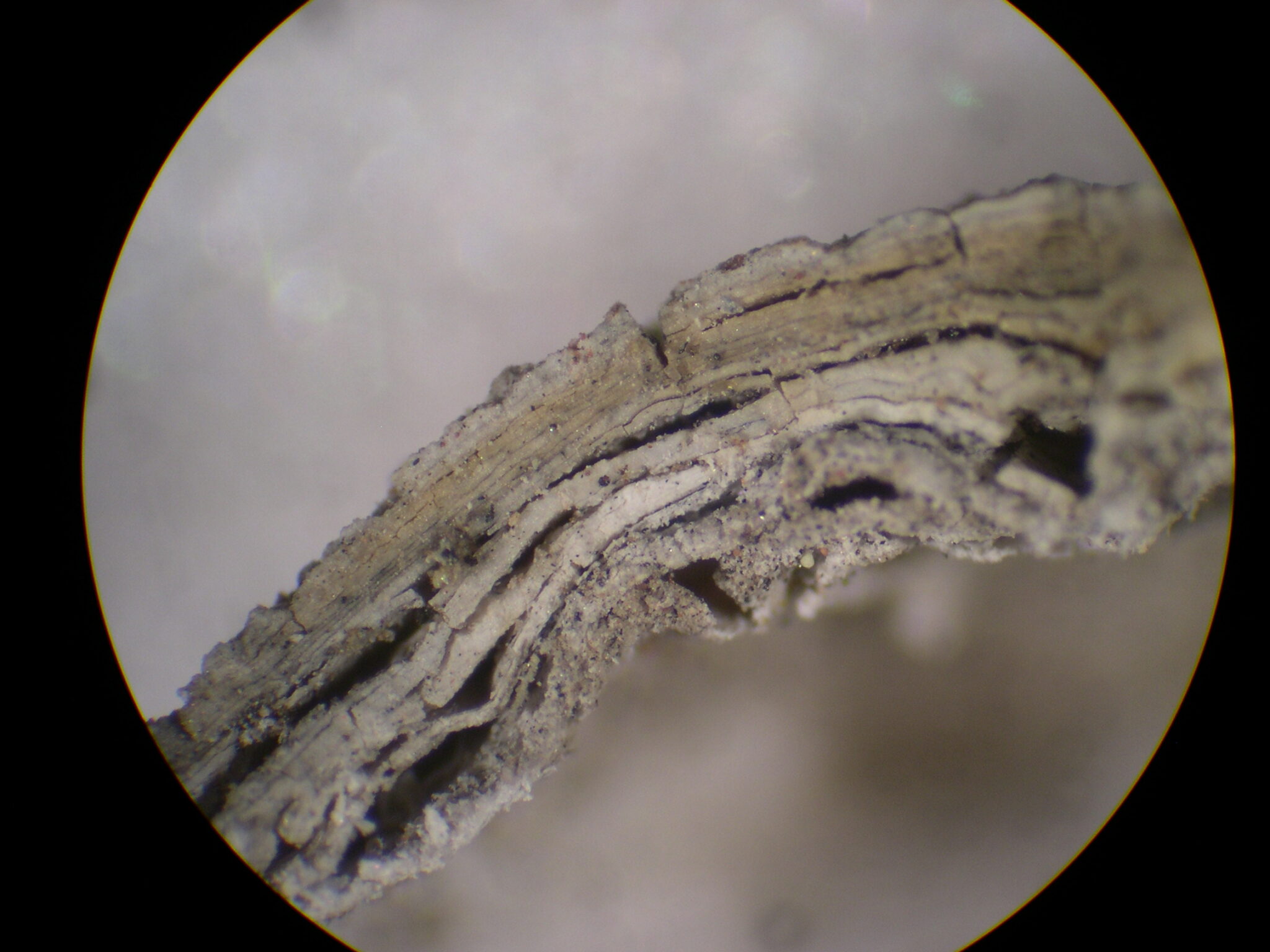
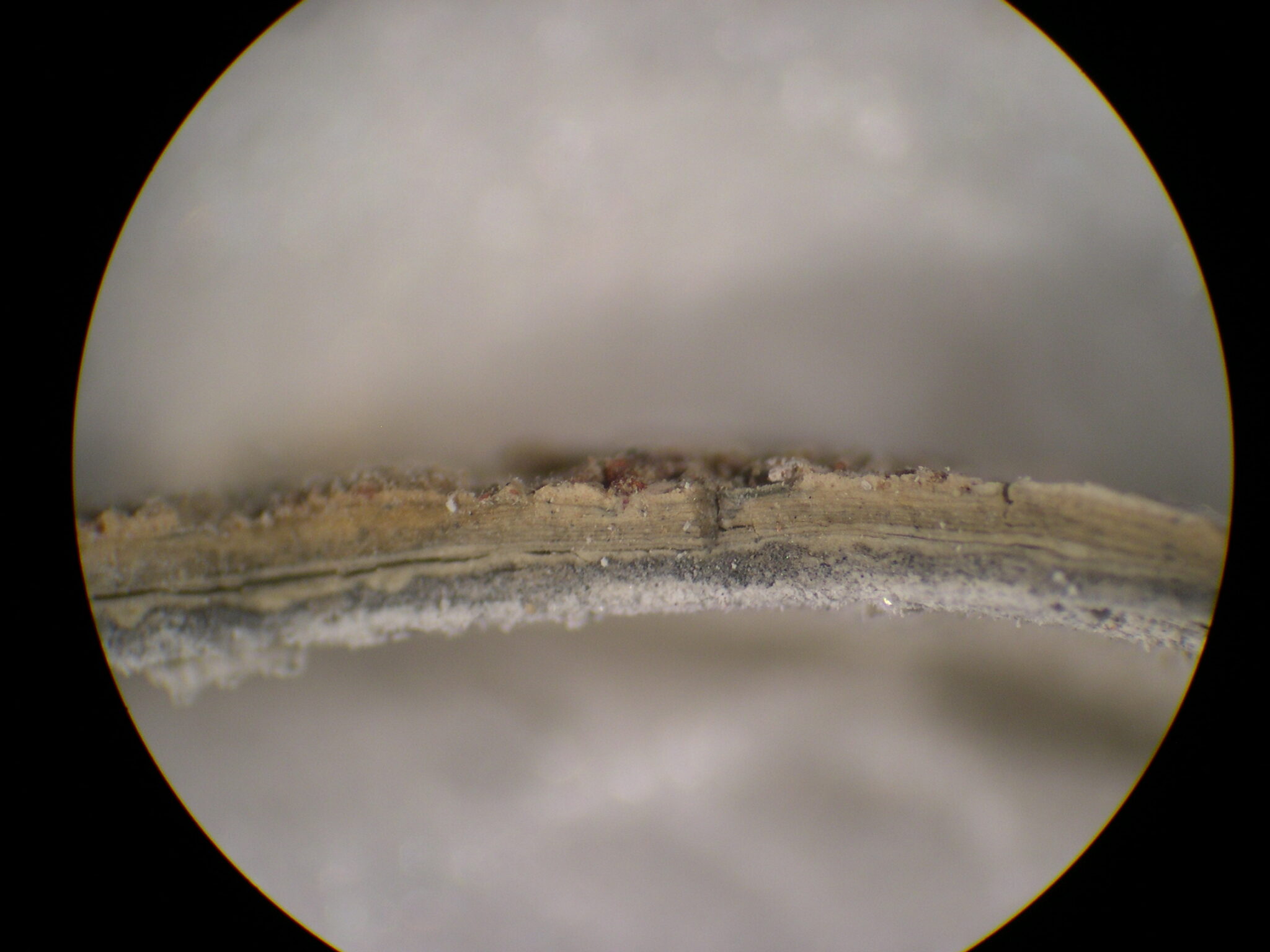
Paint samples were removed from the exterior brickwork, wooden moldings and windows, and metal cornice. The samples were mounted and studied under low magnification in the lab to determine the original scheme; analysis confirmed the scheme included neutral whites, yellow-whites, and beiges. The colors were matched to modern paint lines so that the building could be restored to its original color scheme.
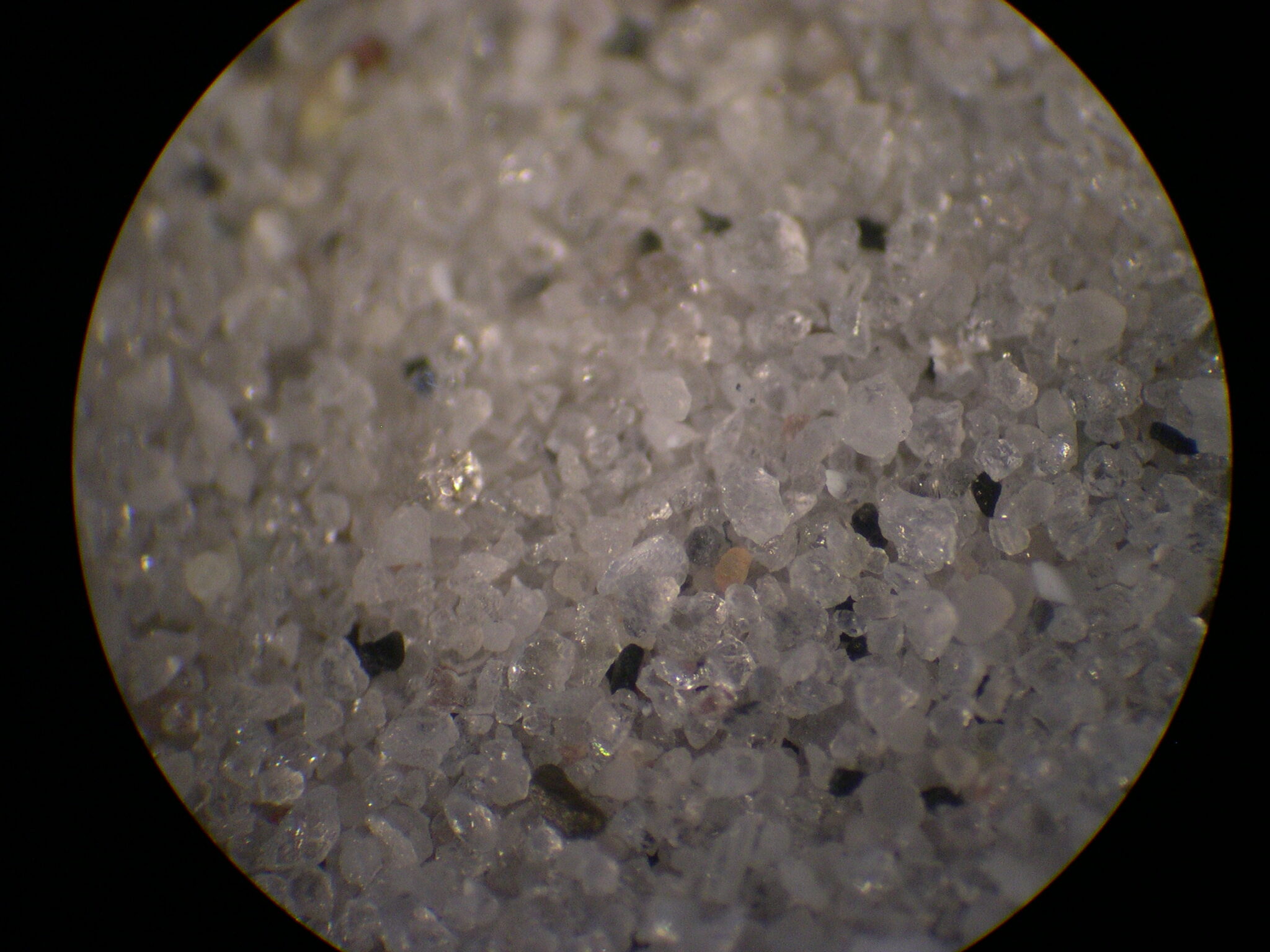
Mortar samples were taken from around the exterior brick, granite, and marble, and were analyzed according to standard wet-chemical techniques. The resulting aggregate was examined and the overall color, shape, and grading of the sand noted. Recommendations for appropriate and compatible mortar were provided based upon the analysis.