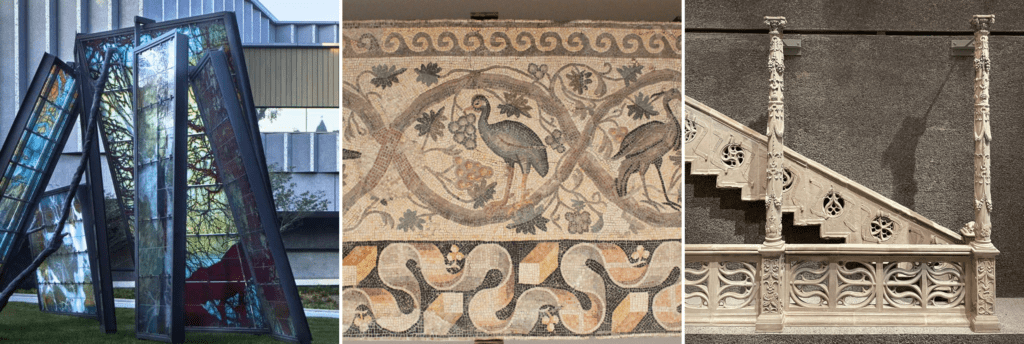
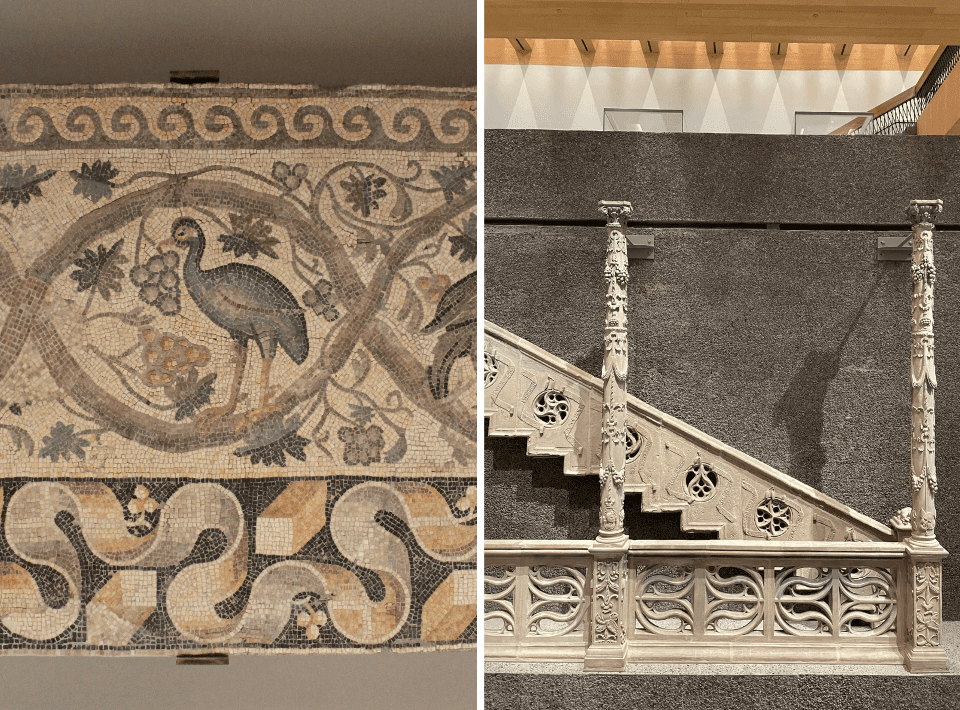
The Princeton University Art Museum (PUAM) has emerged transformed following a multi-year reconstruction and expansion that significantly increased its capacity to showcase a world-class collection. This ambitious project demanded meticulous planning to ensure historic artworks and architectural elements were safely preserved, expertly treated, and thoughtfully integrated into the reimagined galleries.
EverGreene was engaged to provide specialized conservation expertise in support of this transition. Our team played a critical role in preparing significant historic works for safe removal, conservation, and reinstallation—ensuring that the collection would return in peak condition as the Museum entered its next chapter.
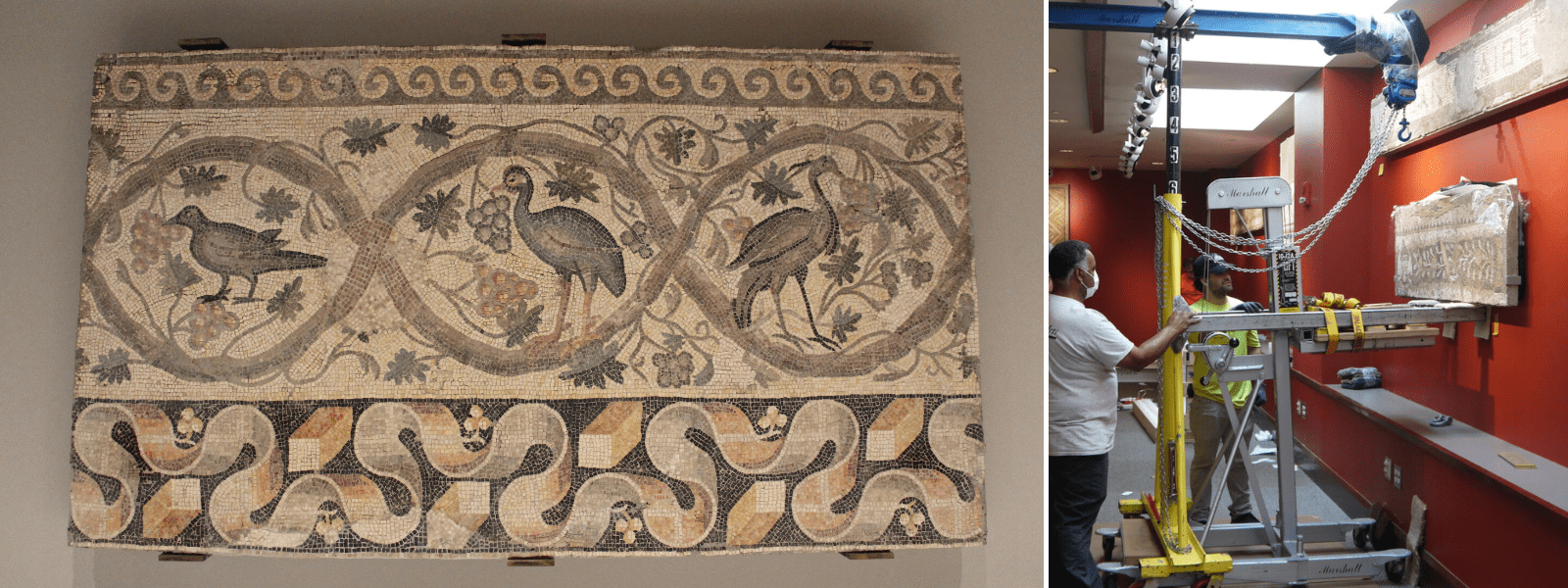
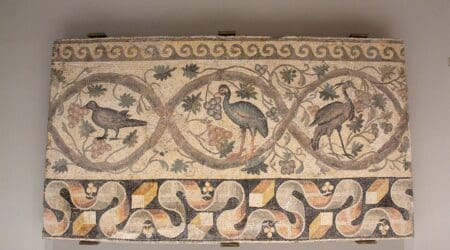
Roman Antioch Mosaics
EverGreene’s conservation team brought specialized expertise to several Roman floor mosaics, dating from the 1st–6th centuries CE. They had been discovered during 1930s excavations at ancient Antioch in present-day Turkey. Recognizing the vulnerability of these intricate works, EverGreene developed comprehensive assessment, removal, storage, and preservation treatment strategies.
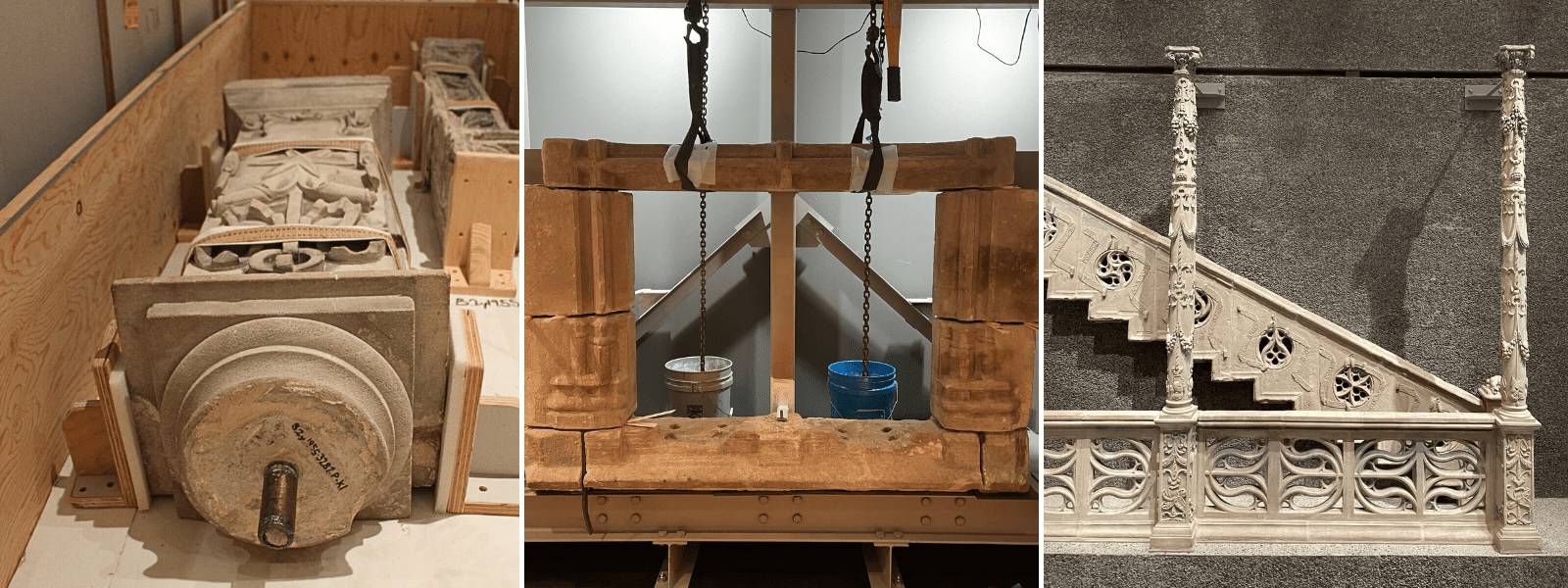
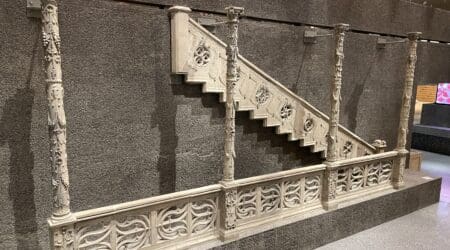
Mallorcan Stairway & Vaucluse Window
A cornerstone of this multi-year project involved the removal, treatment, and reinstallation of two Medieval stone ensembles. The Mallorcan Stairway, comprised components from two homes in Palma de Mallorca, Spain. The Vaucluse Window, a 15th-century architectural element from southern France.
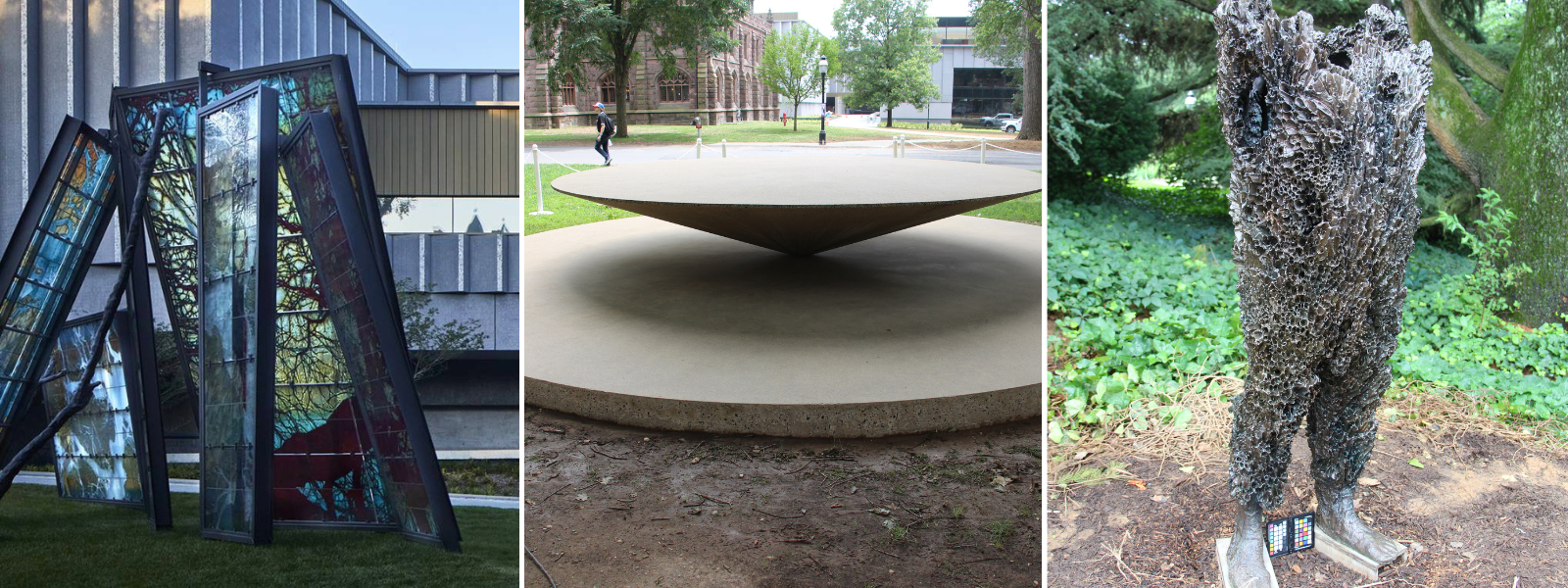
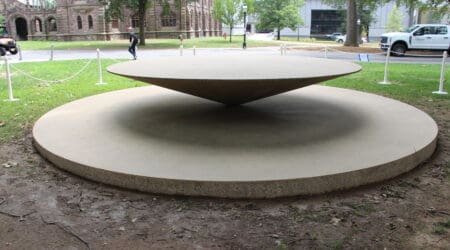
Outdoor Art & Sculpture Conservation
EverGreene further assess the overall condition and establish treatment recommendations of four significant artworks on the museum grounds: Rudolf Hoflehner’s Human Condition, the Starn Brothers’ (Any) Body Oddly Propped, Scott Burton’s Public Table, and Michele Oka Doner’s Titan.