Central Park Egyptian Obelisk
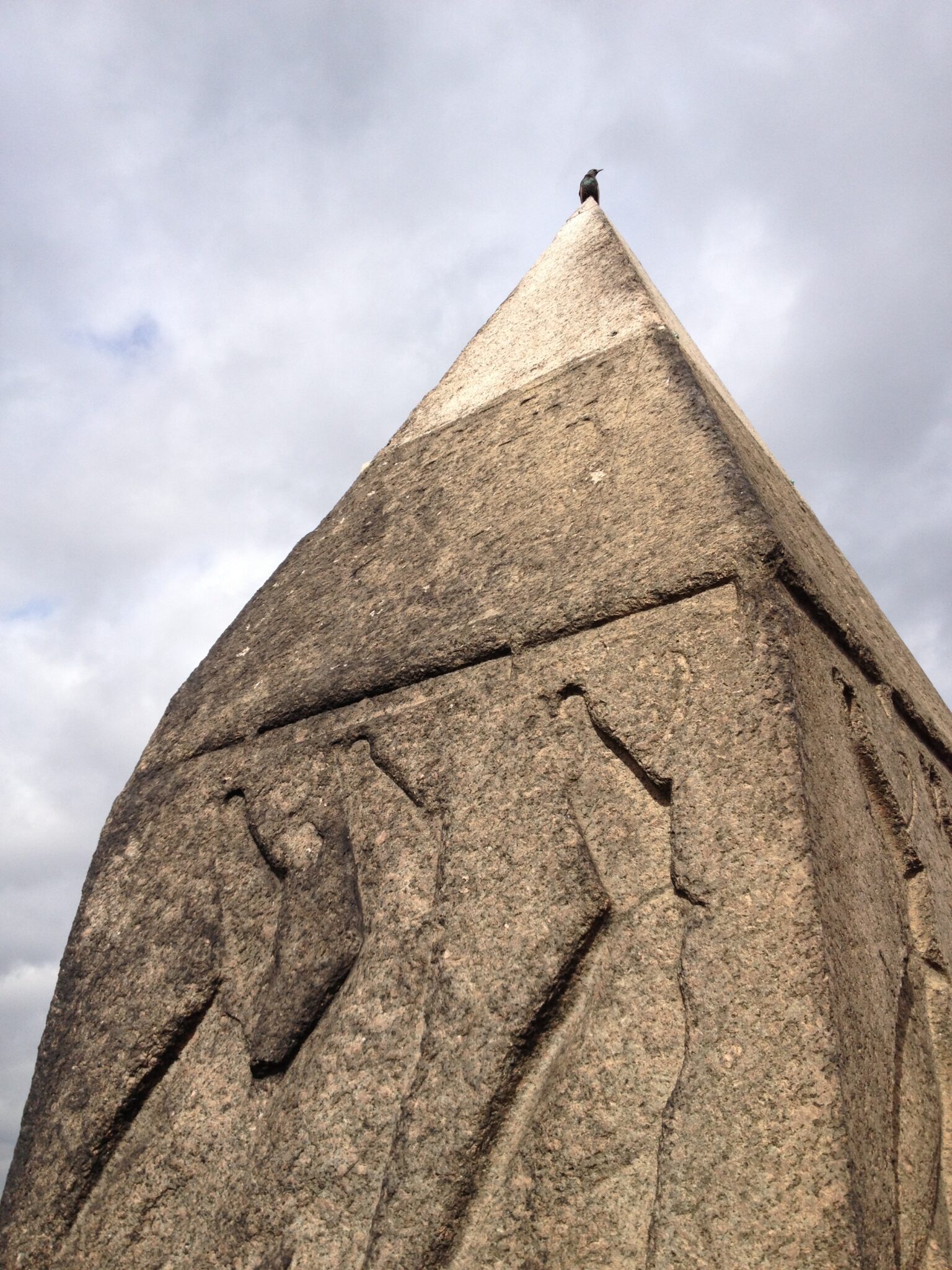
Carved of syene granite in about 1450 BC, the Central Park Obelisk, also known as Cleopatra’s Needle, is the oldest public monument in New York and one of the most important ancient Egyptian artifacts in the United States. The massive monolith, or single piece of stone, was originally commissioned part of a pair by Pharaoh Thutmose III to commemorate his third jubilee. They were extracted from the granite quarries in Aswan and carved on each face with a central row of hieroglyphs praising the pharaoh. They were transported to the city of An (called Heliopolis by the Greeks), and installed on either side of the entrance of the Temple of the Sun. Additional inscriptions were added by subsequent rulers, Pharaoh Ramesses II and Pharaoh Osorkon I.
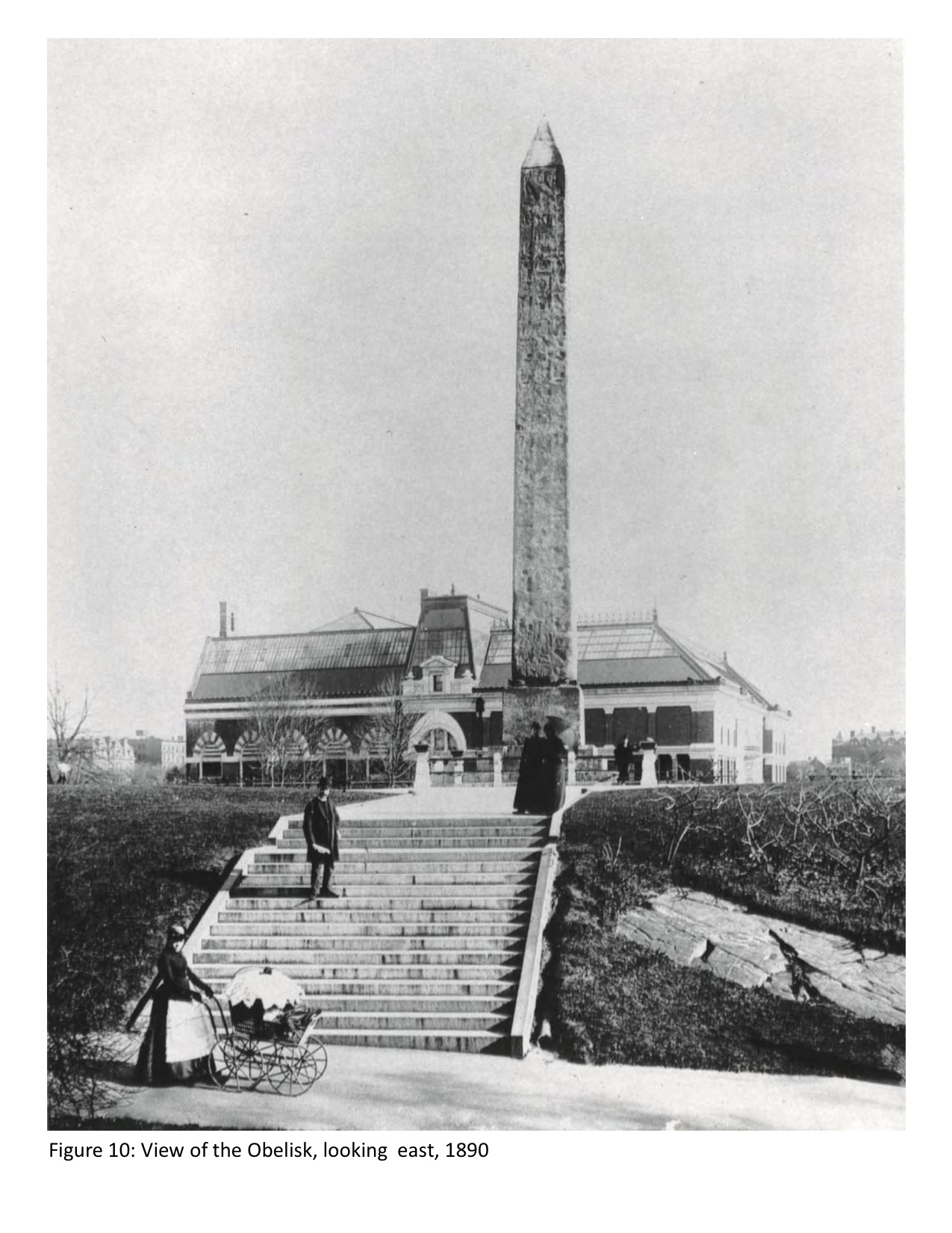
The obelisks were toppled at an unknown date and remained partially buried in sand for hundreds of years. It has also been speculated that they may have been subjected to fire. While various theories exist regarding the circumstances of their toppling, the exact cause remains unknown. As interest in Egyptian antiquities rose during the 19th-century, artifacts were acquired by various nations and gifted by the Egyptian Government to strengthen diplomatic ties. One of the obelisks was offered to England in 1801 as a token of gratitude for their role in expelling Napoleon’s forces from Egypt. The second obelisk was gifted to the United Sates by the Khedive Ismail Pasha to commemorate the opening of the Suez Canal. It was erected on Greywacke Knoll in Central Park, across from the Metropolitan Museum of Art in January 1881.
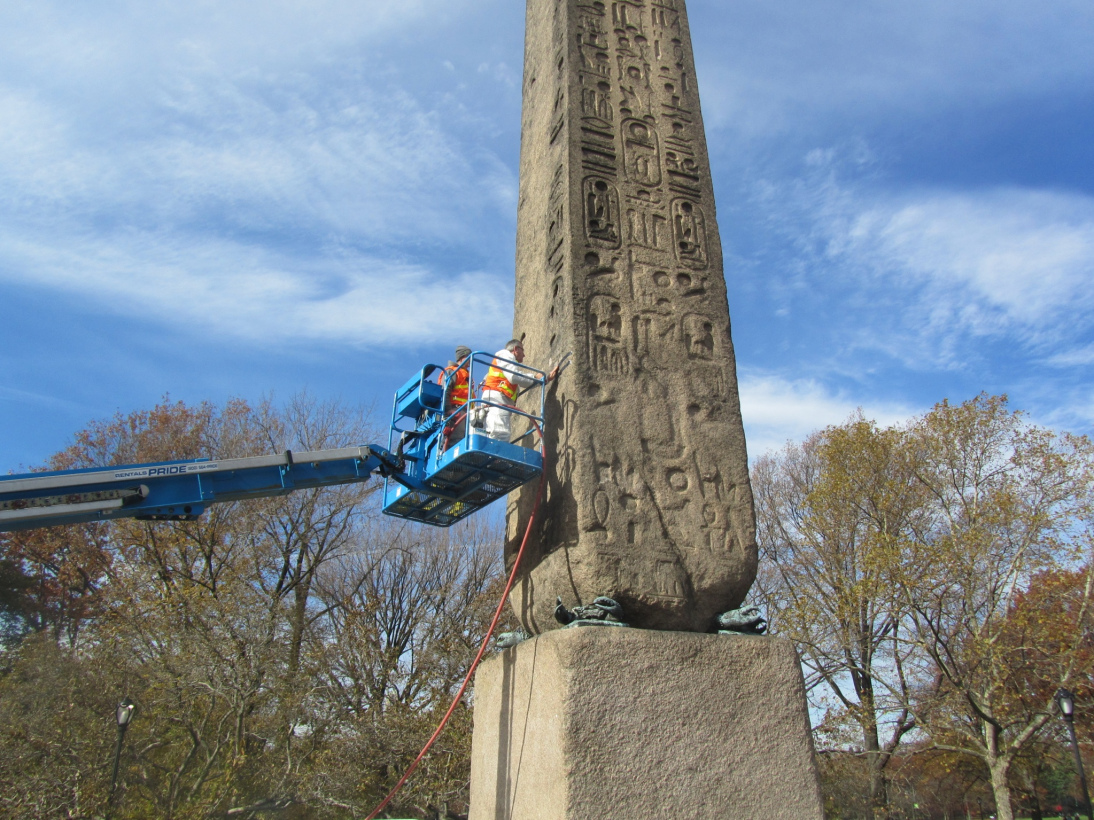
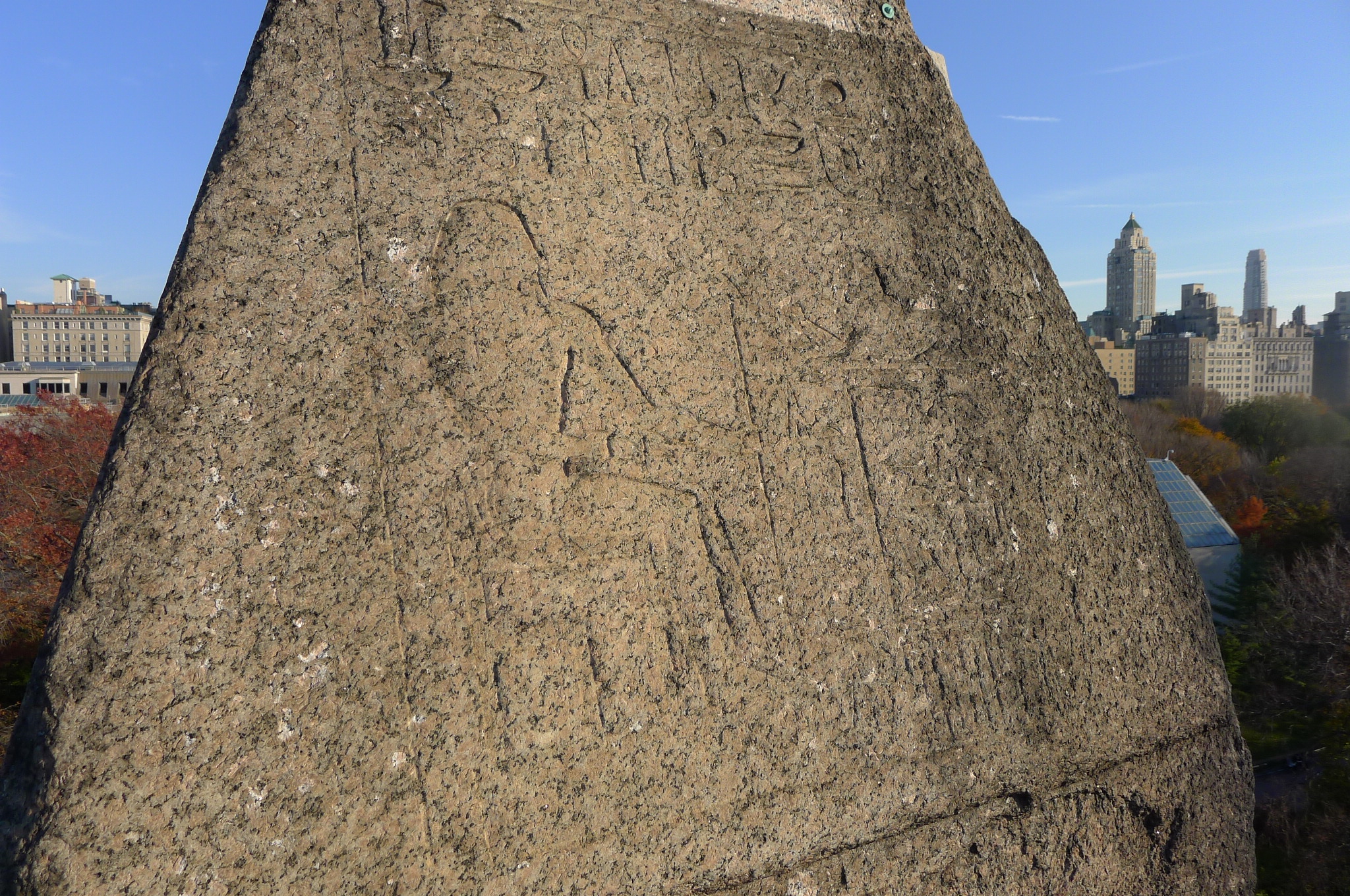
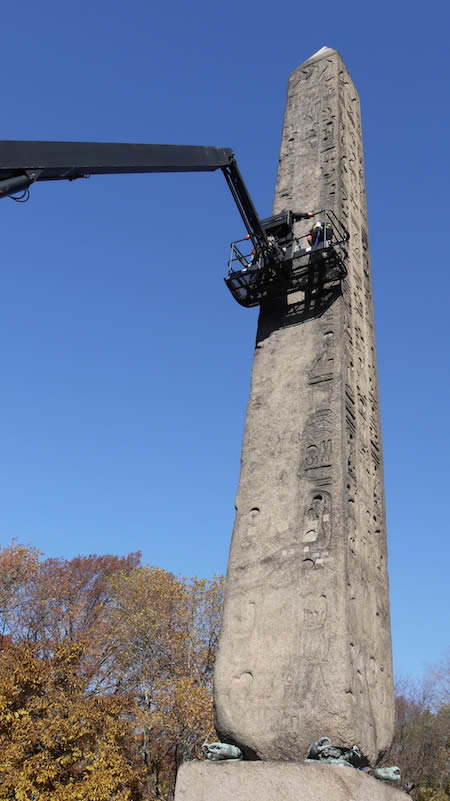
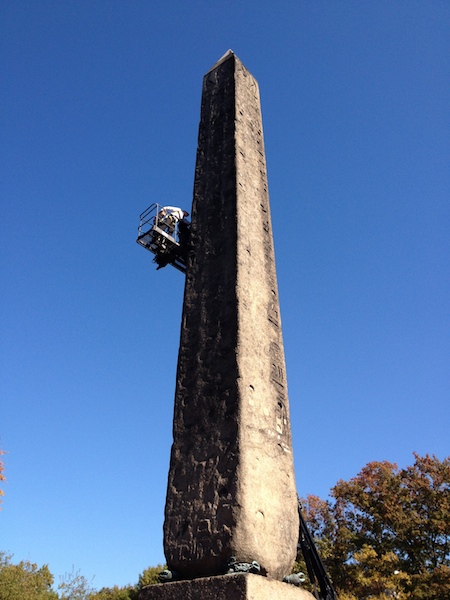
In 2013 the Central Park Conservancy oversaw an effort to clean and conserve the Obelisk, which would be the first major conservation intervention since it was first brought to New York in the 1880s. EverGreene was contracted to perform a baseline conditions assessment to determine locations and mechanisms of deterioration. EverGreene created a grid system of square meter panels to more easily and comprehensively track areas of deterioration. Potential conditions were identified and defined in order to clearly describe different means of deterioration. Each of the squares was closely inspected visually and physically, and the findings were documented on high-resolution photographs provided by the Metropolitan Museum of Art. Areas which were likely to incur loss were stabilized as necessary.