St. Mary's Parish
St. Mary’s Parish Church, built in 1889 in Charleston, South Carolina, is distinguished as the oldest Roman Catholic Church in the Carolinas. It served as the Mother Church for the Dioceses of North Carolina, South Carolina, and Georgia.
Iron & Marble Portico
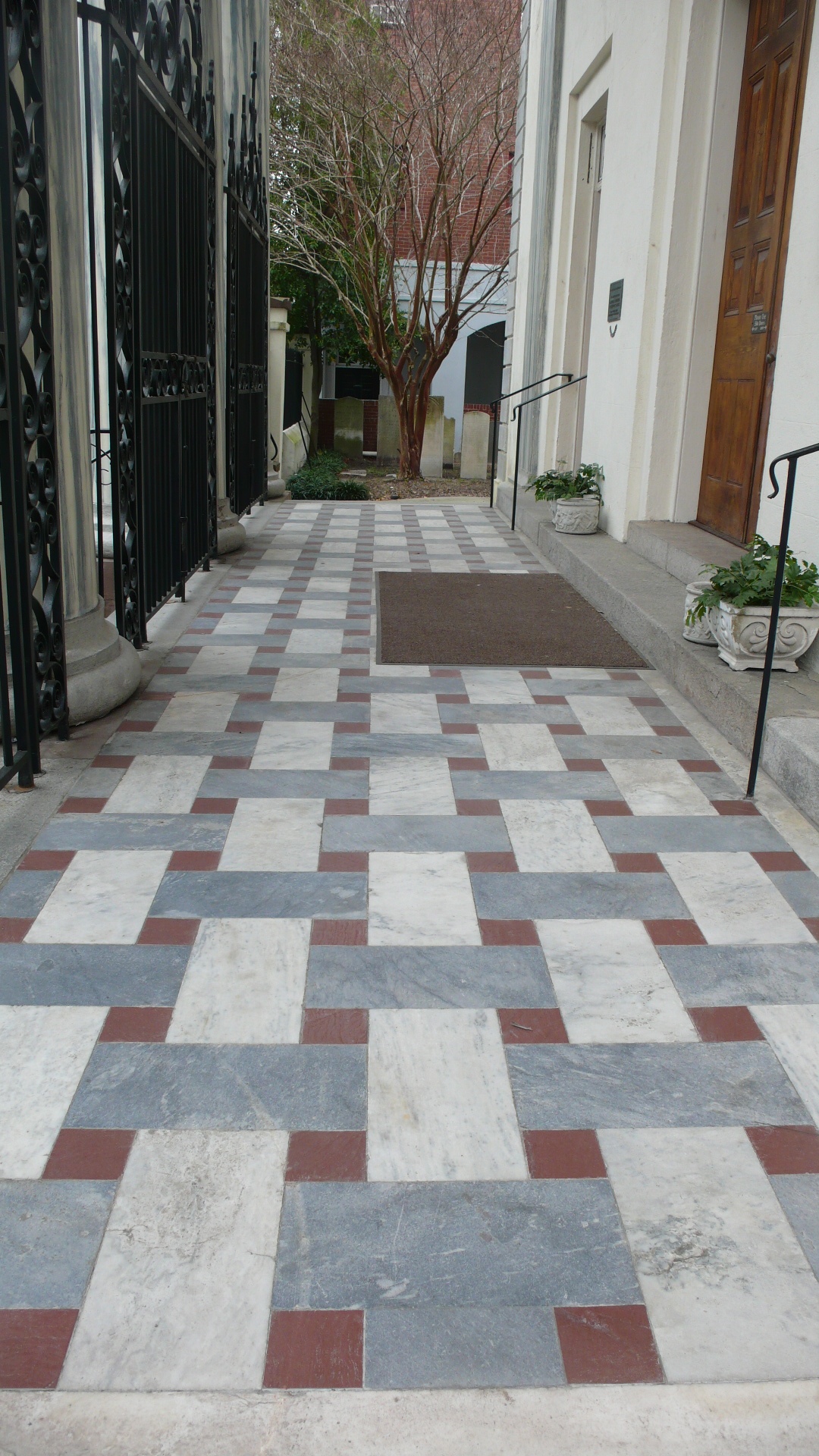
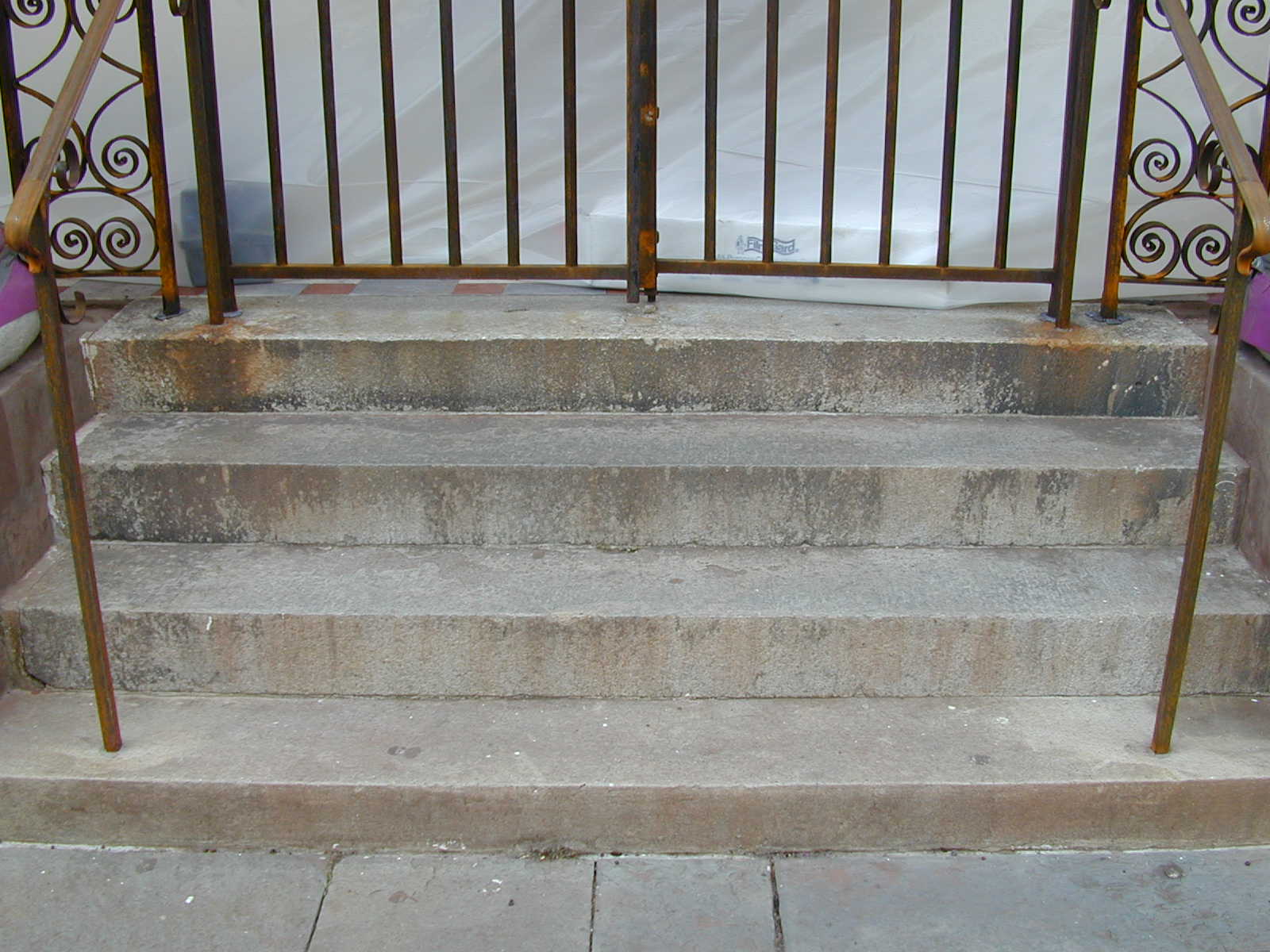
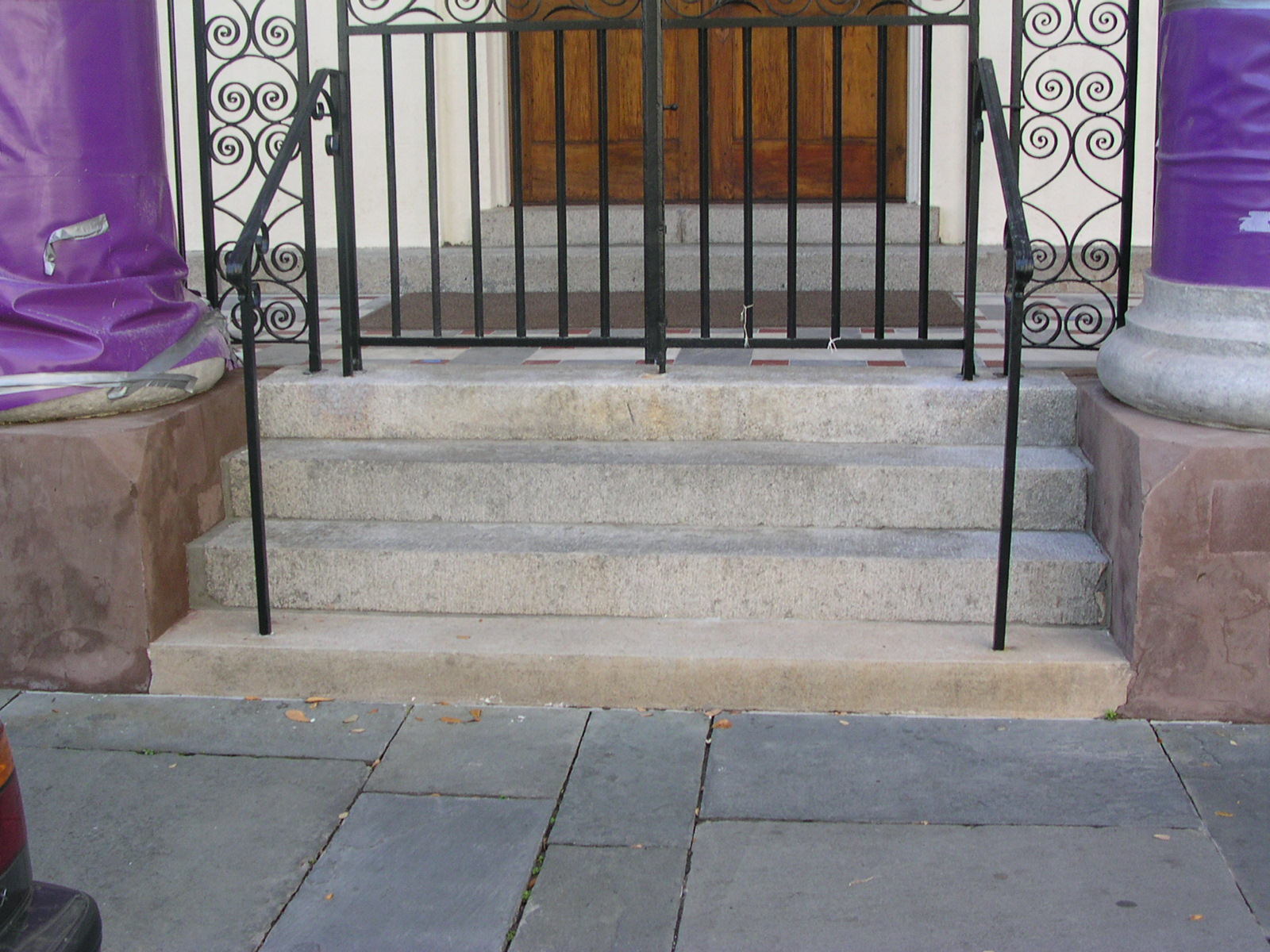
EverGreene was contracted to treat the portico floor and wrought iron entrance gates as part of the parish’s restoration of the church façade. The floor consists of red slate inserts in a field of decorative marble tiles bounded by granite steps. The slate had de-laminated and left trip hazards within the soiled and stained but otherwise sound stone floor. An exact match for the original stone was researched and located in western Vermont. Each damaged tile was carefully cut out and new stone set in a full mortar bed. The entire floor was cleaned of soiling and iron stains before being re-grouted. Losses in the stone were filled with a cementitious custom mortar compound and toned to match adjacent areas.
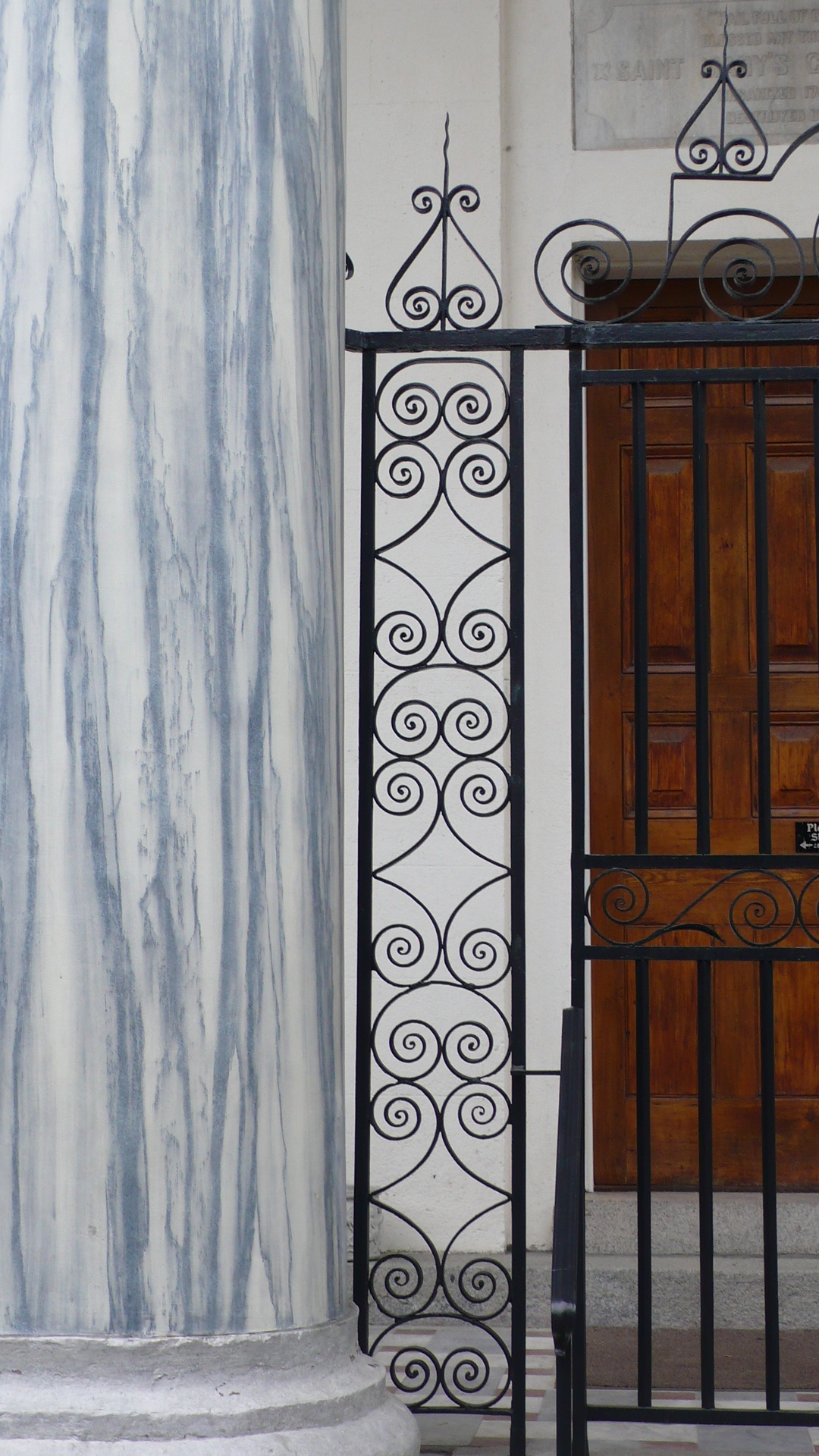
The typical Charleston wrought iron work was stripped of previous coatings and assessed. Missing and severely damaged pieces were restored with newly formed iron elements to match the originals prior to the damage. Each was re-installed in its original location using hot-forged riveting and in-situ welding. The restored gate was then re-coated to its historic color.
Grave Markers & Monuments
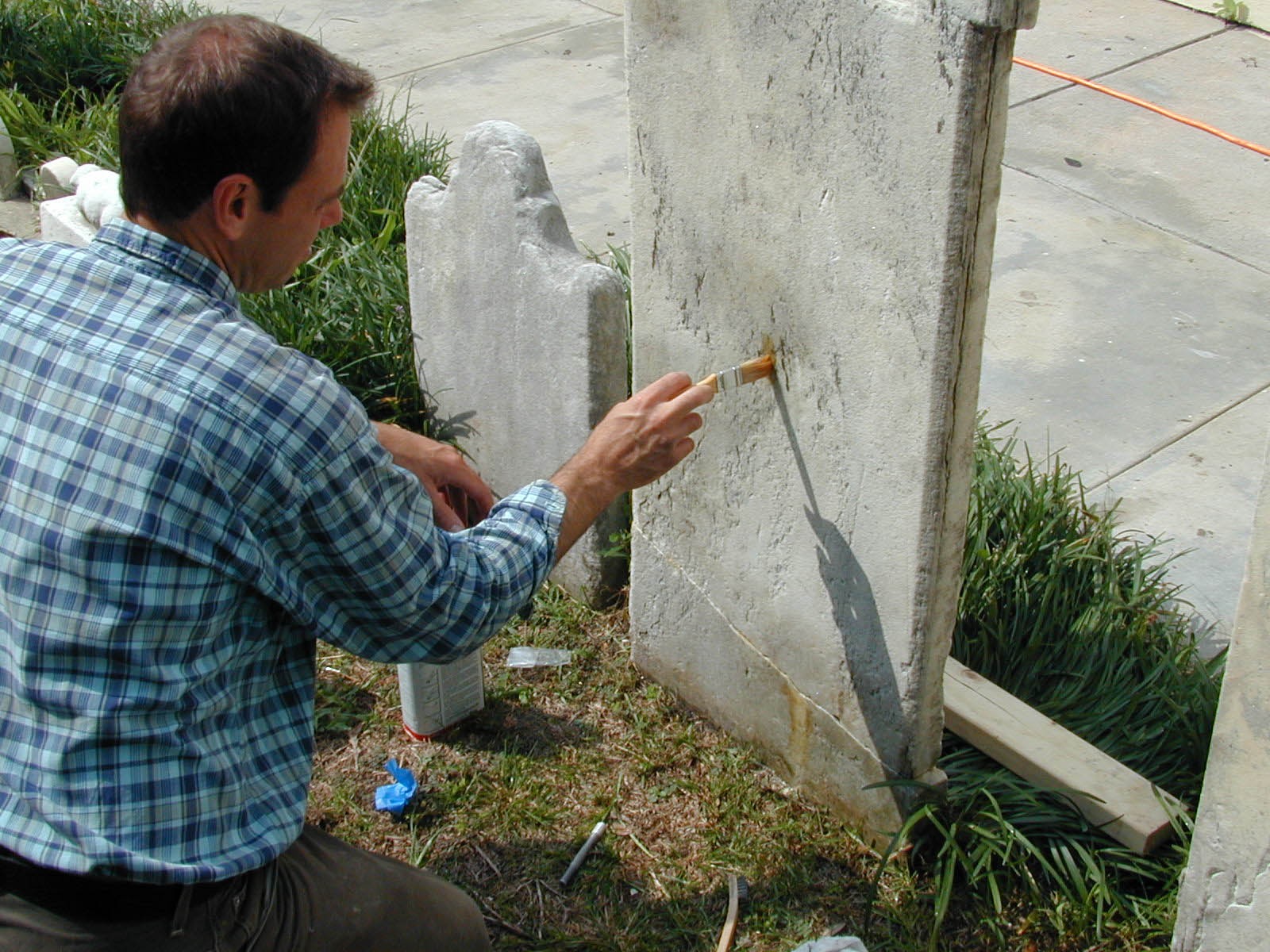
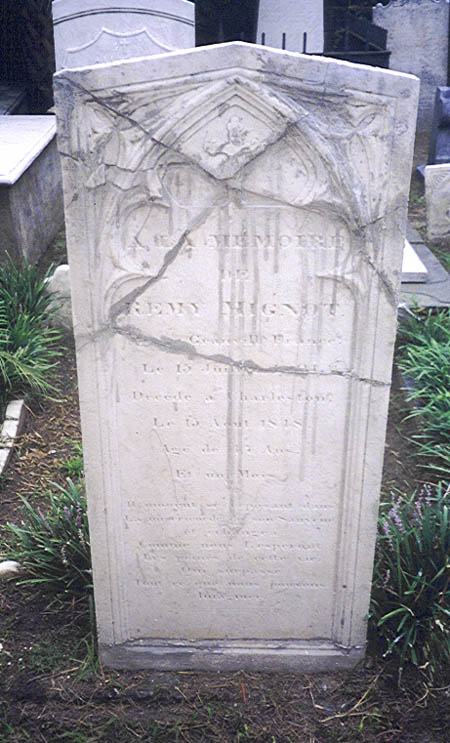
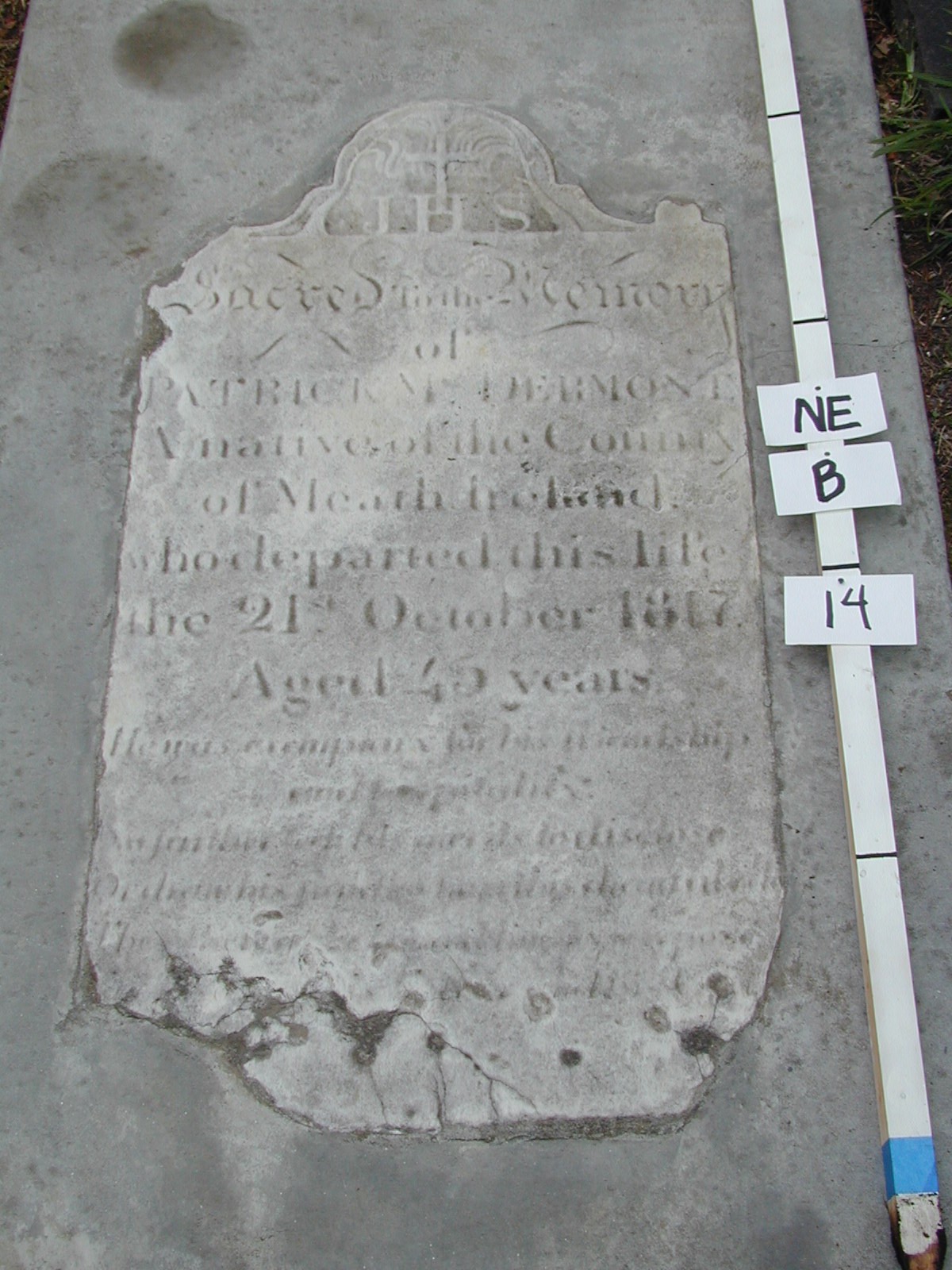
EverGreene also perform a conditions survey of more than three-hundred grave markers and monuments located in the church’s cemetery, and to conserve seven grave markers that had been broken by a previous contractor during a restoration effort. The broken markers had been improperly repaired with a hard Portland cement patching material. Many of the various broken pieces were misaligned before reattachment and excess patching material was allowed to drip over the faces of the stones. The excess material was not removed before it cured and thus adhered to the marble substrate.
All information gathered on-site was compiled into a report that included a site plan, photographic documentation, a conditions assessment, a prioritized list according to conservation needs, recommendations for conservation, and cost estimates for the recommendations. We initiated treatment on the broken and improperly repaired grave markers by removing the inappropriate repair material from the stone’s surface using scalpels and fine chisel, then reassembling the stone fragments in proper alignment. Any remaining cracks or losses were filled with custom-matched fine lime putty.