Biltmore Estate Collections Care
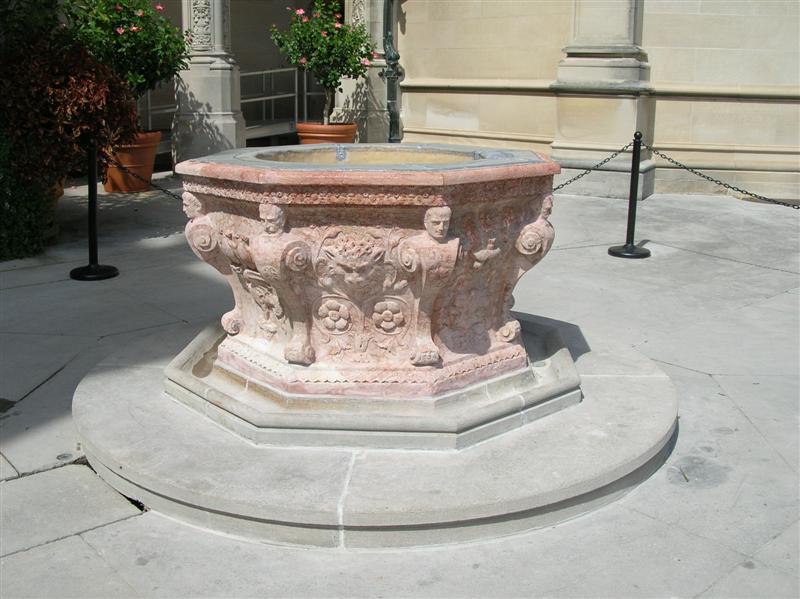
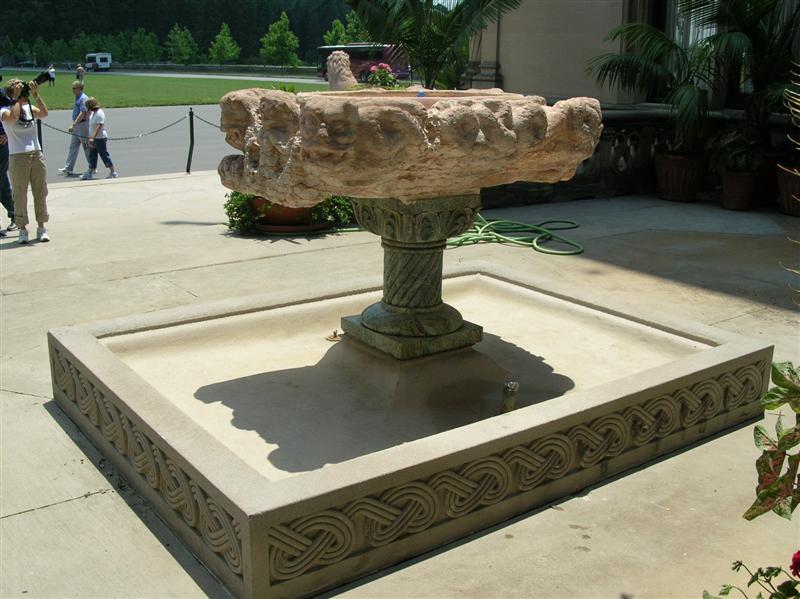
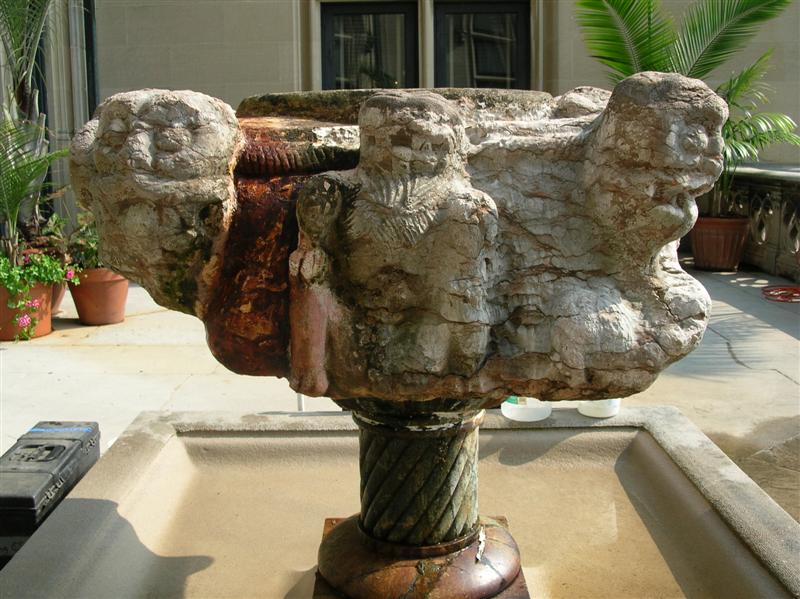
The Biltmore Estate, the last project for both Richard Morris Hunt and Frederick Law Olmsted, combined the talents of these giants of the 19th century architecture and landscape design to produce what must be the grandest of America’s great houses. Still a private home, the French Renaissance style house has 250 rooms and houses more than 70,000 original objects. Significant European sculptures, including 17th-century terra cotta and Venetian wellheads and fountains from the 10th and 16th century enliven the formal gardens and terraces around the house.
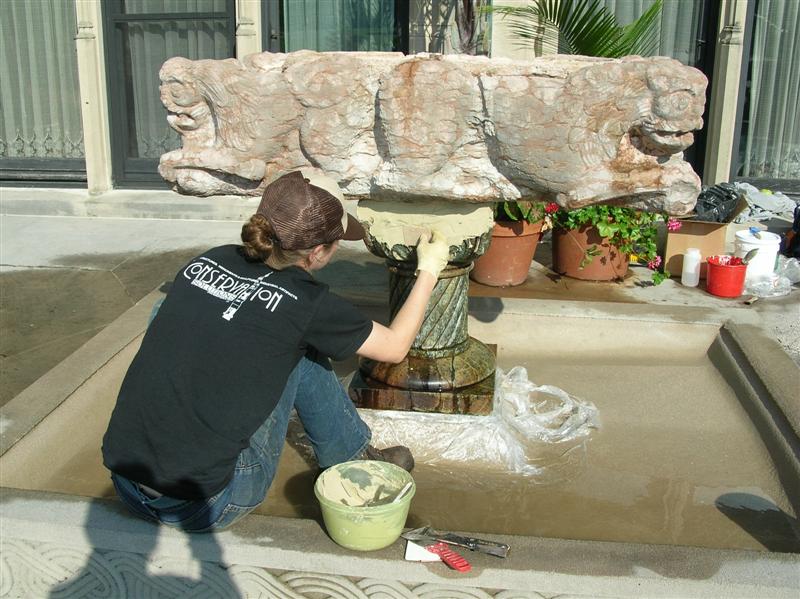
EverGreene entered into a multi-year contract to conduct conditions assessments and implement comprehensive preservation treatments for the estate’s outdoor sculpture collection.
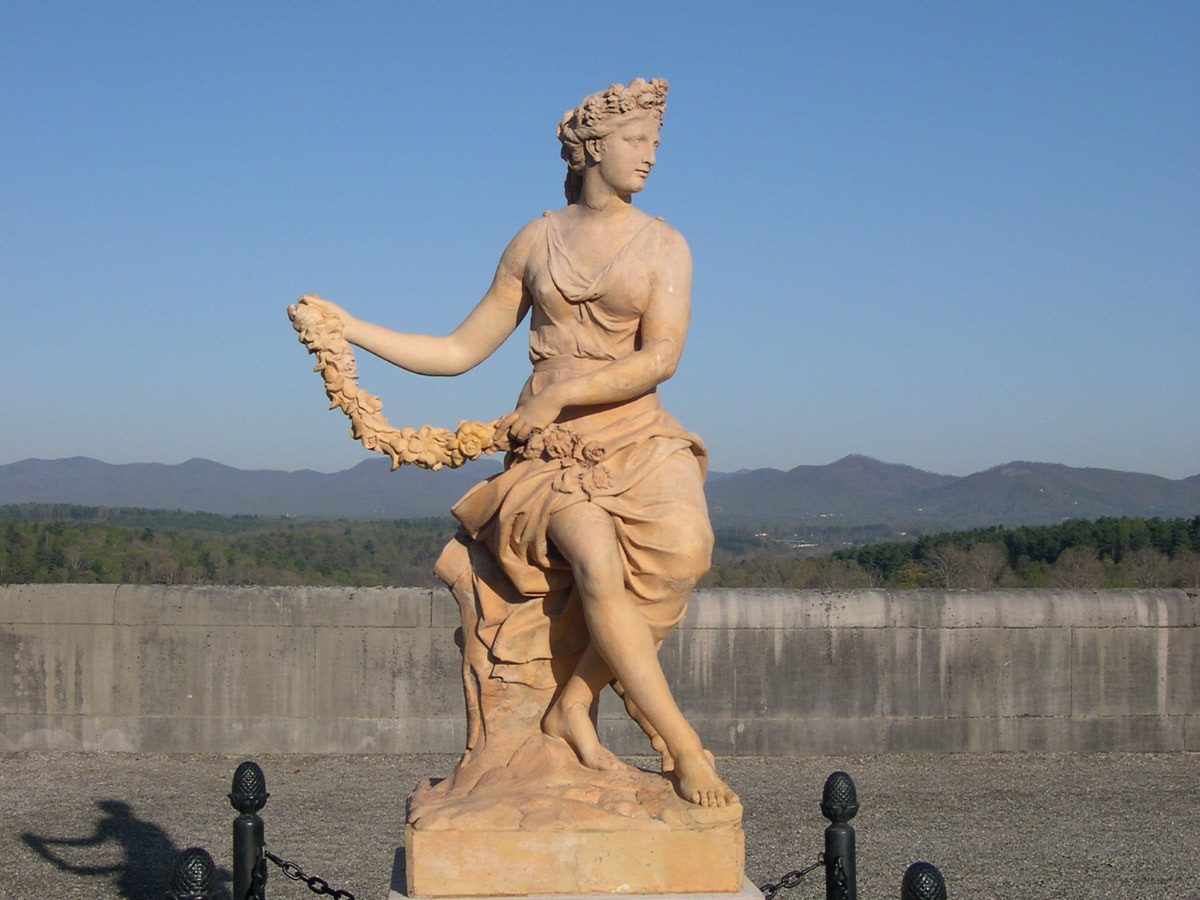
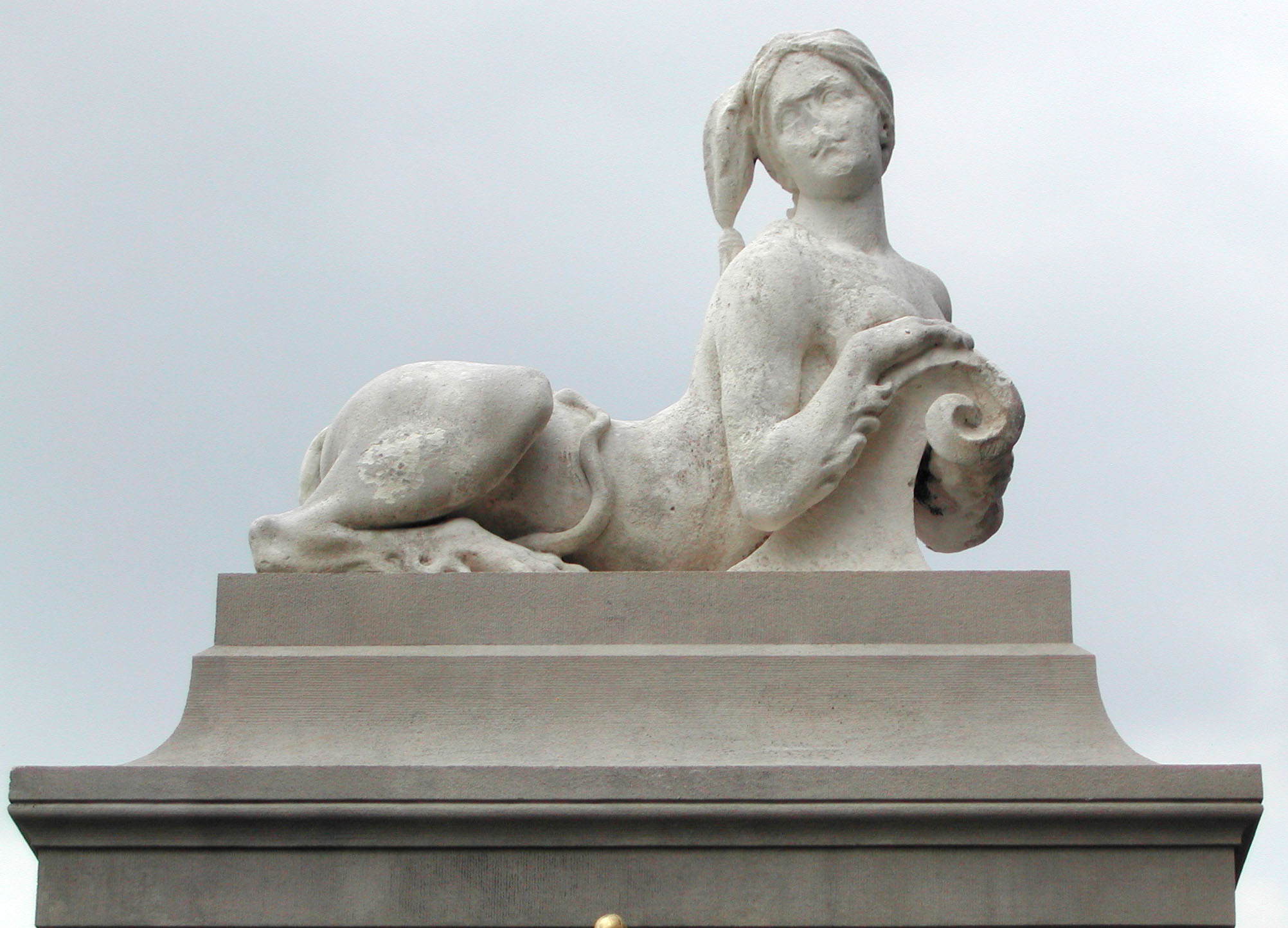
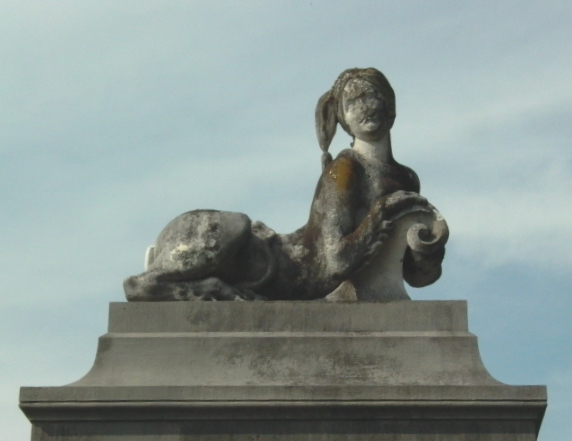
The collection includes traditional sculptures such as French limestone sphinxes and Vicenza stone figures created for European estates and collected by Americans for their homes during the Gilded Age, terra cotta figures by sculptor Antoine Coysevox and commissioned by Louis XIV for Versailles, as well as a Renaissance wellhead and a Romanesque fountain. EverGreene worked closely with the museum curators and collections staff to realize the specific preservation objectives. Prior to beginning work, each piece was assessed and detailed reports outlined conditions and treatment programs. Conservators treated nearly the entire collection, in an order established by EverGreene based on level of need.
While each work had its own individual treatment requirements, typical range of treatments included:
Stone: cleaning surfaces to remove atmospheric and biological soiling, removal of carbon crusts and tenacious stains using micro-abrasion, removing and replacement of failing iron pins and mounts, removal and replacement of post-historic fills, infilling areas of loss, inpainting and/or toning patches to match adjacent materials, re-adhering loose elements, and injection fills at cracks.
Bronze: cleaning surfaces to remove atmospheric and biological soiling, removal of calcite deposits, spot patination to match adjacent material, application of protective coatings.
Terra Cotta: cleaning surfaces to remove atmospheric and biological soiling, removal of carbon crusts and tenacious stains using micro-abrasion, removing and replacement of post-historic fills, infilling areas of loss, injection fills at cracks, readhesion of loose elements, and inpainting and/or toning patches to match adjacent materials. In the case of the terra cotta figures by Coysevox, two replacement arms and floral wreaths for Flora were modeled based on historic documentation and cast and installed.
The estate’s staff was trained in ongoing maintenance of the collection to deter future deterioration.