National Academy of Sciences Bronze Doors
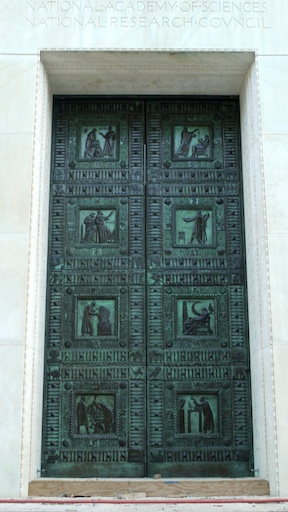
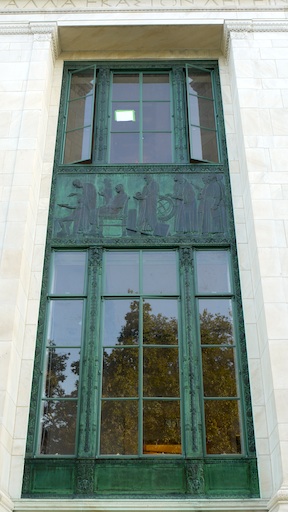
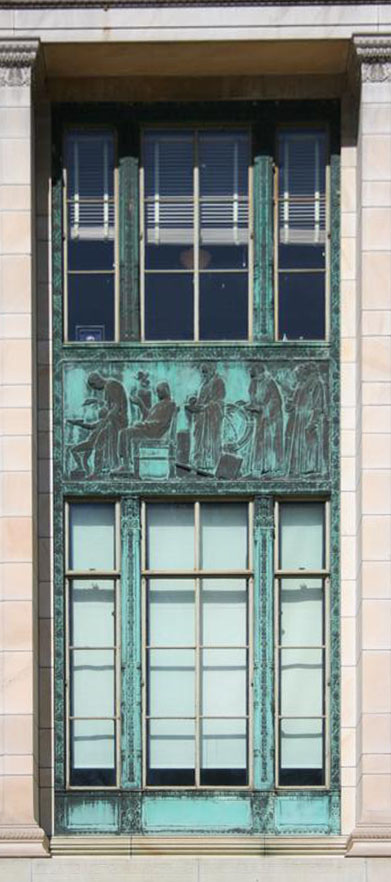
The National Academy of Sciences is located along the National Mall in Washington, D. C. Designed by Bertram Goodhue, it was completed in 1924. Intended to stand as a “Temple of Science”, this classically-inspired building makes numerous historic references, evident in the Greek-text entablature, anthemia crenellation along the roofline, and relevance to the nearby Lincoln Memorial. The monumental white marble building is enlivened by a sophisticated decorative scheme, both inside and out. Most notably, this includes the substantial use of decorative bronze doors, windows, and grilles.
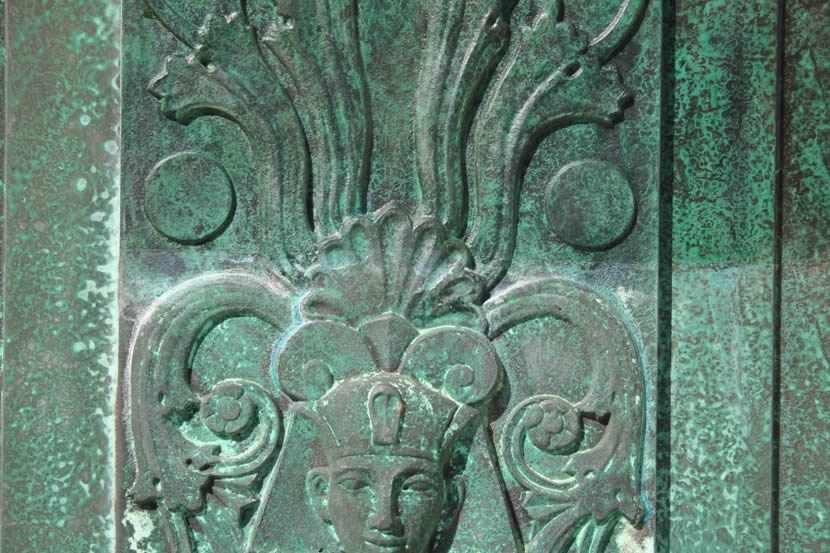
However, after decades of exposure, exterior bronze patinas had begun to degrade or fail. Several additions to the building in the 1960s-70s created an inconsistent decorative scheme. Previous efforts to clean and/or selectively re-patinate metals significantly disrupted the extant finishes. An obvious faux finish on interior grilles even brought into question the material used for the metalwork.
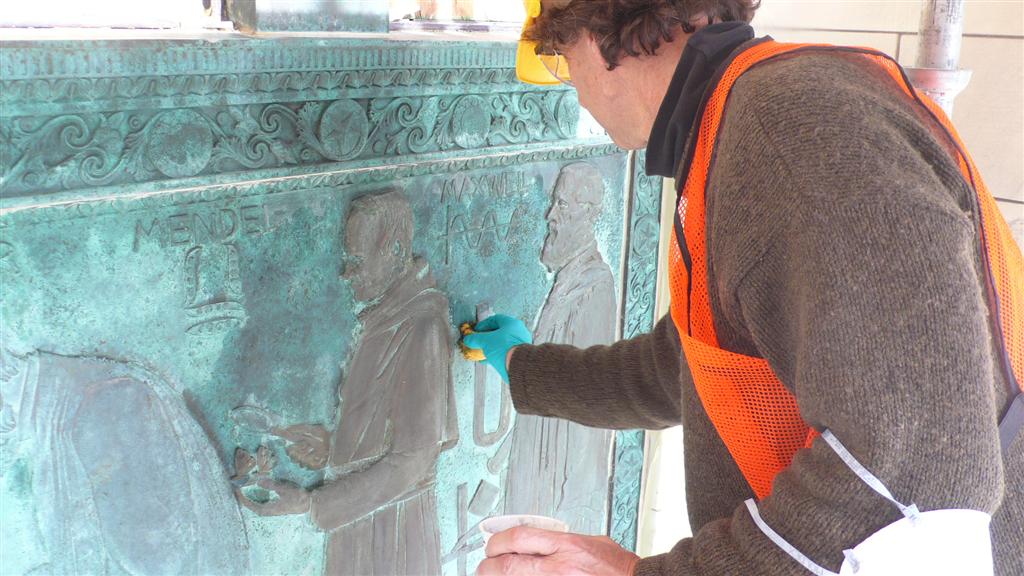
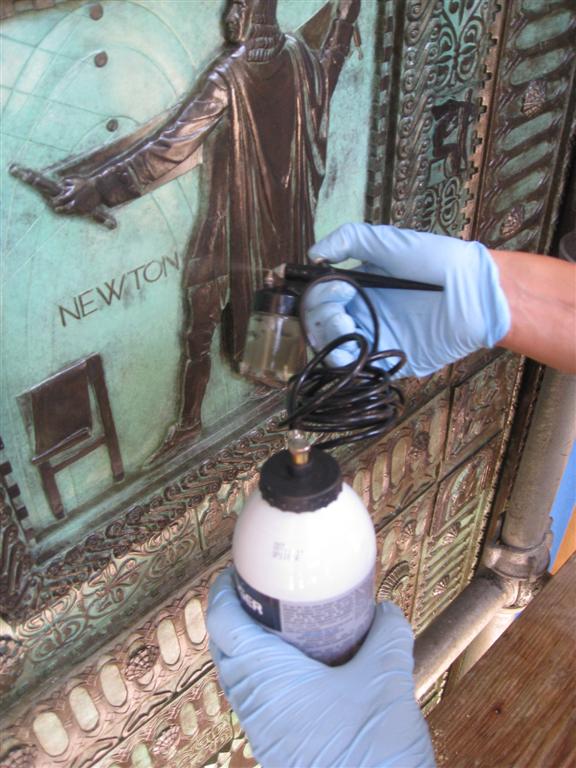
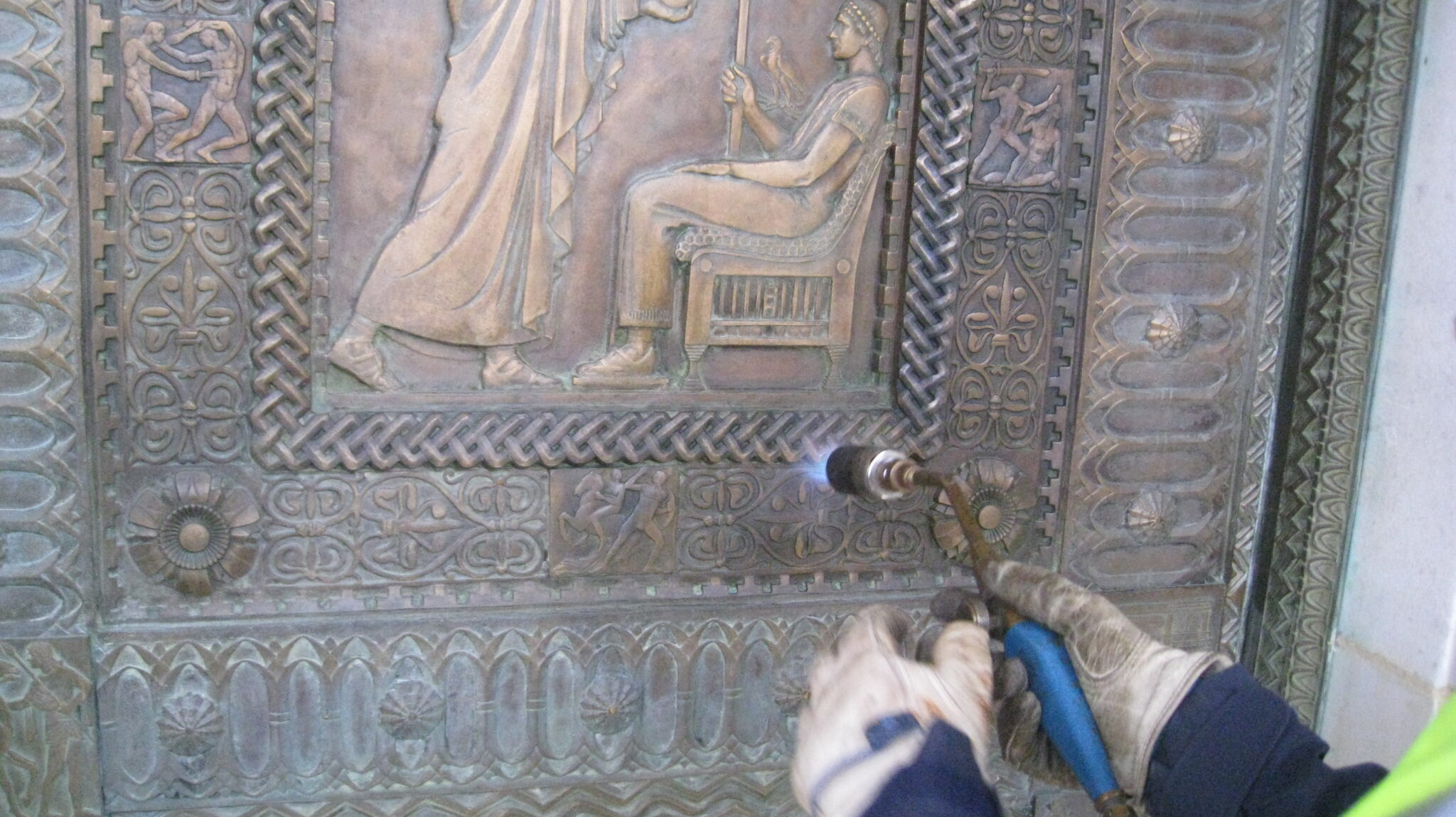
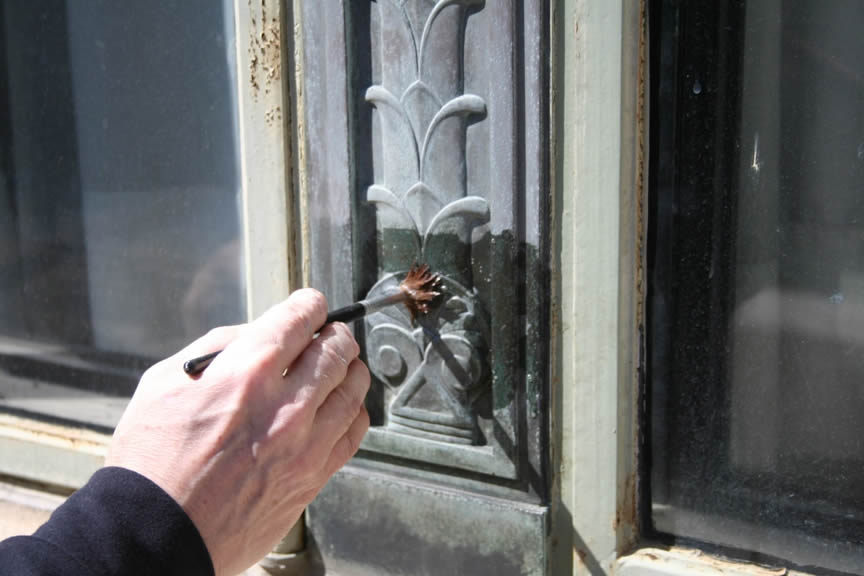
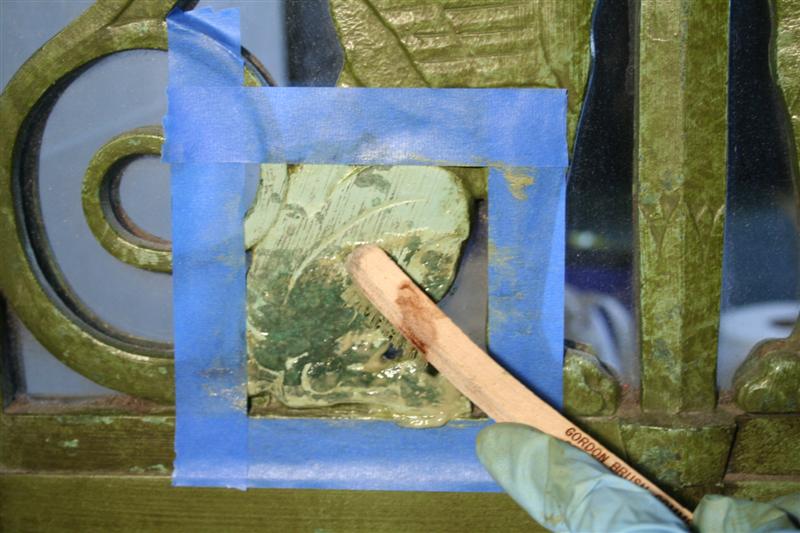
EverGreene was engaged to investigate historic finishes, demonstrate refinishing options, and generate treatment recommendations. Paint was carefully removed layer by layer from interior grilles to determine the sequence of finishes present. Multiple patina samples were prepared on exterior bronze, using both hot and cold chemical applications. A variety of protective coatings, including waxes and lacquer were also illustrated. We synthesized information gathered through research, historic documentation, testing, and mock-ups into a conservation assessment report which made recommendations for replicating the finishes and also included budgetary cost estimates to implement the work.
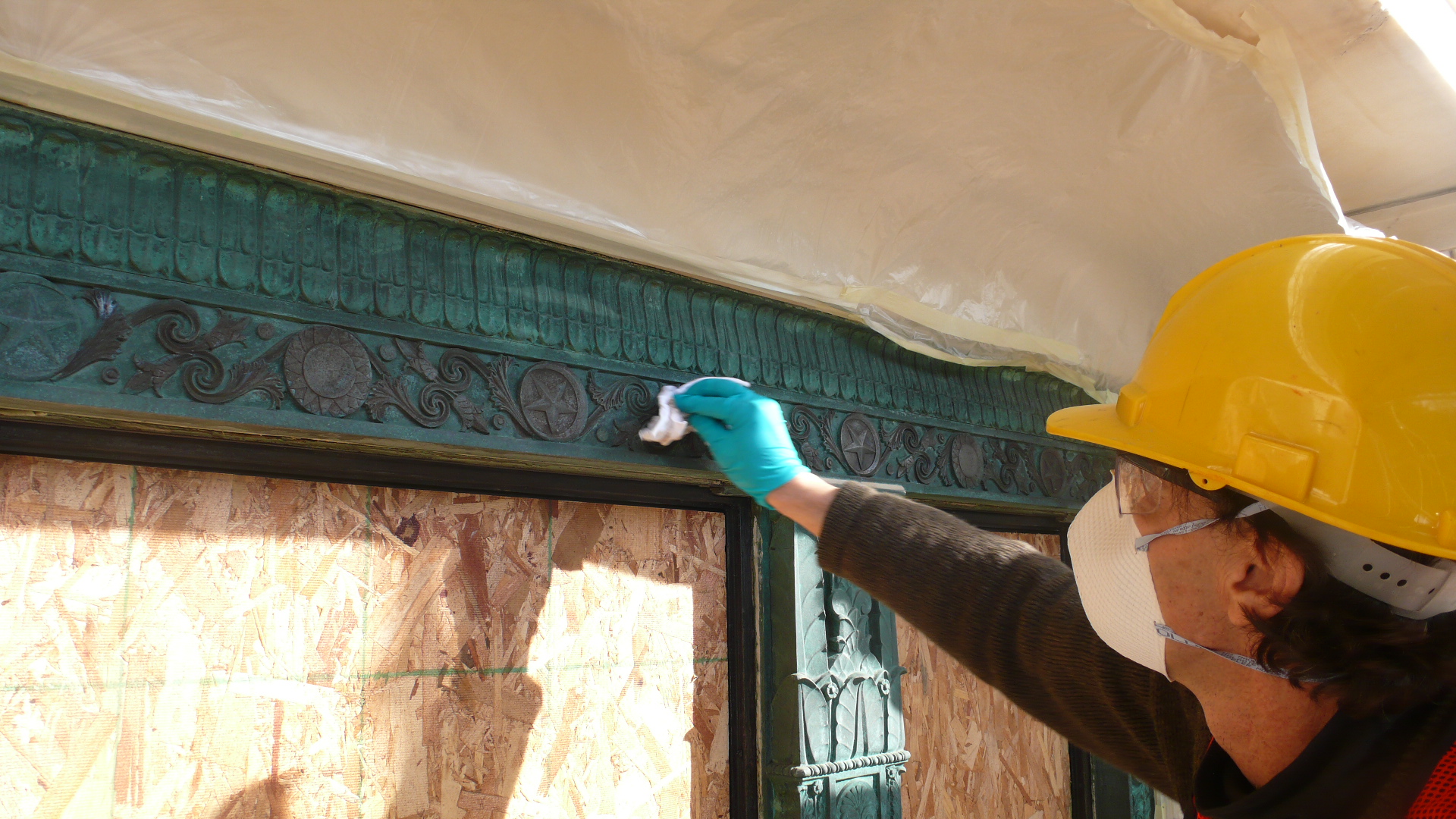
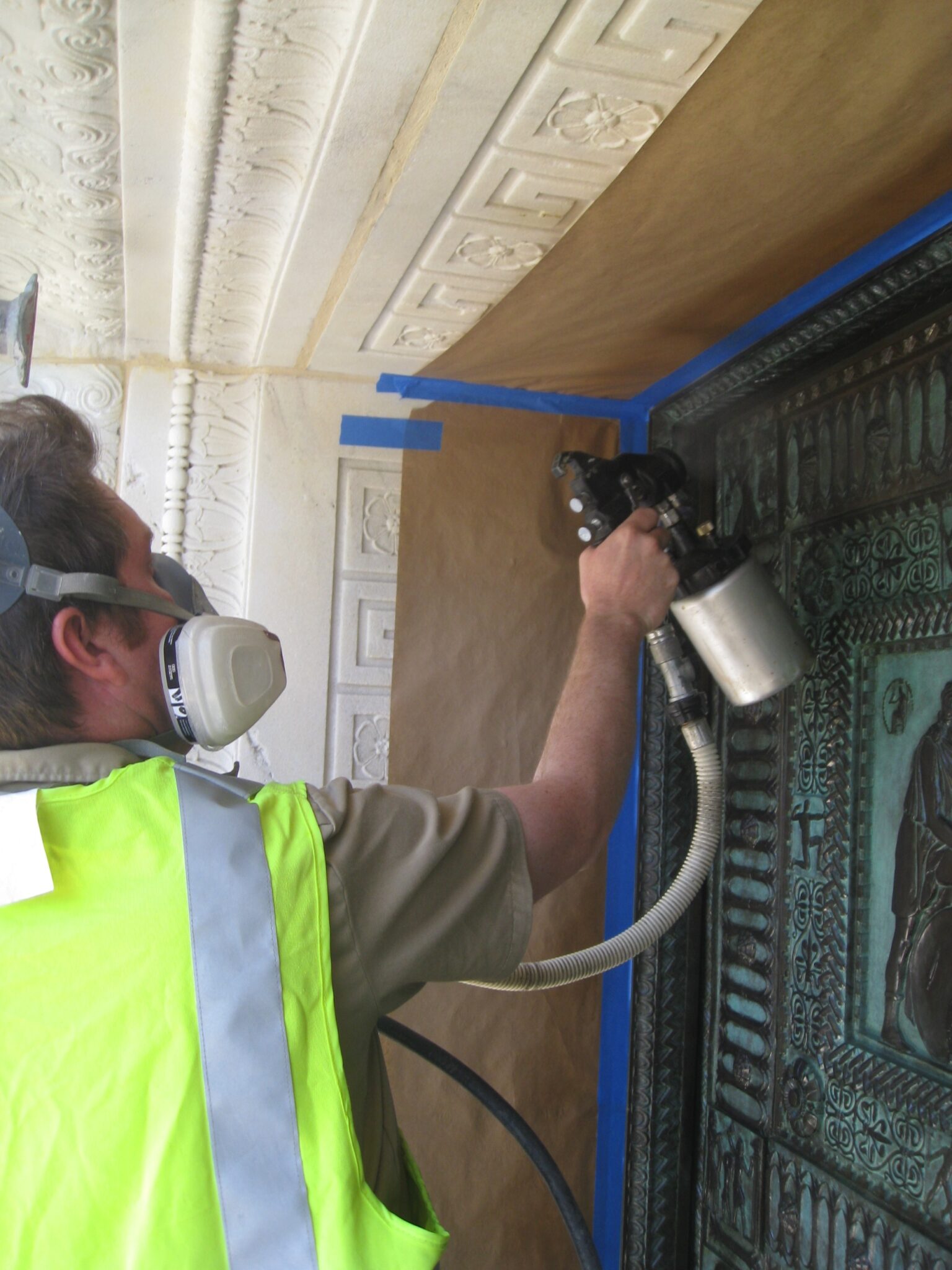
Following investigation and preparation of mock-ups, EverGreene was contracted to perform the treatment of the bronze elements. All surfaces were cleaned of surface dust and soiling, after which loose corrosion products were scrubbed in preparation for patination. Hot and/or cold patina chemicals of specifically designed formulation were then carefully applied in successive layers to achieve the desired appearance. A high performance outdoor grade lacquer was spray-applied. Treatment for the pair of doors was modified to remove the bronze-colored paint and then a protective clear coating was applied.