Brooklyn Museum Art Conservation
The Brooklyn Museum is an art museum located in the New York borough of Brooklyn. It is one of New York City’s largest museums, boasting a collection of around 140,000 objects representing over 6,000 years of history. The museum’s earliest roots date to 1823 when civic-minded merchants met to establish a public library aimed at educating the youth of Brooklyn. After merging with the Brooklyn Lyceum in 1843 to form the Brooklyn Institute, the museum quickly established itself as an institution for public knowledge through art. Today the museum uses wide array of exhibitions, public programming, and community centered initiatives to broaden the narratives of art, uplift a diverse group of voices, and highlight creativity within contemporary dialogues.
EverGreene has worked with the Brooklyn Museum on a number of occasions. Work included performing conditions assessments, implementing comprehensive treatment plans, and supplying maintenance recommendations. EverGreene worked closely with the museum conservators and staff to realize their goals of preservation of all treated works, including:
Stone Sculptures
- “Manhattan” and “Brooklyn”by Daniel Chester French, Granite, 1909. Originally from the Manhattan Bridge, made as allegorical representations of the two boroughs. Located at bridge entrance from 1916-1964 when the bridge was widened.
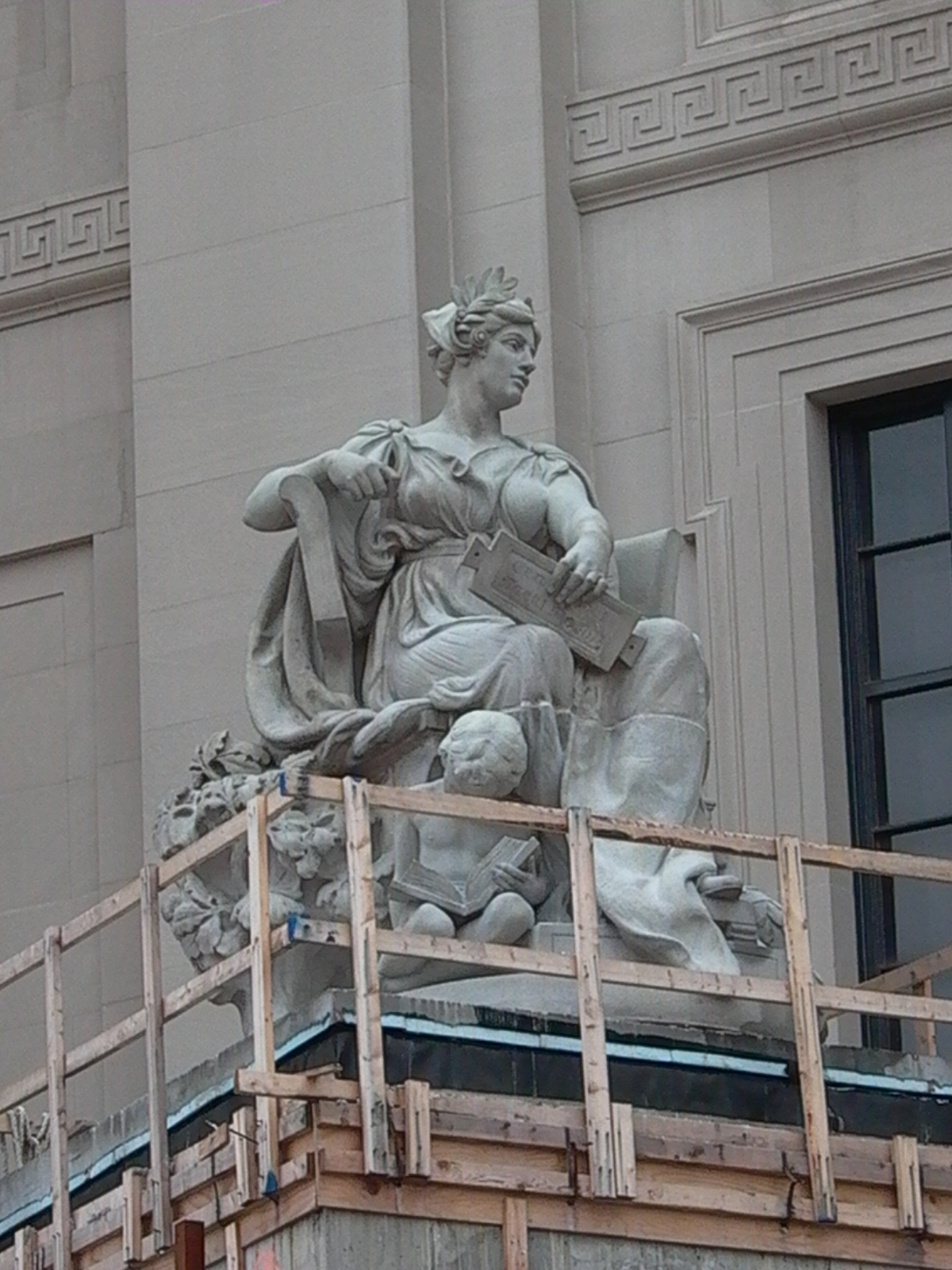
- 30 Twentieth-Century Facade Stone Statues which adorn the facade, sculpted by several renowned American sculptors, including Daniel Chester French, Louis Saint-Gaudens, and Janet Scudder.
- Pediment Statues by Adolph A. Weinmann, Indiana Limestone, 1914
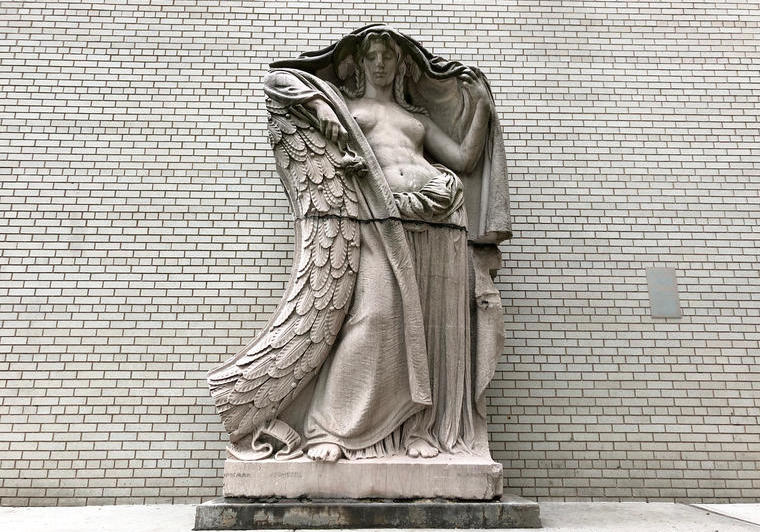
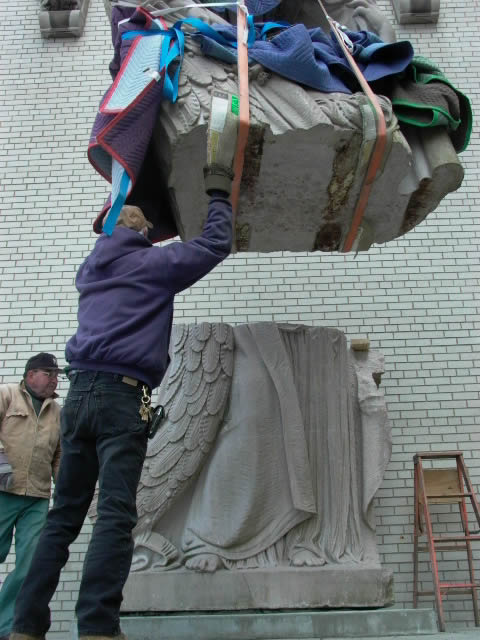
- “Night” by Adolph A. Weinmann, Tennessee Marble, 1910. One half of a pair of female statues which flanked the large clock at the 7th Avenue entrance of the original Pennsylvania Station from 1910 until 1964 when it was demolished.
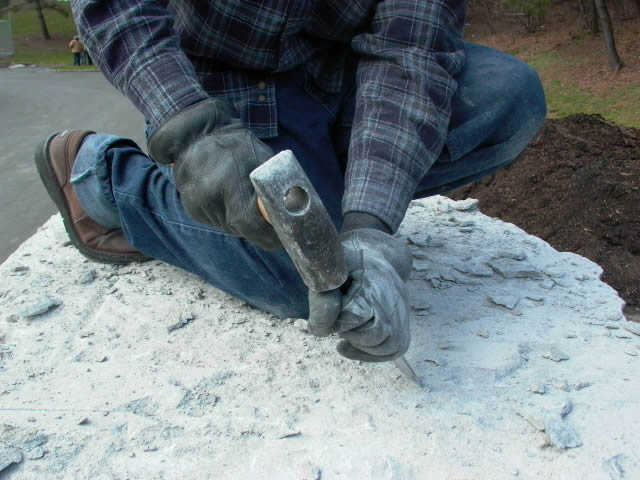
While each work had its own individual treatment requirements, typical range of treatments included cleaning to remove atmospheric and biological soiling using detergents and water; removal of plant material using hand tools; removal of tenacious crusts using chemical and microabrasive cleaning along with hand tools; loose fragments were stabilized; injection fills at cracks; repair of mortar joints.
Metal Sculptures
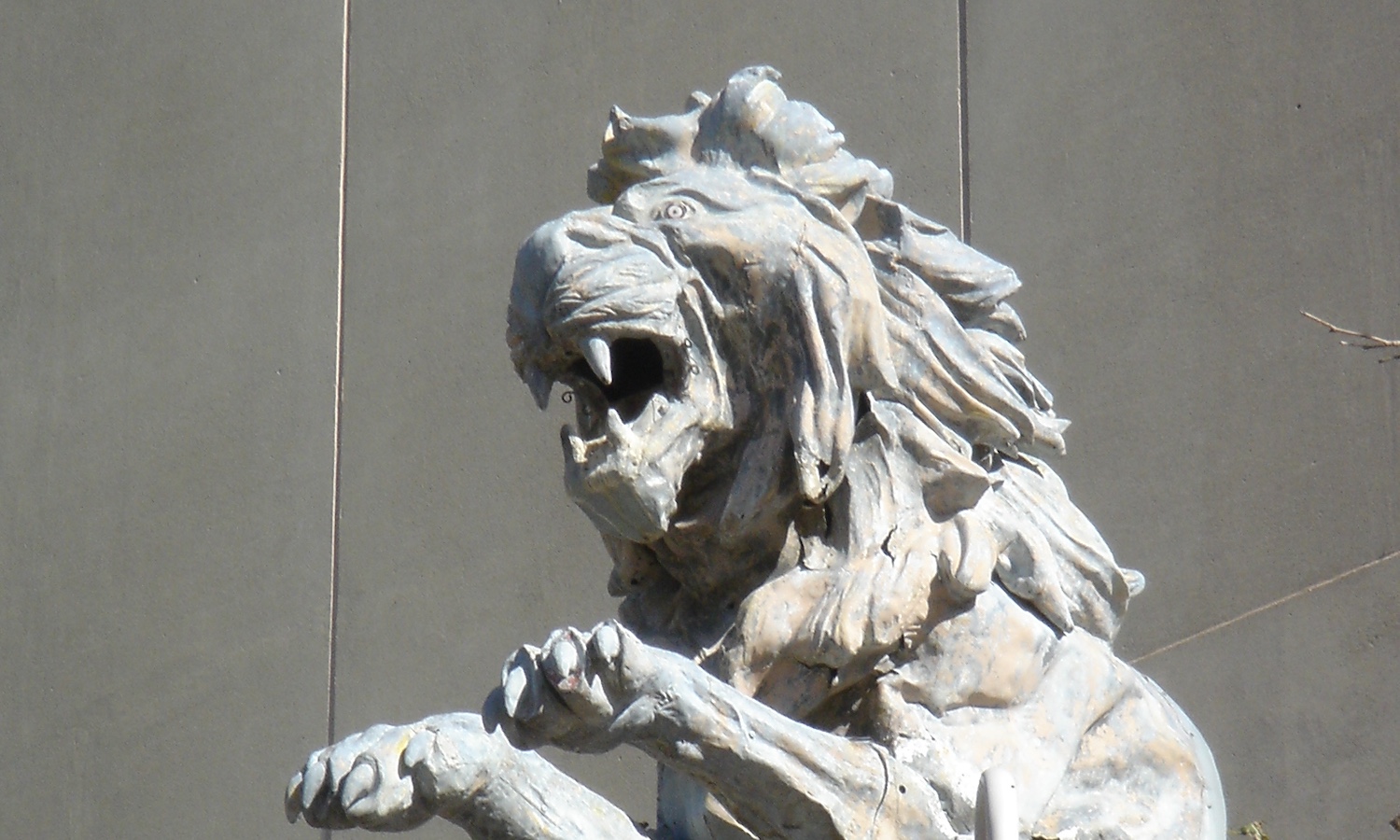
El Dorado Lion, Zinc, 1911. Remnant from the proscenium of the El Dorado Carousel on Coney Island. Fires, neglect, and vandalism took their toll over the years and when the Brooklyn Museum collected one of the remaining lions, it had lost its hind half and what remained had suffered from extensive deterioration, loss, and damage from poor repairs. EverGreene performed the following treatments:
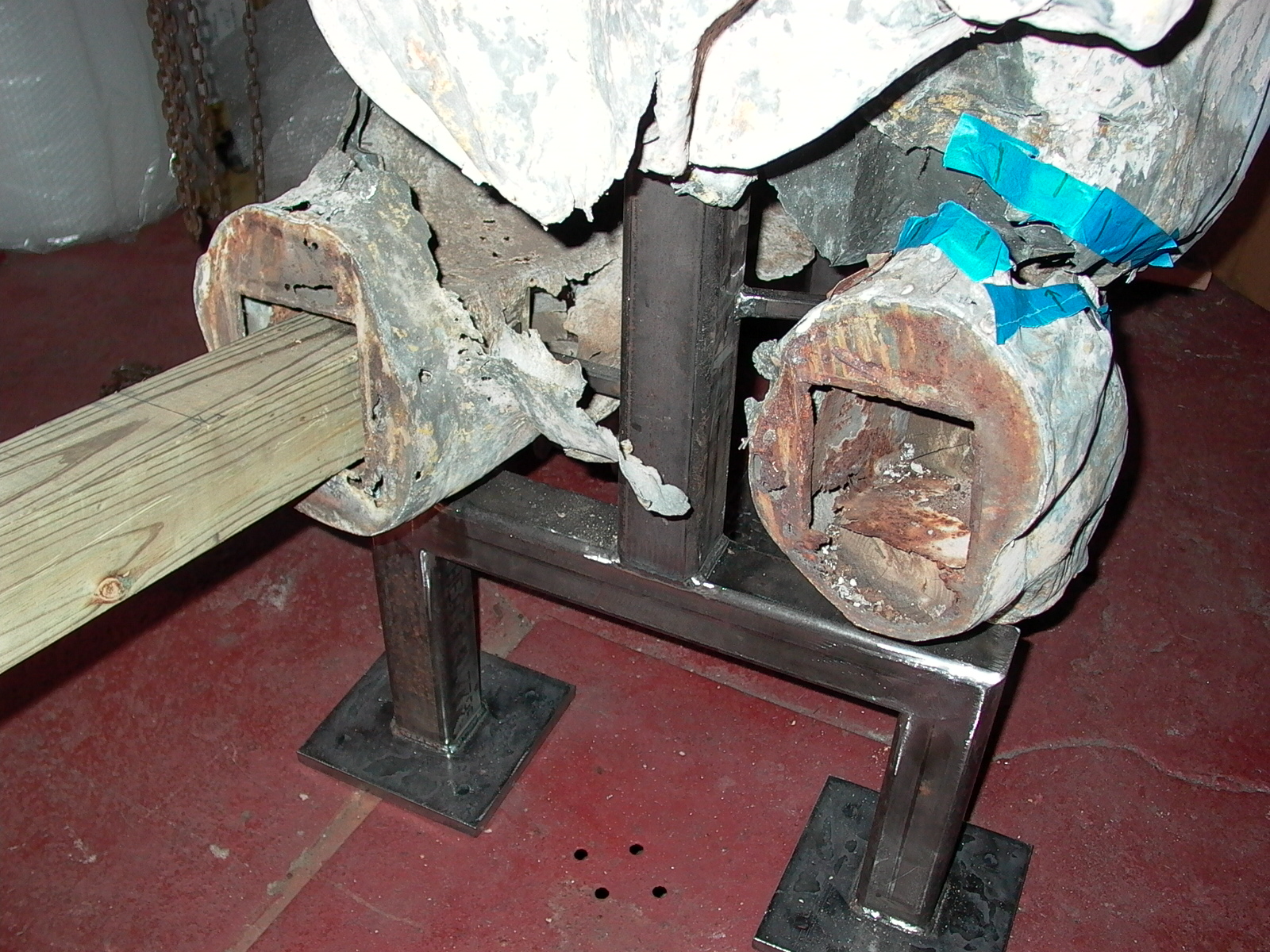
- Metals: removal of many campaigns of failed repairs, re-soldered what remained of the original zinc sheets, formed new sheet of repoussé zinc to recreate missing element and re-establish the forms of the original lion, cleaned to remove atmospheric and biological soiling, repatinated, and coated with protective wax.
- Wood: Original wood supports were replaced
- Following treatments EverGreene engineered and installed a new stainless steel armature to support the lion’s body and paws and to mount it atop the roof over the museum’s rear entrance.
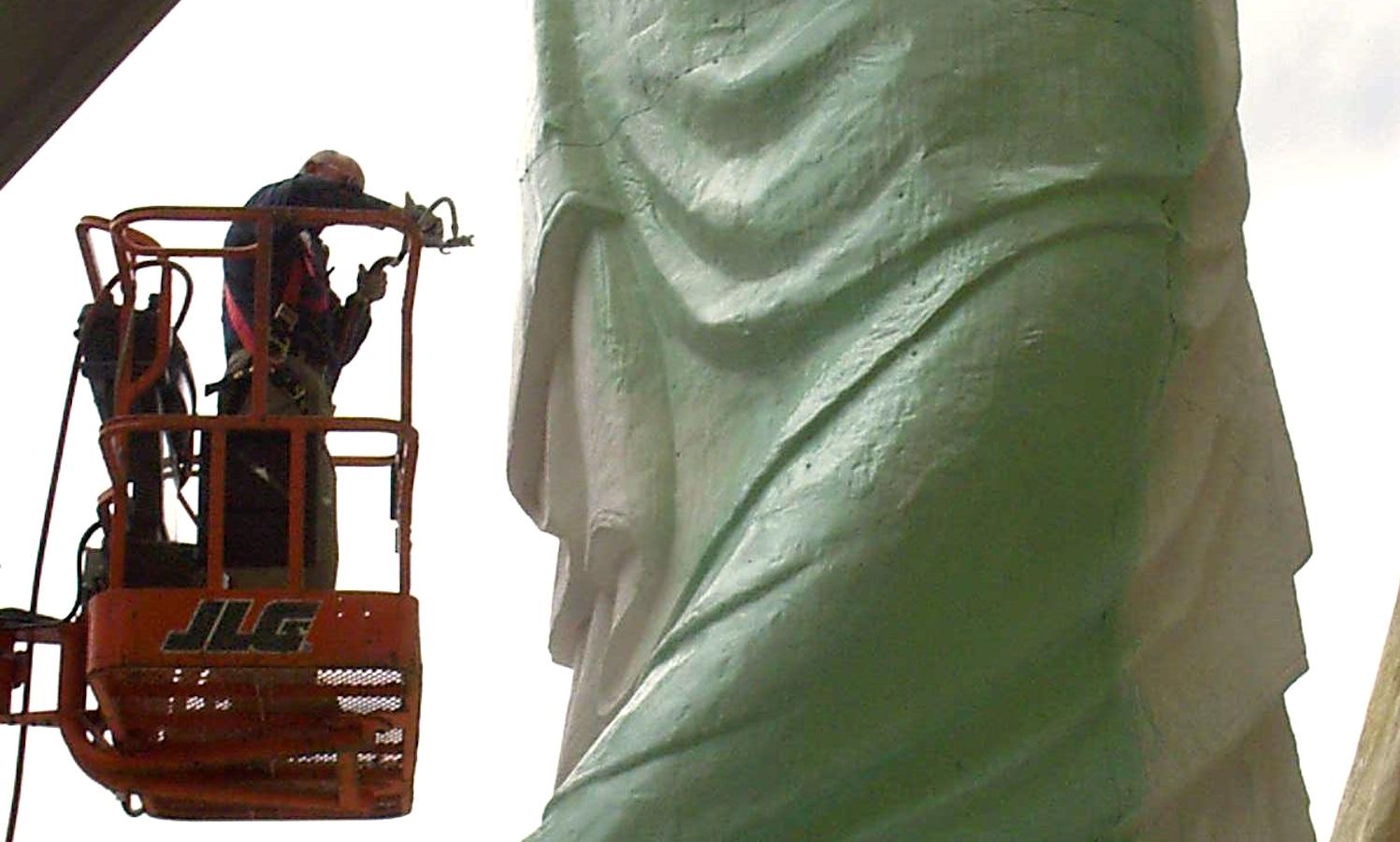
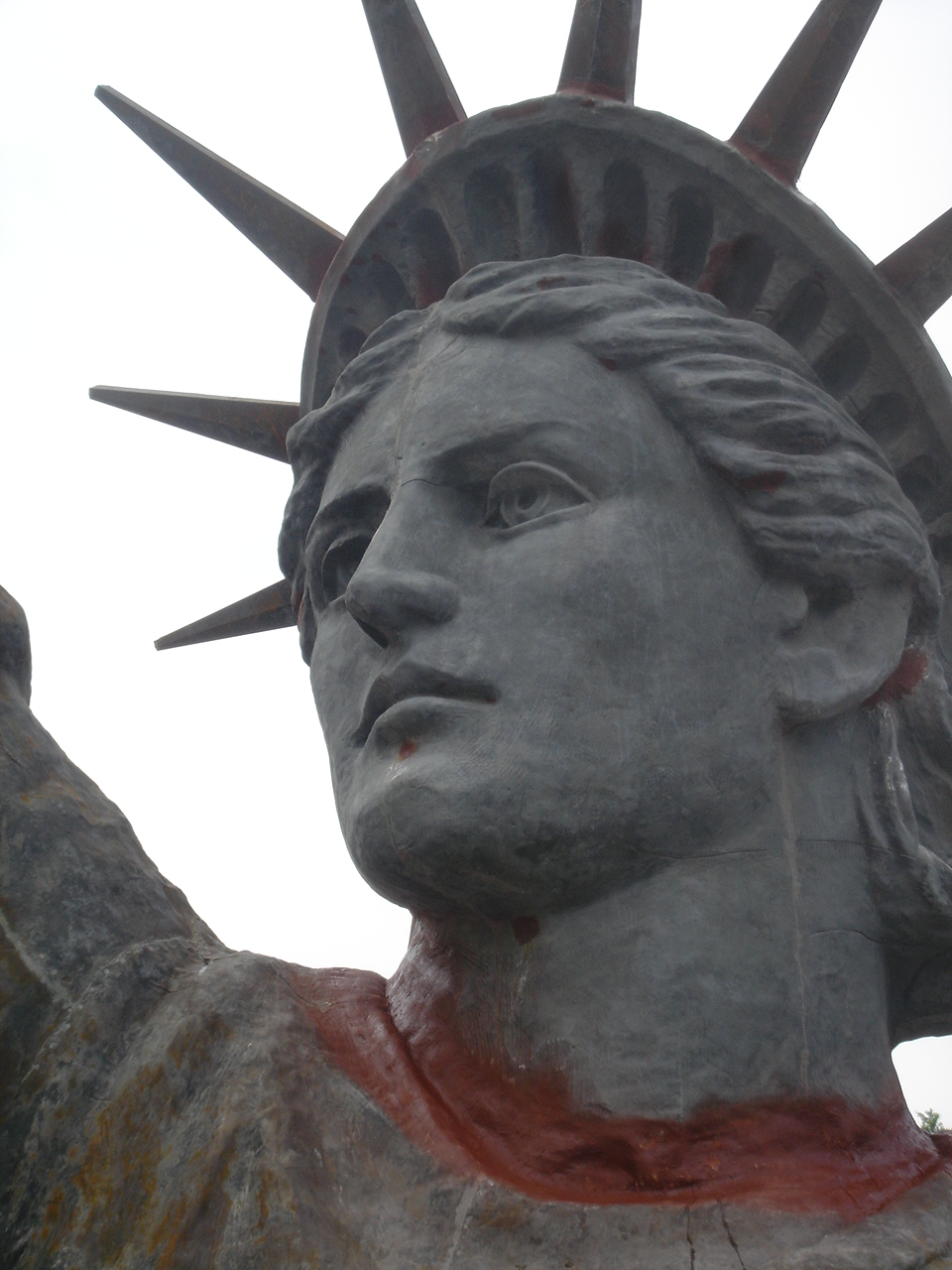
Statue of Liberty Replica, (likely) W. H. Mullins firm, around 1900. A thirty-four foot replica of Liberty Enlightening the World, also known as the Statue of Liberty, which stood atop the eight-story Liberty Warehouse on West 65th Street until 2003 when it was removed and placed on display at the museum. After overseeing its removal to the museum, EverGreene performed the following treatments:
- A new pedestal was engineered and installed behind the museum and Liberty was erected on it.
- Removal of all paint from the statue’s exterior and interior using high pressure water
- Removal of heavily deteriorated areas were cut out and replacement with new galvanized sheet that was formed and MIG welded to the original substrate.
- Reshaping of the deformations using heat and hand tools
- Infilling areas of loss with epoxy body filler and fiberglass mats.
- Application inside and out of a high performance paint system as a protective coating