Johnson Space Center Saturn V Rocket
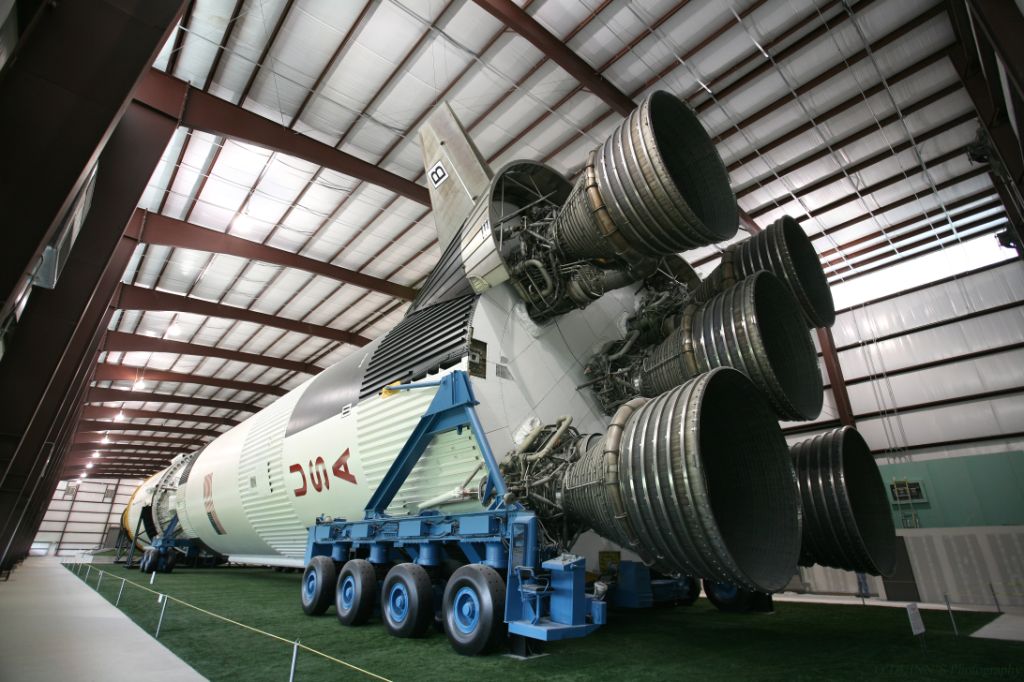
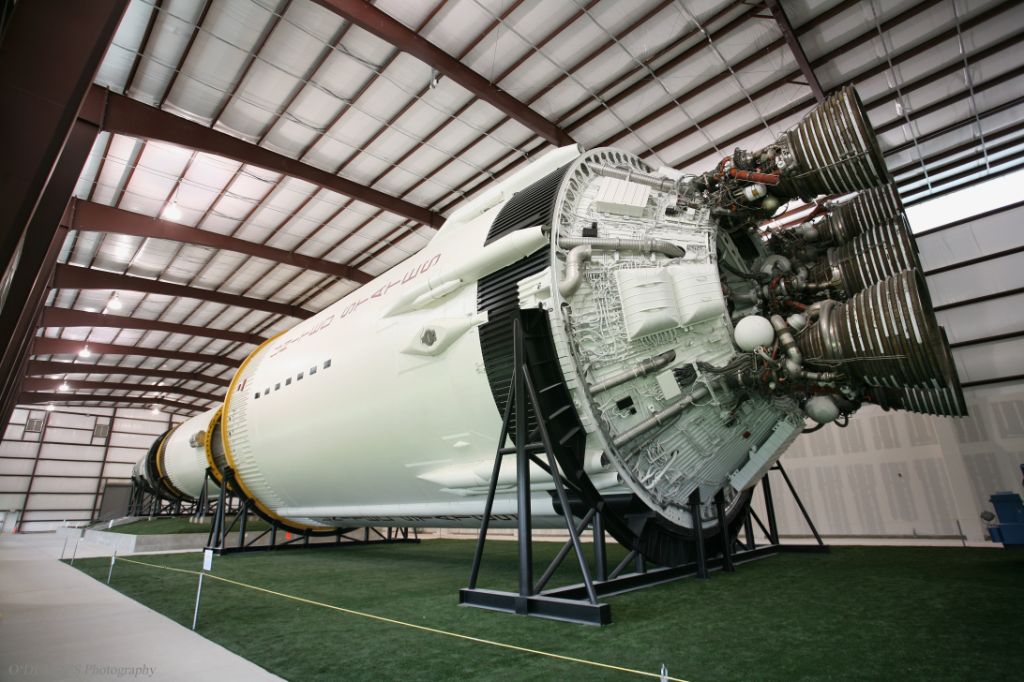
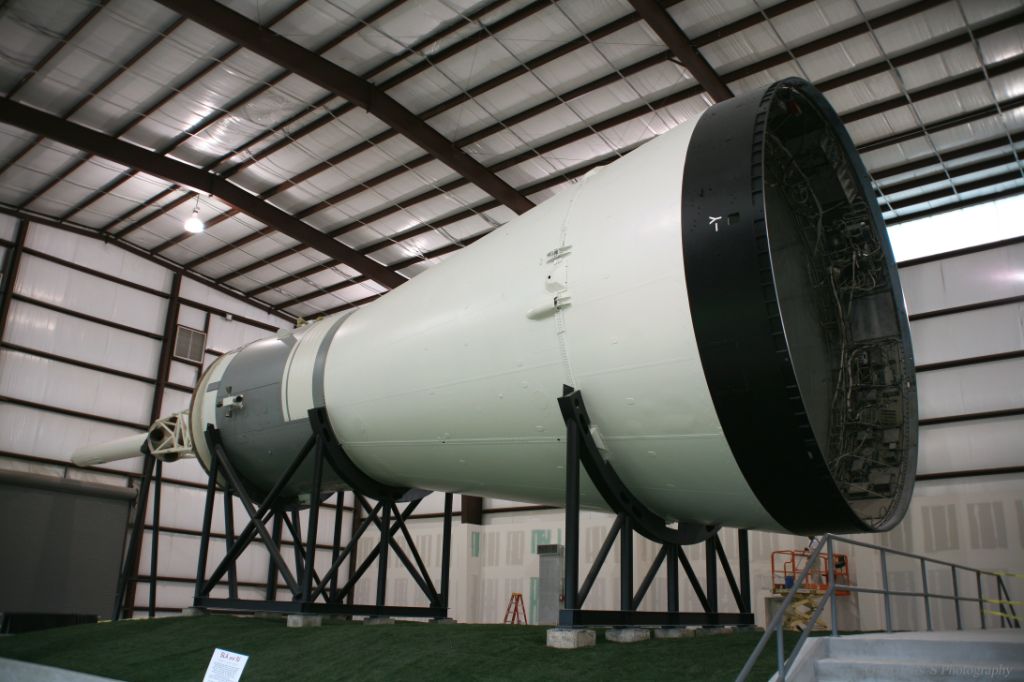
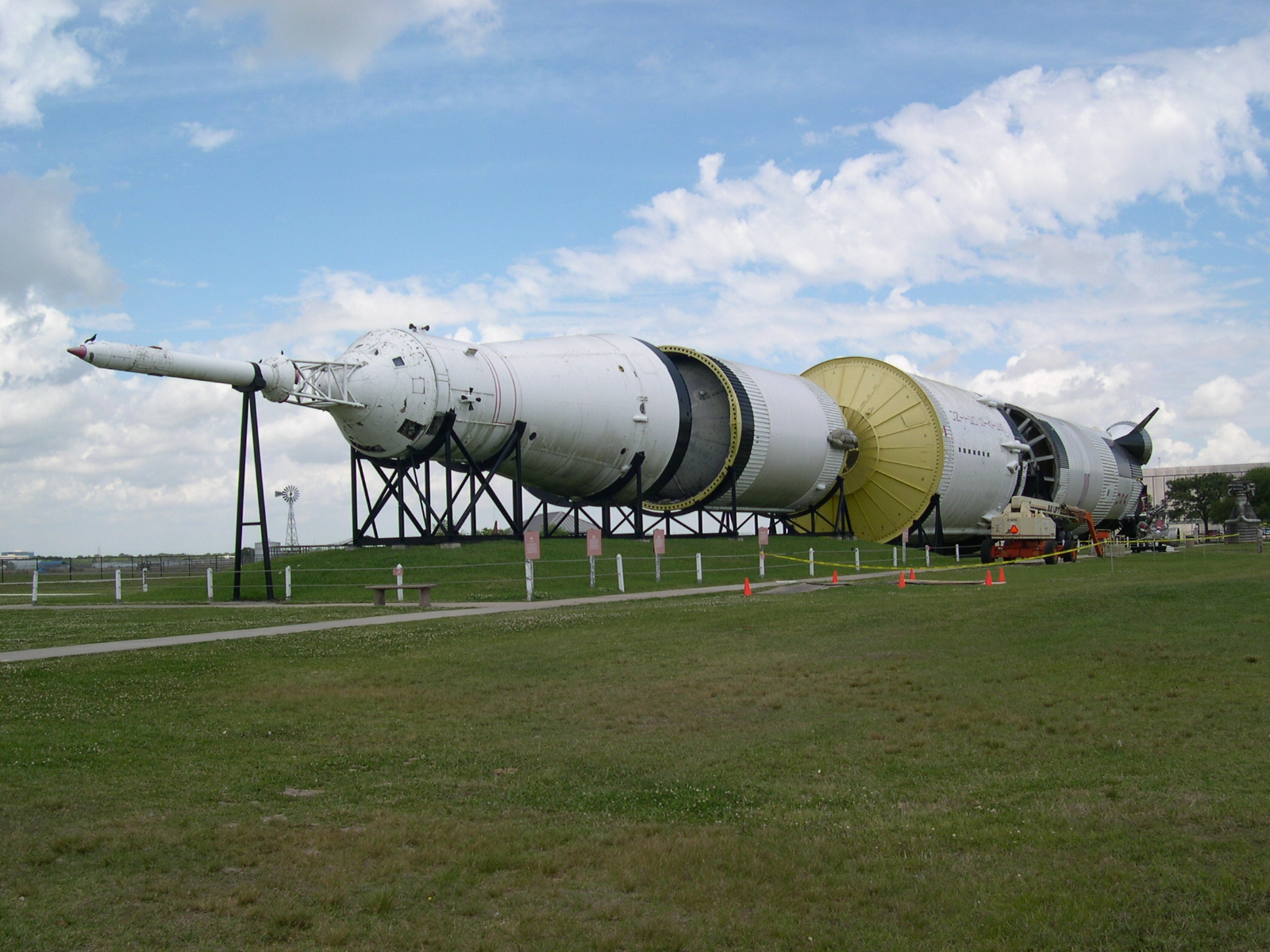
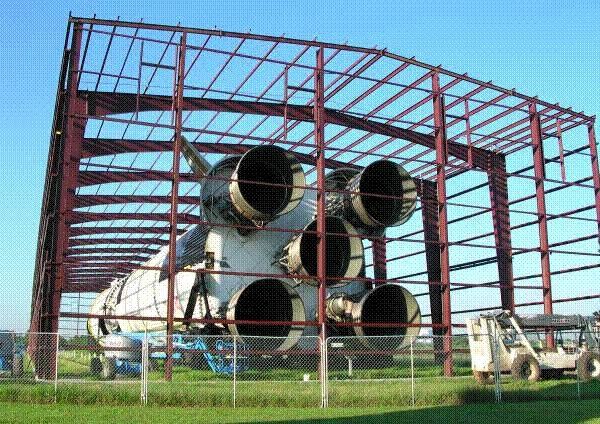
The Saturn V Rocket located at the Johnson Space Center in Houston, TX is one of three surviving space crafts that was built during the late 1960s to launch Americans to the moon. Measuring 363-feet-long and capable of generating 7. 5 million pounds of thrust, the Saturn V remains the largest, most powerful American launch vehicle ever built.
On display outdoors since 1977, the rocket exhibited widespread paint failure, moisture infiltration, structural failures, overall accumulation of atmospheric and biological soiling, and severe corrosion of its complex system of metal alloys, including aluminum (extruded, cast, and milled) and aluminum honeycomb sandwich. Non-metal materials such as spray-on polyurethane foam, cork, and various types of plastic, phenolic resin, and fiberglass composites, had significantly deteriorated.
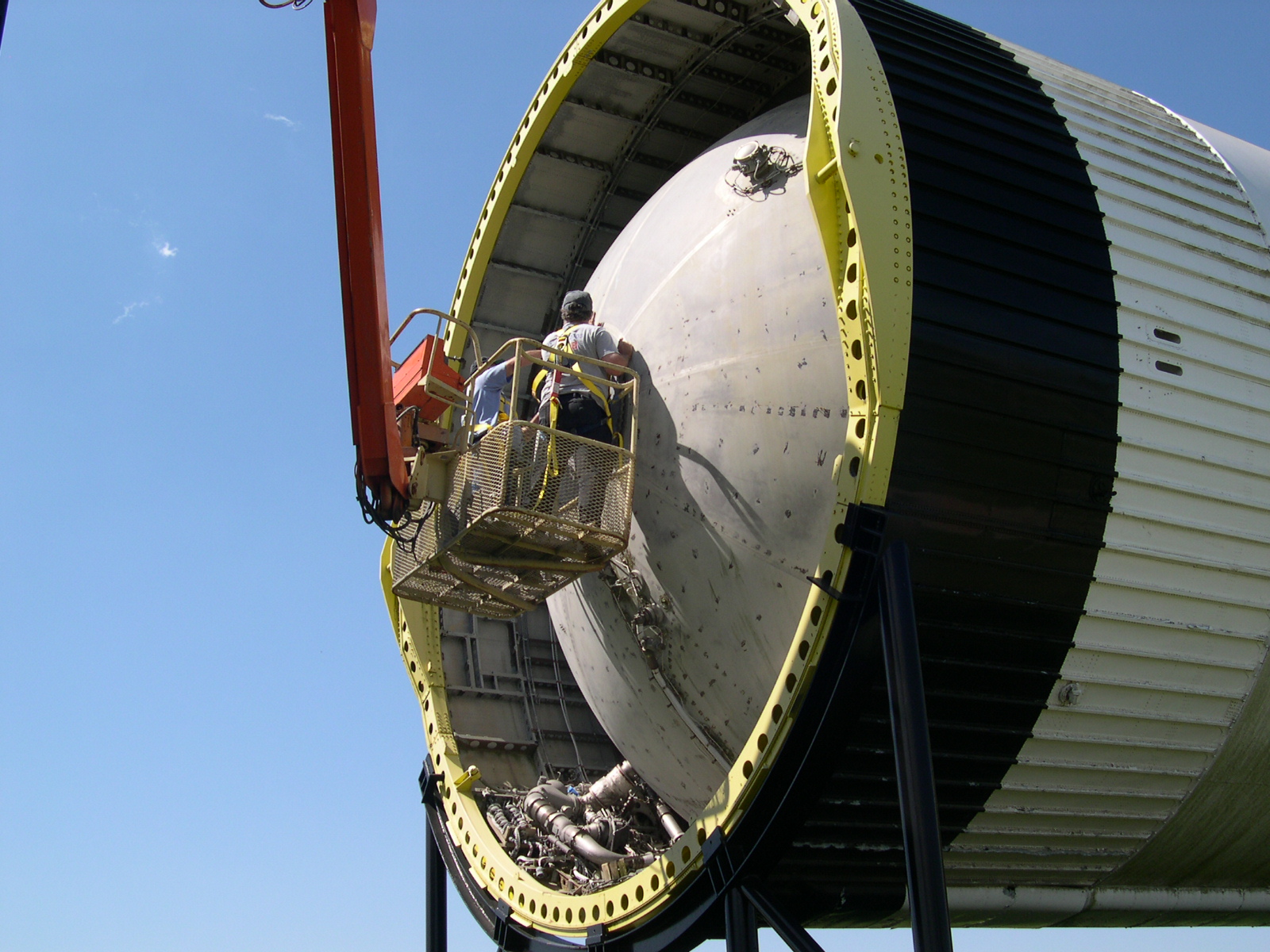
EverGreene was engaged to stabilize and restore the Saturn V Rocket between 2004 and 2006 in preparation for its move to a newly constructed display space. EverGreene initially worked in conjunction with a structural engineer and corrosion engineer to perform a detailed conditions assessment, documenting observed conditions photographically and on survey drawings. The purpose of the assessment was to identify root causes of observed deterioration and to provide appropriate interventional treatments and repair to reduce or arrest the rate at which the materials were deteriorating. Material samples were removed for analysis, including paint layers, powder corrosion products, and microbiological specimens. Those were tested to determine the safest methods for removing coatings, corrosion, soiling, surface contaminants and repair losses.
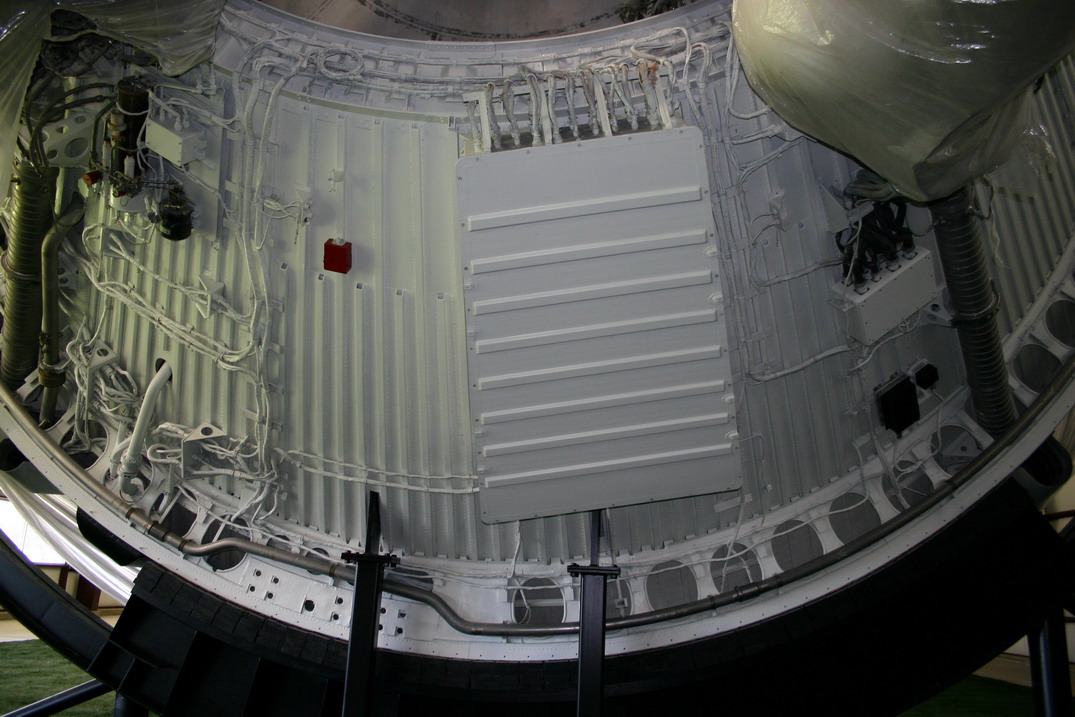
Once work began, the various sections of the rocket were separated, allowing further investigation and assessment. It was determined that the existing display stands of the Service Module (SM) and Command Module (CM) were no longer structurally sufficient. EverGreene worked with structural engineers to develop a display solution that was sound but also minimized the use of highly visible, non-original external supports. An aluminum box beam was installed to span the length of the interior space of the SM, fastened to the fore and aft bulkheads, also newly reinforced. The existing SM display stand was modified and reinforced to incorporate new, strengthened transitions between the SM and the CM (foreward), and SLA (aftward). An entirely new CM display ring was fabricated; this structure was attached to the existing SM display frame. The new display ring was discretely situated between the CM and SM, allowing the CM to “float” without a visually obtrusive, free-standing frame underneath.
Following stabilization, conservators performed the necessary treatment work on the rocket based upon the findings and recommendations from the conditions assessment. General treatment included the removal of debris using high pressure waterjets (>25,000psig). More fragile materials were stripped of their coatings using chemical gels. Corrosion was treated and metal failures were repaired in kind. Structural repairs were designed by engineers and installed to return stability to significant features. Modified and new display stand components were designed for the Service Module and Command Module/Launch Escape System. After all repairs were complete, the rocket was primed and painted to match the historical color and scheme previoulsy determined through paint analysis. Matching decals were custom made and installed over the paint system.