Collections Care At The Met
The Metropolitan Museum of Art can be traced back as early as 1866 when a group of Americans civic leaders, businessmen, artists, art collectors, and philanthropists collaborated on the creation of a “national institution and gallery of art” that would inspire and educate the American public. Architects Calvert Vaux and Jacob Wrey Mould designed the initial 1880s Ruskinian Gothic structure where the museum is currently housed. The building has seen significant expansion beginning as early as 1888, and the original building is almost completely enclosed, with the exception of a portion of the west facade seen in the Robert Lehman Wing. A noted addition is the museum’s 1902 Beaux-Arts Fifth Avenue facade and Great Hall, which were designed by Richard Morris Hunt. The Museum become one of the world’s great art centers by the turn of the 20th century. The museum’s collection includes artworks from across the globe, including everything from the ancient world through classical antiquity to the contemporary realm.
EverGreene has been contracted by the museum on several occasions to assist with conditions assessments, treatments, and/or deinstallation and reinstallation of works. EverGreene worked closely with the museum curators and collections staff to realize the goals for each project.
Stone Conservation
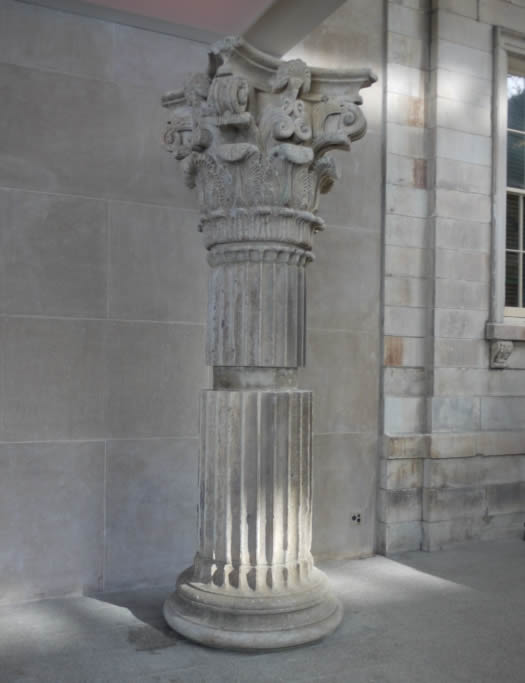
LaGrange Terrace Column: Salvaged from an architectural dumping ground in 2010 by the Met from a series of townhomes constructed in the 1830s. EverGreene created custom rigging to handle and transport the columns to the EverGreene studio for treatment and later back to the museum, where they were installed in the American Wing Courtyard.
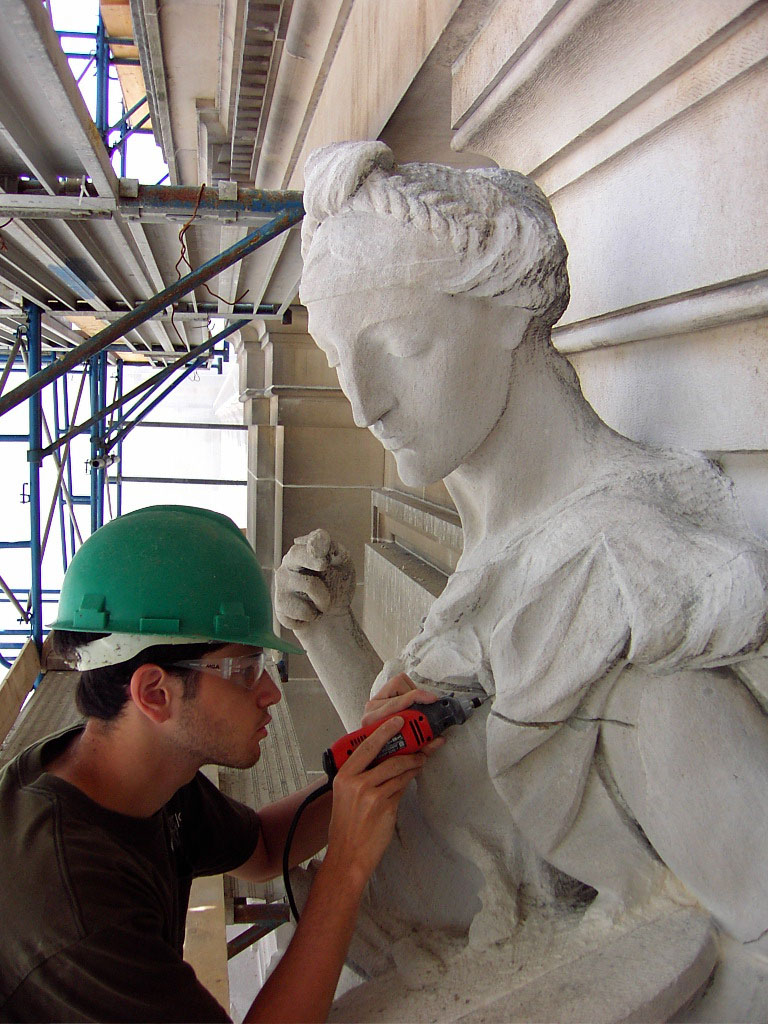
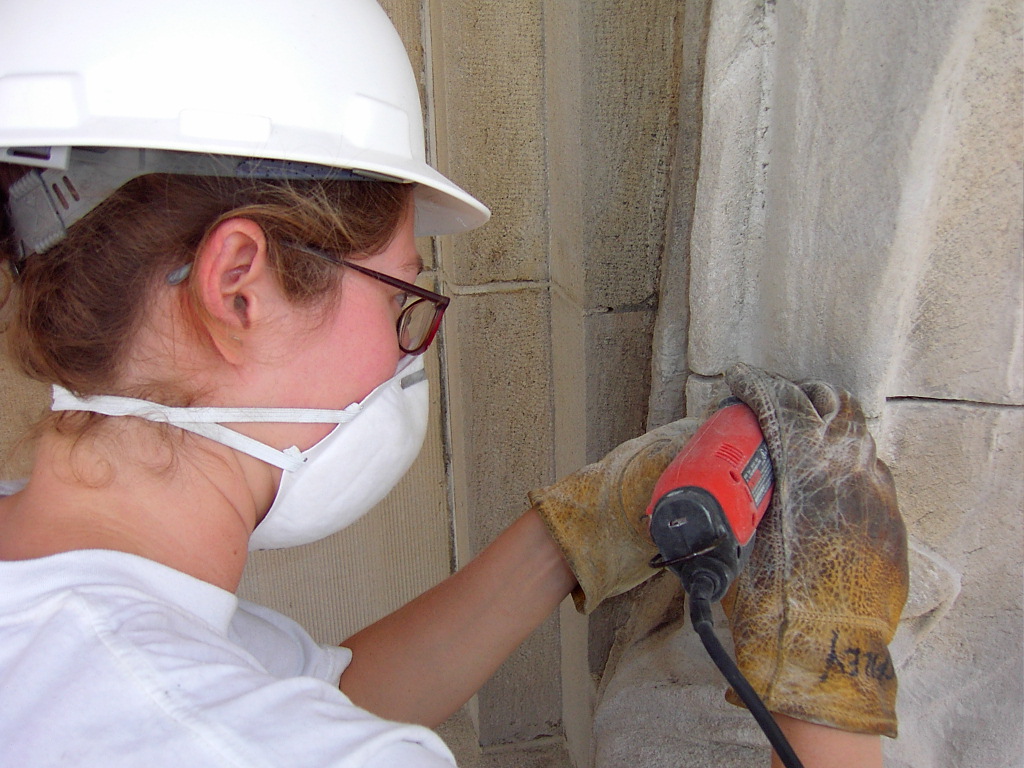
Karl Bitter’s Facade Sculptures: A set of four statues depicting the allegorical representations of the branches of the arts, which are an integral part of Richard Morris Hunt’s Beaux Arts design. Following detailed conditions assessments, EverGreene conservators performed the prescribed treatments on-site at the museum.
Gothic Limestone Windows: EverGreene was contracted to study the finishes on four 14-century windows which were salvaged from a monastery in France. Based on the results, conservators developed and implement preservation treatments that integrated new and replaced repairs from prior restorations. The stones were cleaned and consolidated, followed by inpainting with acrylic washes. New stone and mortar joints were toned using watercolors to match the historic appearance.
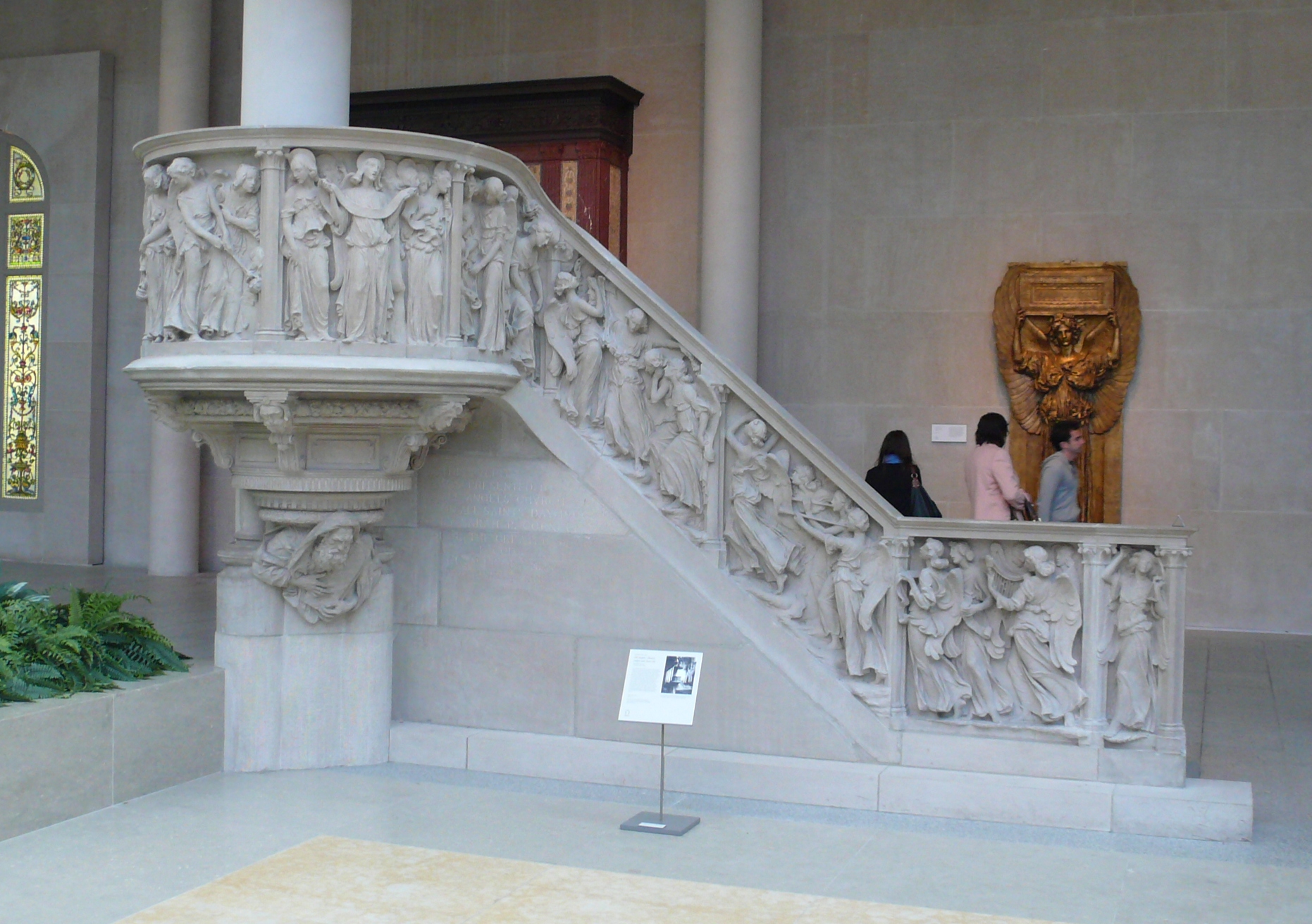
Karl Bitter’s 1890s All Angels Church Pulpit: Removal and reinstallation of four works salvaged from New York’s All Angels’ Church prior to its demolition in 1978. Each element was thoroughly evaluated and the condition documented. Recommendations were made for safe removal, storage, and reinstallation. The stones from the Bitter’s pulpit were removed and transported by hand to an offsite facility for crating by the museum. EverGreene reinstalled the pulpit in the American Wing Courtyard.
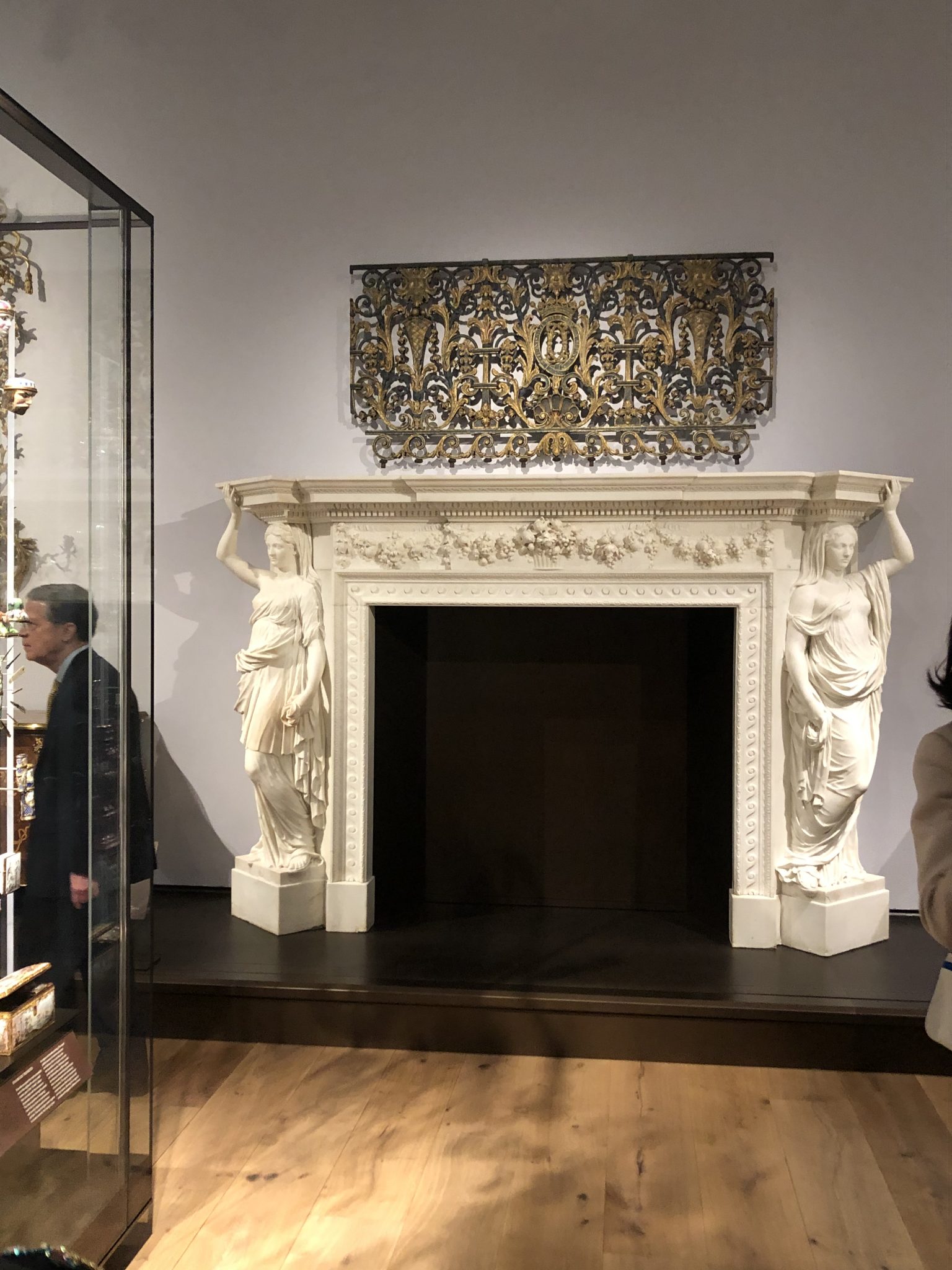
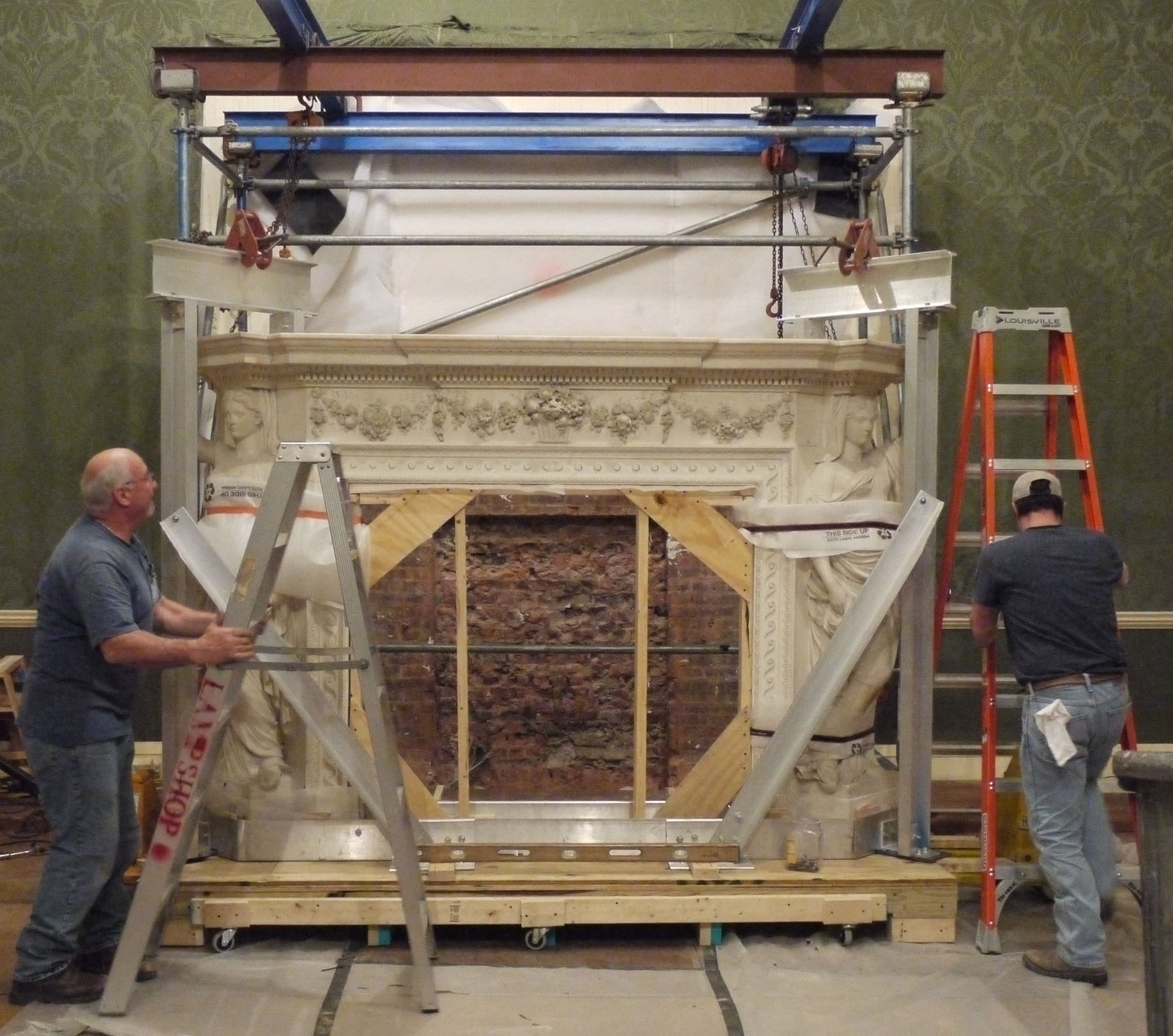
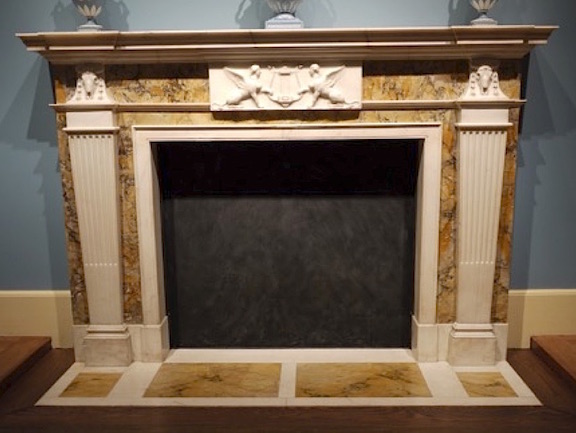
16–19th Century Fireplace Mantels: Three historic fireplace mantels required relocation prior to the planned restoration and reconfiguration of the spaces they occupied. The Norfolk and Heathcote mantles were disassembled along original assembly joints, and stabilized on pallets before being transferred to storage. The much larger Chesterfield mantel was deemed too fragile to withstand disassembly and reassembly, and a custom designed aluminum transfer frame was fabricated and installed inside and around the mantle for support during removal and storage. Following the completion of the restoration, EverGreene reinstalled the two of the historic stone mantles in the British Decorative Arts Gallery.
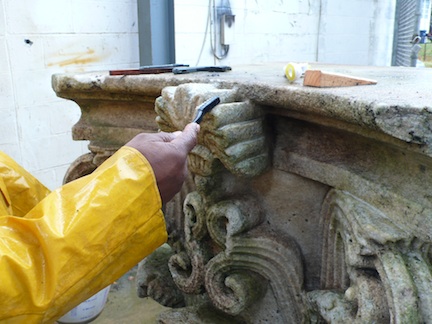
Each work required its own custom treatment protocol, however general procedures included: cleaning to remove atmospheric and biological soiling and gypsum crusts, removal and replacement of failed mortar joints and patches, dutchman repairs, injection fills, removal and replacement of inappropriate repairs, and replacement of losses and missing elements.
Laurelton Hall Exhibit
EverGreene was engaged for conservation assessments and treatments of several architectural features of Laurelton Hall—Louis Comfort Tiffany’s home and country estate a few miles from Oyster Bay, Long Island—prior to an exhibition on the house at the Metropolitan Museum of Art. Hugh F. McKean, the first Director of the Morse Museum in Winter Park, Florida, managed to collect what could be salvaged from the site, following the destruction of the house by fire in 1957. The artifacts had been kept in storage at the Morse Museum.
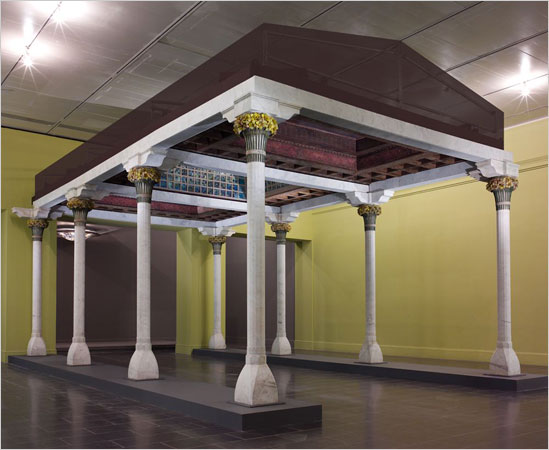
Daffodil Terrace: A marble, wood, and glass structure that once extended out from the covered portico outside the dining room.
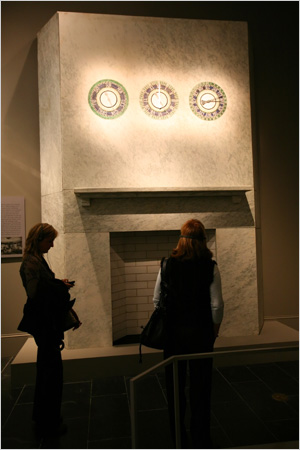
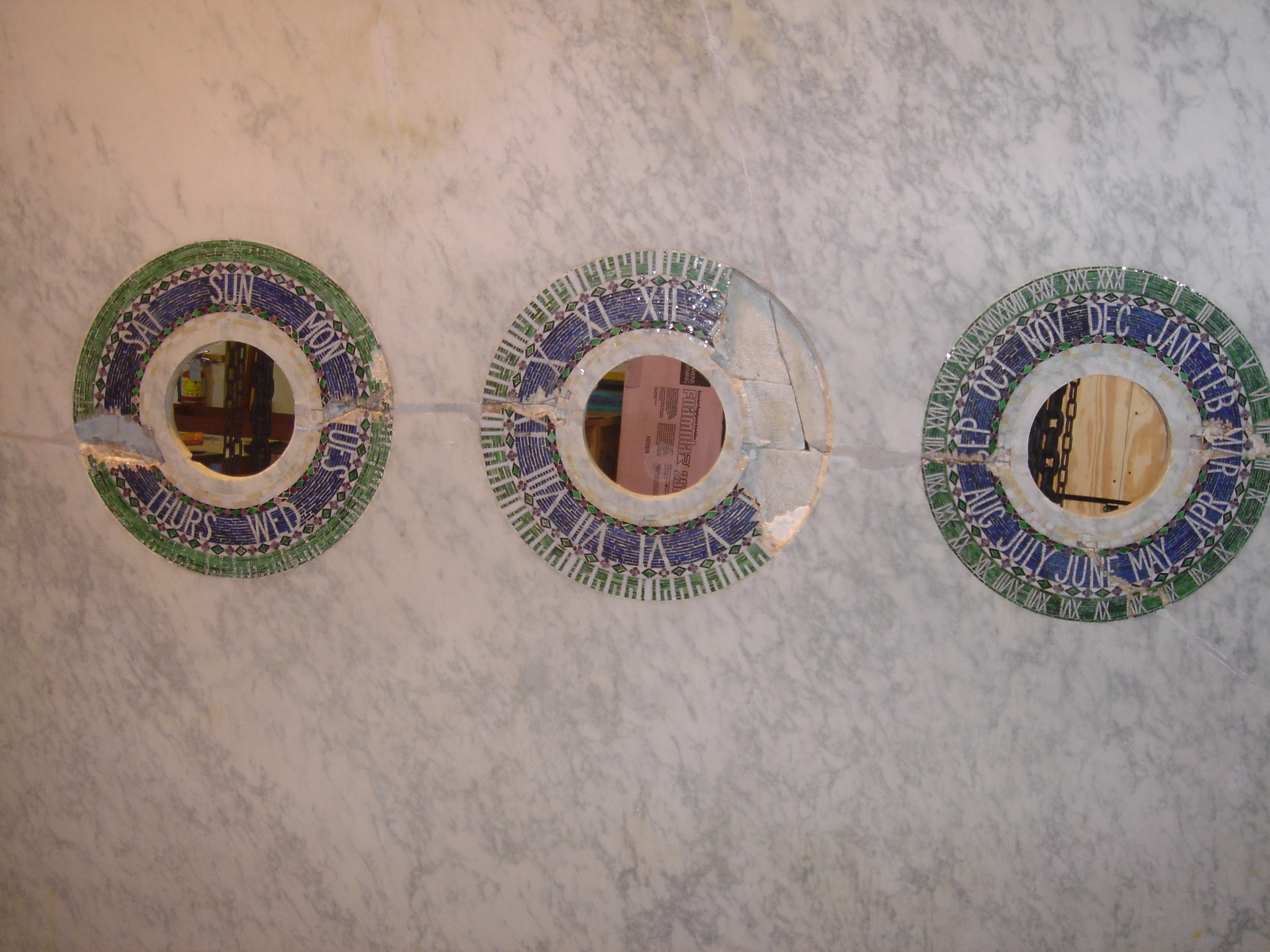
Dining Room Fireplace: EverGreene was contracted to restore and reconstruct the elegant marble & mosaic fireplace.
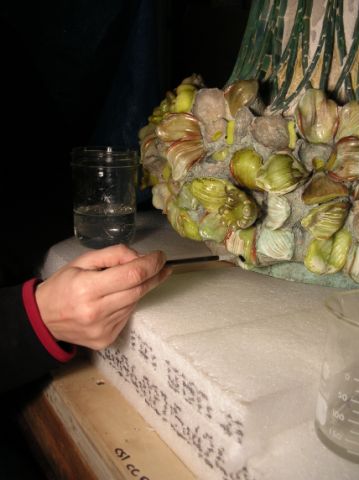
Each artifact was thoroughly cleaned, ensuring the preservation of all fragile elements. Areas requiring repair were treated, including stone repairs. This also included the removal and replacement of inappropriate previous repairs. Missing elements from the fireplace, mosaic clocks, and the terrace were re-created and faux-finished to match the originals. Structural systems that allowed for disassembly at a later point in time were created for both the fireplace and the terrace.