Ringling Estate Architecture & Art Conservation
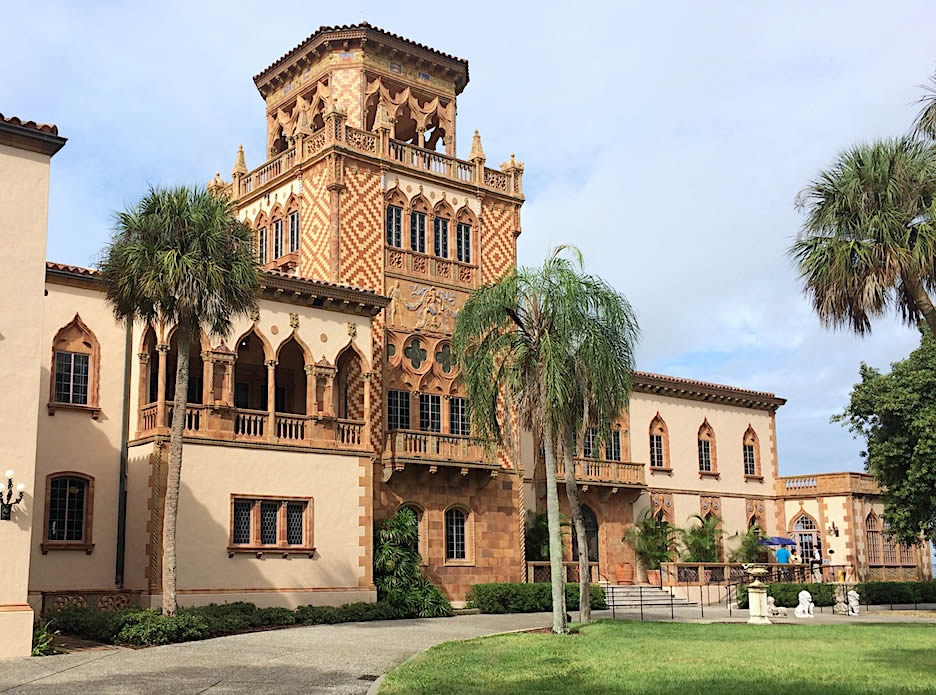
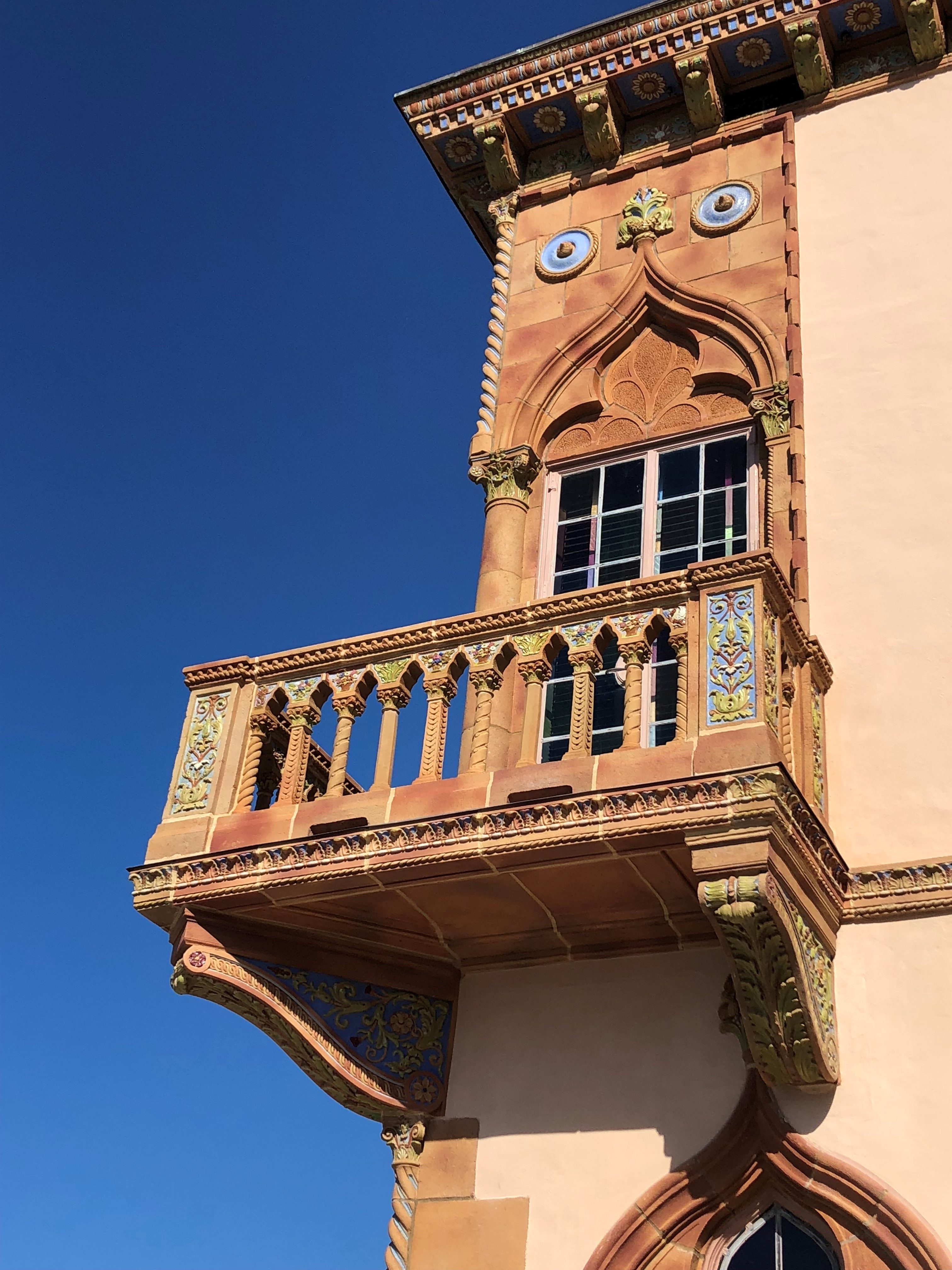
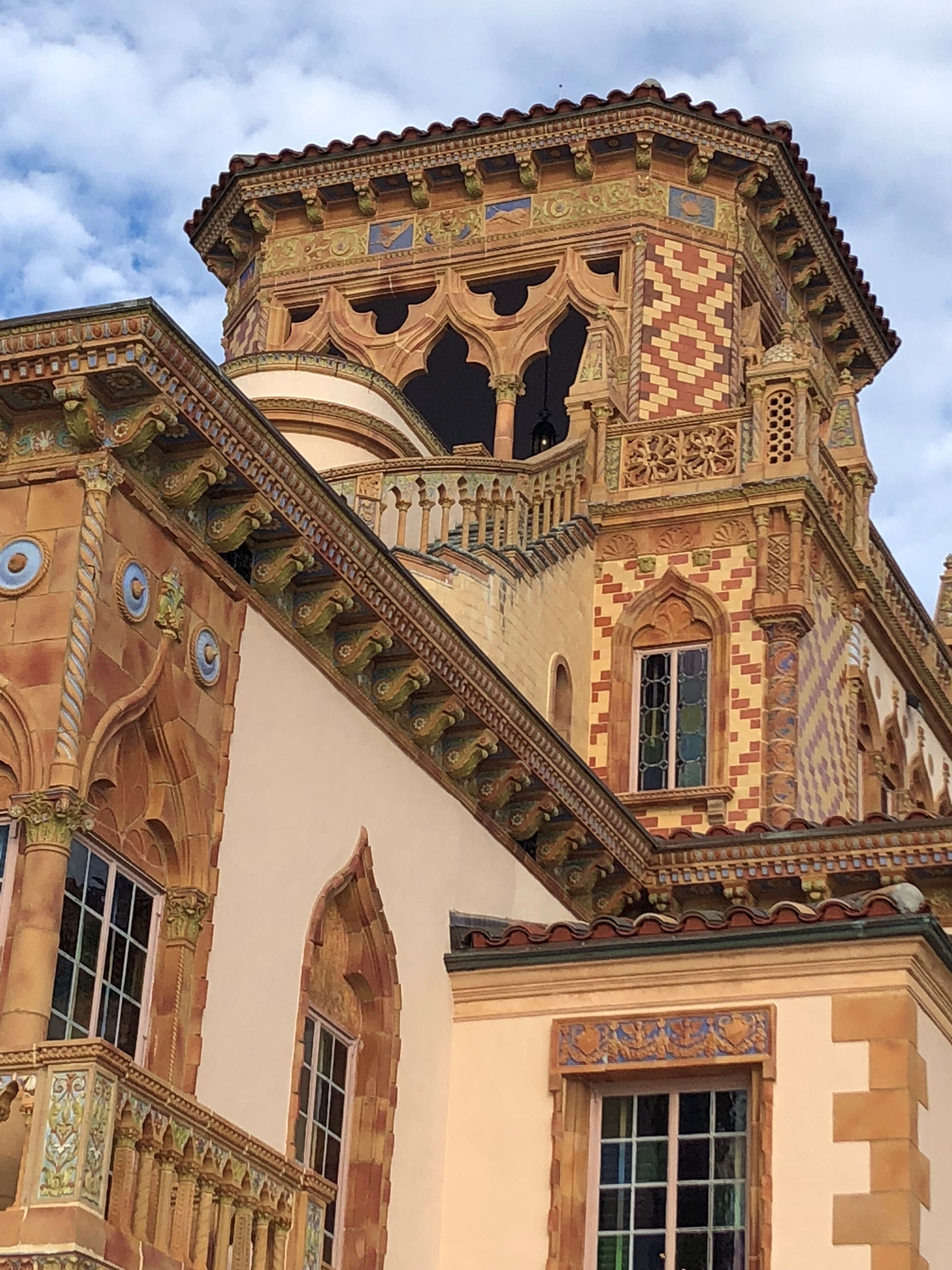
American circus mogul, entrepreneur, and art collector John Ringling and his wife Mable Burton Ringling first came to Sarasota in 1909 and purchased their waterfront estate in 1911 from Mary Louise and Charles N. Thompson. The Ringlings wintered at the existing residence on the property built in 1895 for the Thompsons, for more than a decade before they commissioned the architect, Dwight James Baum, to design a new winter residence which they called the Cà d’Zan. Cà d’Zan is a Mediterranean revival residence featureing an eclectic array of architectural styles including Venetian Gothic, Italian Renaissance, Moorish, and Spanish-inspired elements drawn from different historic periods. In 1925, John Ringling engaged architect John H. Phillips to design an art museum on the grounds of his estate. The 21-gallery museum opened the to the public in 1931. In 1936, after John Ringling’s death, the estate was bequeathed to the State of Florida.
Over the course of several years, EverGreene was engaged for a variety of architecture and art conservation initiatives.
Cà d’Zan Terra Cotta Facade
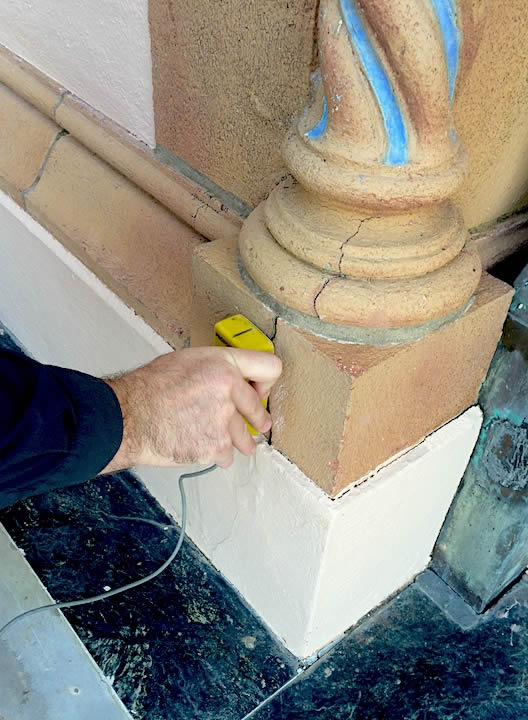
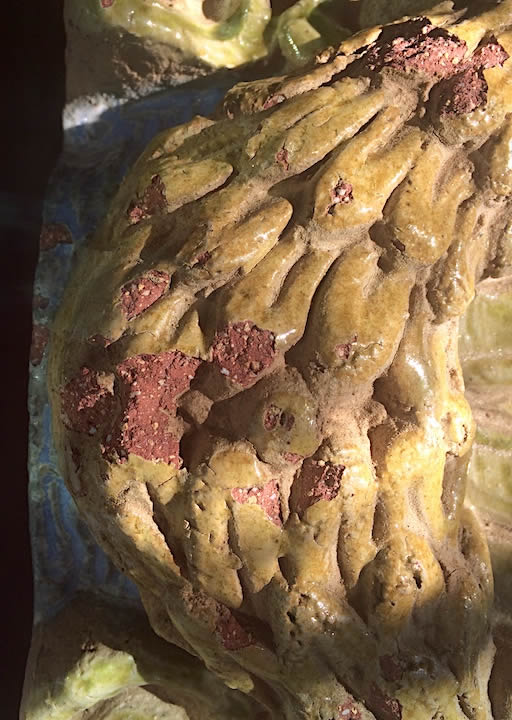
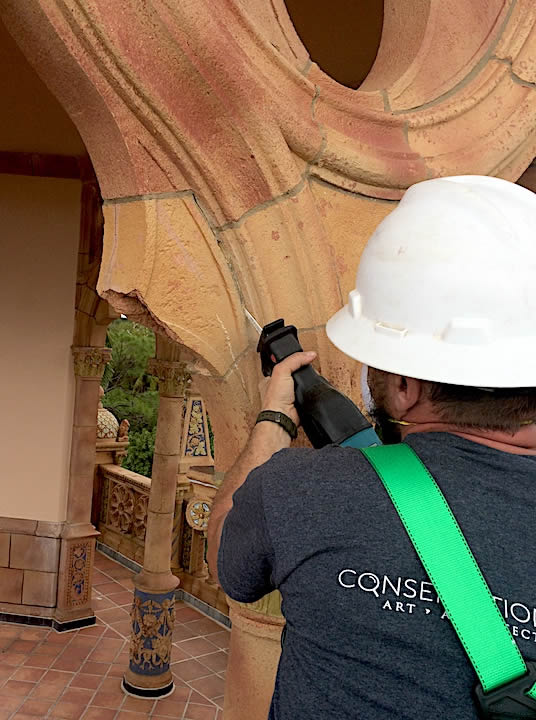
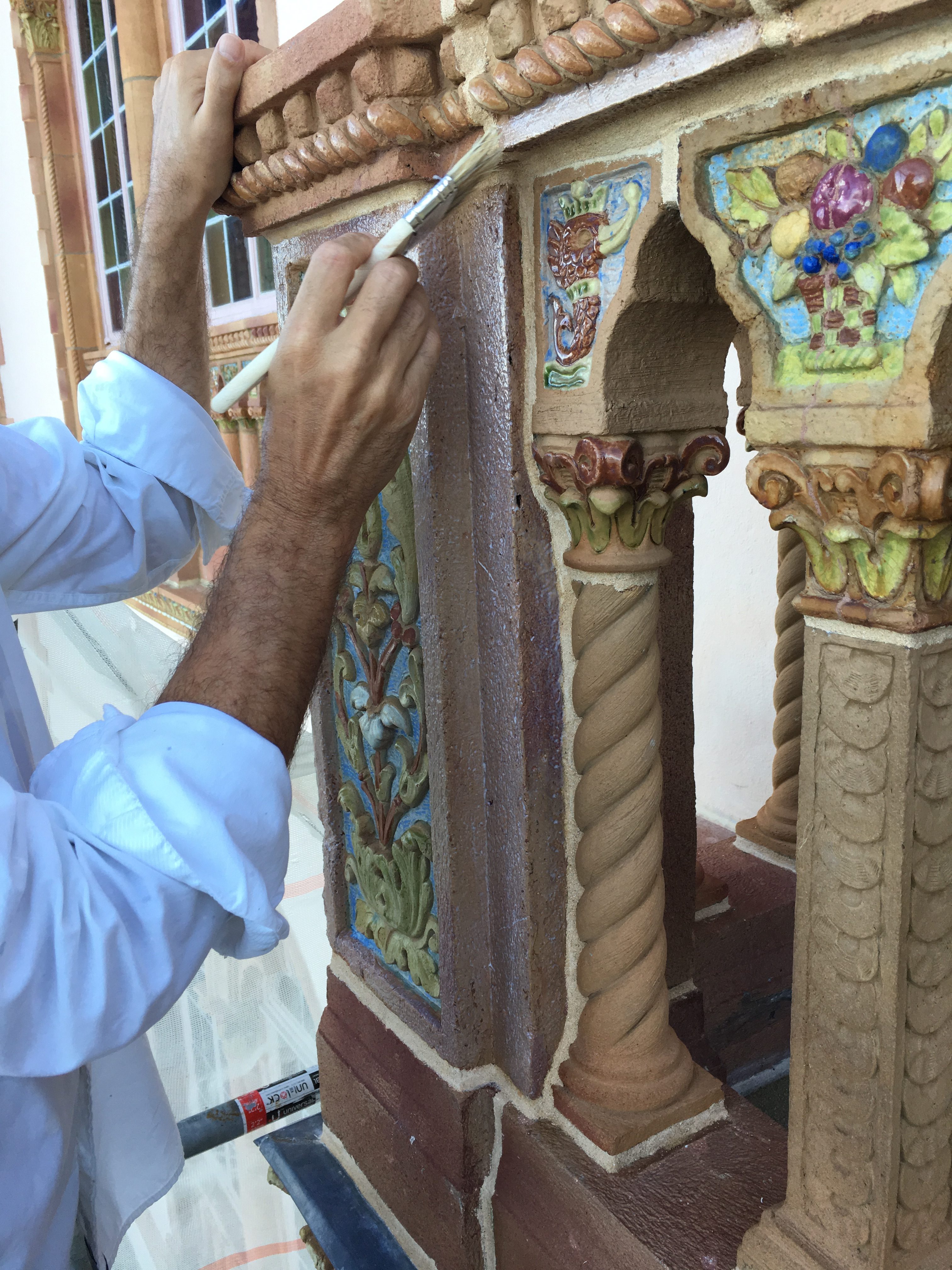
Following the condition assessment of all exterior terra cotta units on the Ca’ d’Zan, our conservators stabilized and treated select architectural features to ensure the structural integrity of the house while keeping the historical materials and color palette true to the original Venetian style. Non-destructive testing methods were applied by a consulting structural engineer on various elements on the Belvedere Tower and the southwest balcony (John Ringling’s Office Balcony). Whenever possible, original terra cotta elements were retained. Where needed, damaged and unsound units were removed, cataloged, and stored for future study.
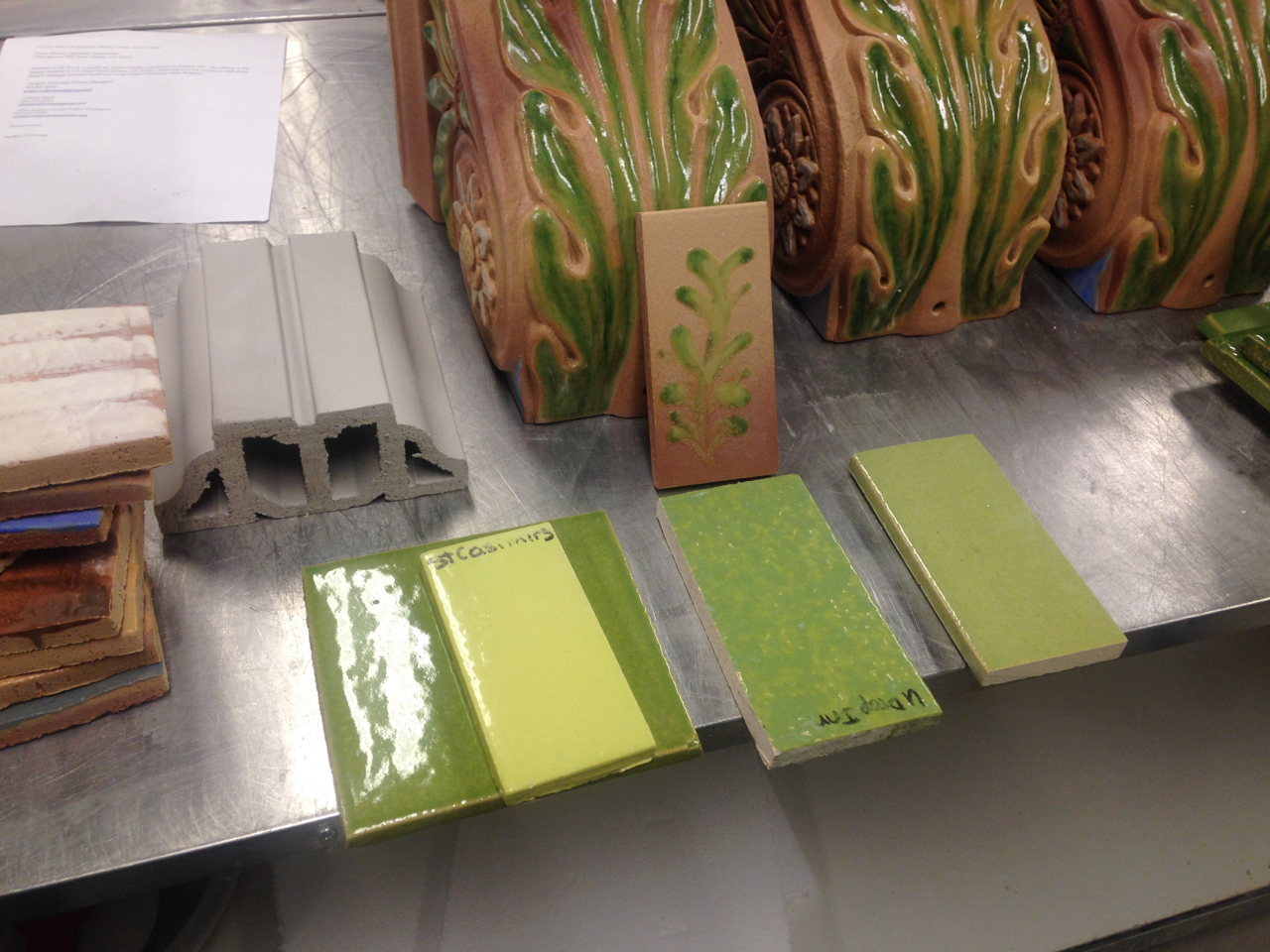
EverGreene worked with a terra cotta manufacturer to recreate the unique, ornate terra cotta elements to be used in the restoration effort. The balcony was disassembled and stabilized prior to reassembly. Original terra cotta units were cleaned, repaired, and reused whenever possible. Terra cotta elements in the Balcony and Belvedere Tower that were determined to be structurally unsound were replaced with historically accurate replicas of terra cotta with colored glazes matched to the original ornate finishes. A non-corrosive anchoring system was employed for attachment of the original and replicated terra cotta elements.
Venus de’ Medici Sculpture
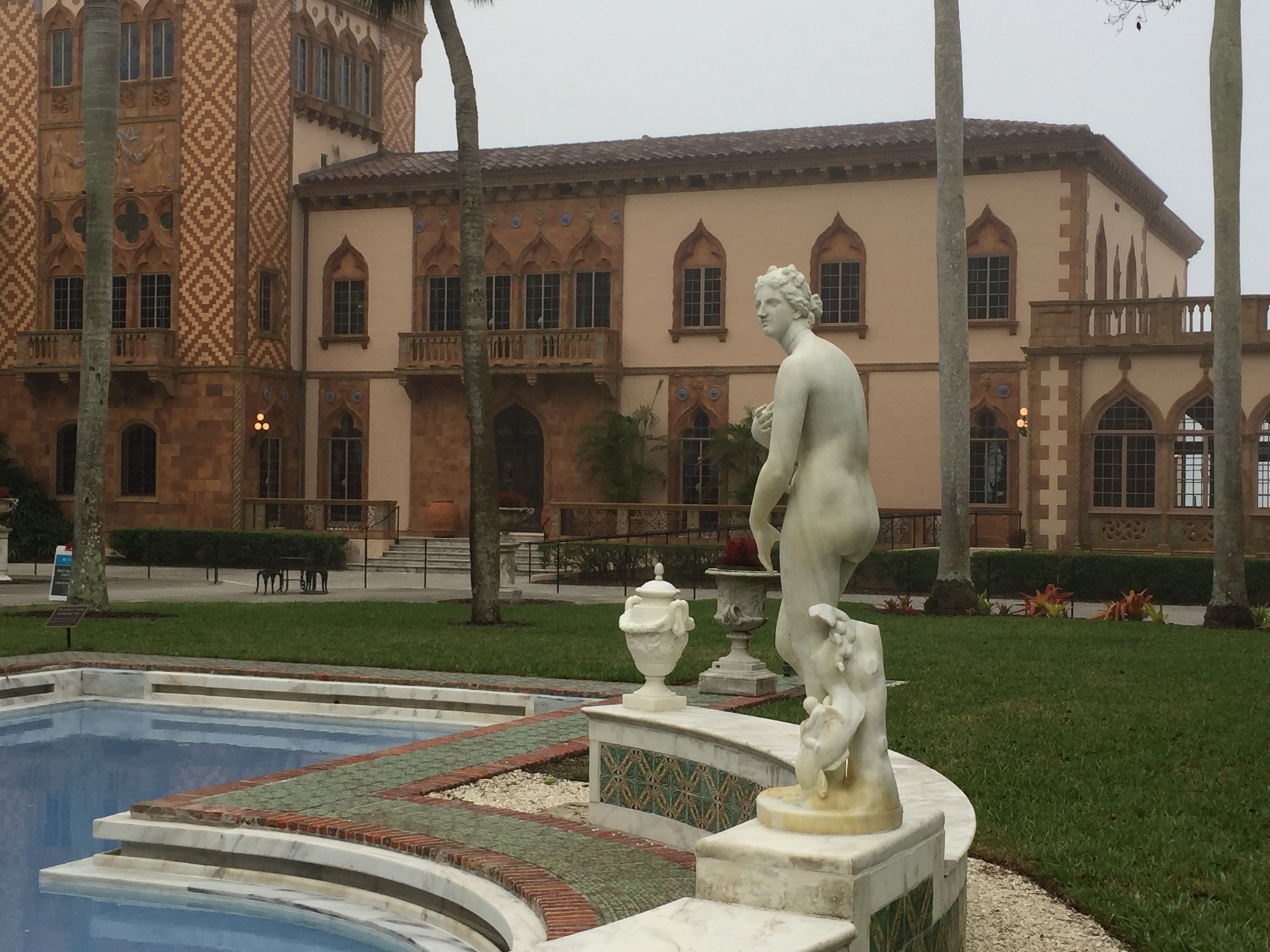
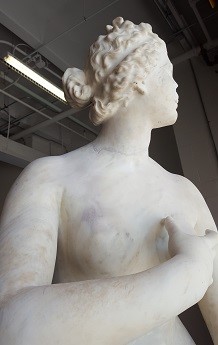
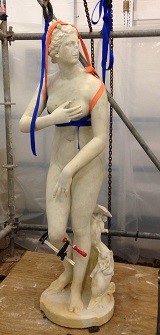
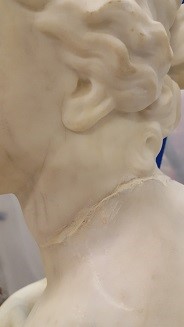
Our conservators treated a severely damaged marble version of the Venus de’ Medici that originally adorned the historic Ca’ d’Zan swimming pool. A pre-treatment assessment was performed, which identified the breaks, losses and soiling of the fragments. We developed plans to restore the work in a long-lasting and sympathetic method so that the work could be re-installed in its original outdoor setting. The marble was treated, reassembling extant fragments and stabilizing the statue for the purpose of future installation. The sculpture was cleaned, reassembled, pinned, adhered and filled. At that stage, the missing nose and fingers were not replaced.
David Statue
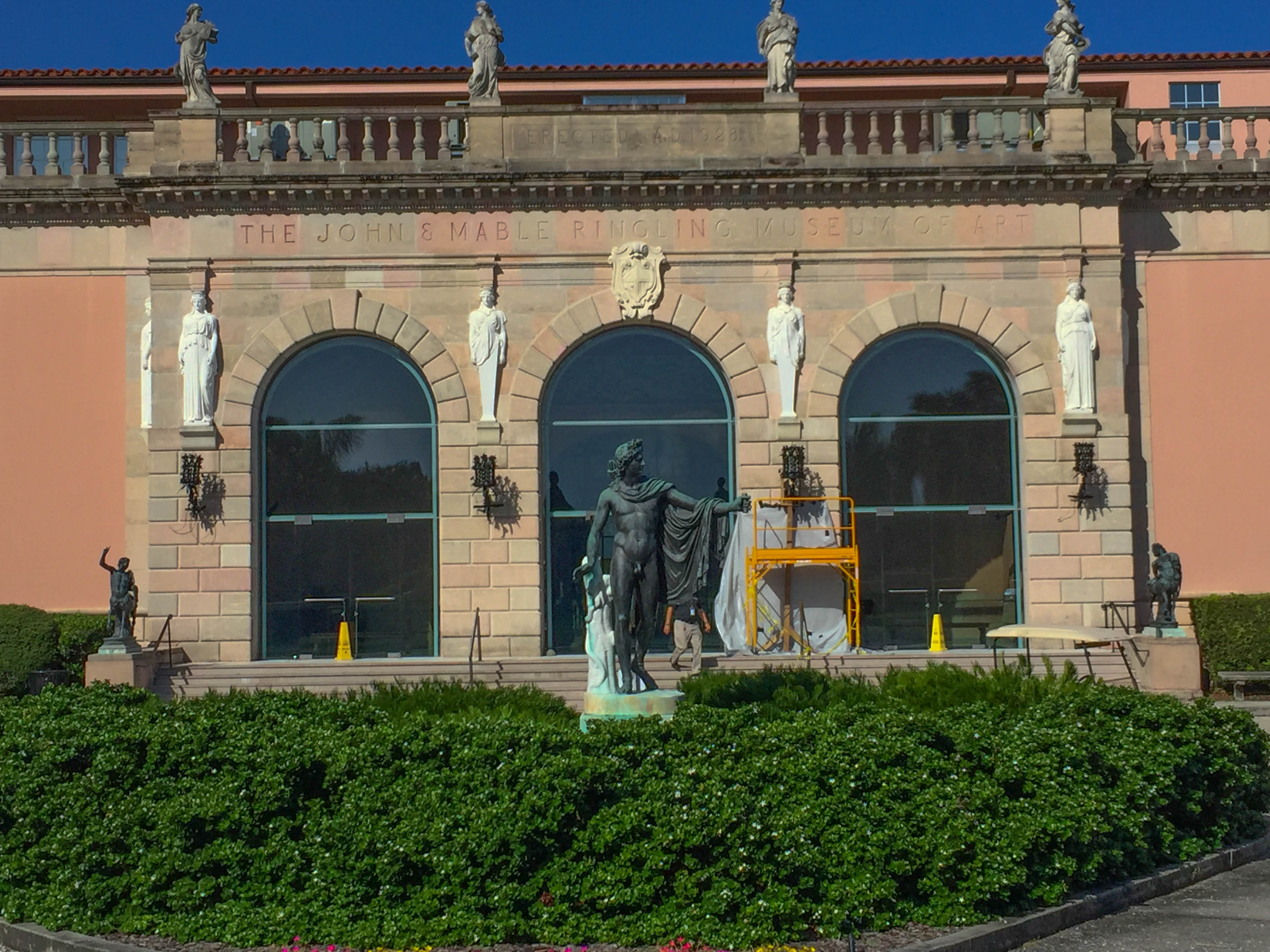
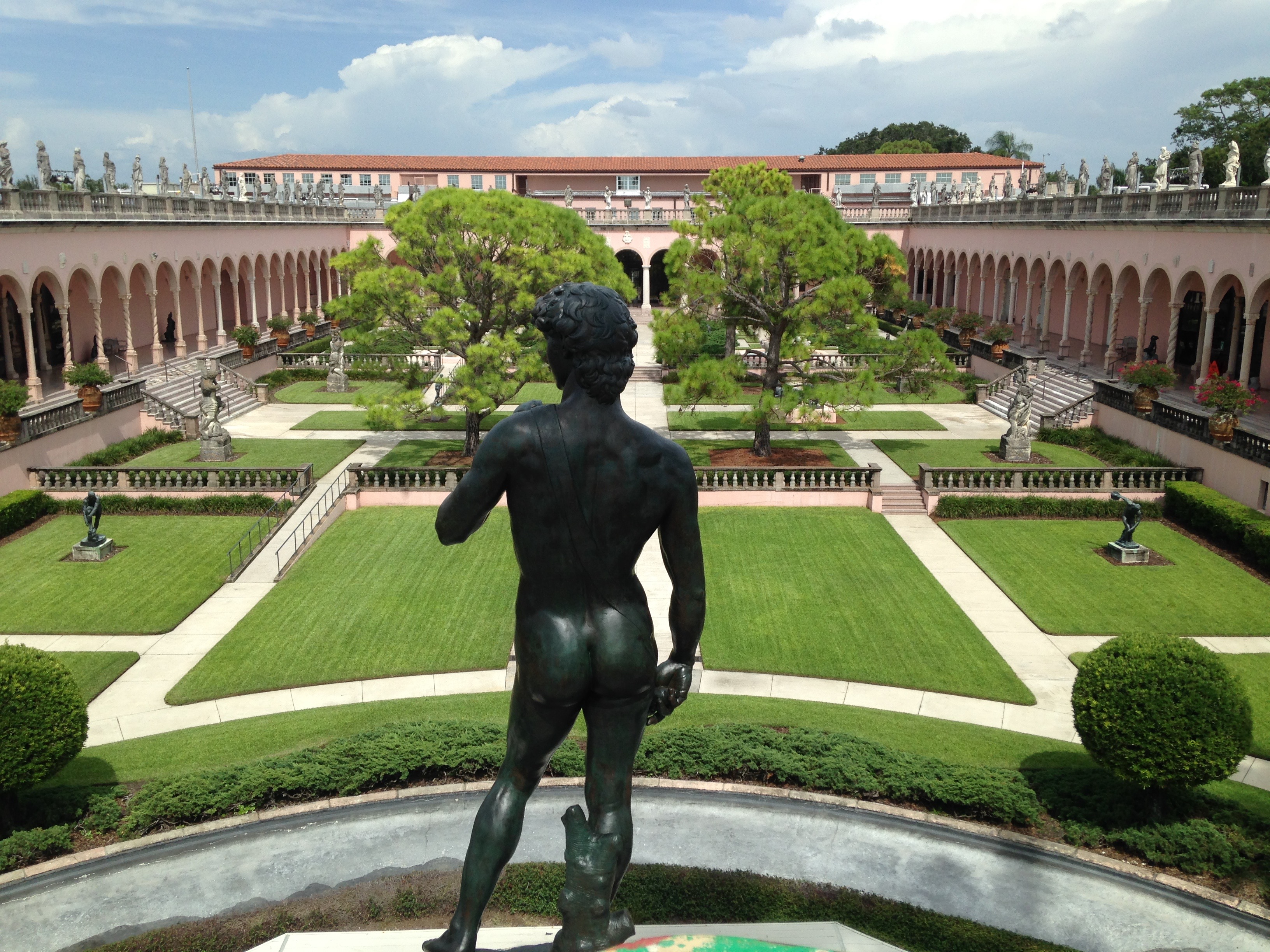
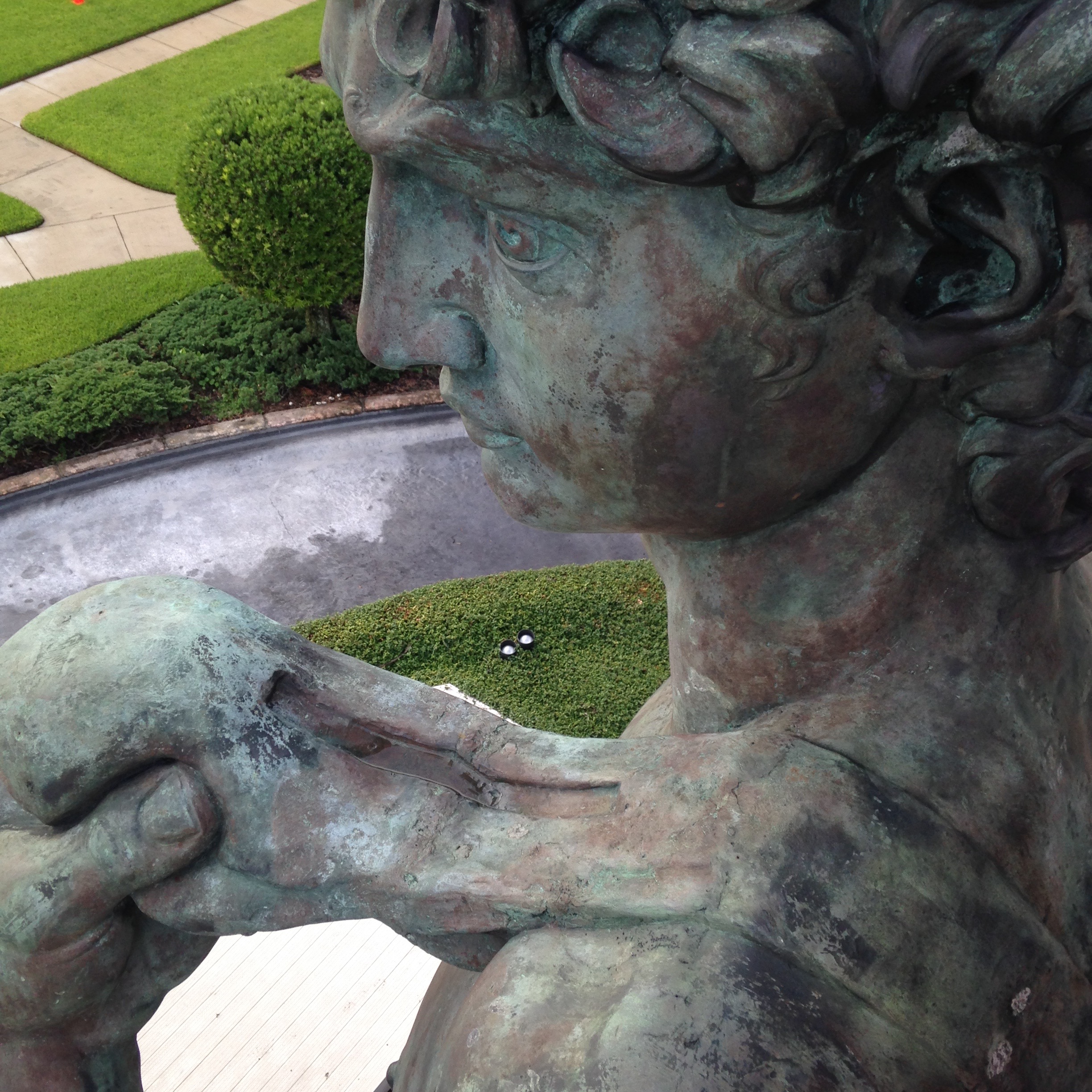
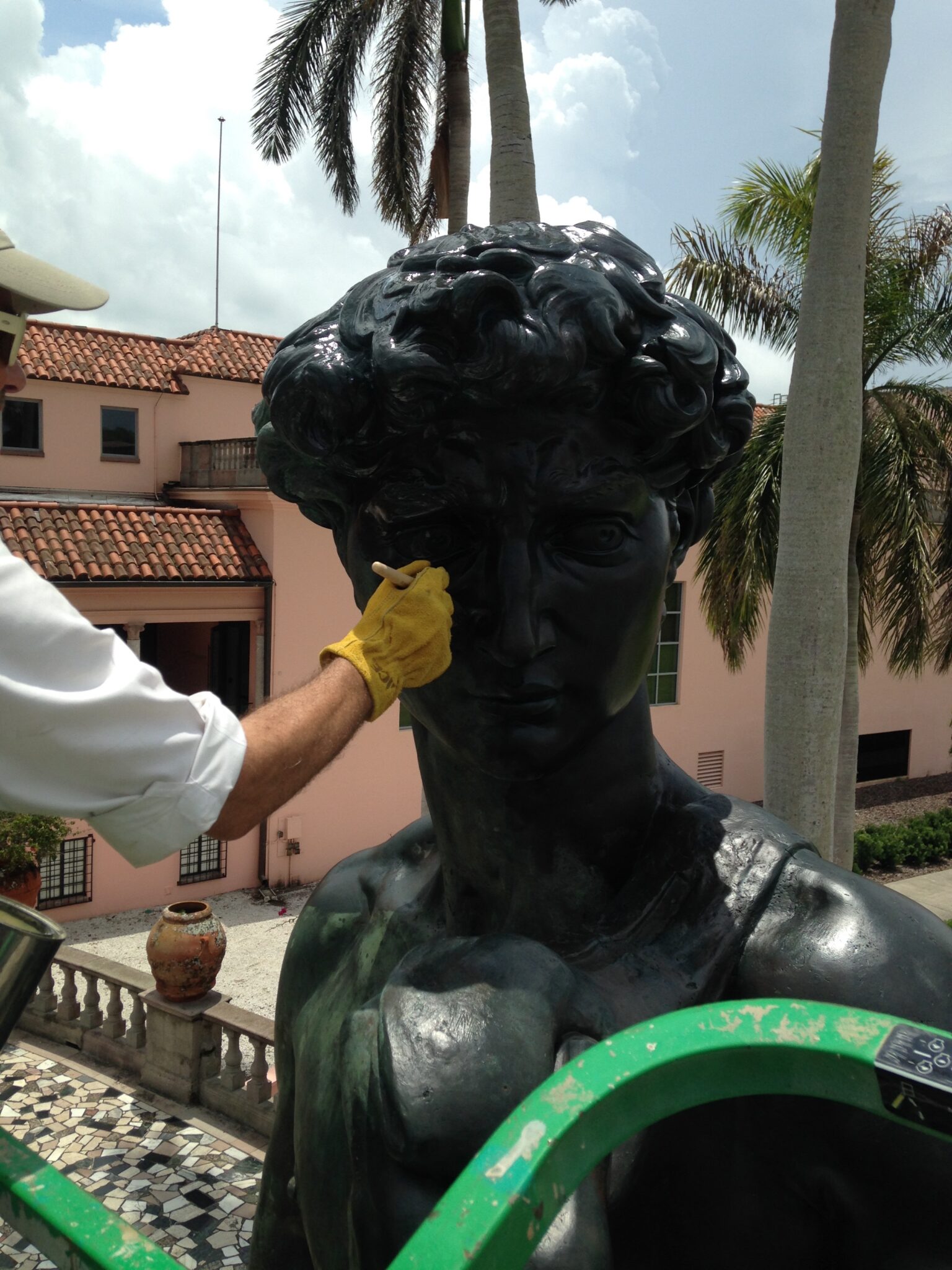
EverGreene conservators also treated the cast bronze copy of Michelangelo’s David. David sits in a prominent location in the Renaissance-style courtyard of the Museum of Art. The primary aim of the project was to clean, restore the darker original patina, and apply a protective wax coating to the bronze sculpture.
Historic Loggia Lanterns
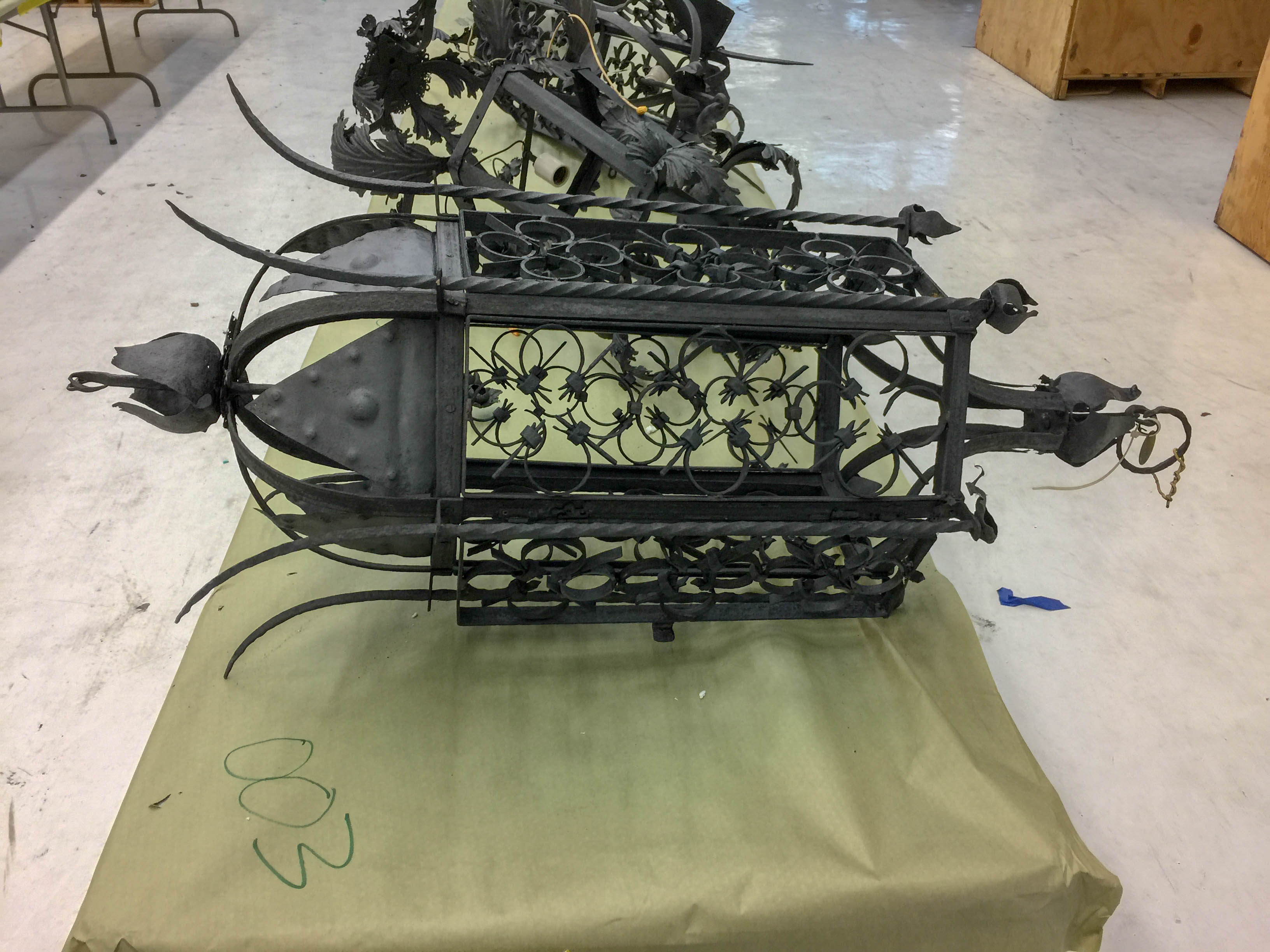
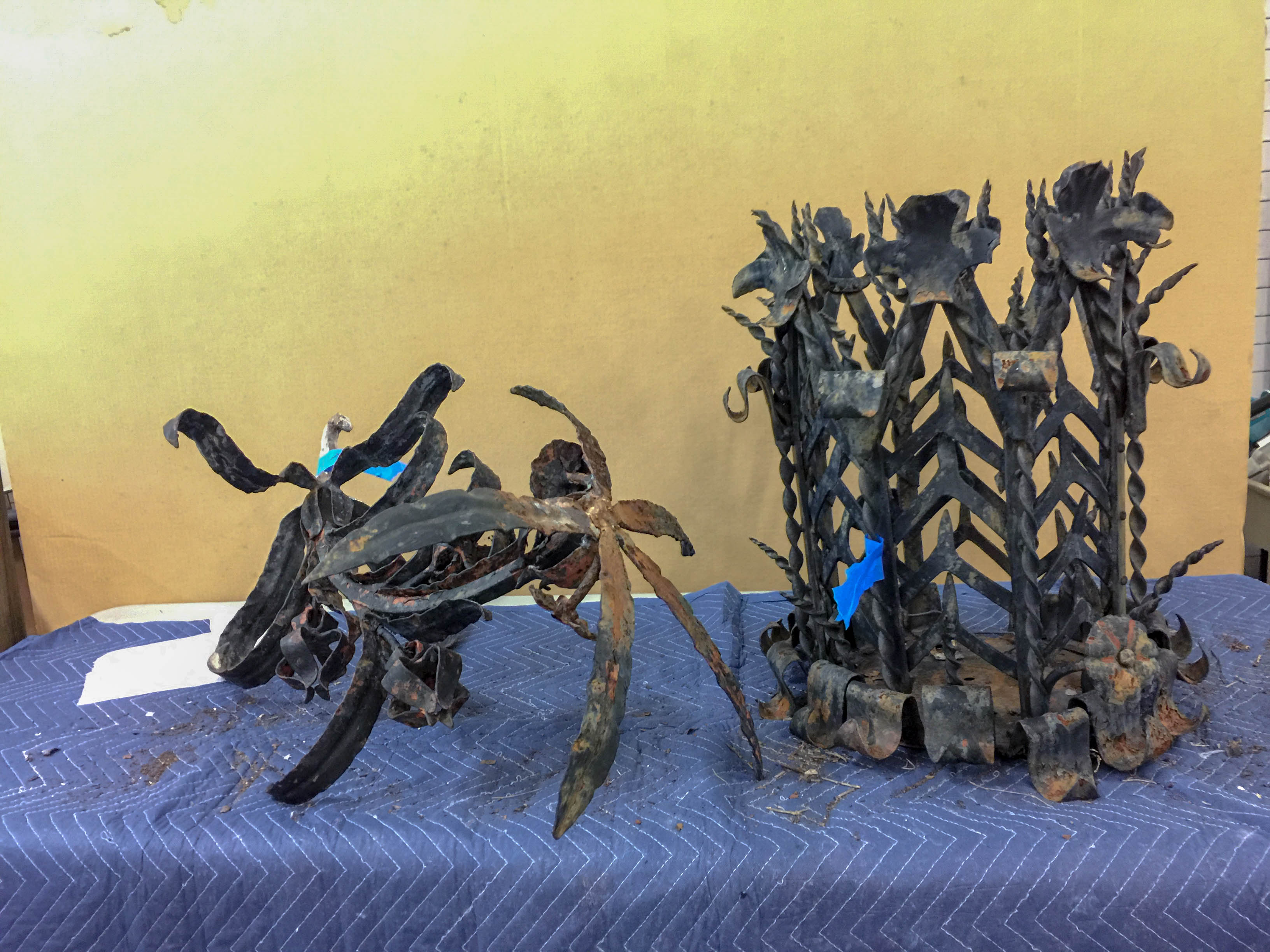
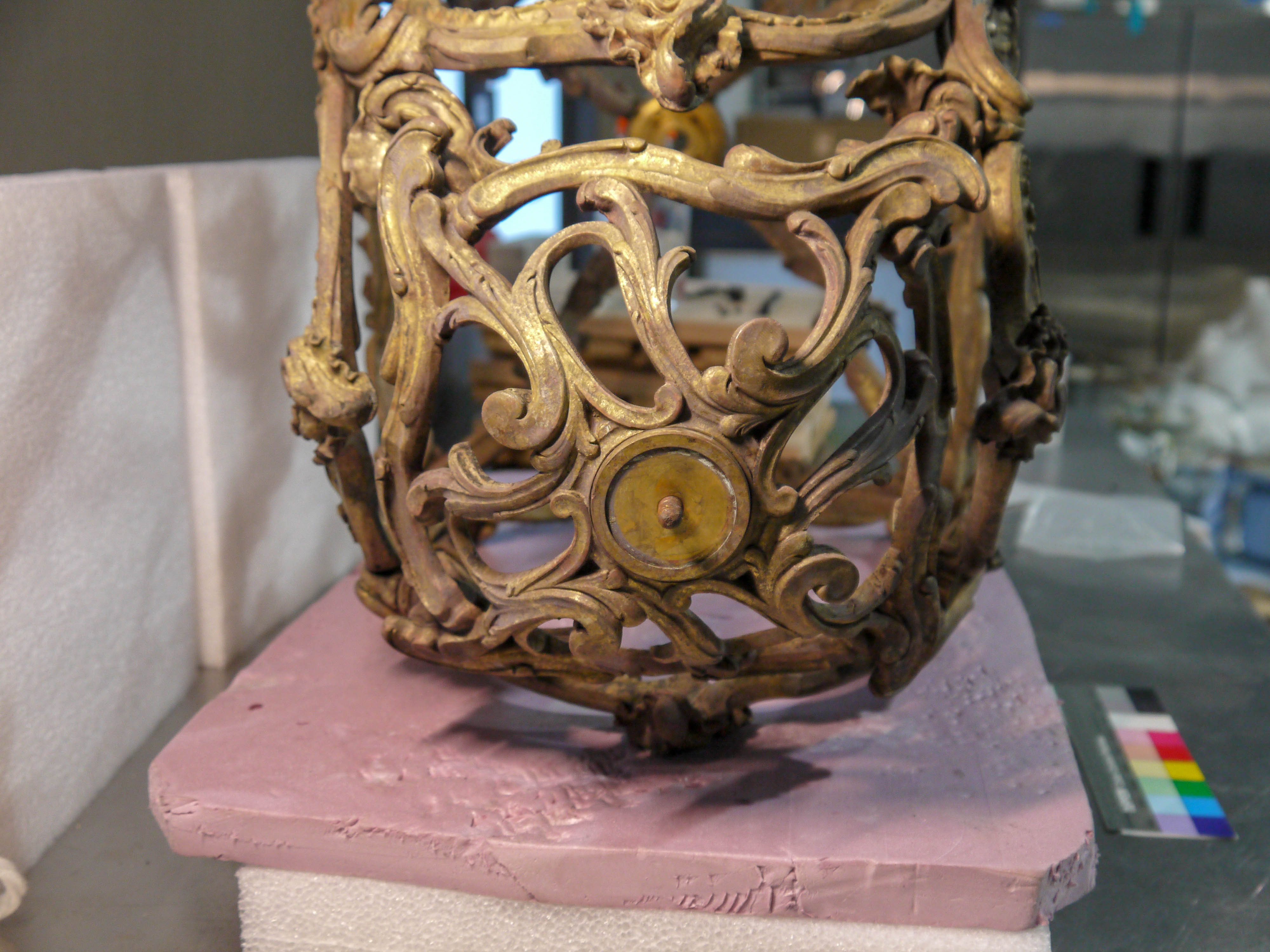
EverGreene treated 46 wrought iron lanterns and one gilt bronze lantern. The historic lanterns had embellished and illuminated the courtyard loggia and façade of the Museum of Art since the building was originally constructed. The primary goal of the project was to stabilize and protect the lanterns so that they could remain in their original locations. Many of the painted wrought iron lanterns were severely corroded due to the harsh marine climate. Rust-jacking contributed to the loss of many decorative and structural elements. General corrosion and incompatible replacement parts deformed other portions of the lanterns.
All lanterns were documented prior to commencement of work and during the treatment process. Where possible, the original elements were retained. Replacement parts were sourced directly from known manufacturers or were documented and designed to match the existing pieces. The gilt bronze lantern retained its original gilded surface and was cleaned using laser technology to protect the historic finish. The original wiring and broken fixtures were replaced with in-kind replicas. Lastly, the lanterns were coated with several protective finishes and a durable marine grade paint before being reinstalled at the museum.
Museum Service Gates
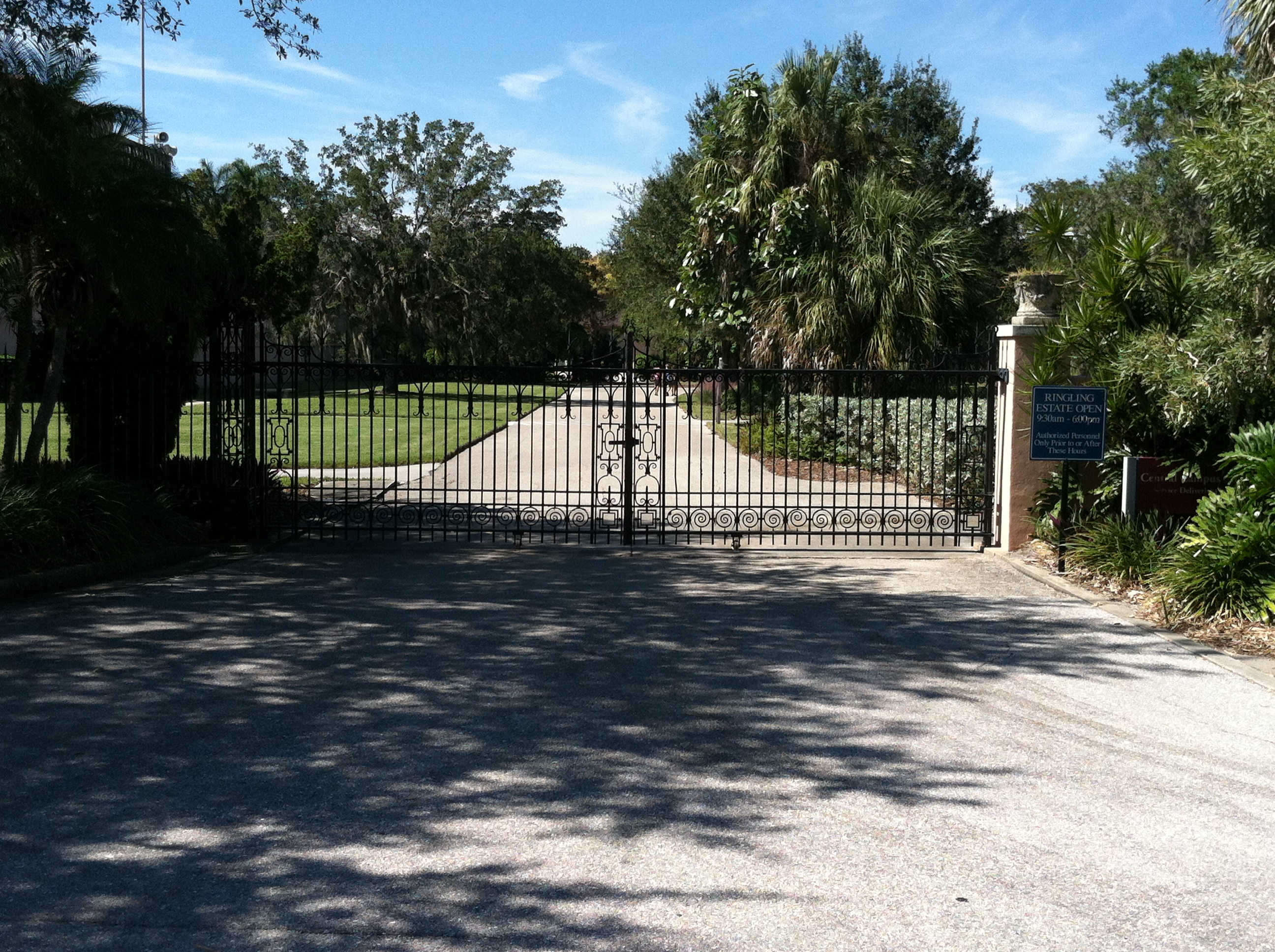
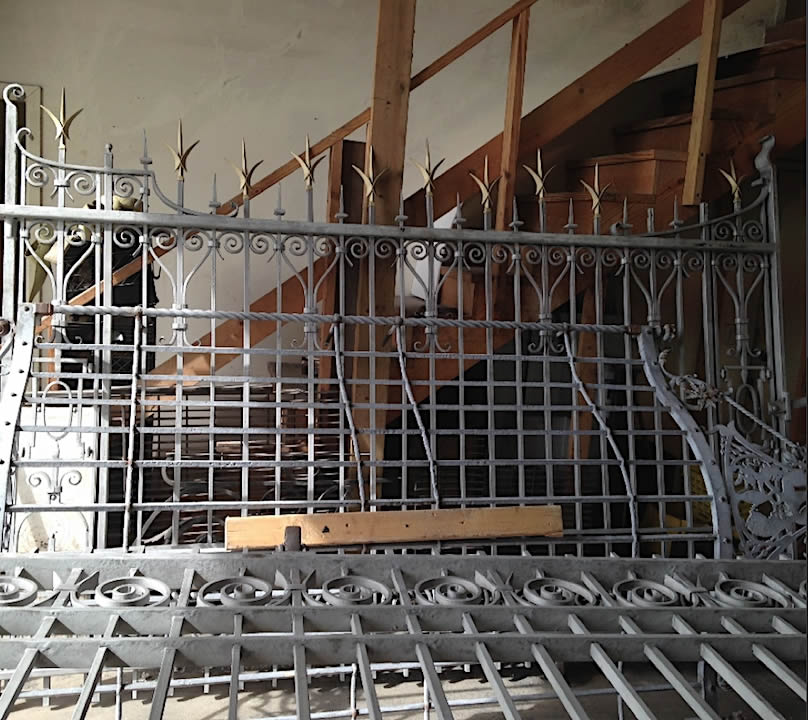
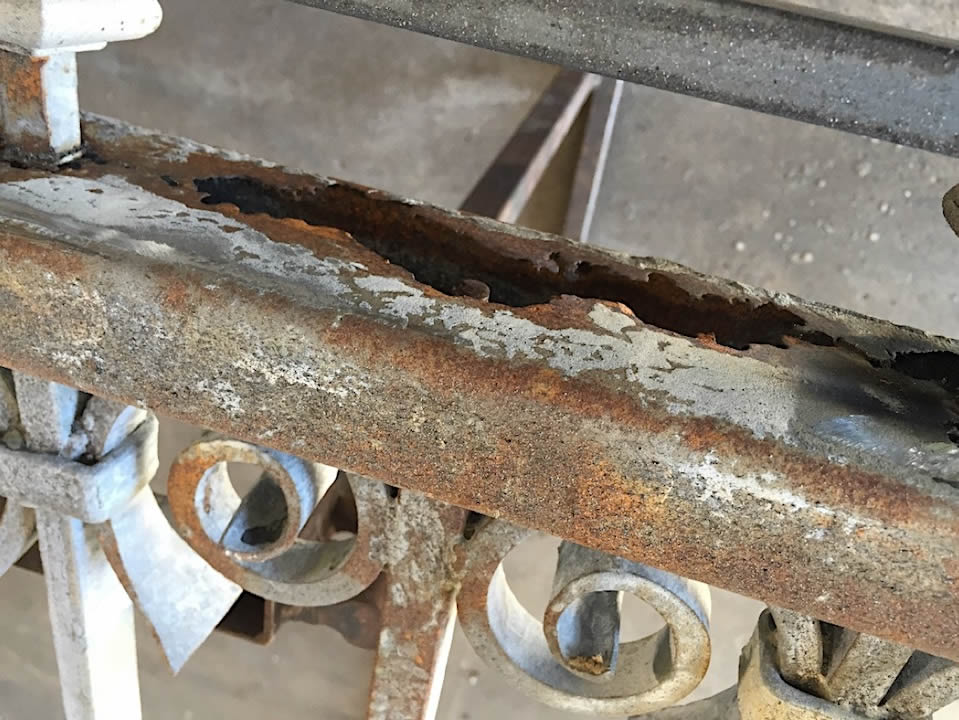
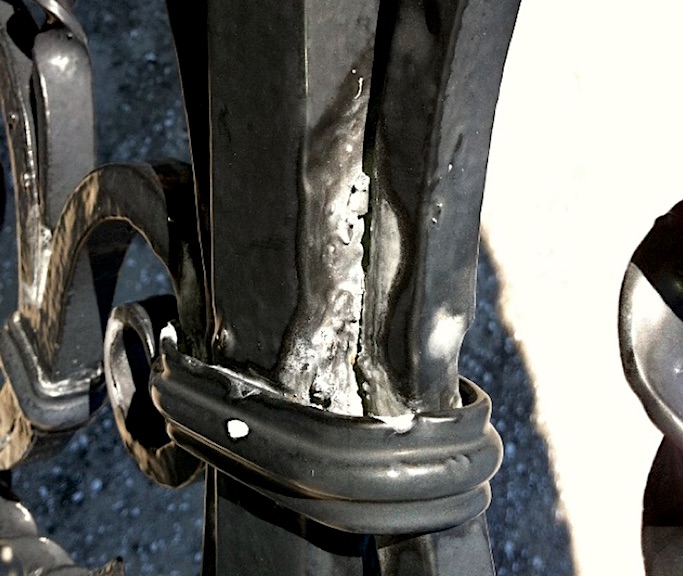
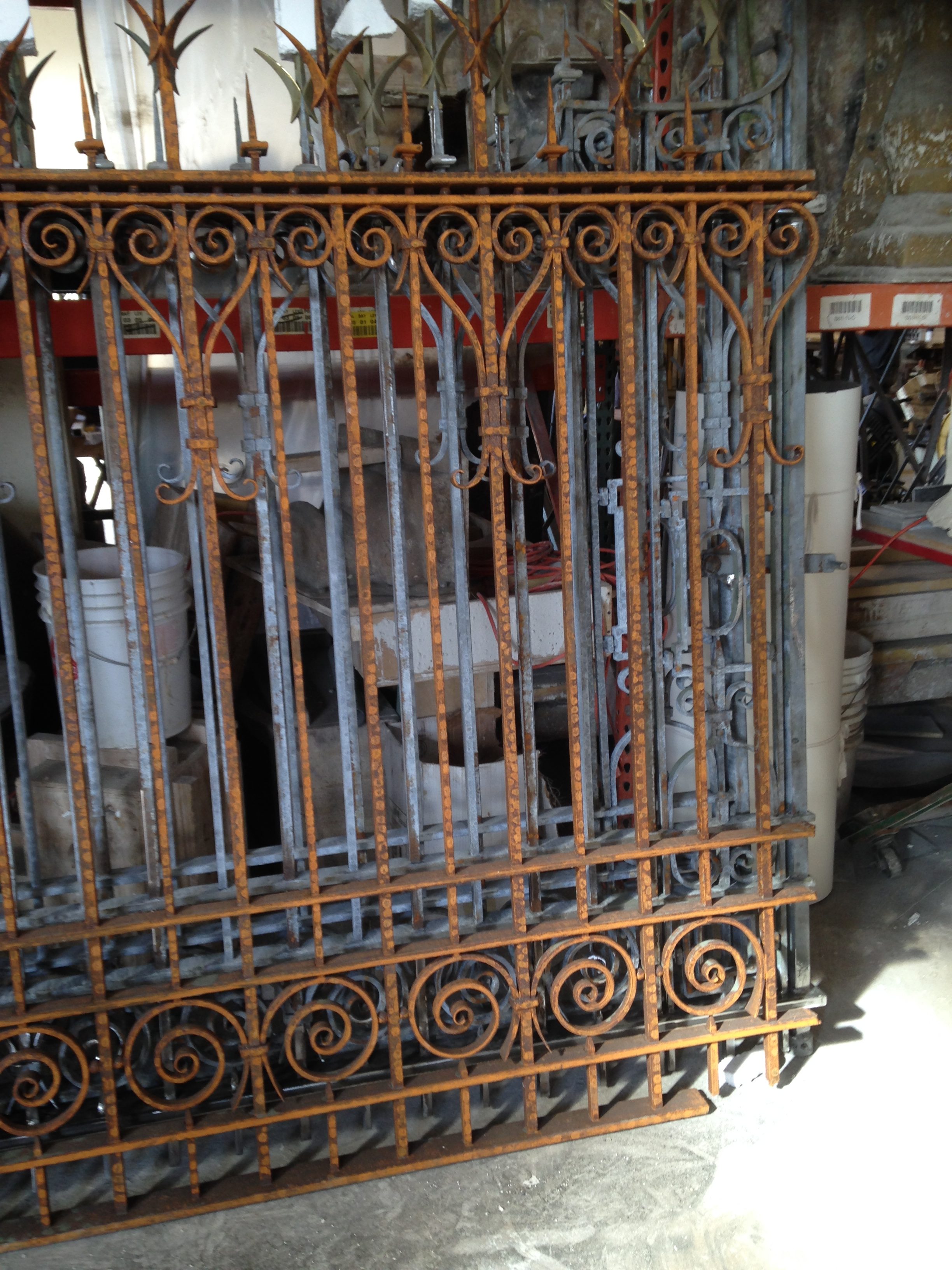
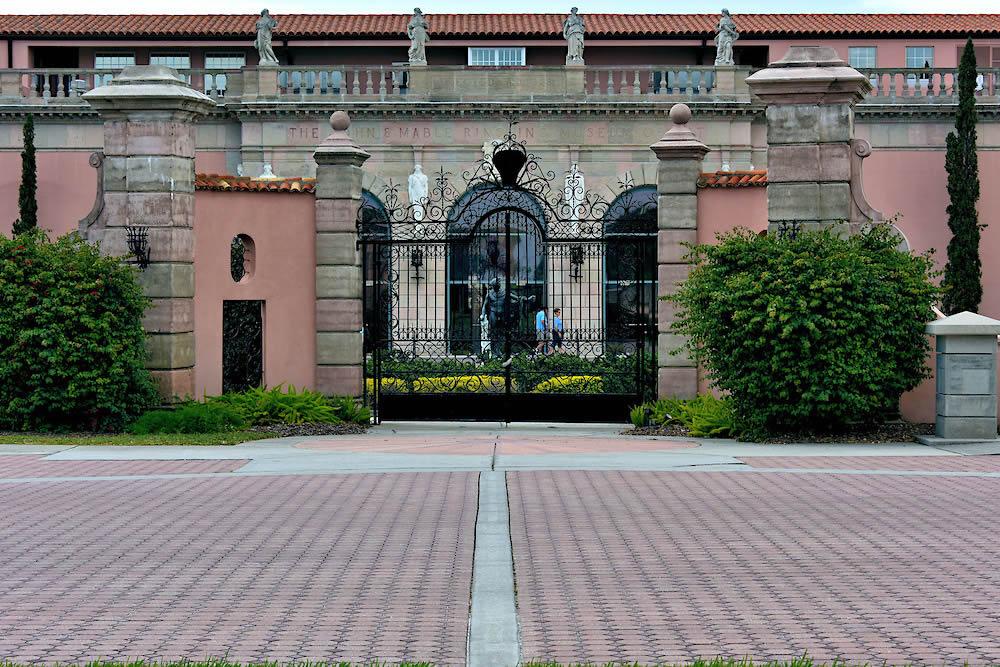
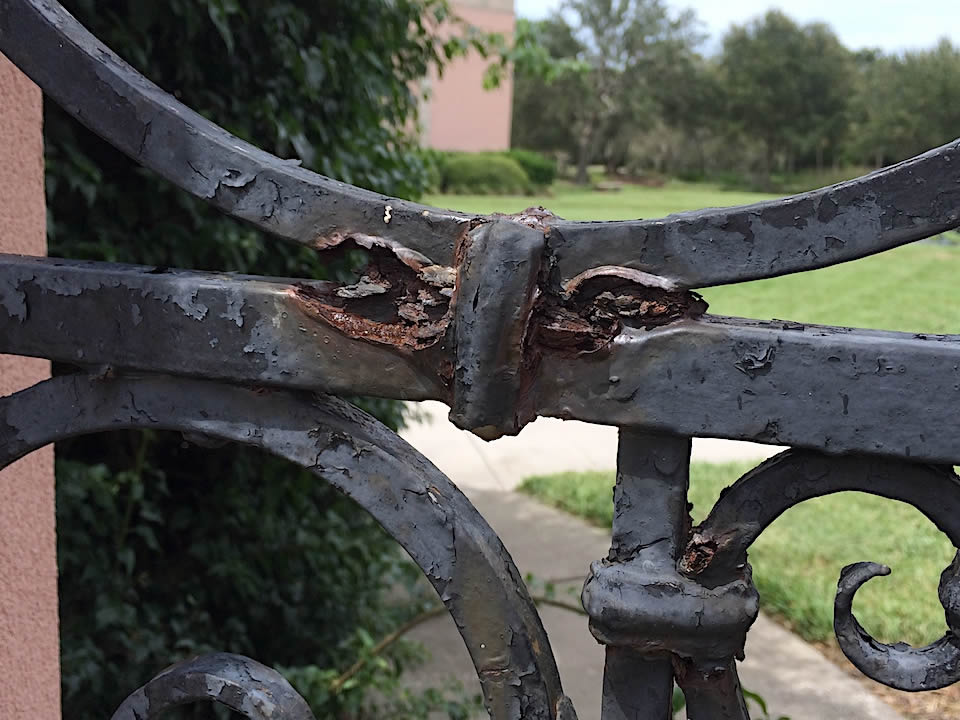
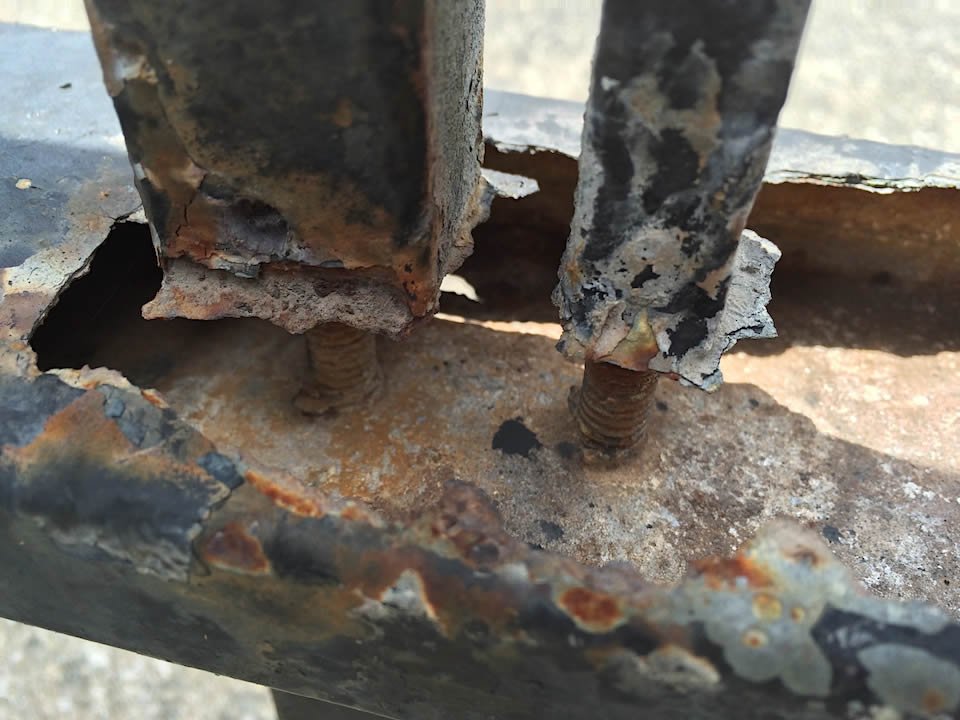
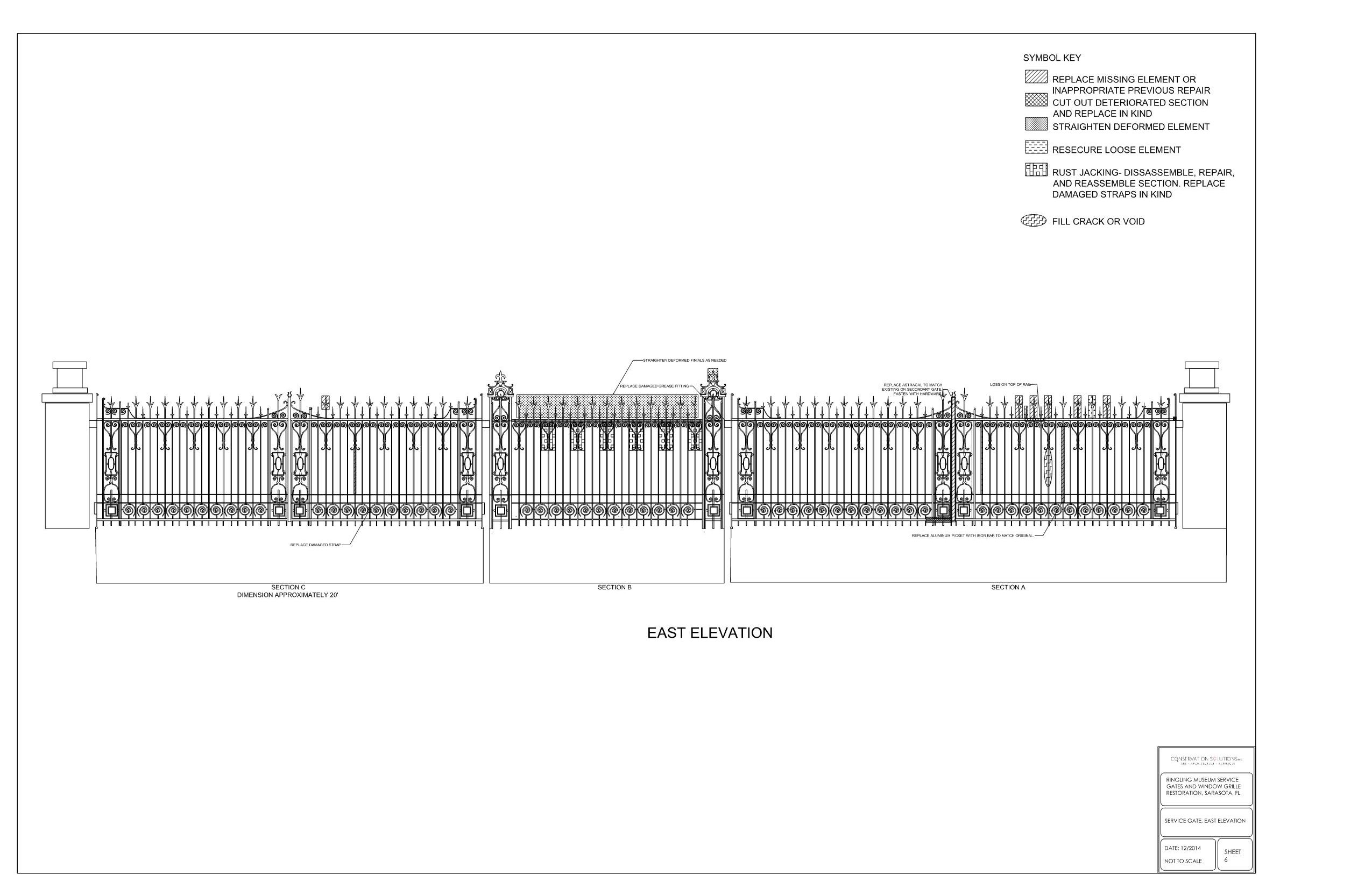
The entrance consists of two, two-leaf swinging gates and one fixed fence section. The gate was fabricated using a number of different types of iron elements including hollow tubes and channels, rolled bar stock, forged iron, and cast iron. The ironwork had widespread paint failure and extensive corrosion and rust jacking where galvanizing had failed. Many of the straps fastening sections together were deformed from rust-jacking. After assessing the condition and providing treatment recommendations, we performed conservation treatment of the gates and associated fence section, main entrance gate, and one iron window grille. The service gates and window grille were treated offsite, while the main entrance gate was treated in place. The removed sections were blasted, reassembled and coated with a high performance system. Iron worked on-site was approached with a more localized maintenance treatment. Detailed treatment documentation and maintenance recommendations were provided to the client.
Museum Main Gates
EverGreene assessed the condition of the iron main museum gates. The historic gates are constructed of an interesting hybrid of cast, forged, and rolled iron elements. At the time of construction, the iron was hot-dipped galvanized to protect it from corrosion, and this early treatment has been largely successful. Concerns about the condition and safety of the gate prompted the Ringling Museum to plan for its conservation. One of the two sets of gates is currently used as a service entrance, and is opened and closed on a daily basis. Structural damage has made its operation difficult. Failure of the coating is widespread; corrosion and rust jacking exist where the galvanizing has failed. The structure is compromised by several large losses where the iron is heavily corroded. Many of the decorative cast iron finials atop the pickets are missing. We assessed the gates and provided a comprehensive set of drawings documenting existing conditions of the gates and the necessary repairs. The treatments were implemented based on this plan to restore the appearance and functionality of the gates.