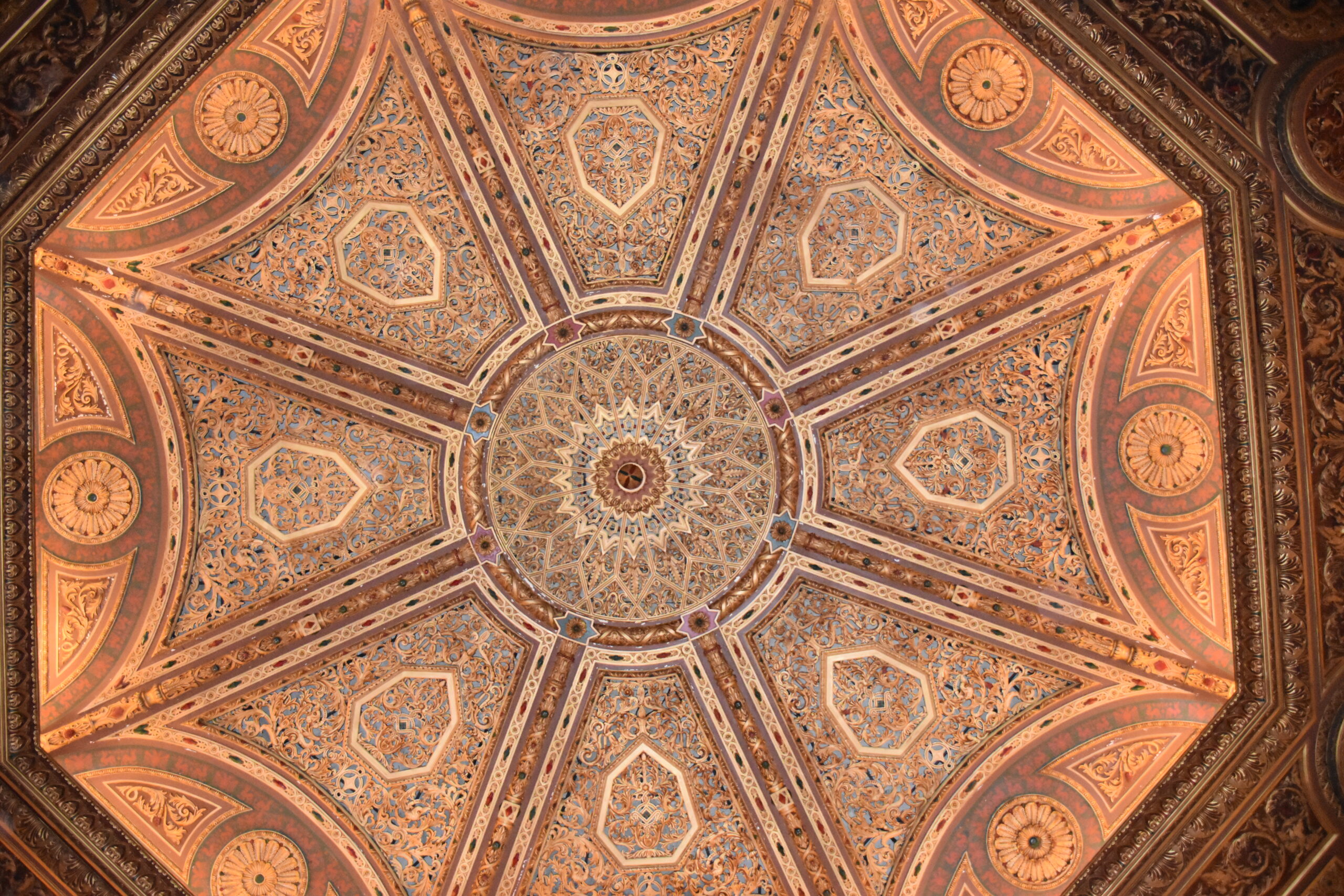
United Palace
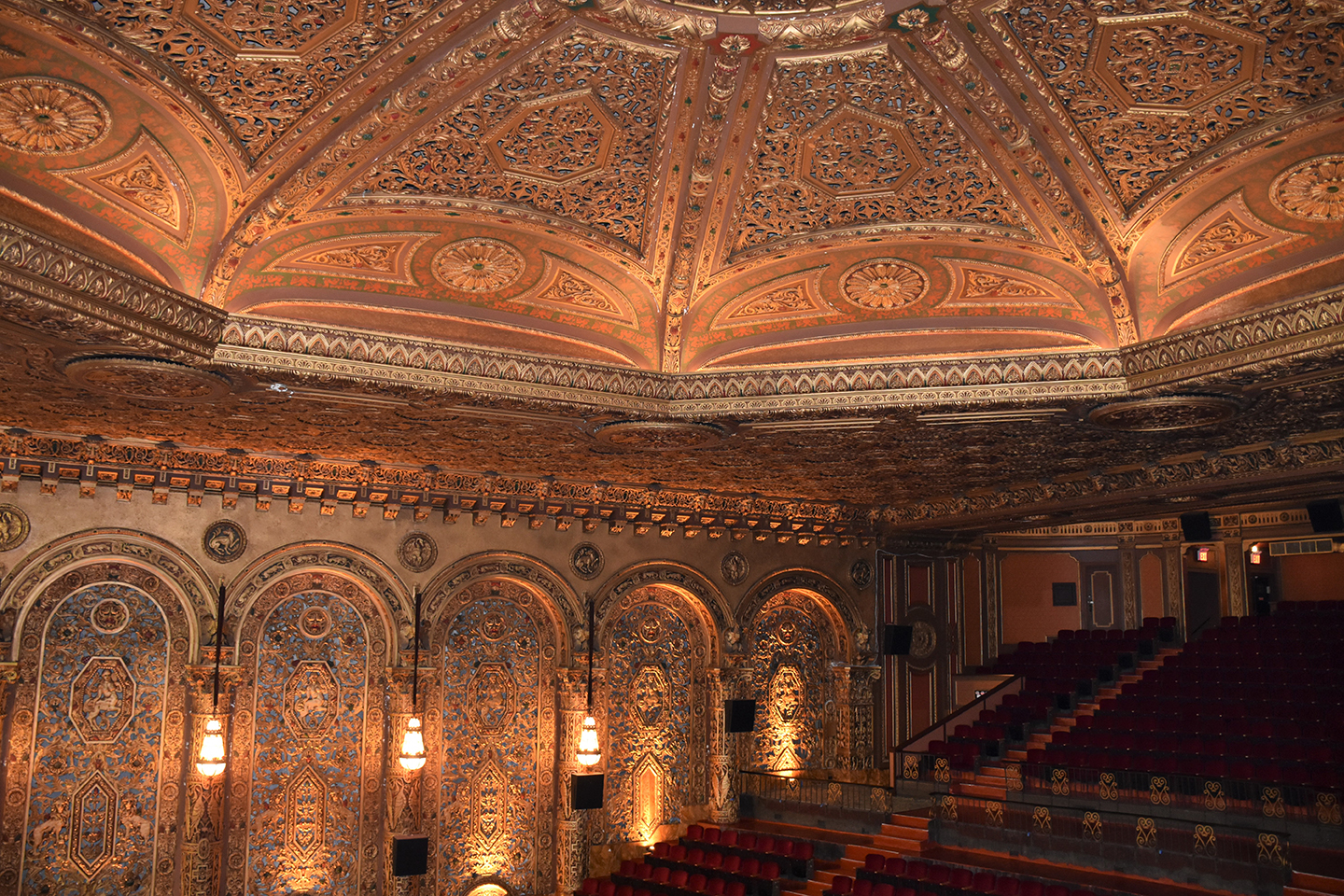
Opened in 1930 as Loew’s 175th Street Theatre, the United Palace was the last and largest of the five legendary Loew’s “Wonder Theatres” built across New York City and northern New Jersey at the height of the movie palace era. Designed by renowned theater architect Thomas W. Lamb, with elaborate interiors created by decorative specialist Harold Rambusch, the more than 3,000-seat theater brought an extraordinary level of spectacle to Manhattan’s Washington Heights neighborhood.
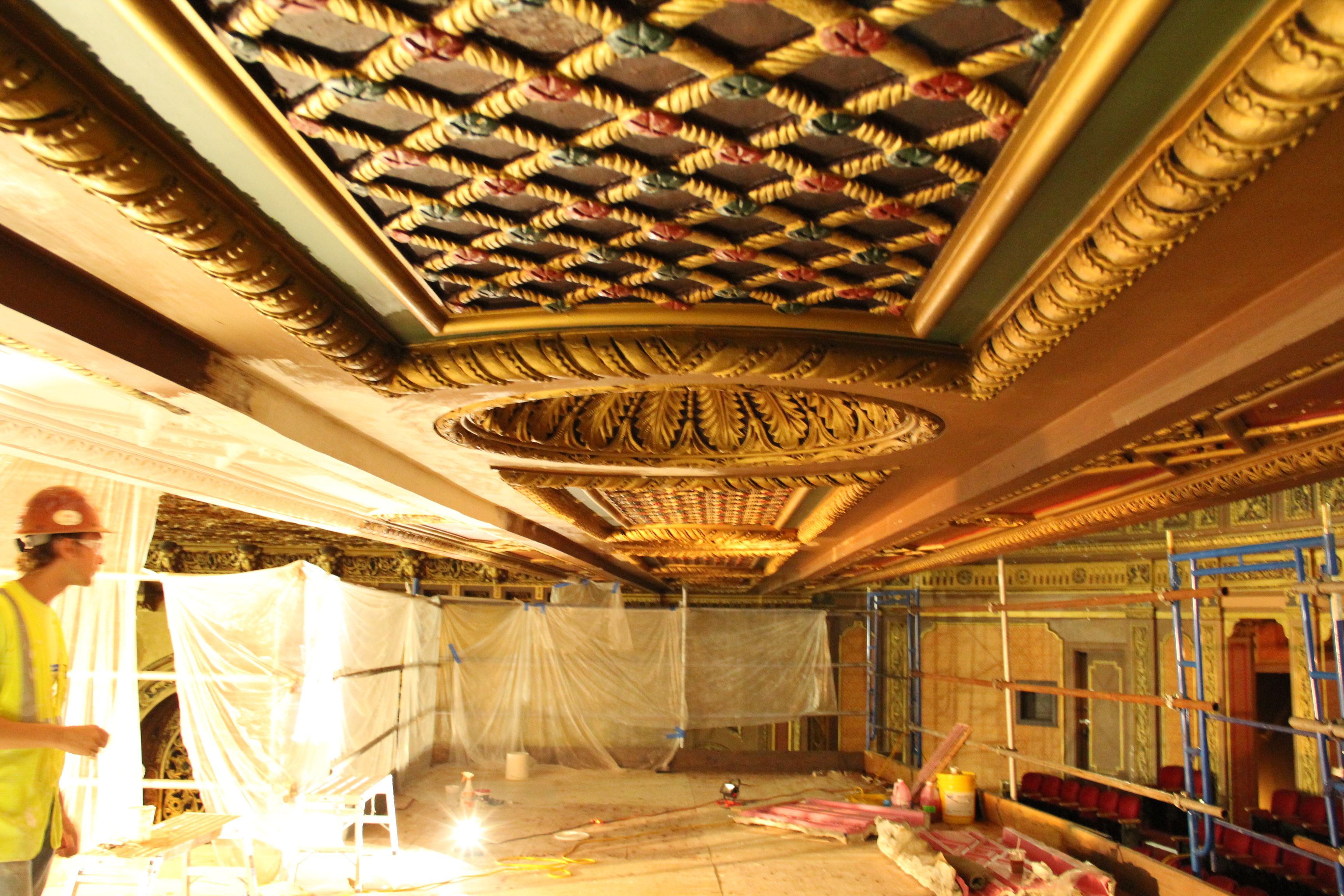
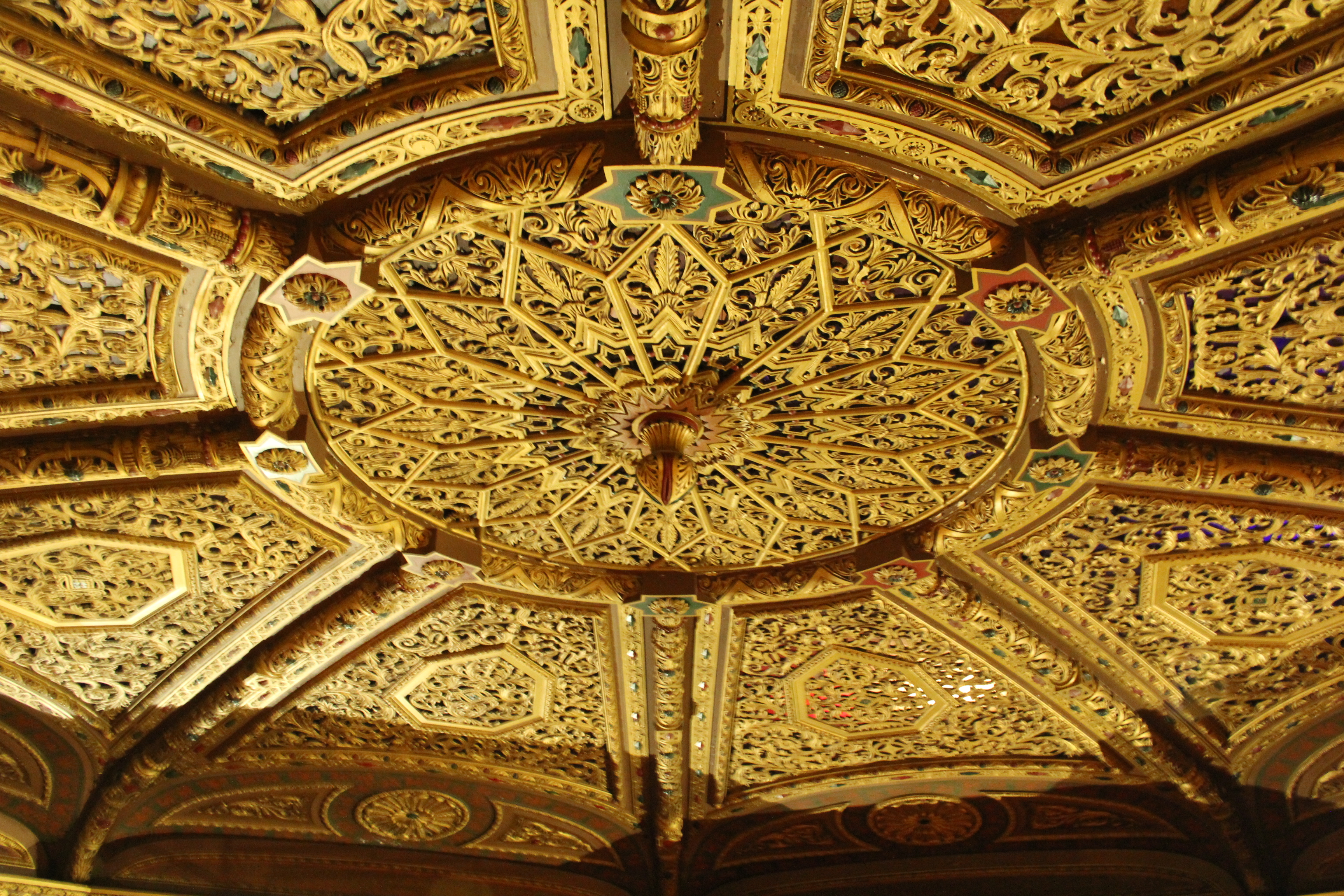
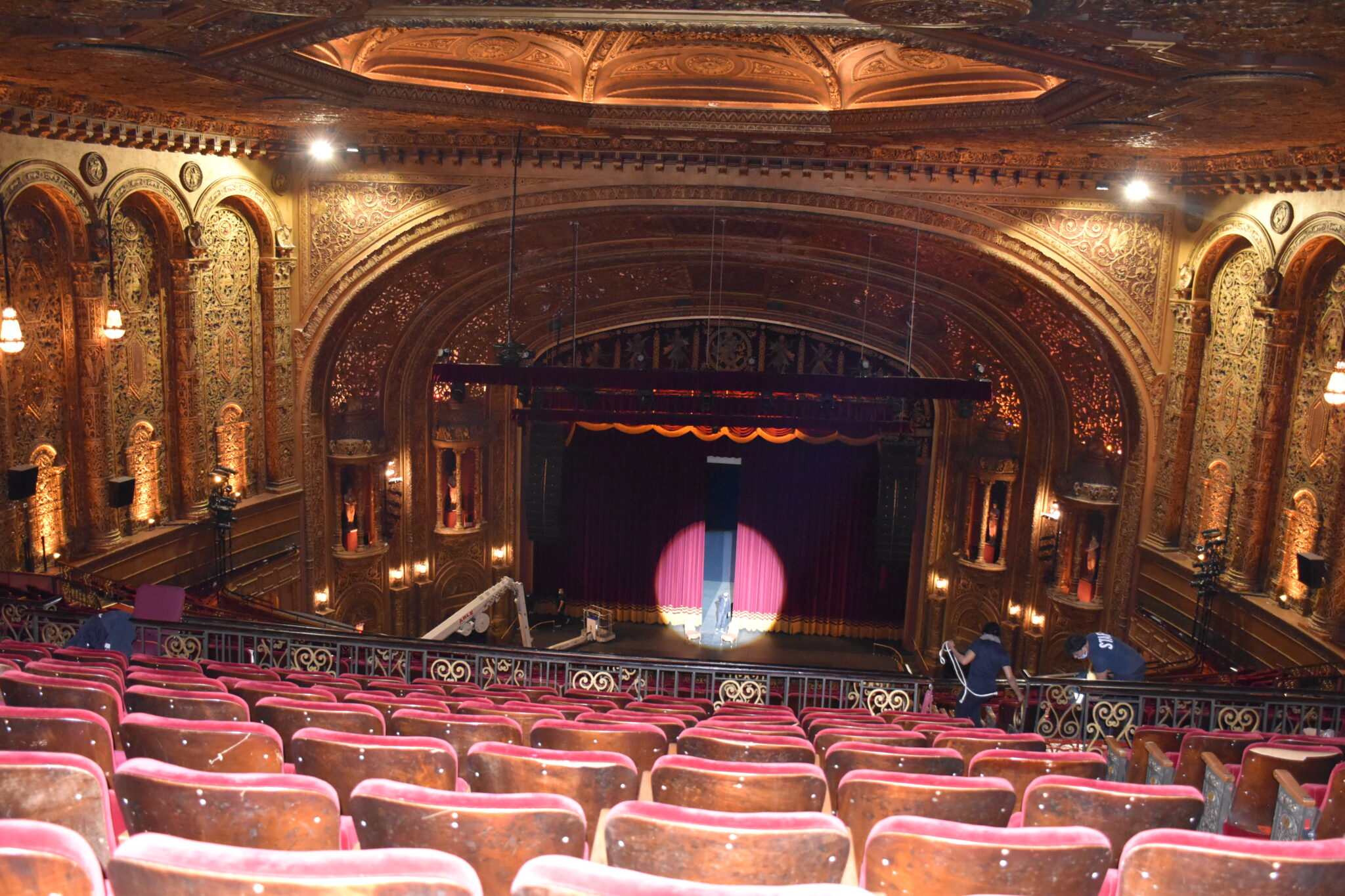
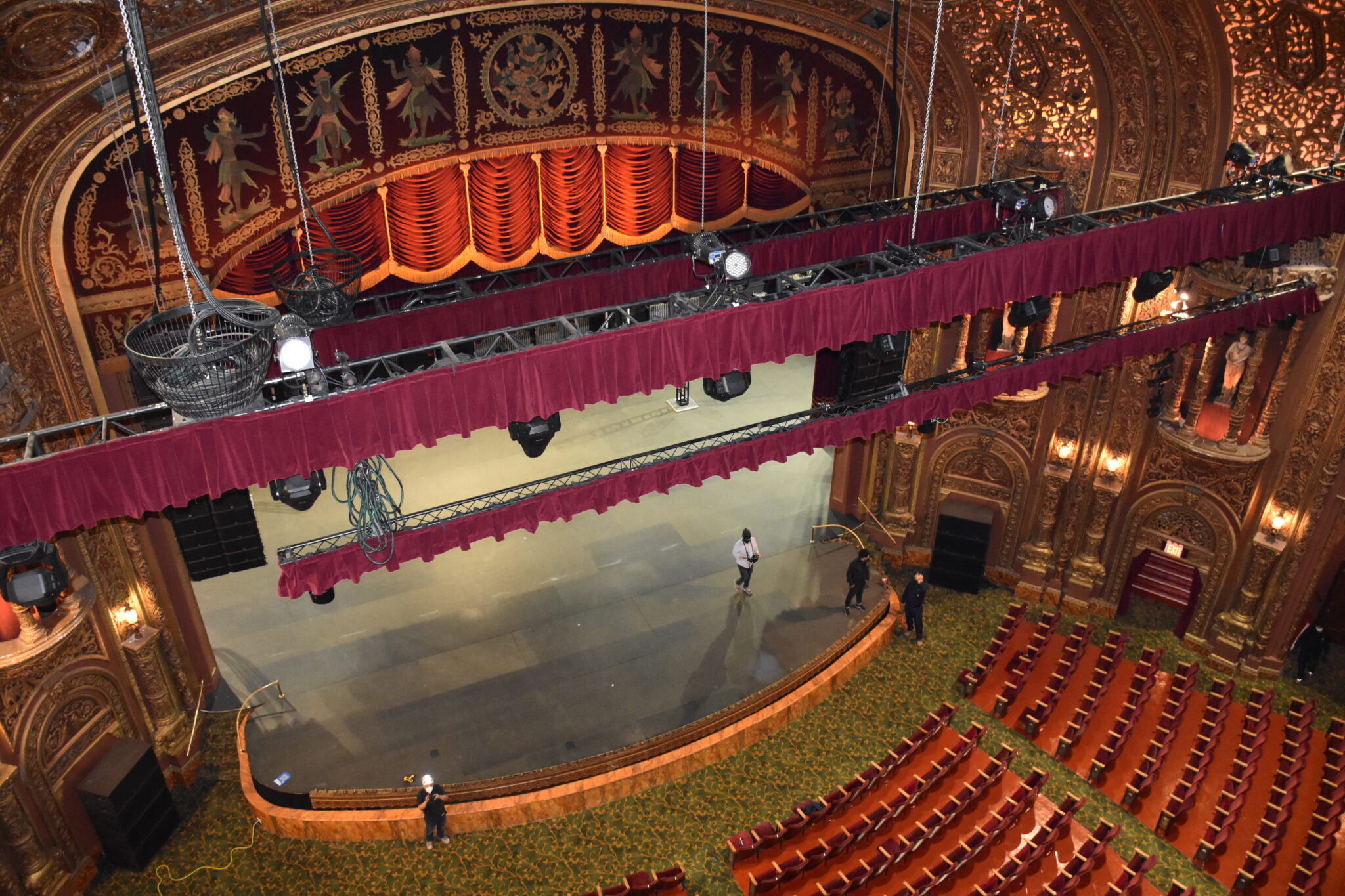
Its exuberant interior draws from a theatrical mix of architectural and decorative traditions, combining elaborate plaster ornament, gilding, rich colors, and intricate patterns to create an immersive environment characteristic of the great movie palaces of the period. Originally conceived for both motion pictures and live entertainment, the theater remained in operation as a Loew’s cinema until 1969 when it was purchased by the television evangelist Reverend Frederick J. Eikerenkoetter II (Reverend Ike), who saved it from demolition and turned it into the headquarters for his church. He renamed it the United Palace.
During the 1990s. the theater started to bring entertainment back to its historic stage. Today, United Palace continues to serve Washington Heights as a center for film, live performance, cultural programming, and spiritual arts. In 2016, New York City designated the building an individual landmark in recognition of its architectural and cultural significance.
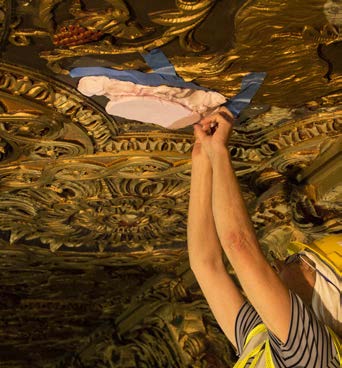
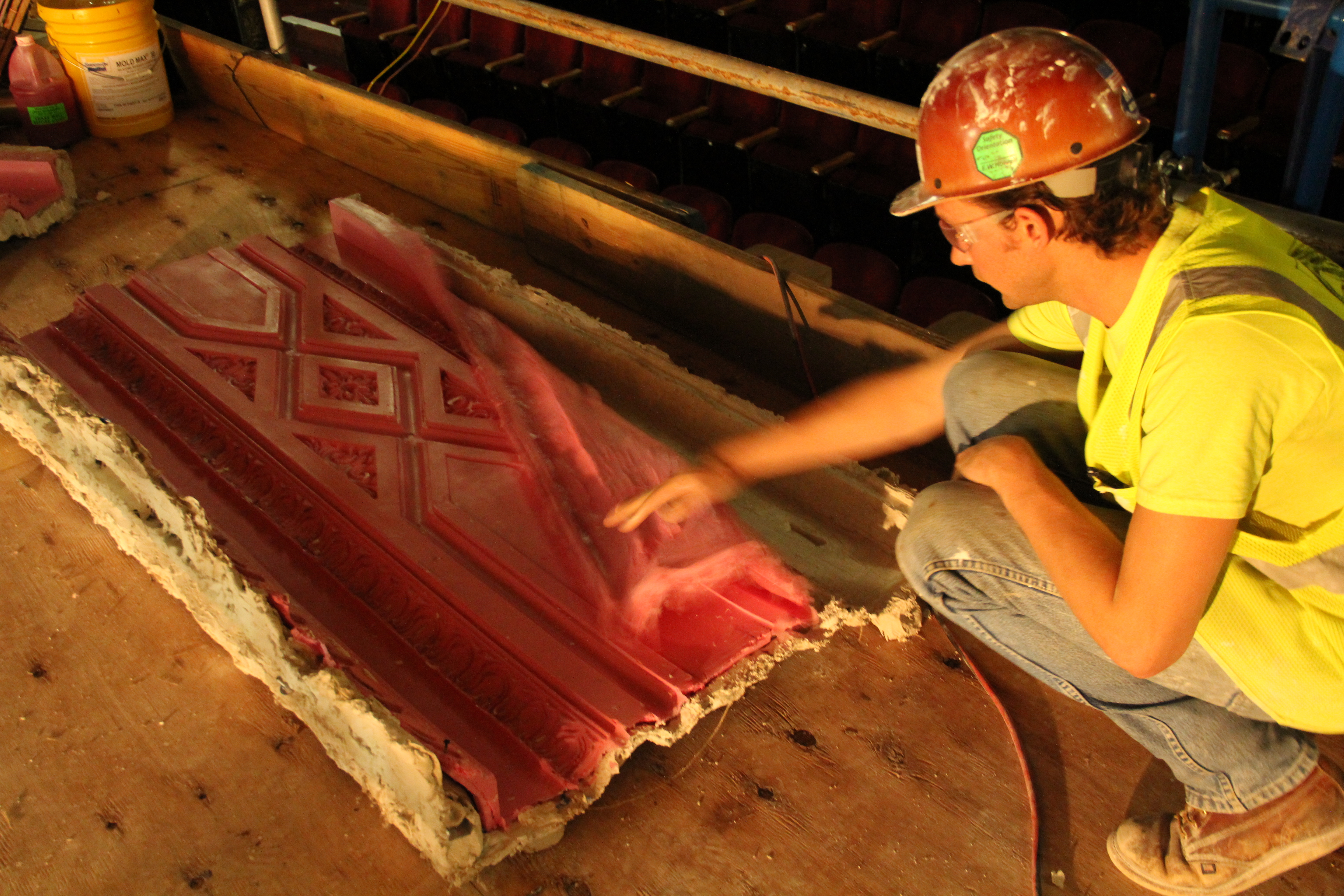
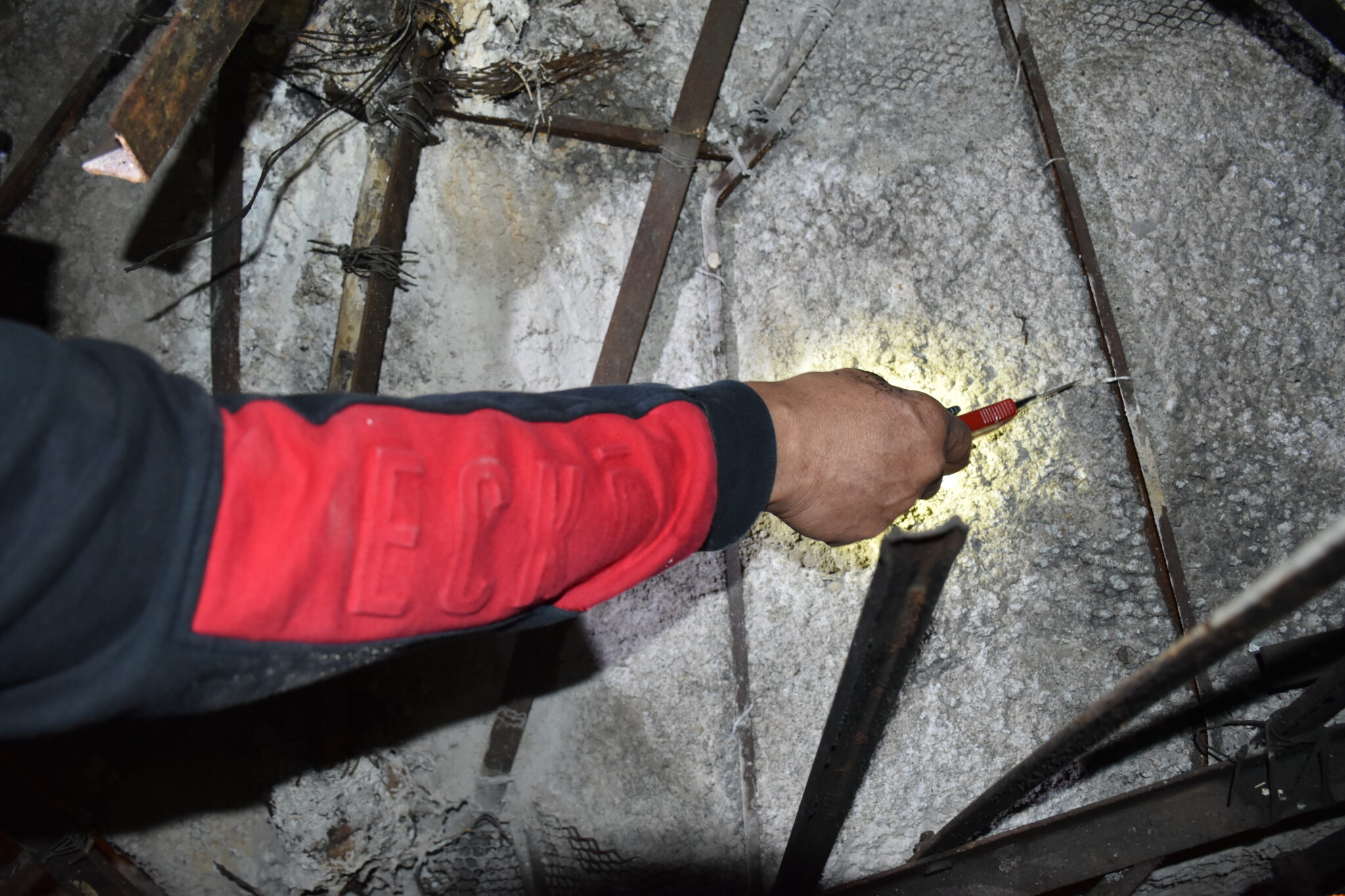
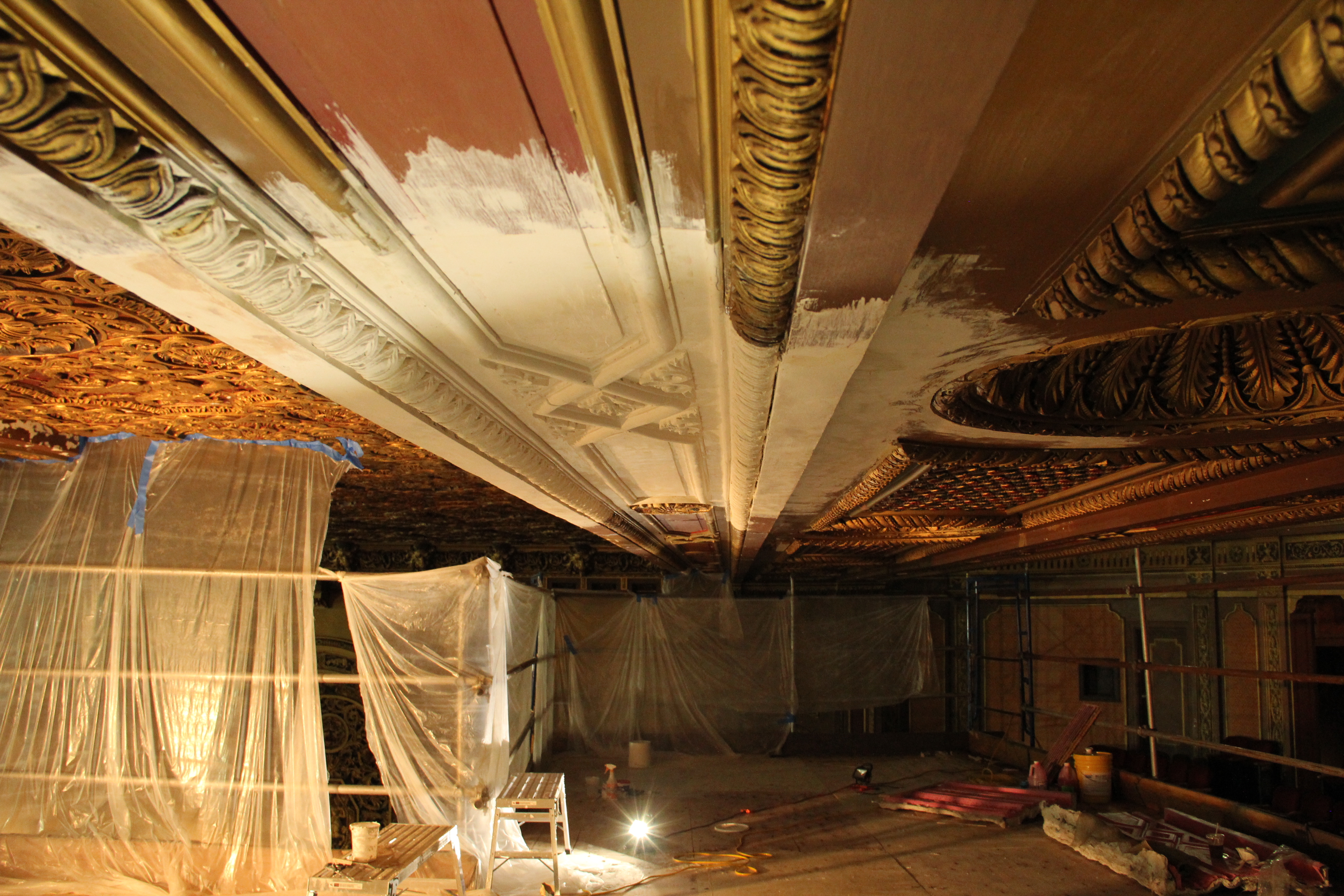
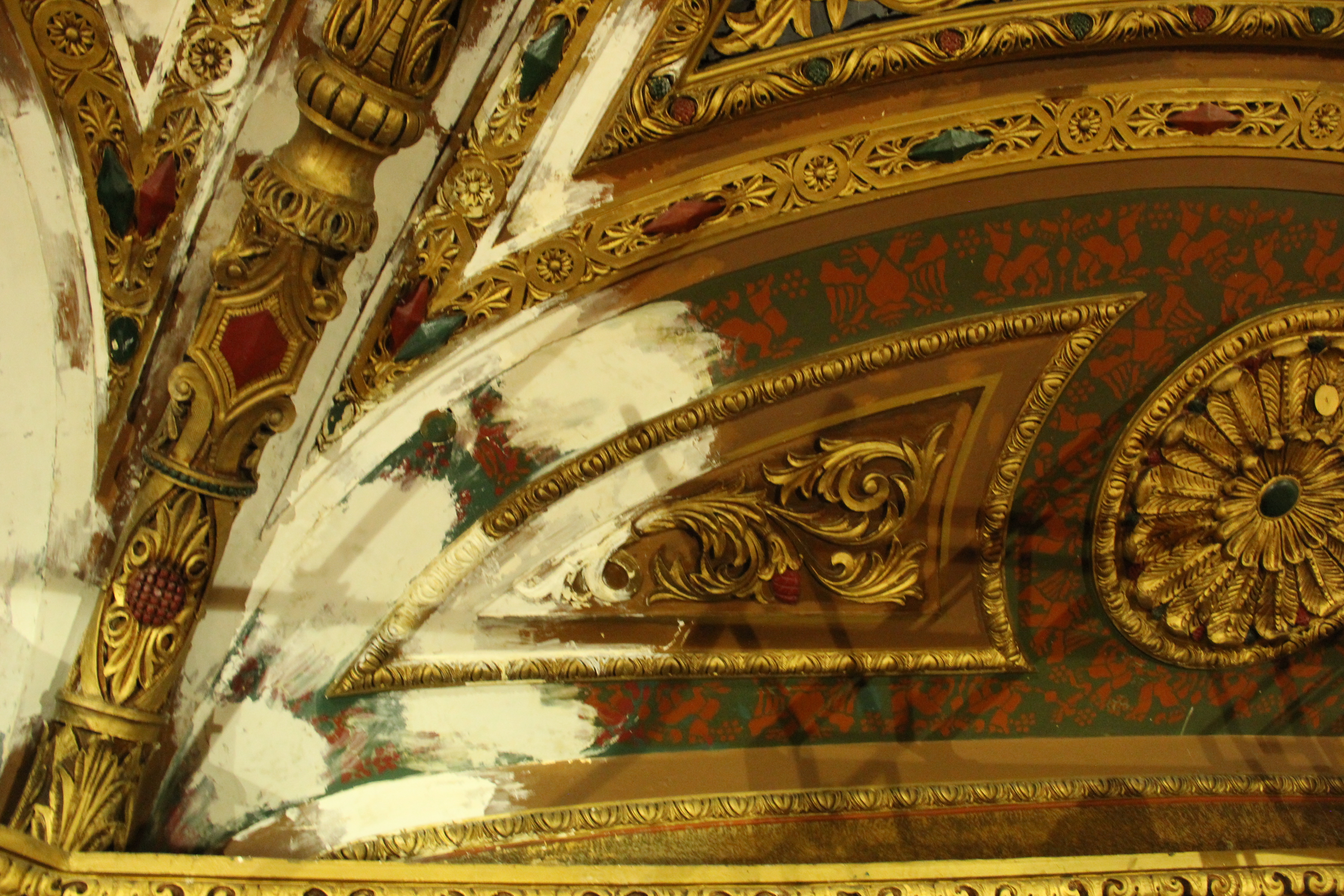
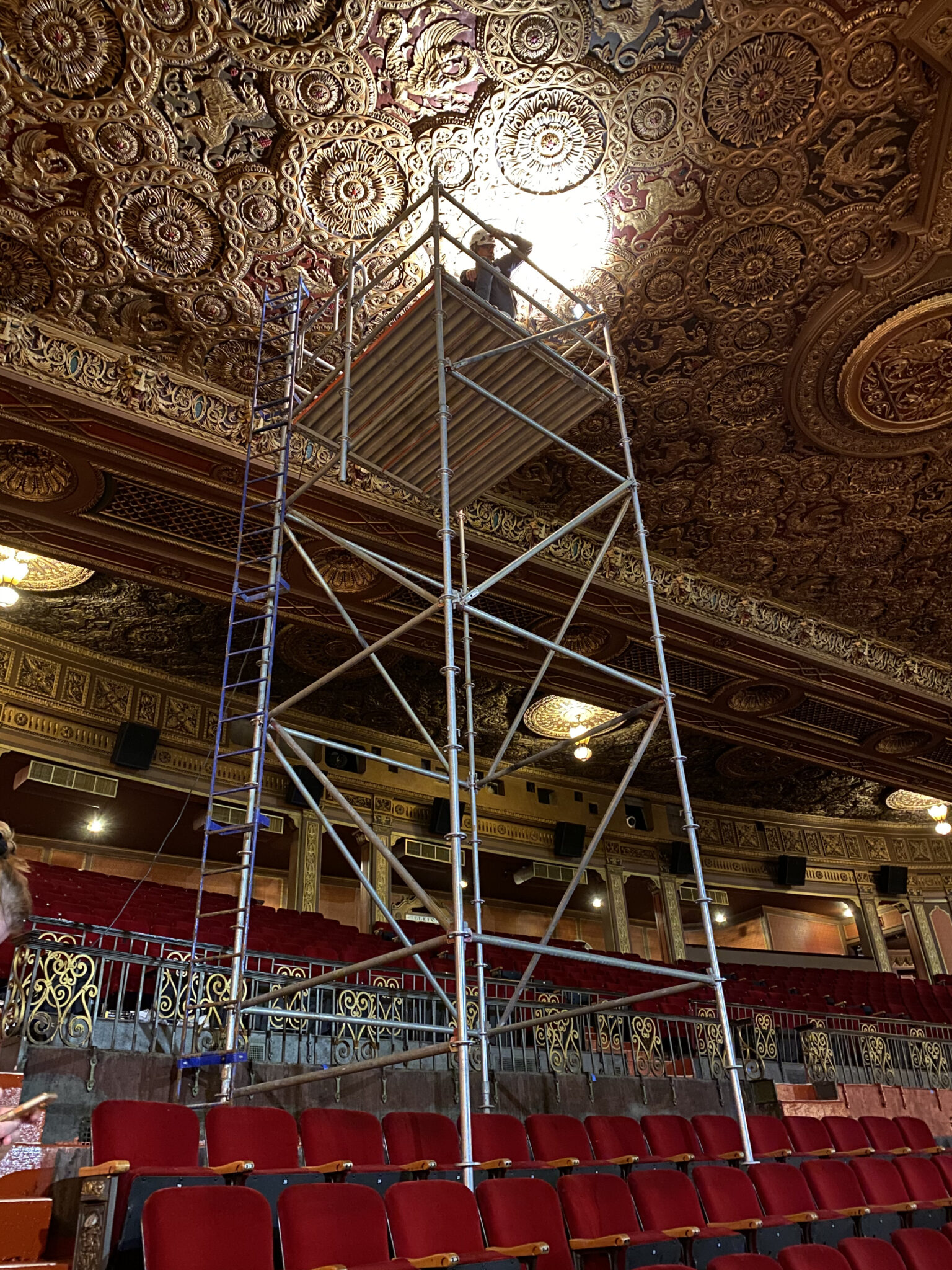
EverGreene’s work at United Palace began in 2013 with the restoration of areas of deteriorated and missing ornamental plaster. Artisans replicated lost ornament, installed new plaster elements, and integrated the repairs with the surrounding historic decoration through carefully matched decorative painting. Additional work included localized surface cleaning and the restoration of historic decorative painting and stenciling.
Since 2014, EverGreene has returned to United Palace to support ongoing maintenance and preservation of its elaborate interior. This long-term stewardship has allowed conservation and restoration work to be addressed as needs arise while maintaining the visual continuity of the historic decorative scheme.
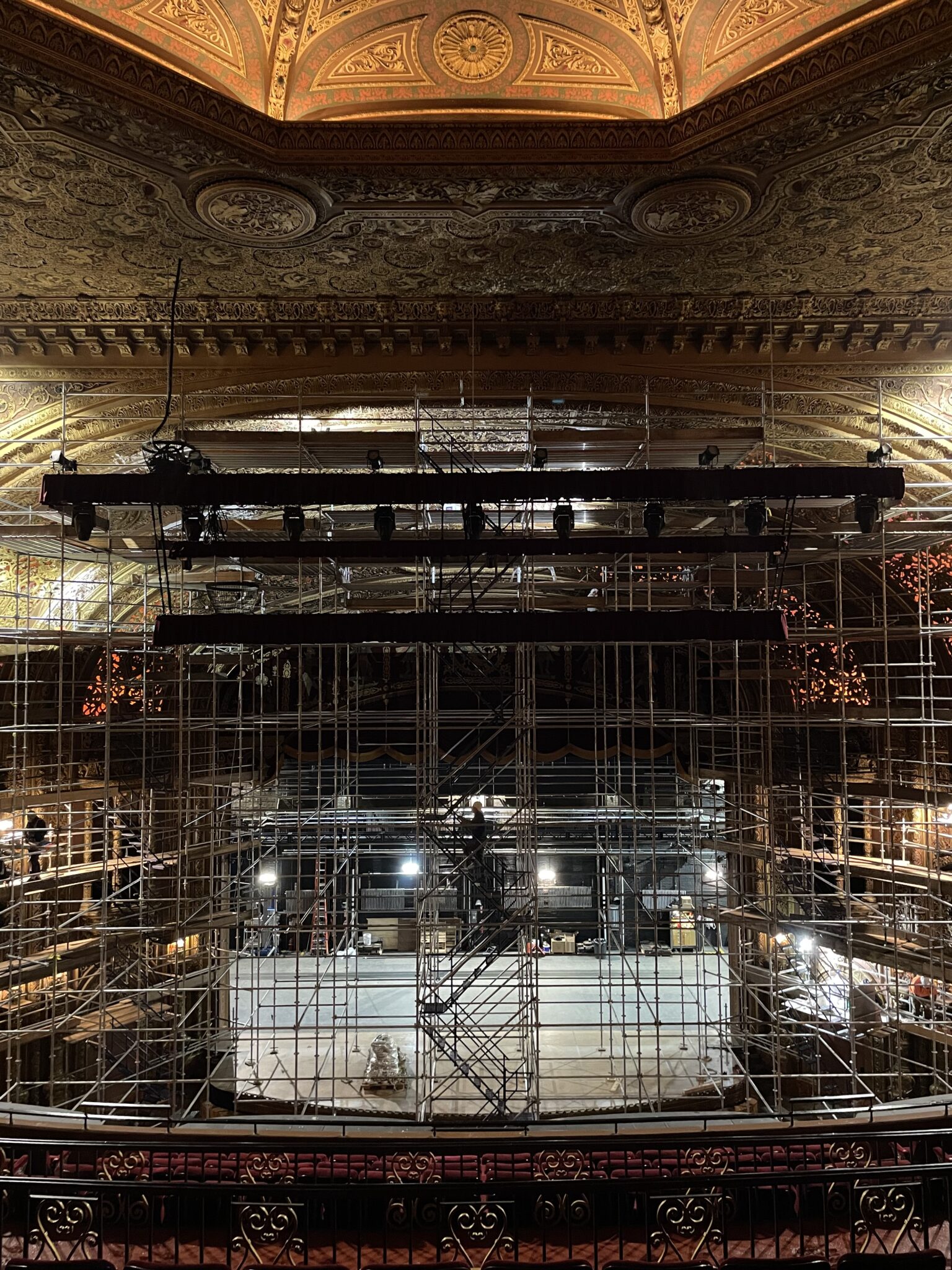
In 2021, that work included a major restoration of the proscenium, reviving one of the auditorium’s most prominent architectural features and helping preserve the extraordinary craftsmanship and theatrical character that have defined United Palace for nearly a century.