U.S. Space & Rocket Center
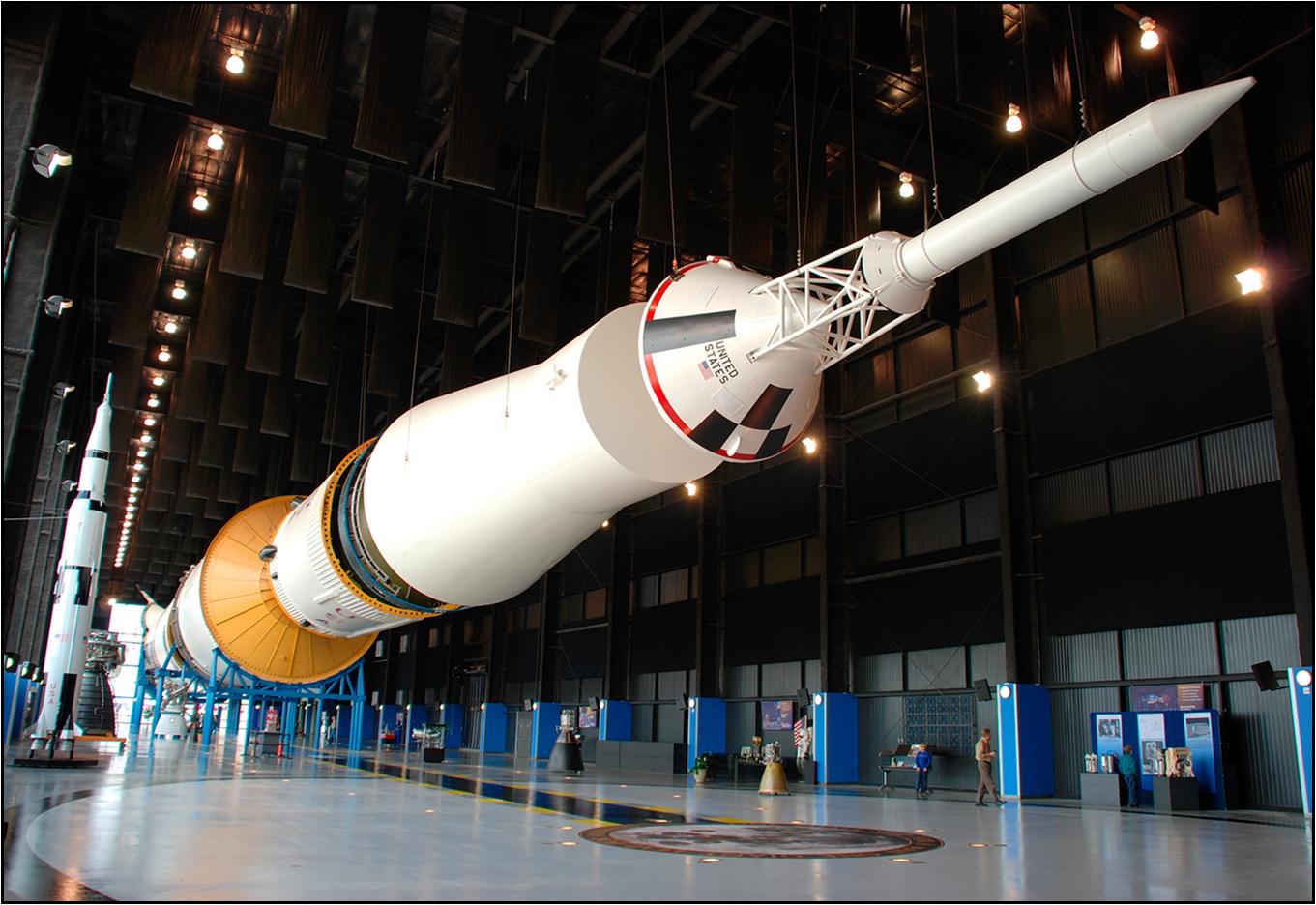
The U.S. Space & Rocket Center in Huntsville, Alabama is a museum, showcasing rockets, achievements, and artifacts of the U.S. space program. EverGreene was contracted to assess the condition and perform necessary conservation treatments on the Saturn V Rocket and the Skylab Space Station which are on display at the museum.
Condition Assessment
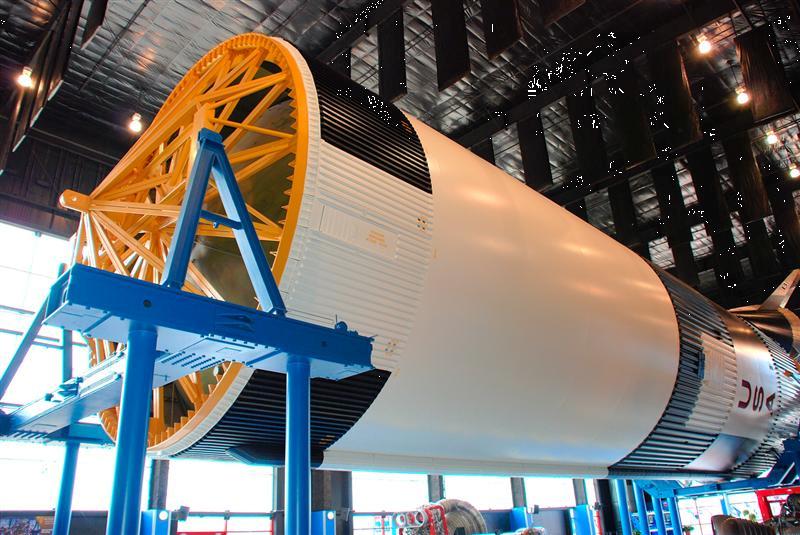
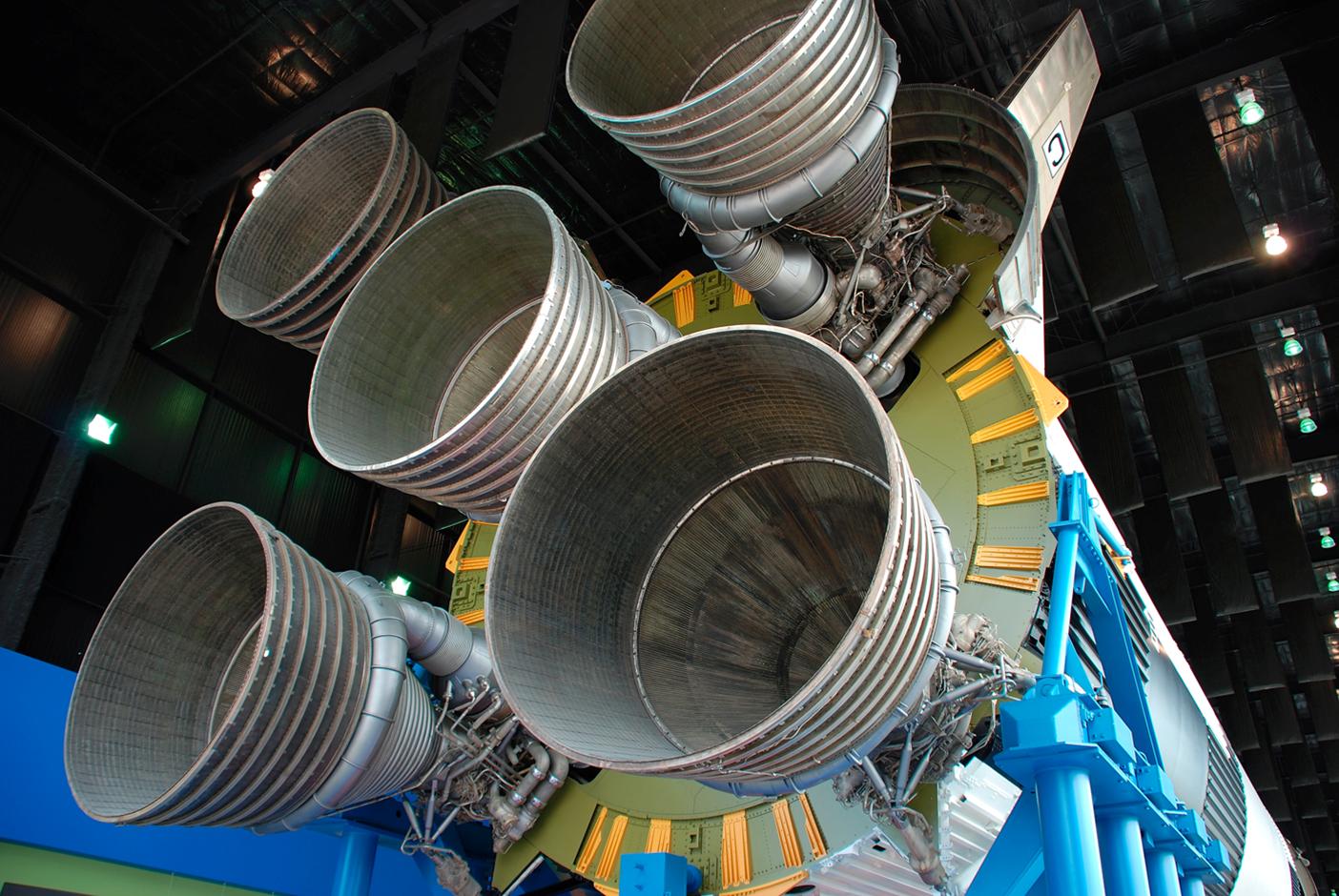
The Saturn V Rocket is one of three surviving examples, built during the late 1960s to take Americans to the moon. The USSRC Saturn V 500D/F is designated a National Historic Landmark as well as a National Mechanical Engineering Landmark, and it is distinguished from the others as the test model for the fleet. Measuring 363 feet long (the Statue of Liberty is 60 feet shorter) and capable of generating 7. 5 million pounds of thrust, the Saturn V remains the largest, most powerful American launch vehicles ever built.
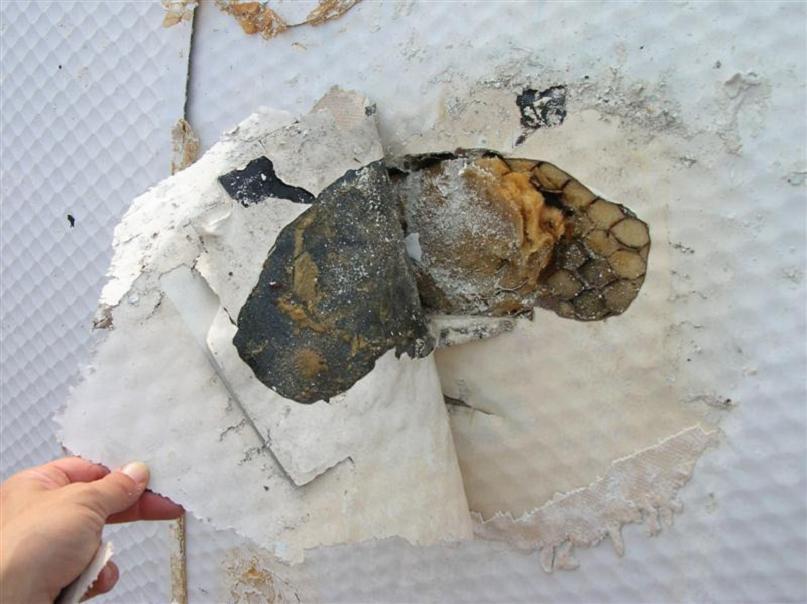
Displayed outdoors since 1969, the rocket was exhibiting widespread paint failure, moisture infiltration, an overall accumulation of atmospheric and biological soiling, and corrosion of its complex system of metal alloys, including aluminum. Non-metal materials such as polyurethane foam, various types of plastics including Tedlar®, phenolic resin, and fiberglass composites, had significantly deteriorated. The spacecraft portion of the Saturn V display (Lunar Adapter, Service Module, Command Module and Launch Escape System) were full scale 1970s-era mockups constructed of sheet aluminum and fiberglass. The Command Module, constructed almost completely out of plywood and fiberglass, was is very poor condition
A visual and hands-on survey by our conservators and a structural engineer was conducted from the ground and from a 60-foot articulating manlift. Select access panels and tunnel covers were removed to probe interior systems and fuel tanks. Observed conditions were noted onto AutoCAD drawings produced by us for the survey.
The purpose of the testing program was to determine appropriate methods of intervention and repair to reduce or stop the rate at which the materials were deteriorating. Throughout the assessment, representative material samples were removed from the vehicle for testing, including paint layers, powder corrosion products, and microbiological specimens. On and off-site testing was performed to determine the safest and most successful methods to remove coatings, corrosion, soiling, surface contaminants (salts) and repair losses.
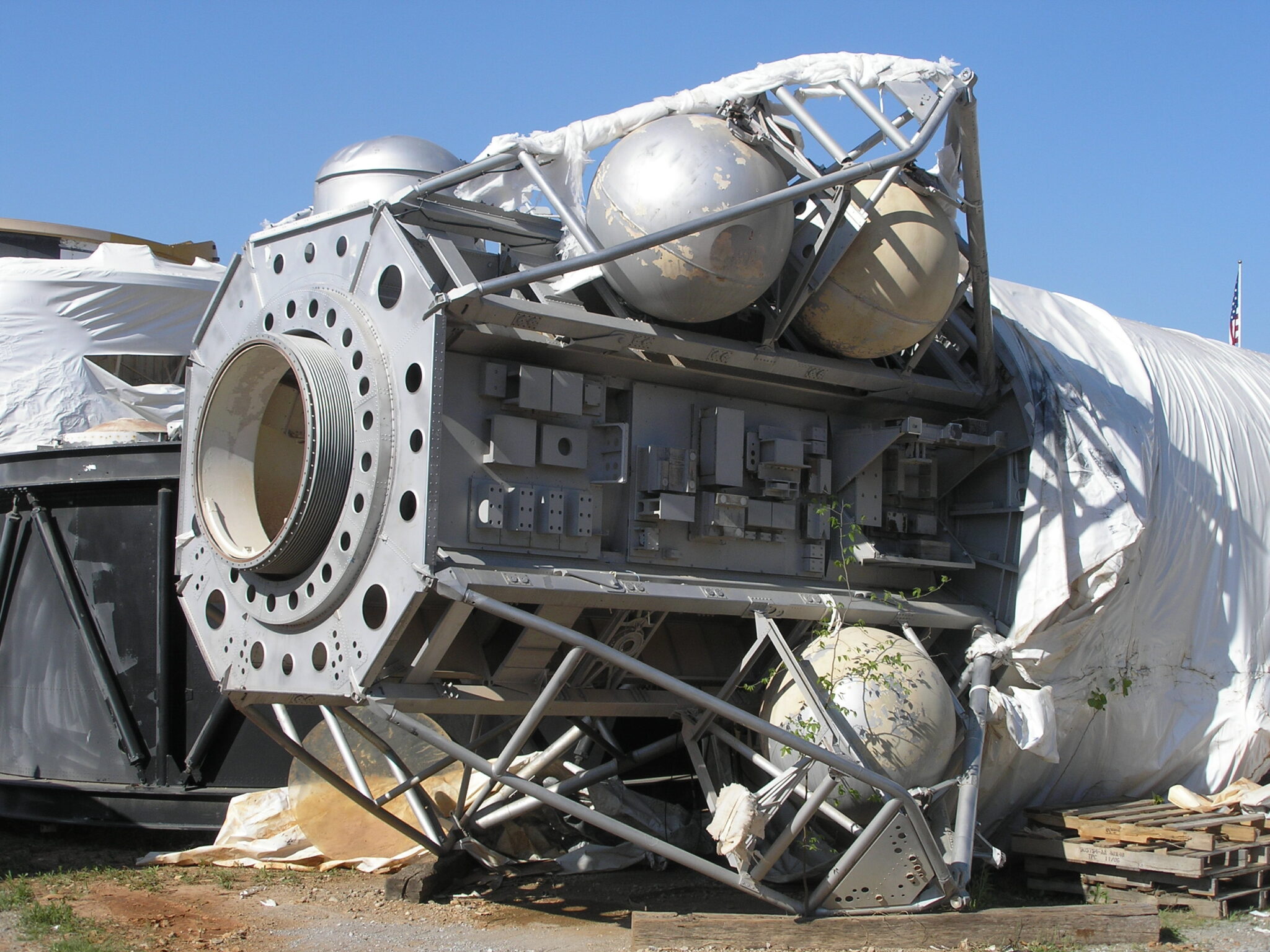
Skylab was America’s first orbital space station. Launched in 1973, the 100-ton module featured quarters both for living and scientific research, and demonstrated the ability of astronauts to safely perform research in space for extended periods of time. The flight-ready module was mirrored by an identical unit located at the nearby Marshall Space Flight Center (MSFC). Designed for training purposes, this MSFC module was used to help identify and solve the problems associated with Skylab’s near disastrous test launch, resulting in what was ultimately a highly successful space program.
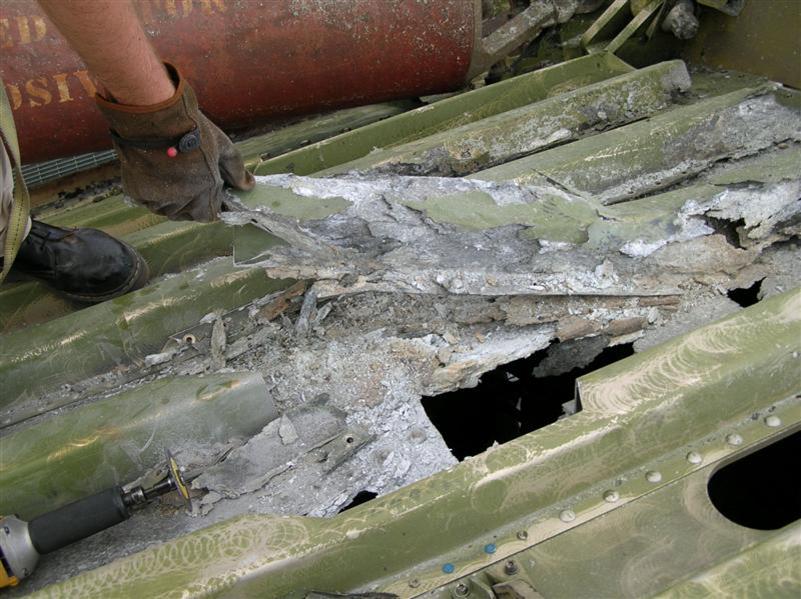
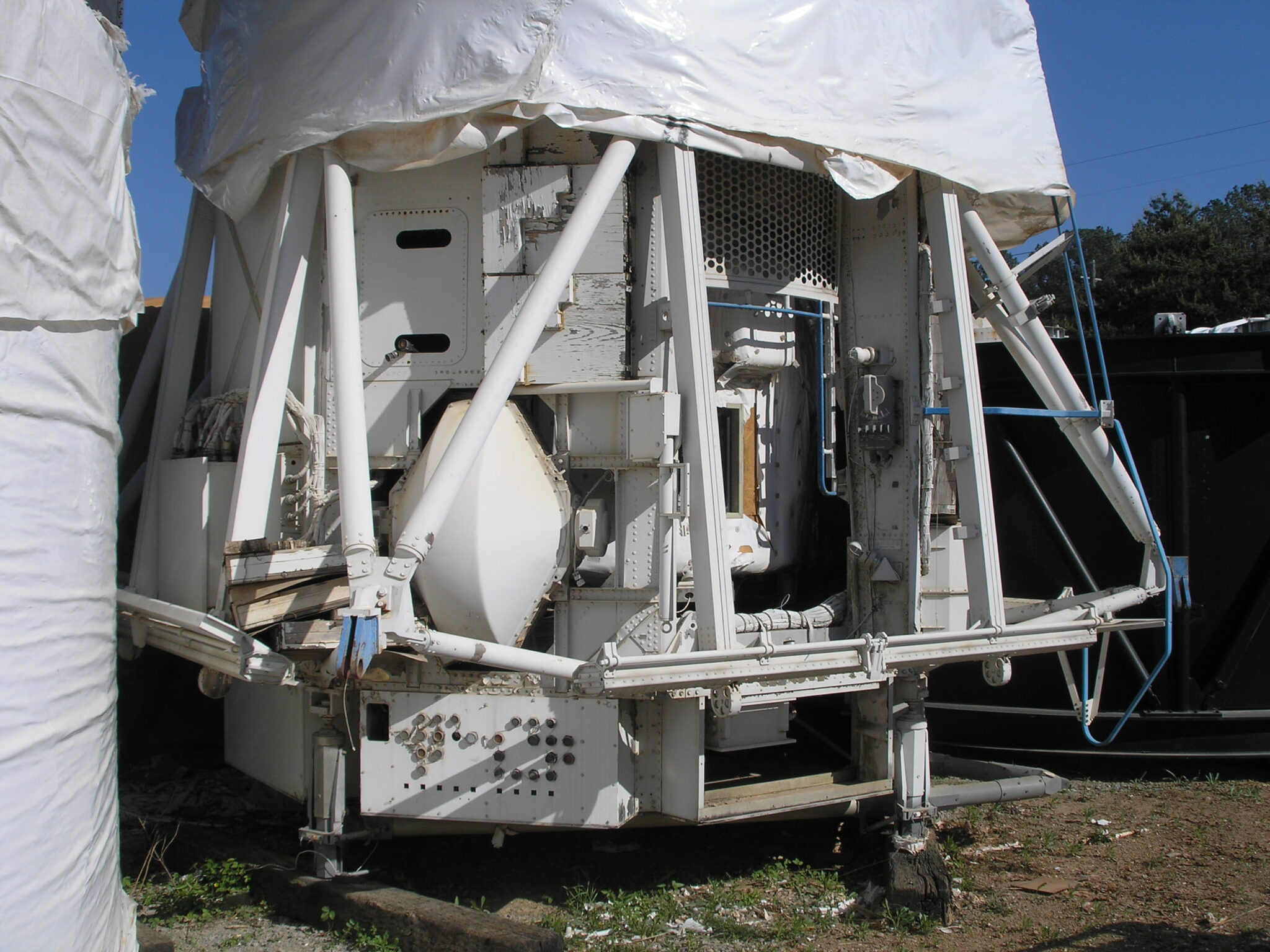
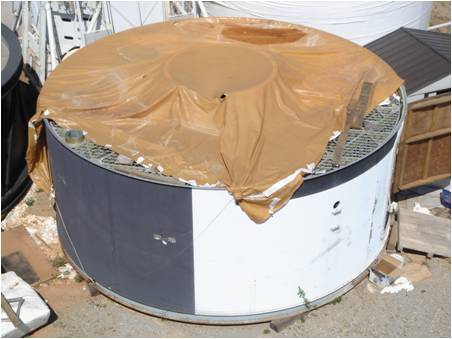
The MSFC Skylab was disassembled into several large pieces. Idle since the 1970’s, the center intended to conserve the Skylab and exhibit it in the atrium of the USSRC’s main museum. In 2008, we were contracted to perform an assessment to determine the extent of deterioration, develop a plan for its conservation, and to provide the client with an accurate budgetary cost estimate for the work. On-site investigation found the components in varying conditions, ranging from poor to good. Significant damage was largely staved off as elements were constructed of heavier-gauge materials than their flight-ready counterparts. However, despite protective shrink wrap, moisture had infiltrated most components. The ensuing thermal and moisture fluctuations degraded sensitive materials of foam-backed canvas insulation, Mylar and wood. Due to the modern materials and significance of the artifact, conservators designed a treatment plan promoting selective intervention and maximizing stabilization and preservation of Skylab suitable for a museum-quality environment.
Conservation Treatment
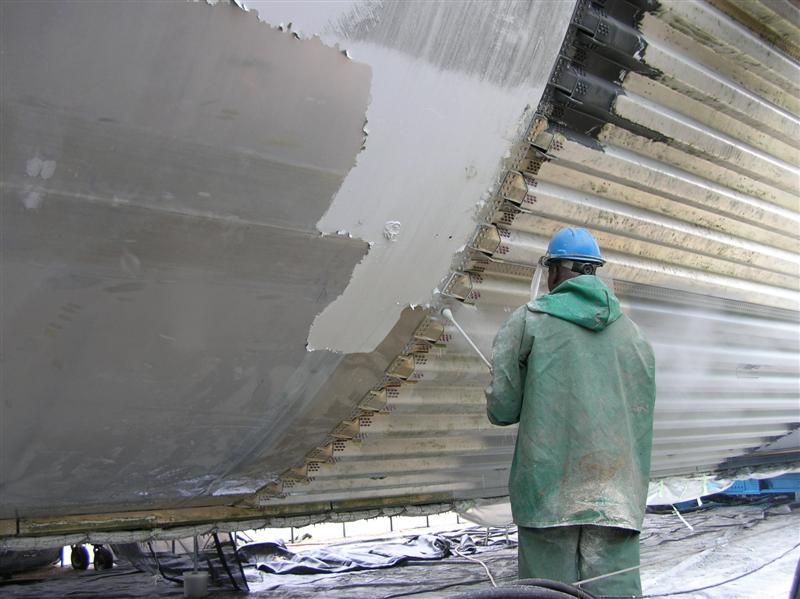
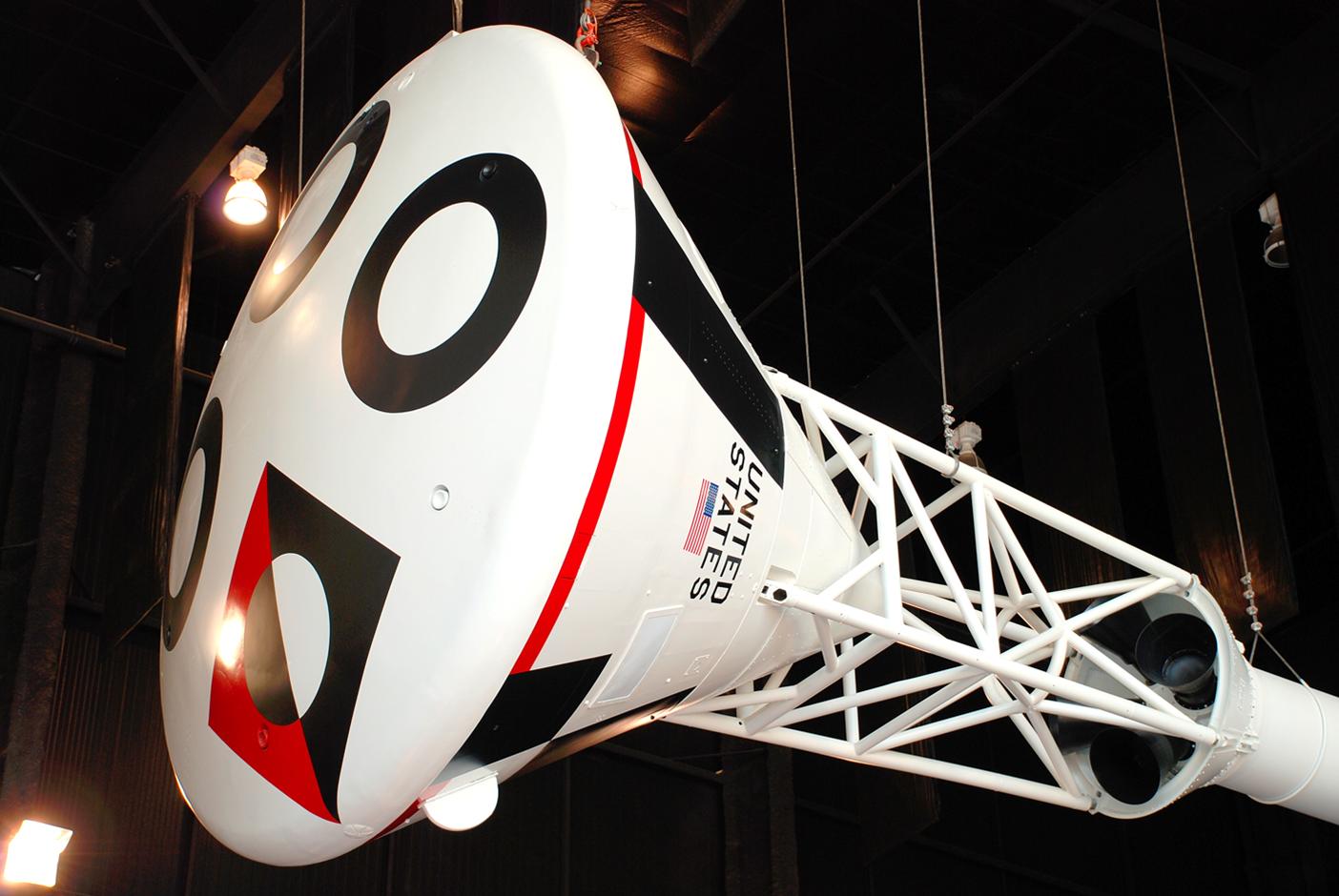
Paint coatings and loose corrosion products were removed using high pressure waterjets (>25,000 psig). More fragile materials were stripped of coatings using chemical gels. Corrosion was treated by mechanical removal and/or the use of chemical metal brighteners. Metal failures were repaired inkind with new aluminum. The heavily saturated Tedlar® covered foam insulation of Stage II was dried in a custom-built dehumidification tent. Losses to the foam and other non-metal components were filled with an inert patching material and joints in the Tedlar® skin were sealed with Tedlar® tape. After all repairs were complete, the rocket was primed and painted to match the historical color and scheme determined through the paint analysis and historic research. Matching decals were custom made and installed over the paint system. Bare metals were protected with a clear, vapor phase corrosion inhibitor (VPCI) coating. A boilerplate Command Module (unmanned test capsule) which was located at NASA Marshall Space Flight Center was loaned to USSRC for the new display was also newly painted.
Treatment occurred in two phases: June 2005 through December 2005 and August 2007 through January 2008. In the interim a new, indoor museum facility, the Davidson Center for Space Exploration and Research, was constructed. We oversaw the painstaking disassembly, relocation, and reassembly of rocket, and worked with the client to design the display of this incomparable artifact.