University Of Virginia Campus Preservation
The University of Virginia (UVA), located in Charlottesville, Virginia, is a public university founded in 1819 by Thomas Jefferson. It was the first university to create a distinct separation between education and religious doctrine; Jefferson and his compatriots centered the university on the library (the Rotunda) rather than the church, and allowed for the study of a variety of fields. This format became the basis for universities around the globe. The campus, known as the Grounds, is known for its unique Jeffersonian architecture, and includes Jefferson’s Academical Village, the Lawn (a grand, terraced green space), gardens, cemetery, various academic and residential buildings, with the Rotunda as a central feature.
EverGreene has worked on several projects for the UVA, including sculptures, monuments, and architectural elements. Work included performing conditions assessments and implementing comprehensive treatment plans. EverGreene worked closely with the UVA Staff to realize their goals of preservation of all treated elements. Works addressed by EverGreene include:
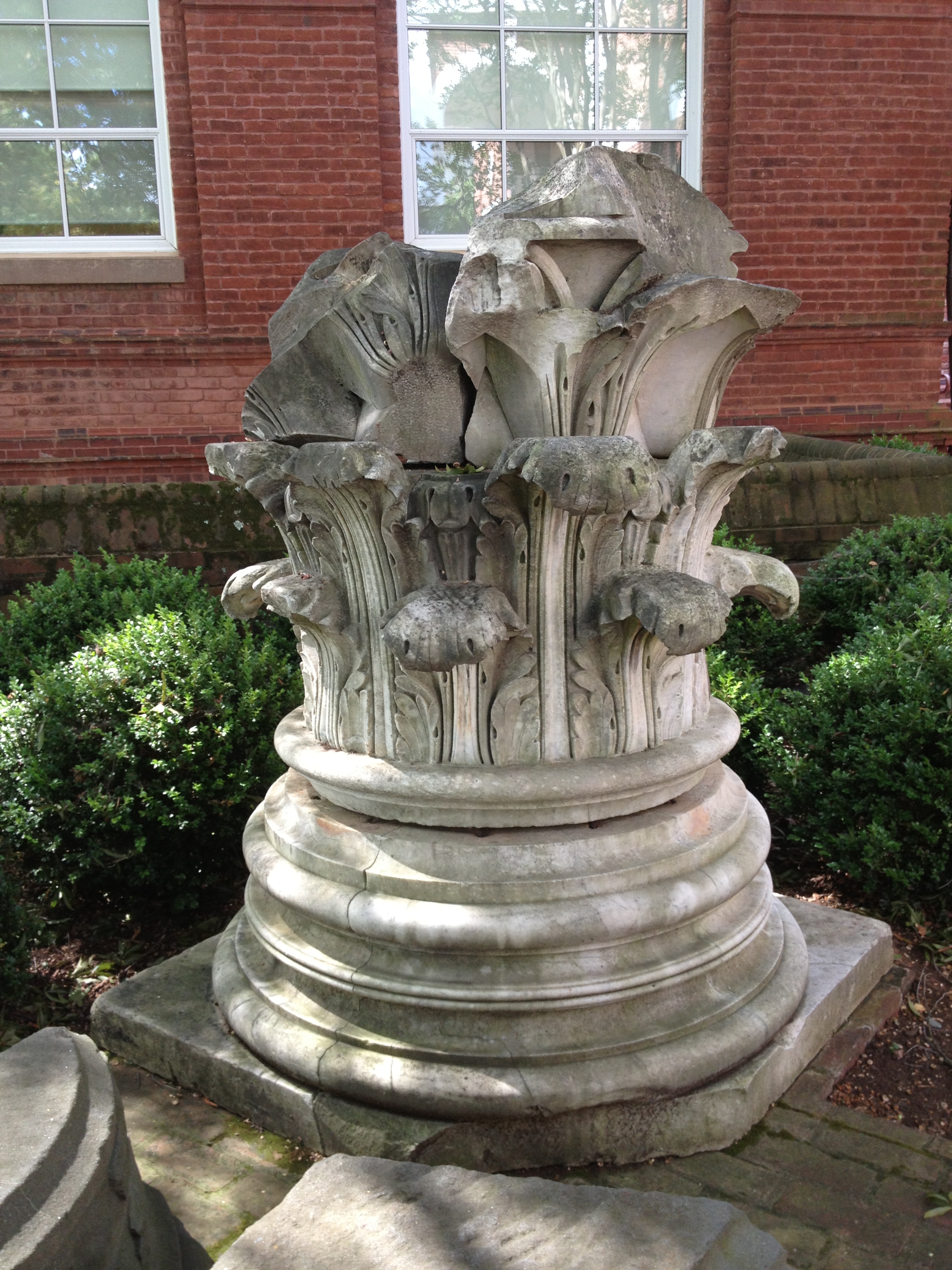
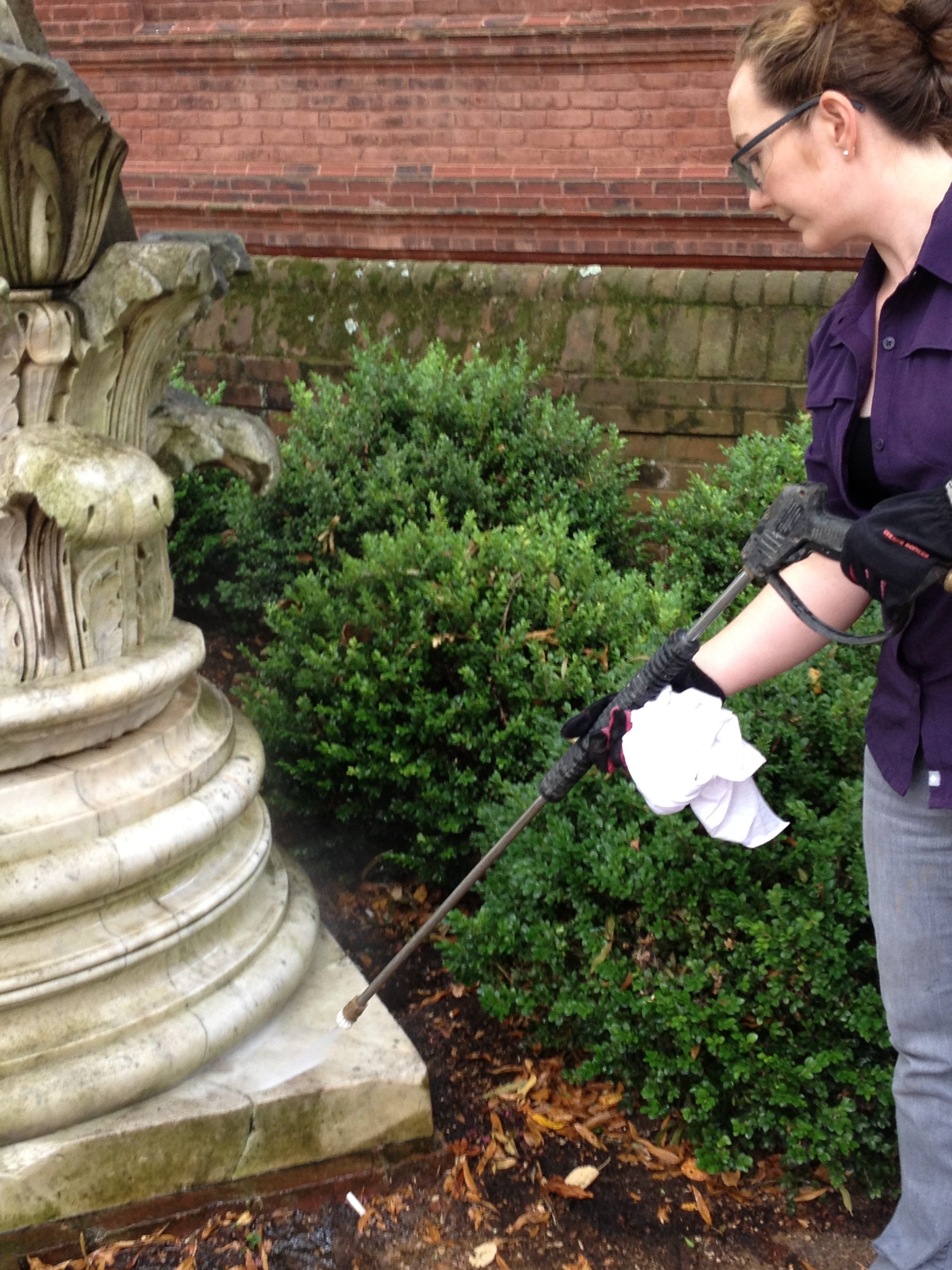
- Cast Iron Capitals and Fragments: among the few surviving remnants of the former Rotunda Annex. It was designed by Robert Mills and built onto the north facade in 1853, but destroyed by fire in 1895.
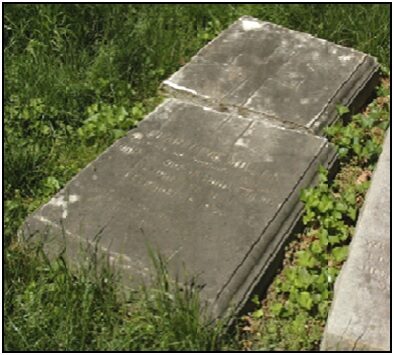
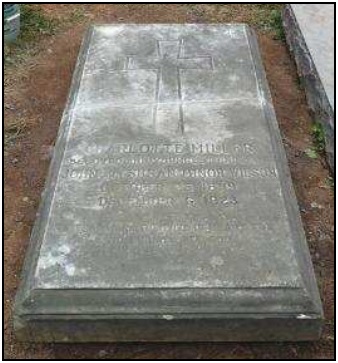
- Cemetery Tombstones: tombstones for a prominent figures at the University. Several were damaged in 2008 after a large tree fell. This included the marble Charlotte Miller Monument.
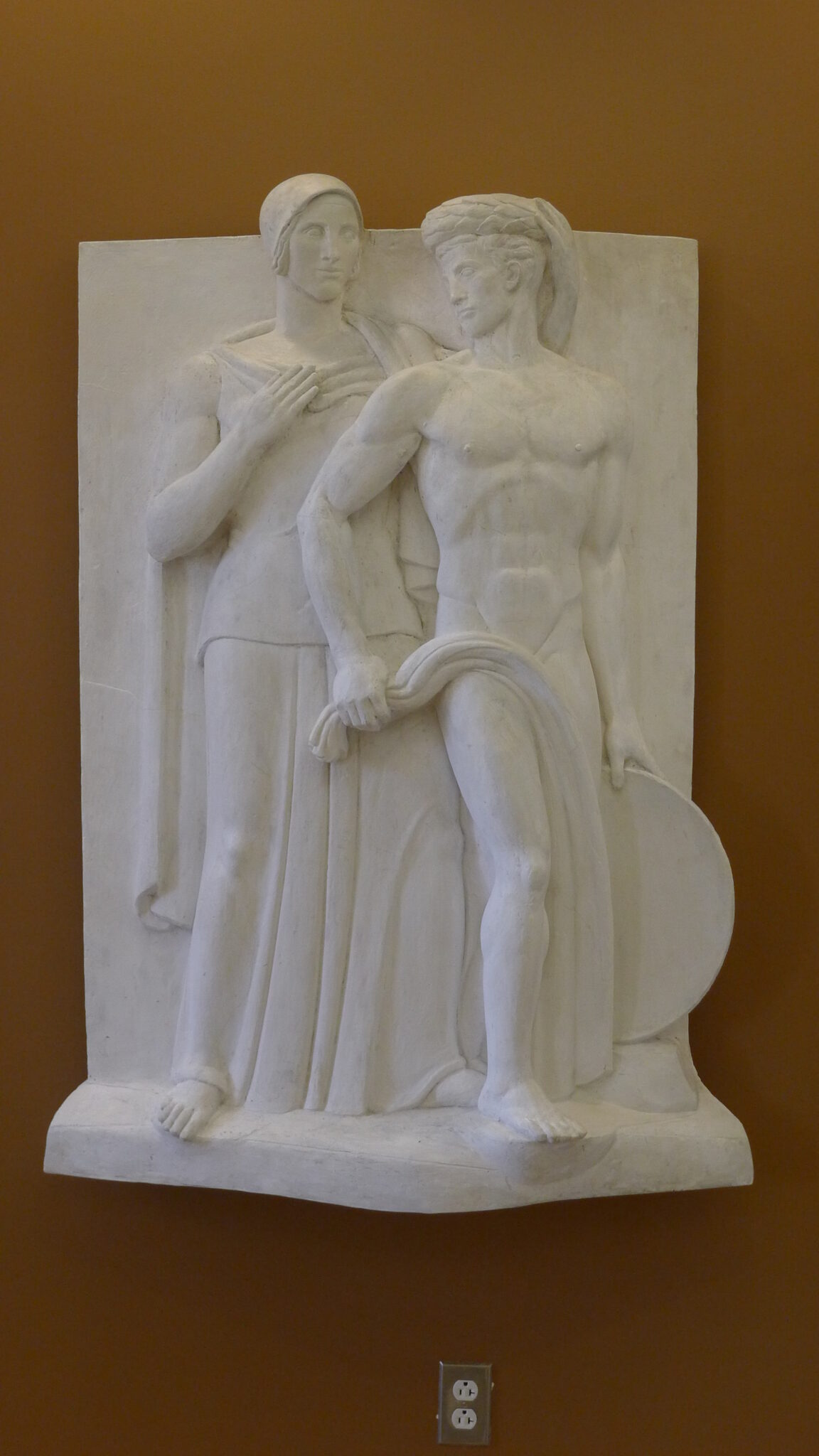
- Leo Friedlander Reliefs: two plaster and burlap sculptures from the 1950s.
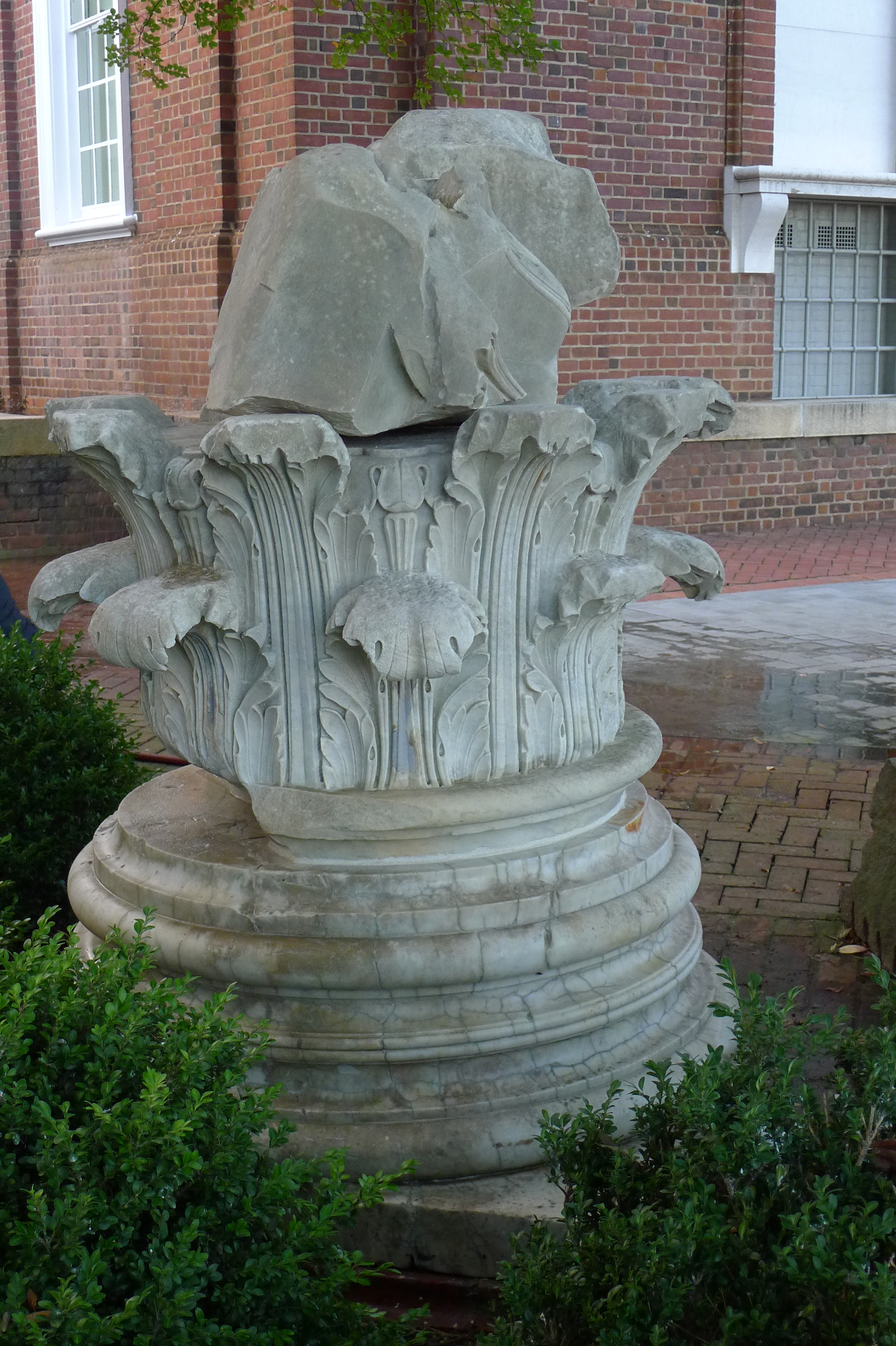
- Marble Capitals: fragments from the original Rotunda Library from 1826, which was destroyed by fire in 1895.
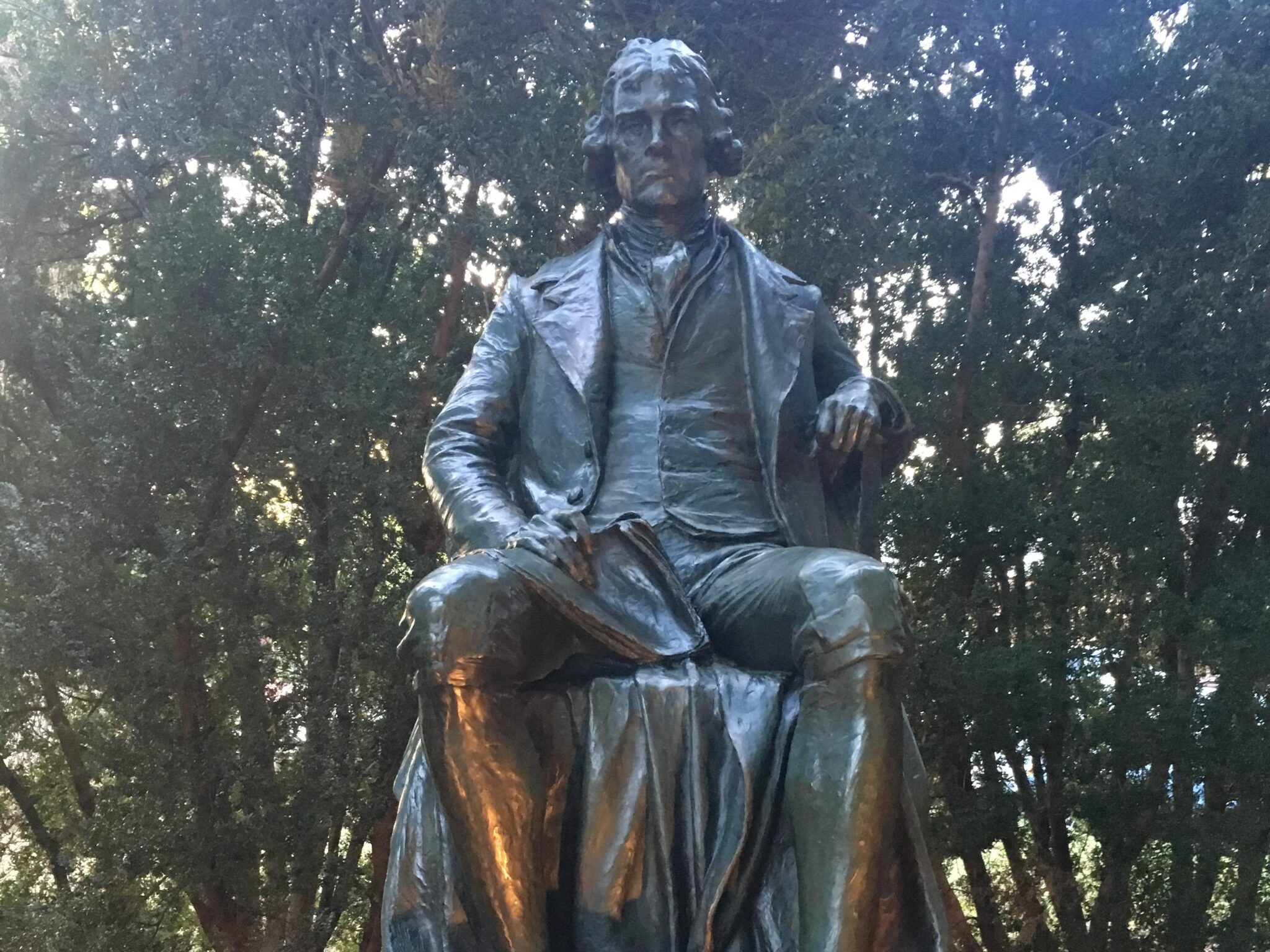
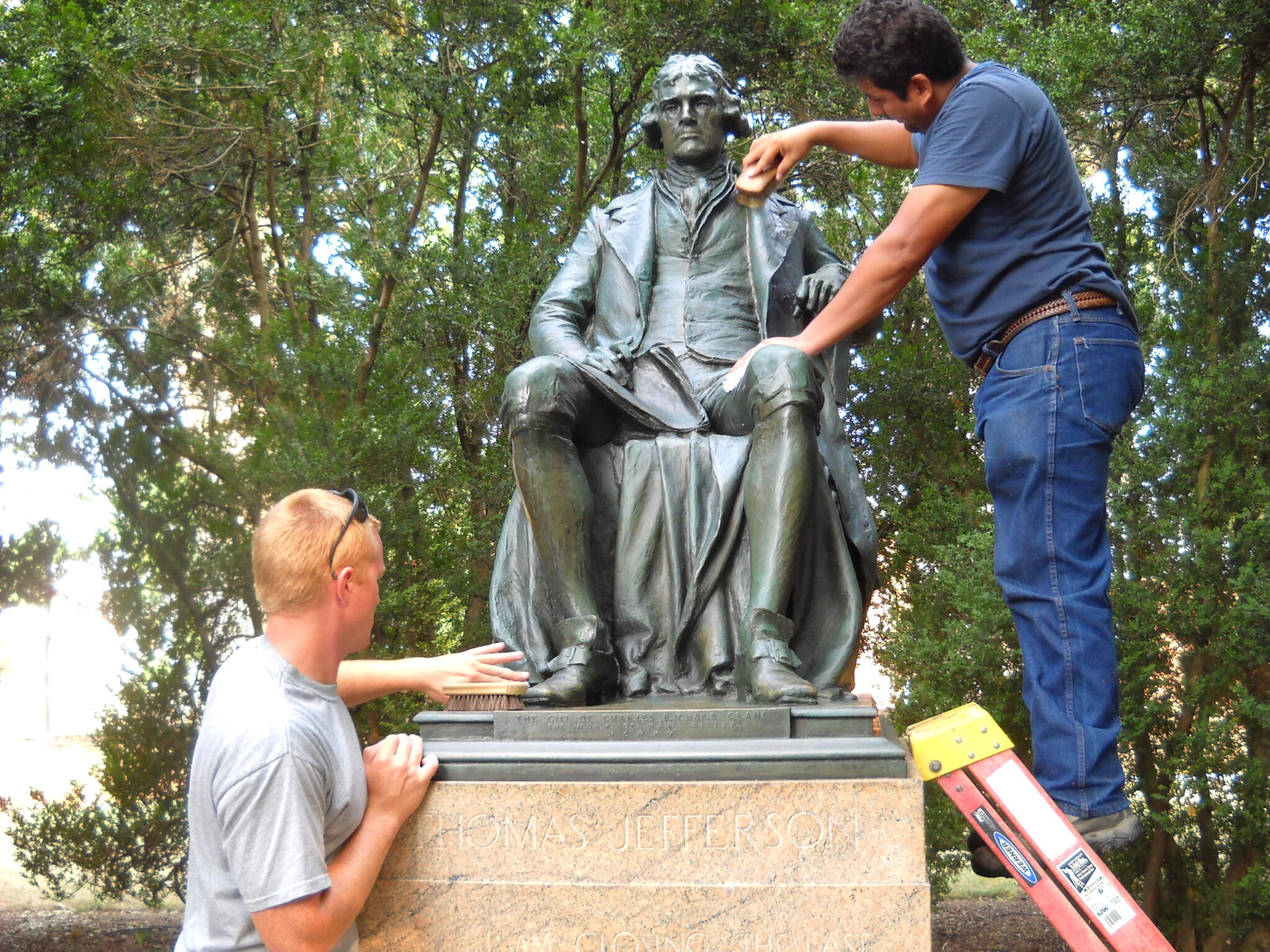
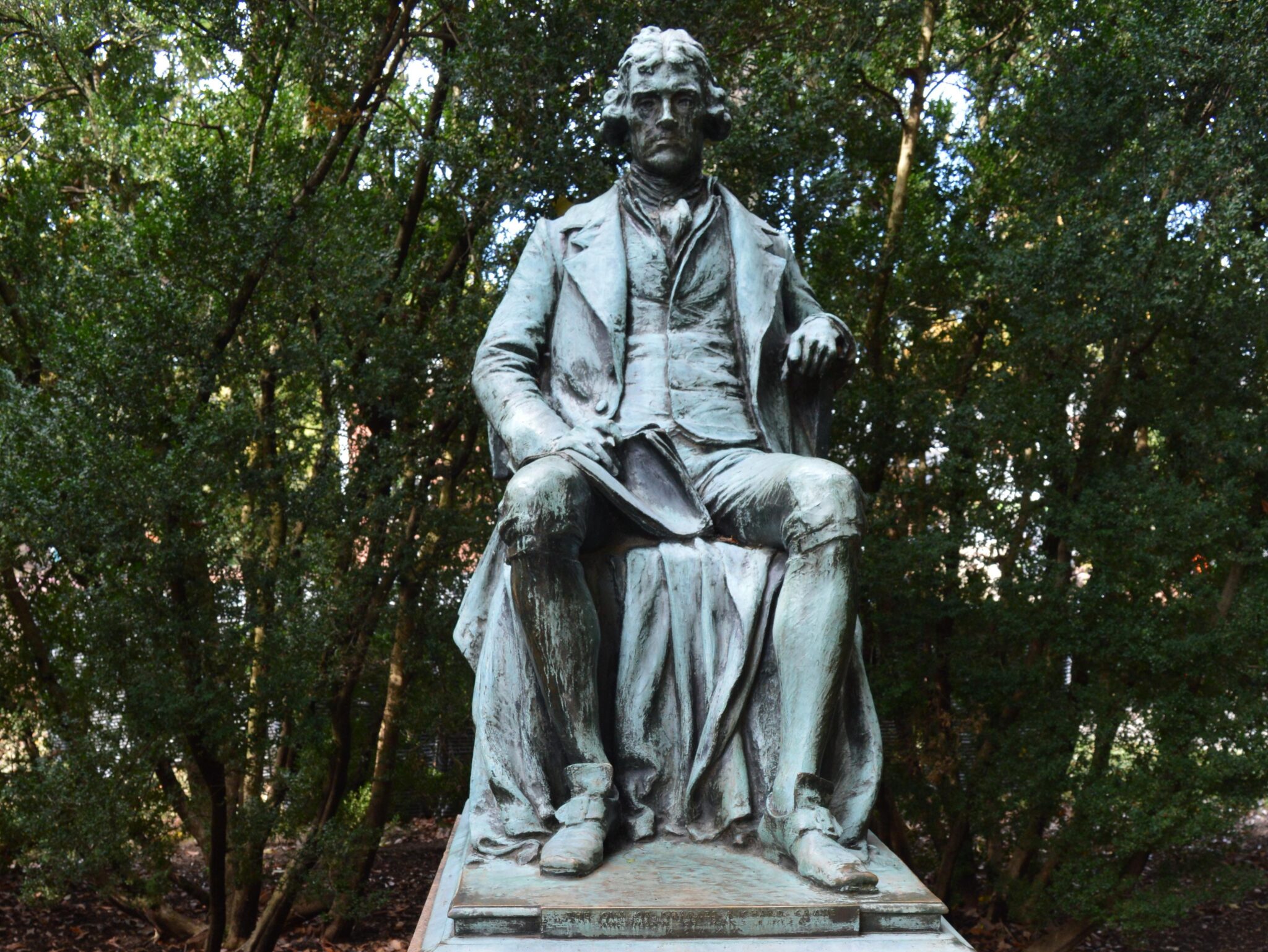
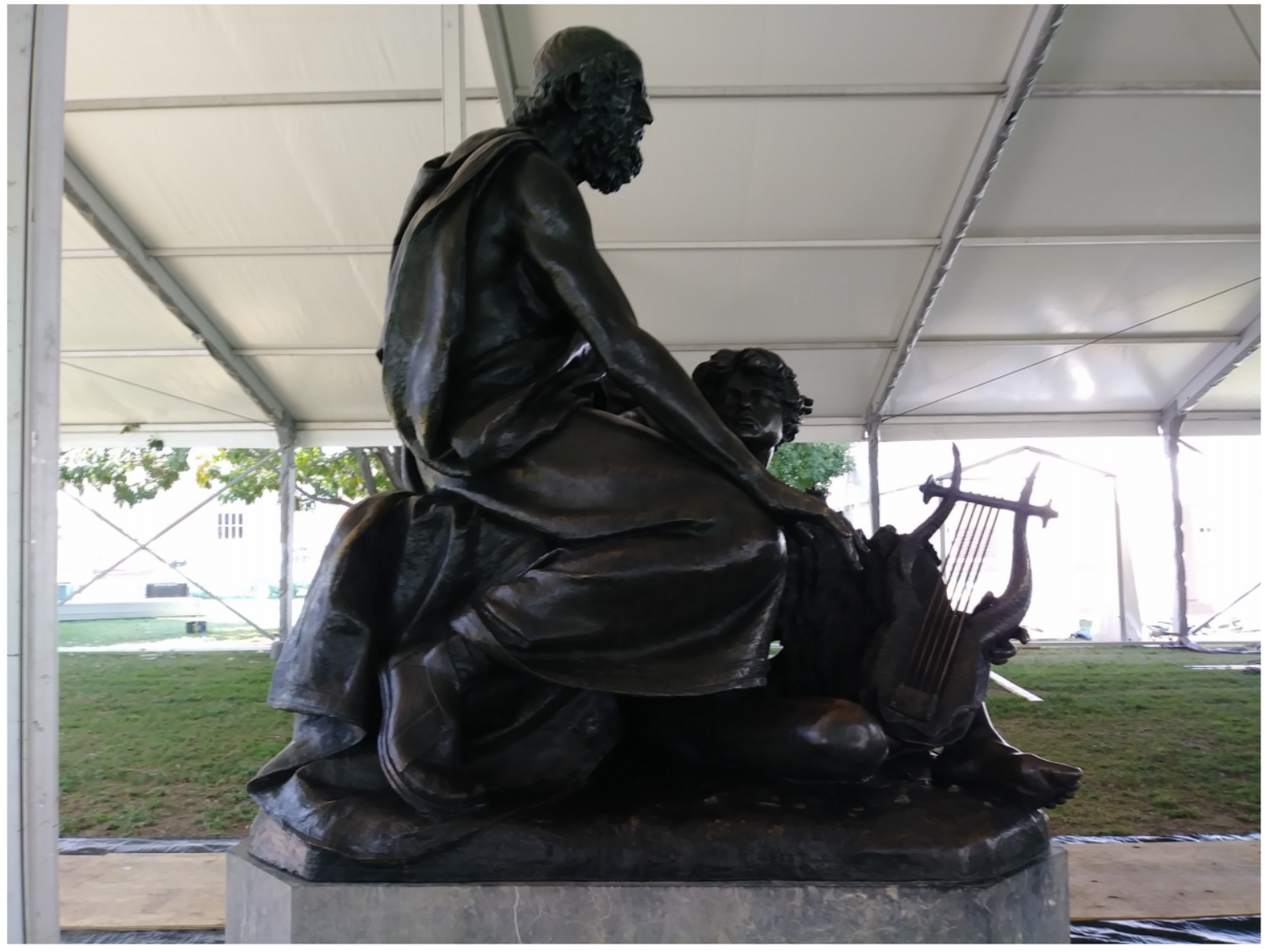
- Bronze Sculptures: including the two Jefferson Sculptures and Homer’s Lyre
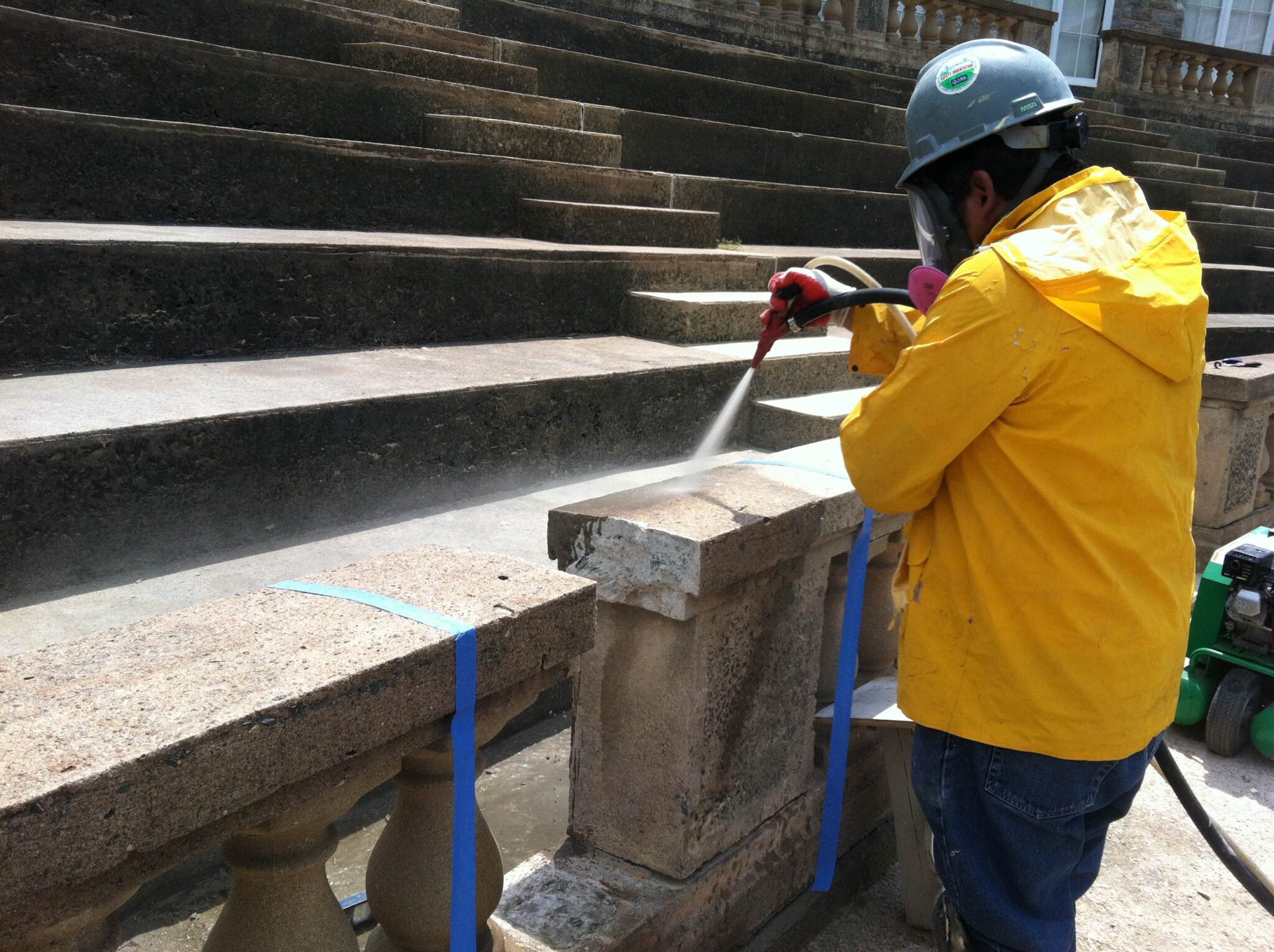
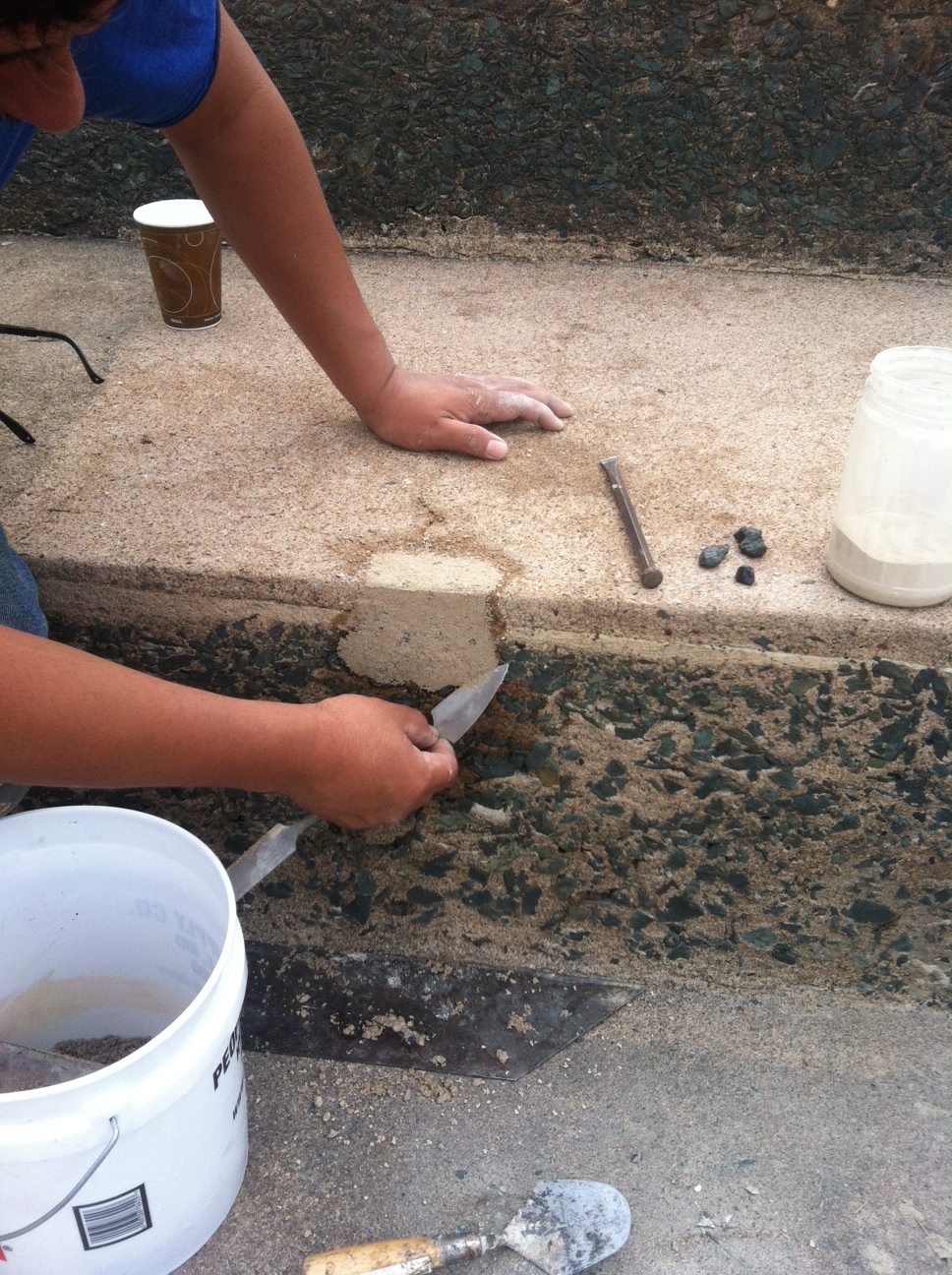
- Historic McIntire Amphitheatre: completed in 1921 and designed by architect, architectural historian, and head of the UVA Architectural School Fiske Kimball.
- Rotunda Plaques: 7 bronze plaques mounted on the walls of the rotunda, which commemorate Woodrow Wilson, the students and graduates who died during the civil war, those who died during WWI, WWII and the Korean and Vietnam Wars.
While each work had its own individual treatment requirements, typical range of treatments included:
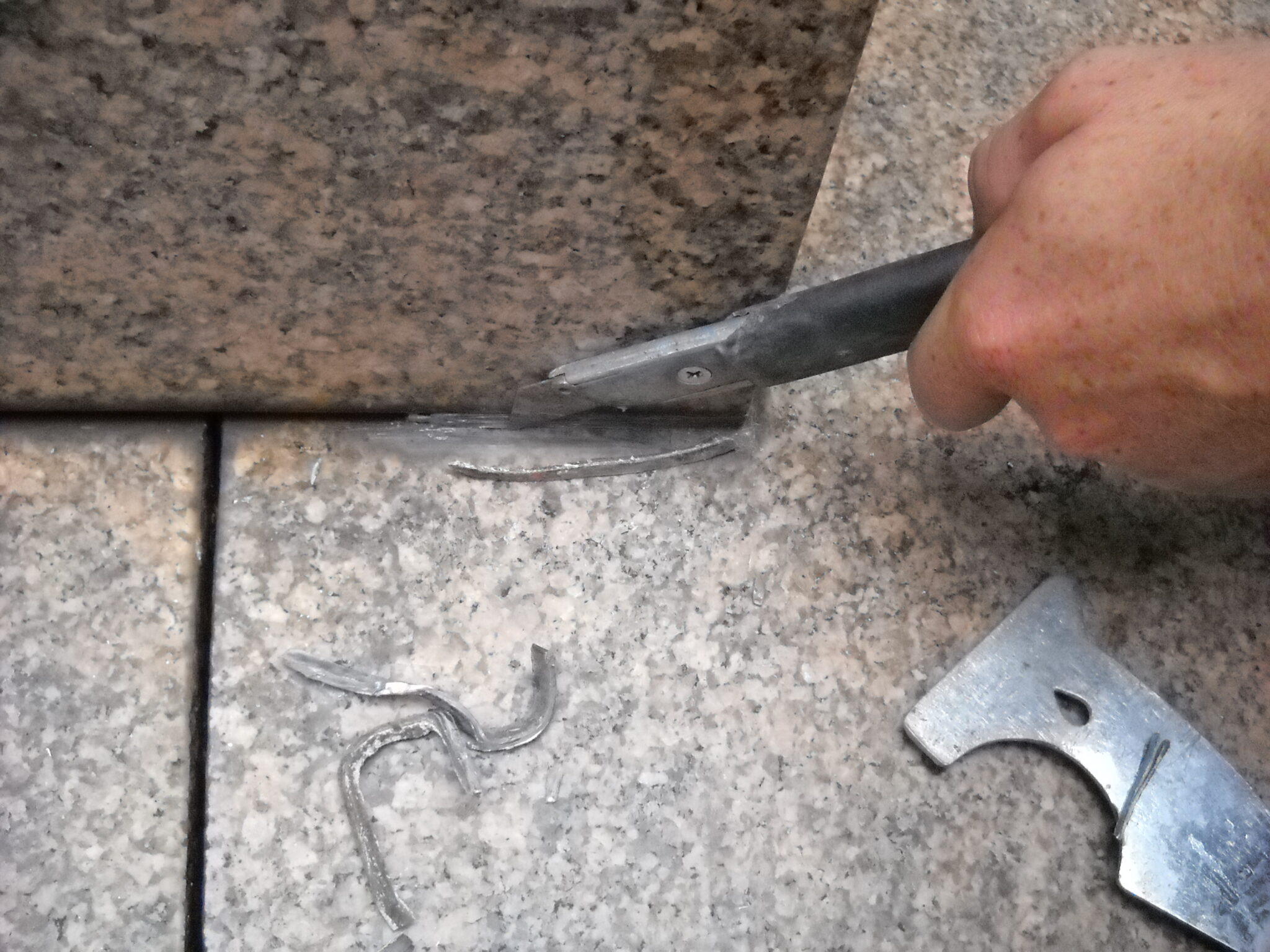
Bronze: cleaning surfaces to remove atmospheric and biological soiling; removal of calcite deposits; removal of corrosion products with hand tools; removal of failed coatings using solvent strippers and heated pressurized water; spot patination to match adjacent material; application of new wax coatings where appropriate, including a layer of proprietary hot wax which includes corrosion inhibitors and thorough buffing; application of new outdoor-grade lacquers; application of lead caulking where necessary; replacement of lost material; repairs to breaks in assemblies.
Cast Iron: rinsing surfaces to remove atmospheric and biological soiling, as well as reduce soluble salts using pressurized water; removal of loose corrosion product using pressurized water and hand tools; application of a tannic acid solution as a corrosion converter; cleaning with a corrosion inhibiting detergent; reattaching of loose or detached elements; spot patination to match adjacent material;
Cast Stone/Concrete: cleaning surfaces to remove atmospheric and biological soiling using pressurized water and microabrasion; repointing failed mortar joints; infill areas of loss with patches; injection fills at cracks; caulking; resetting of dislodged cast stone elements; and the installation new cast elements.
Stone: cleaning surfaces to remove atmospheric and biological soiling using detergents, water, and microabrasion; removal and/or replacement of failing iron pins and mounts using stainless steel and epoxy, including resetting and re-adhering pieces which had broken and become displaced; re-adhering loose elements; removal and replacement of post-historic fills; infill areas of loss with patches and dutchman repairs; injection fills at cracks; and repointing of mortar joints.
Artistic Plaster: cleaning to remove atmospheric soiling and graffiti; re-adhering and reinforcement of loose plaster using adhesives, burlap, and plaster; replication of material loss or missing elements using calcium carbonate and/or plaster; inpainting areas of paint failure; creation and installation of new mounting systems.
A unique element which was treated was the Rotunda Hearth. Uncovered during a renovation, the hearth was part of a chemistry classroom lab from the original Thomas Jefferson design. It was concealed in a lower-floor wall in the mid-1840s when the chemistry lab moved to the southwest wing. EverGreene worked on the hearth during a few different mobilizations. The first intervention involved stabilization, preservation, and protection of the most vulnerable plaster surfaces and bricks prior to structural work on the building. The second intervention further stabilized as well as conserved the hearth for display in the finished space. Conservators used dry methods to clean and prepare the hearth for stabilization. Afterwards the facings were removed and plaster was injected with high-viscosity adhesive to bond it to the historic brick.