Ximenez-Fatio House Museum
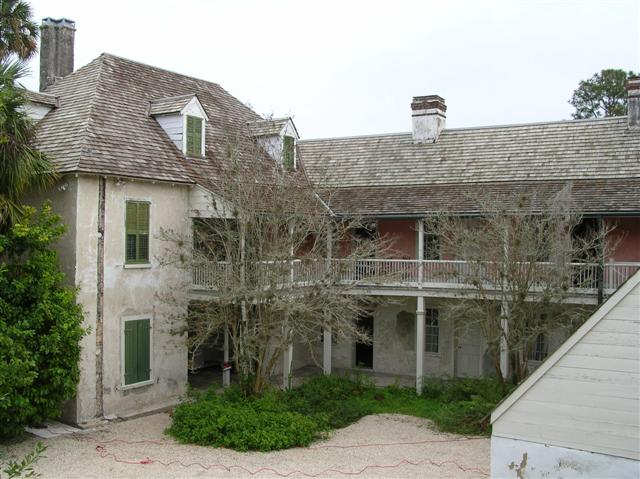
The Ximenez-Fatio House, located in St. Augustine, Florida, was originally constructed in 1798 during the Second Spanish Colonial Period as the home of Don Andrés Ximenez and his family. Distinctly Spanish in design, the property consists of a two-and-a-half-story main house with a two-story rear ell. Following the deaths of Ximenez and his wife, the property was rented to various tenants until it was converted it into a boarding house in 1830. The building continued to operate in this capacity for years, including after it was acquired in 1855 by its second namesake Miss Louisa Fatio. The house remained in the Fatio family until 1939, when it was purchased by the National Society of the Colonial Dames of America in the State of Florida who established it as a historic house museum. The property was listed on the National Register of Historic Places in 1973 and designated a Florida Heritage Landmark in 2012.
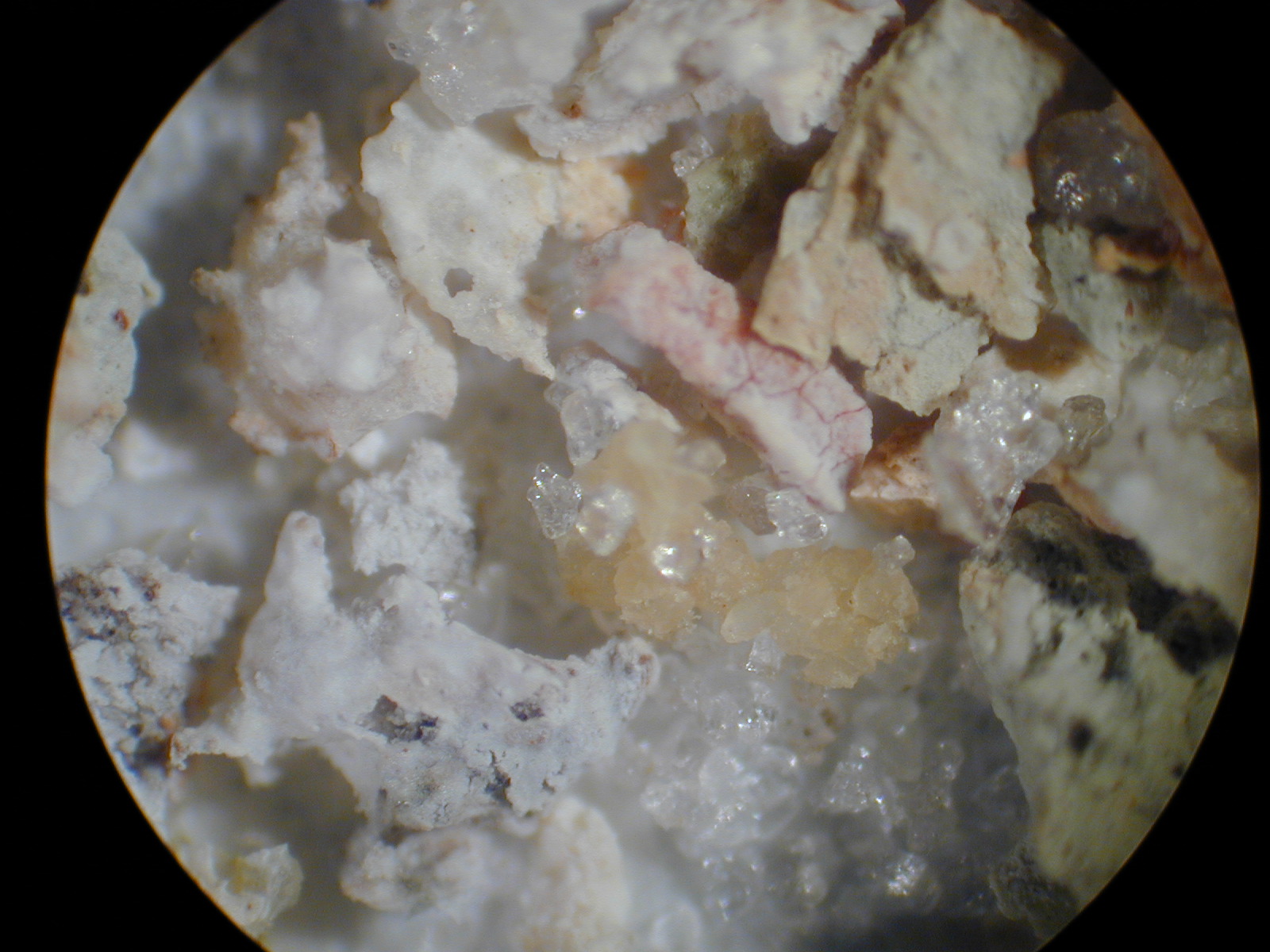
EverGreene was contracted in 2005 by architect Joseph K. Oppermann to perform a conditions assessment of the exterior and interior lime renderings/plaster finishes and lime wash coatings, as well as develop methodologies for restoration. It was determined that, over time, Portland cement stucco and acrylic-based paint coatings had either been applied over or had replaced the original wall coating system on both the interior and exterior surfaces. These later repairs significantly reduced breathability of the porous coquina stone walls. Moisture became trapped within the masonry, forcing moisture vapor toward the interior wall surfaces and causing damage to the interior finishes. EverGreene carefully documented the areas of the building that were affected, which informed the overall treatment plan.
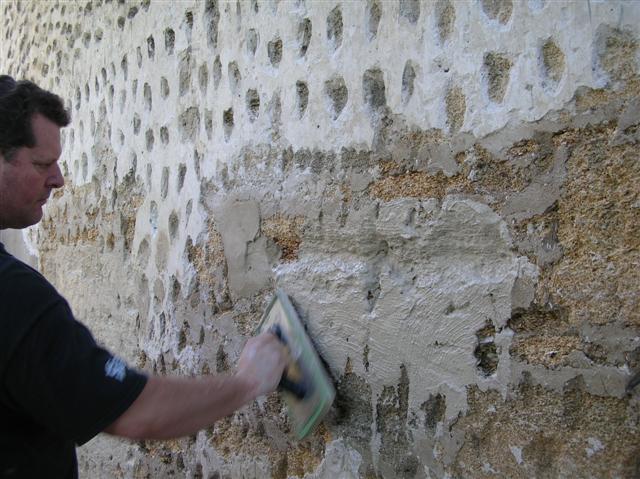
EverGreene conducted testing to evaluate the feasibility of removing the non-historic coatings and to determine appropriate methodologies for their removal and replacement. Following results of testing, EverGreene oversaw the completion of the exterior and interior restoration work. Collaborating with local contractors and masonry specialists, all paint and Portland cement plasters were removed, the coquina walls were restored, and a multi-layer system of lime renders and washes was applied.