The Titanic Collection
The story of the RMS Titanic continues to captivate public and professionals alike. During its maiden voyage from Belfast to New York, the Titanic struck an iceberg, which compromised rivet seams in a section of the hull and created a 32-foot-long gash below the waterline. The damage placed considerable stress on the hull, causing catastrophic failure which resulted in compartments filled with water. The ship broke into two main pieces, and sank into the depths of the Atlantic on April 15, 1912.
The location of the ship was lost until 1985 when it was discovered 2.5 miles below the surface of the North Atlantic Ocean approximately 300 miles southeast of Newfoundland. The bow and stern are separated by 2,000 feet, their contents scattered forming what is referred to as the debris field. Recovery of artifacts from the wreck-site began not long after its discovery, with expeditions in 1987, 1993, 1994, 1996, 1998, 2000, and most recently in 2004. Nearly 5,500 artifacts have been raised so far.
Preservation of the Collection
EverGreene worked closely with Premier Exhibitions, the salvor-in-possession, to preserve the collection. Services included periodic assessments, conservation treatments, maintenance of touring artifacts, display-mount design and fabrication, and ongoing consultation.
Each object was desalinated, cleaned, dried, stabilized, and protected using preventive conservation methods. Where appropriate, corrosion and surface accretions were removed, fragments were reassembled, protective coatings were applied, and custom exhibition mounts were created to support safe display. Many large fittings from the ship posed significant challenges, as their iron and steel components had deteriorated and become fragile.
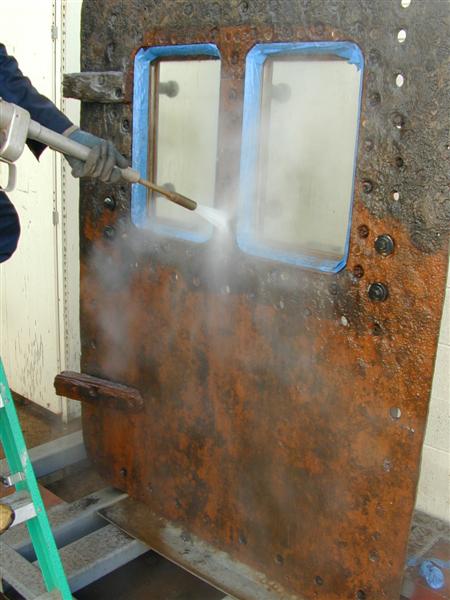
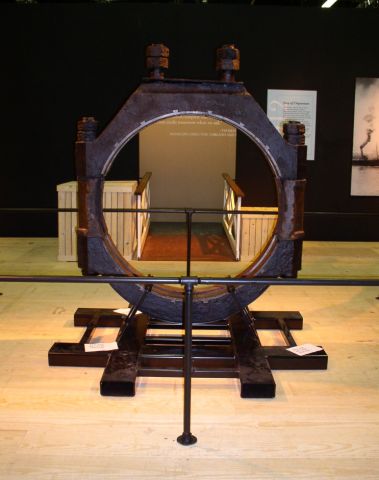
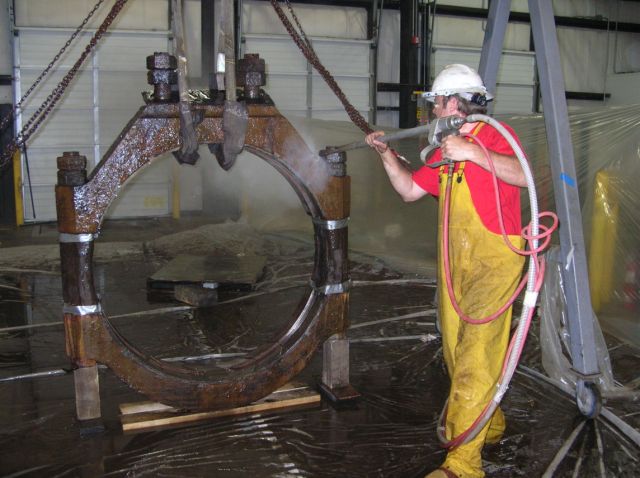
Although each required tailored treatment, common steps included low-pressure steam cleaning and coating removal, ultra-high-pressure waterjet cleaning of steel, desalination to extract salts, application of corrosion converters and inhibitors, stabilization of sensitive materials, and protective microcrystalline wax coatings with added inhibitors. EverGreene also designed travel and exhibition mounts for several major artifacts, including the David Base and Arm, the Eccentric Strap, and an Officer’s Quarter Window.
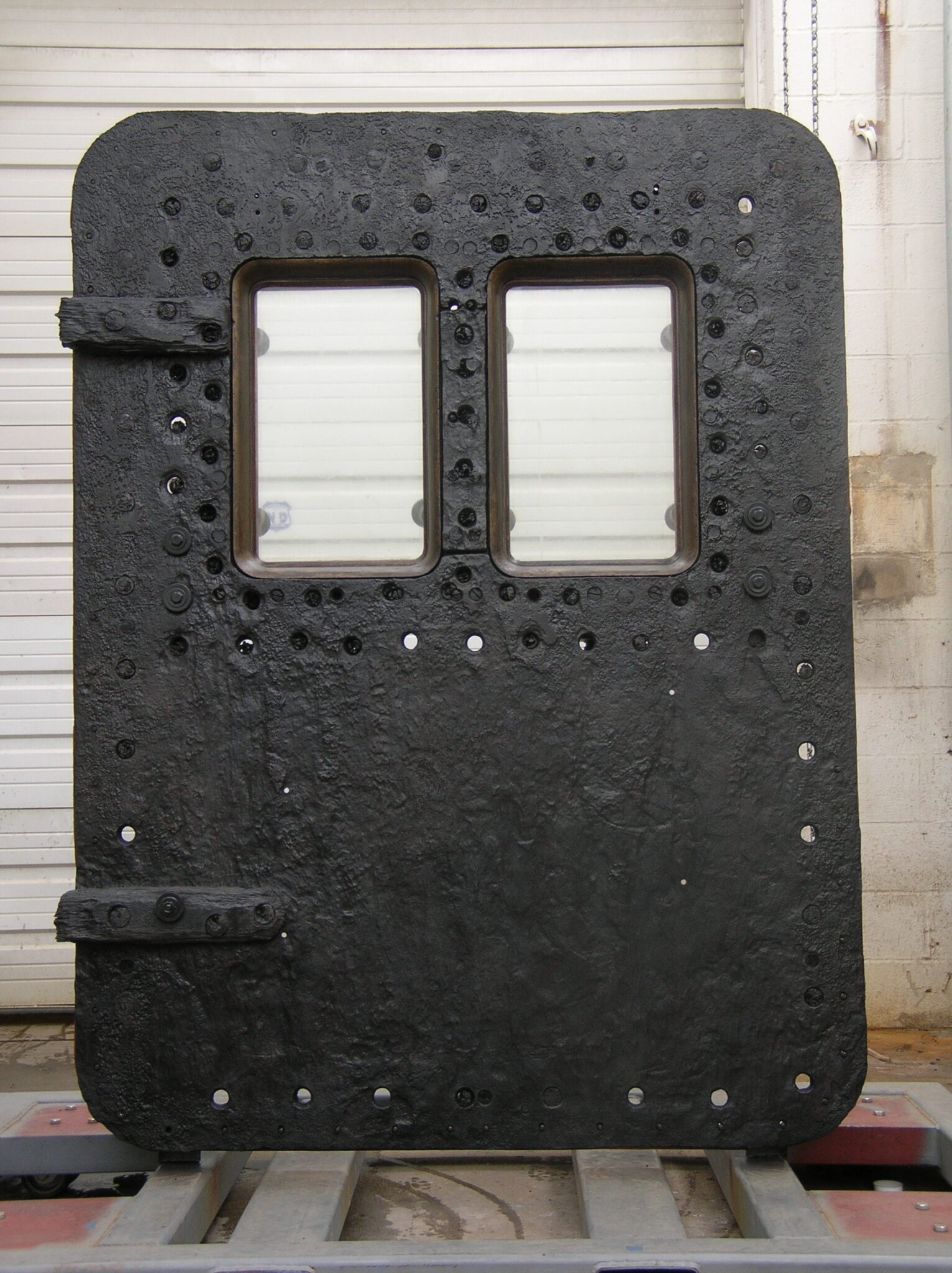
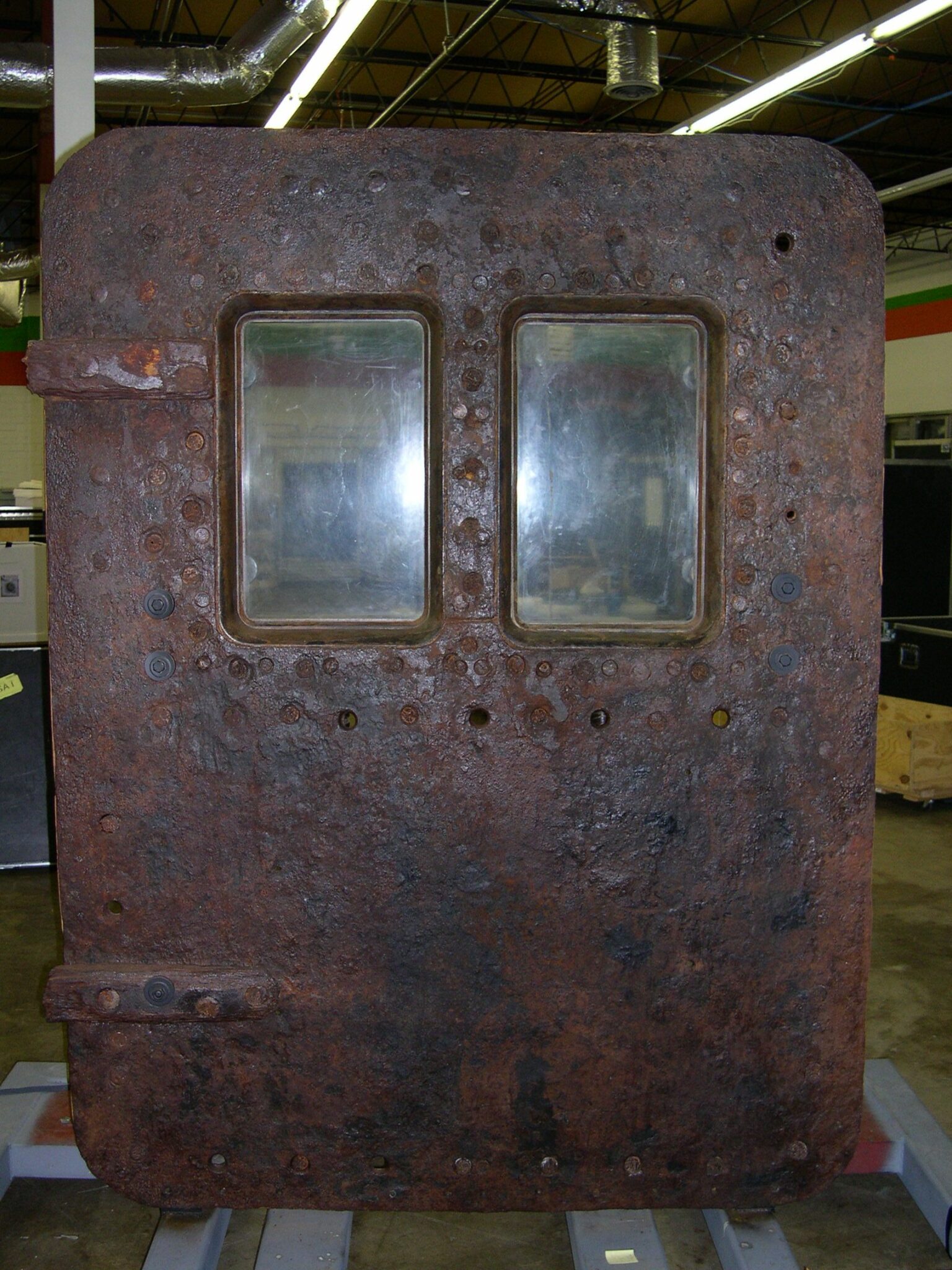
D-Deck Door (steel, iron, brass, glass, rubber gasket): The port-side gangway door from the Titanic’s D-Deck opened into the first class reception area, which acted as the “front door” for first class passengers boarding the ship. Original desalination and conservation treatments were performed in France following recovery. However, it was not always transported, displayed, and stored in climate-controlled environments. By 2004 it signs of instability and was in need of complete re-treatment, which was performed by EverGreene.
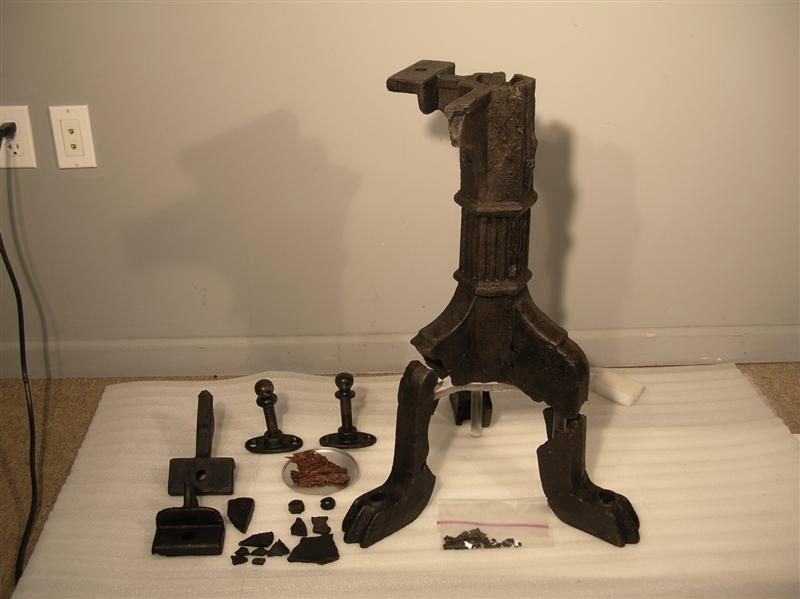
Davit Base and Arm (cast iron, steel, brass): Used to lower the ship’s life rafts, one side of the base shows the screw for the arm in its lowered position while the other is still raised, revealing that one of the few too little lifeboats that could have saved lives was not lowered.
Eccentric Strap (cast iron, copper-tin alloy): The strap was a spare for one of Titanic’s enormous steam engines. The original desalination treatment was performed in France by others.
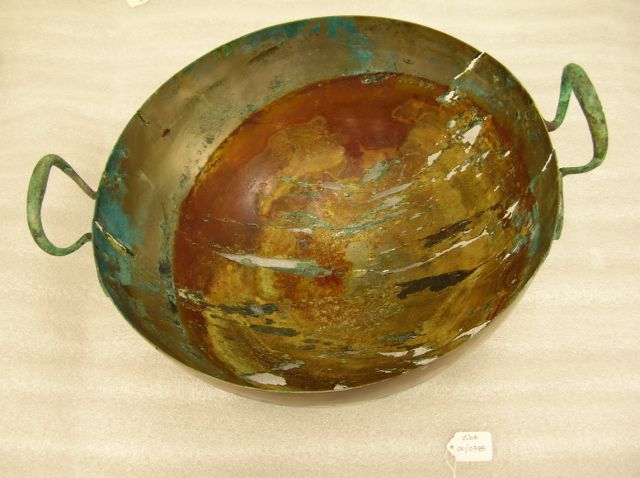
Dining Service Items: First, second, and third class items such as cook pots, flatware, plates, bowls, cups, crystal decanters, a water boiler and milk scalder, and personal items such as eye glasses, shavers, pill boxes, cigarette cases, coins and jewelry were treated and prepared for exhibition.
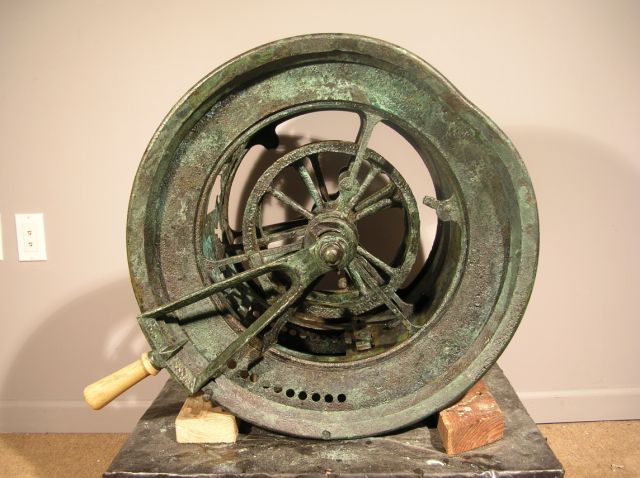
Ship Fittings: These items included porthole’s, engine telegraphs, light fixtures, and hardware which were treated and prepared for exhibition.
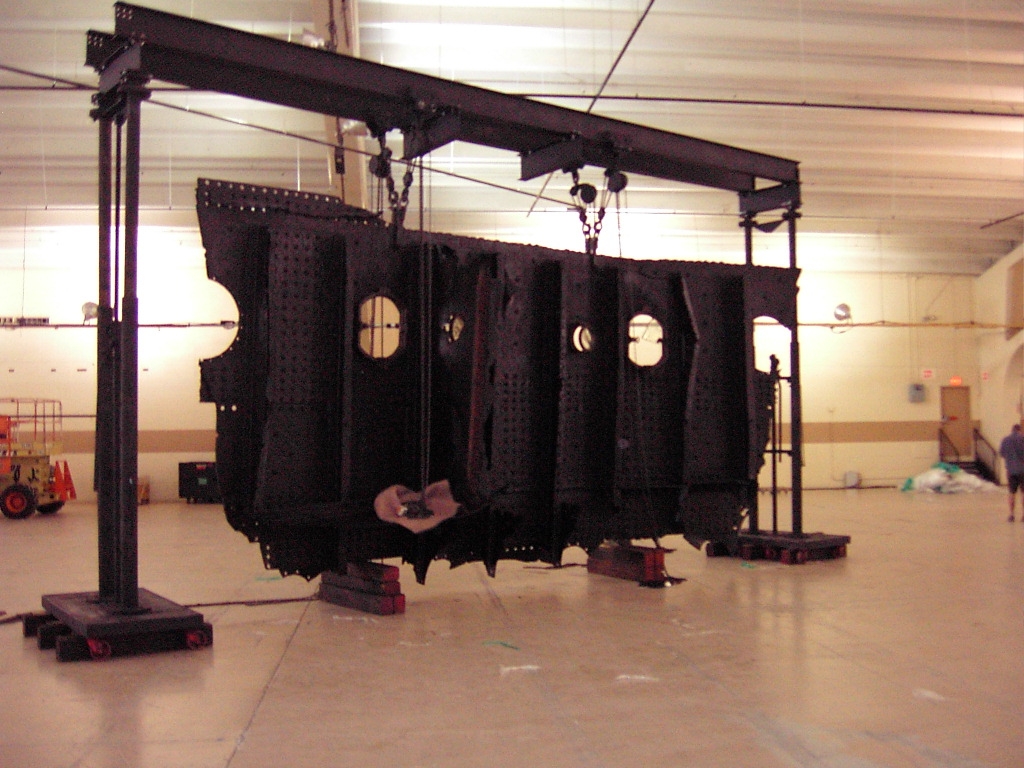
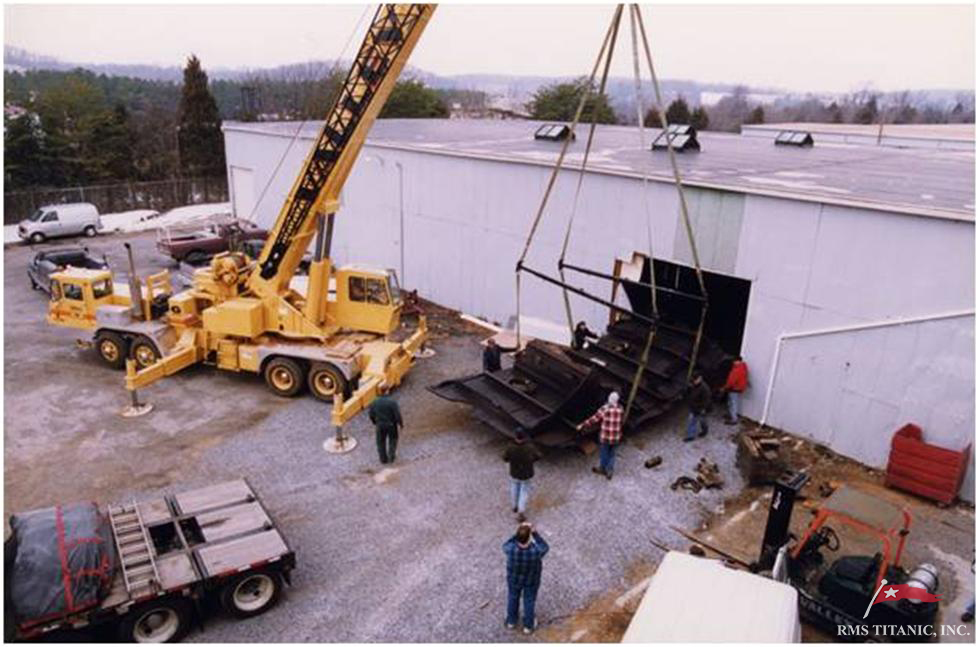
The “Big Piece”: Of particular note are two objects colloquially known as the “Big Piece” and the “Little Piece.” In 1998 a section of the hull was raised from the ship, which was subsequently identified as shell plating from two empty first-class suites, C-79 and C-81, just forward of the central section of the hull. The fragment was subdivided into two pieces of unequal size. EverGreene was involved from the very beginning, working closely with thee lead Titanic recovery conservation team—LP3 Conservation of Semur en Auxois, France and Conservator Stephane Pennec—to develop a conservation treatment plan. The plan included the desalinization of the piece using sacrificial anodes and soaking it in a sodium carbonate solution over the 18-month period.
The original conservation treatment on “The Big Piece” occurred in the EverGreene studio. Conservation treatments included removal of loose corrosion and “rusticles” using high-pressure water and hand tools, application of a corrosion converter, and an application of a hot wax protective coating. The bronze elements required minimal treatment and the original paint residue was left intact. Additional tasks performed were: supervision of the rigging and shipment of the piece to various exhibition sites; consultation for the construction of the display frame for the piece; providing technical input for the creation of interpretive information used in the display of the hull fragment and for press releases.
Titanic: The Artifact Exhibition
More recently, EverGreene was contracted to carry out maintenance treatment on the Big Piece when it was in Titanic Artifact Exhibition at the Luxor Hotel in Las Vegas, NV. The piece was cleaned of dust and debris, which had accumulated during years of display, using HEPA vacuums and soft bristled brushes, compressed air, and lint free cloths. Additionally, a corrosion converter was applied in areas with active corrosion and a final application of a cold paste wax protective coating.
EverGreene also recently performed conservation treatments on the Little Piece while on display at the Titanic Exhibition in Orlando, Florida. Treatment for the Little Piece mirrored that of the Big Piece, and included cleaning of dust and debris using HEPA vacuums and soft bristled brushes, spot application of a corrosion converters in areas with active corrosion, and a final application of a cold paste wax protective coating.