U.S. Capitol Grounds Hardscape Conservation
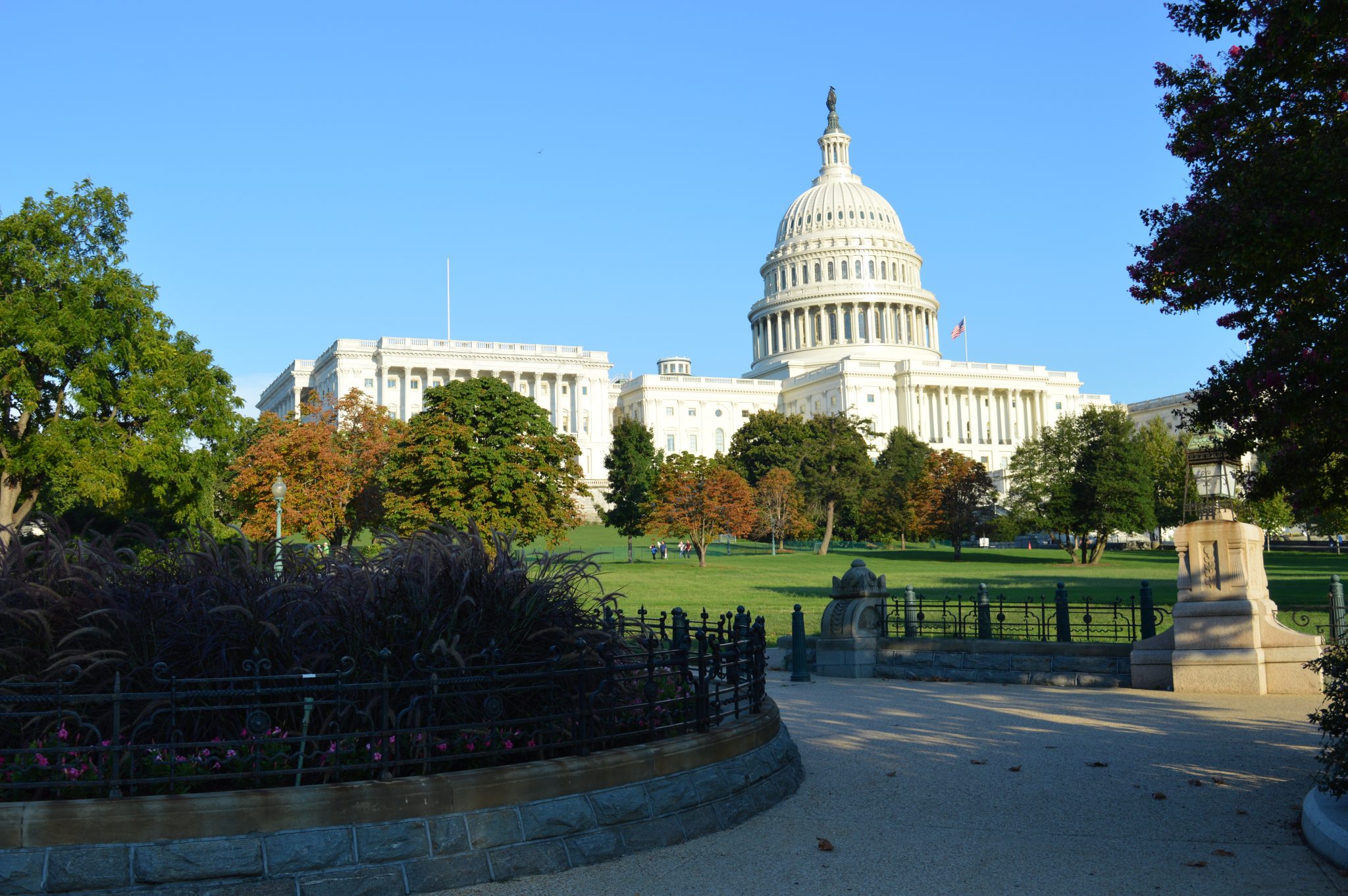
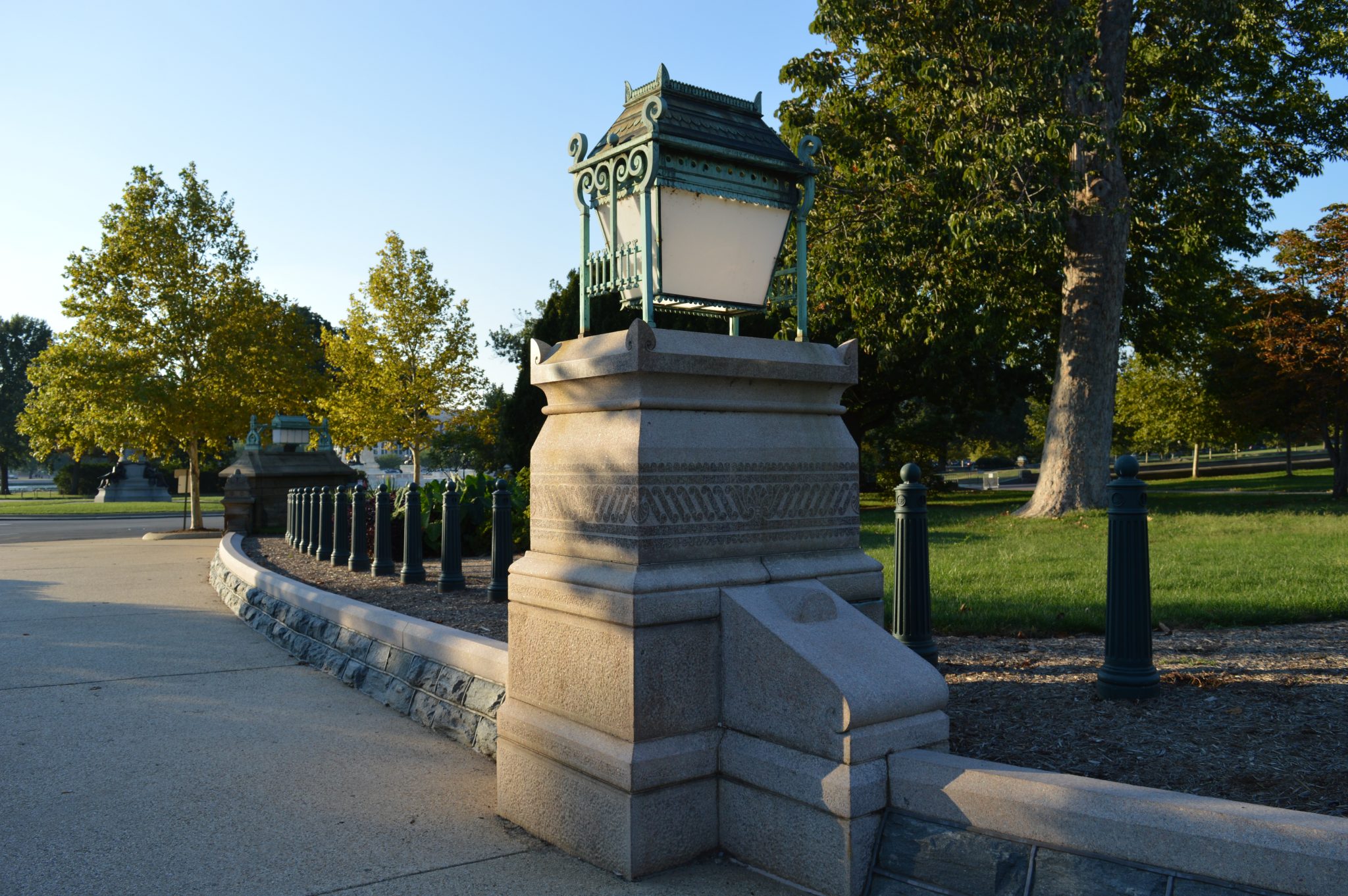
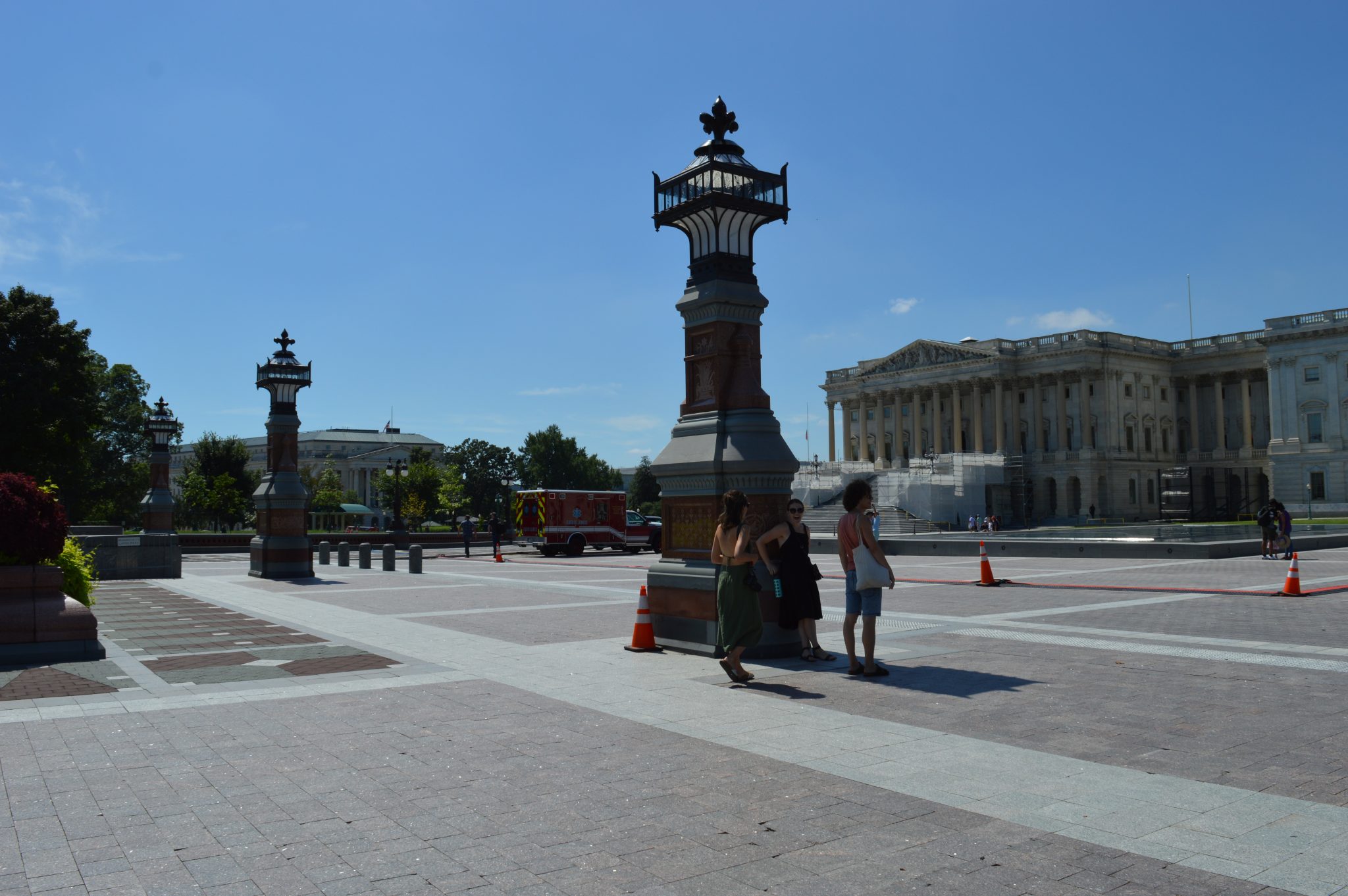
The U.S. Capitol occupies a 58-acre park designed by Frederick Law Olmsted between 1874 and 1892. Olmsted, who coined the term “hardscape,” incorporated architectural features such as low walls bordering walkways, lamps, and fountains that remain defining elements of the grounds.
As part of a multi-year preservation campaign led by the Architect of the Capitol, EverGreene contributed to the conservation of carved stone and decorative metalwork across the Capitol Grounds, helping to safeguard these historic features.
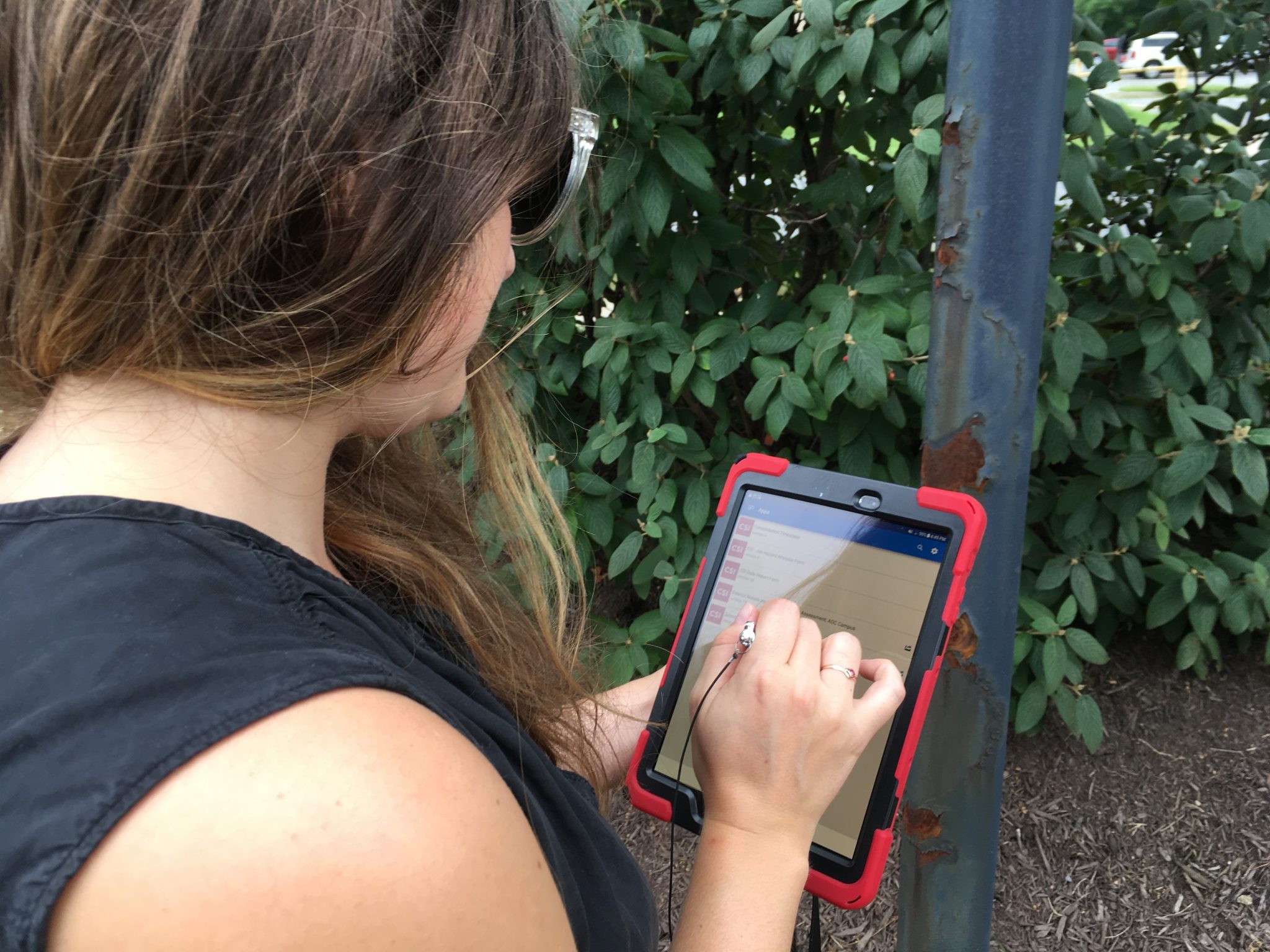
EverGreene developed a tablet-based survey system to efficiently document exterior architectural and ornamental metal across the U.S. Capitol Campus. The inventory, completed in multiple phases—including the Capitol Building, Campus, and House and Senate Wings—captured grilles, doors, windows, railings, fountains, lighting, and other metal elements. Each object was geo-tagged and cataloged according to metal type, condition, and surface coating, with treatment recommendations provided to assist site managers in long-term maintenance.
EverGreene conservators performed targeted conservation and maintenance on a wide range of historic metalwork, including:
-
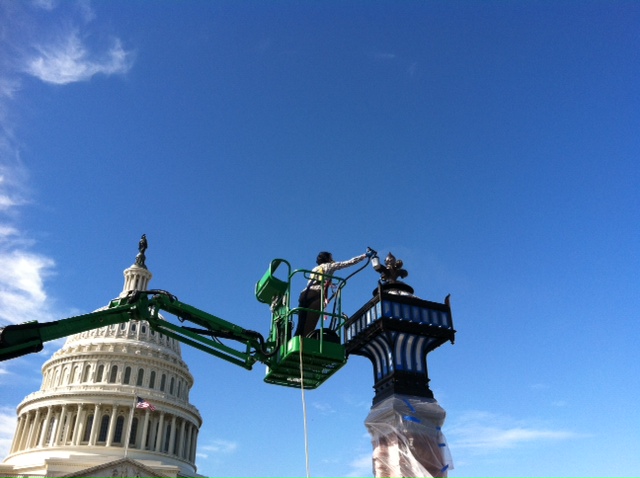
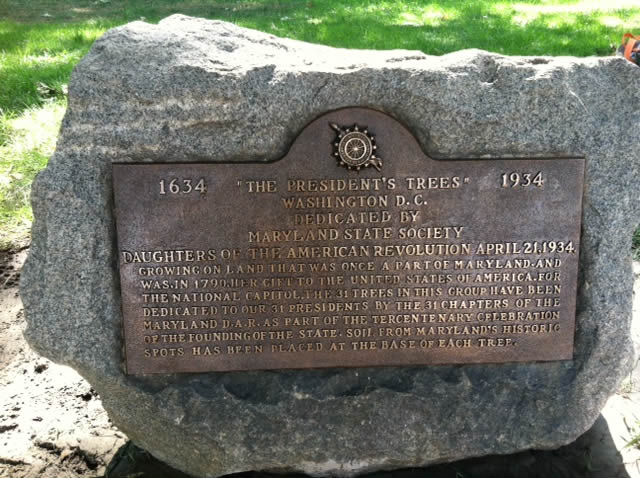
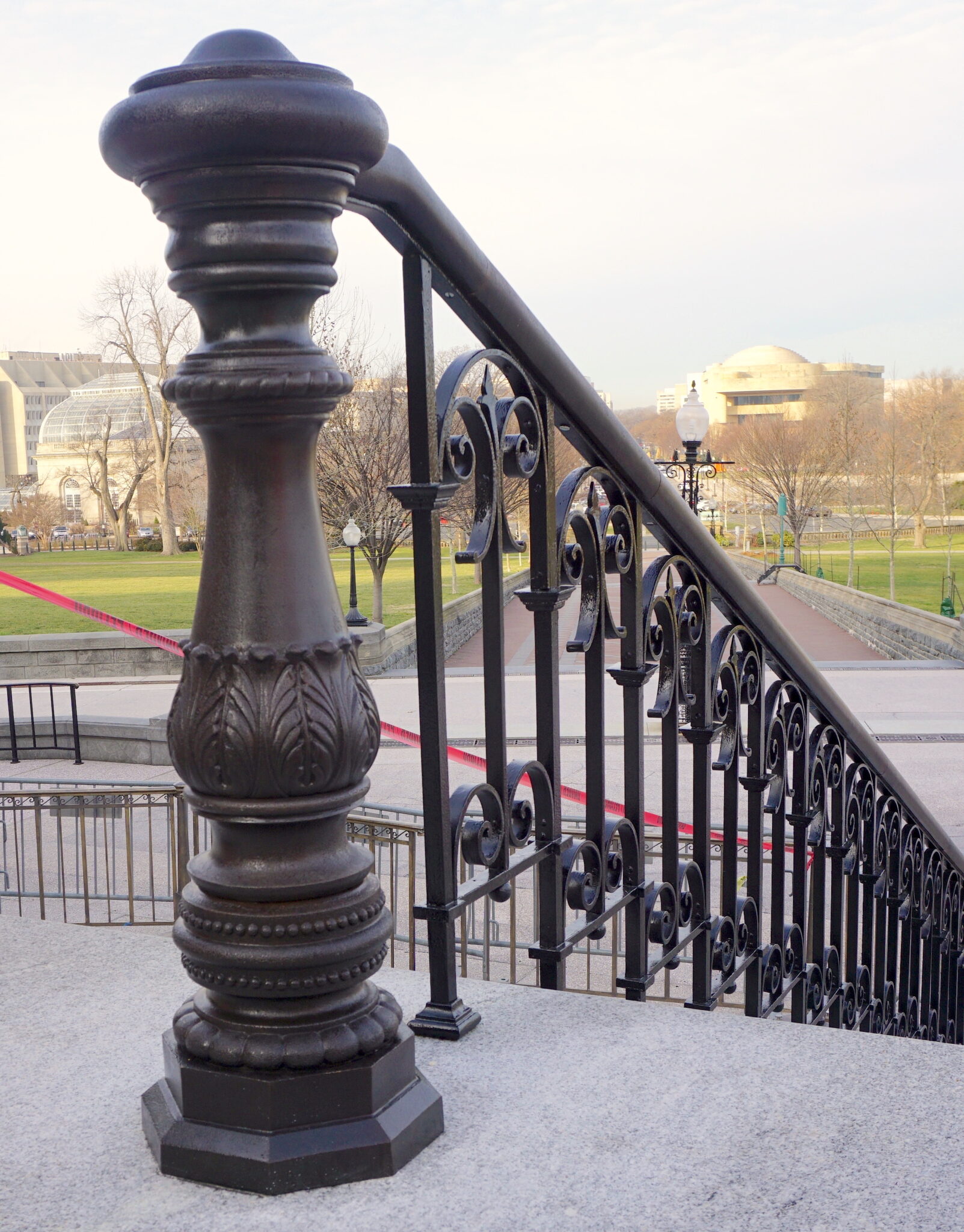
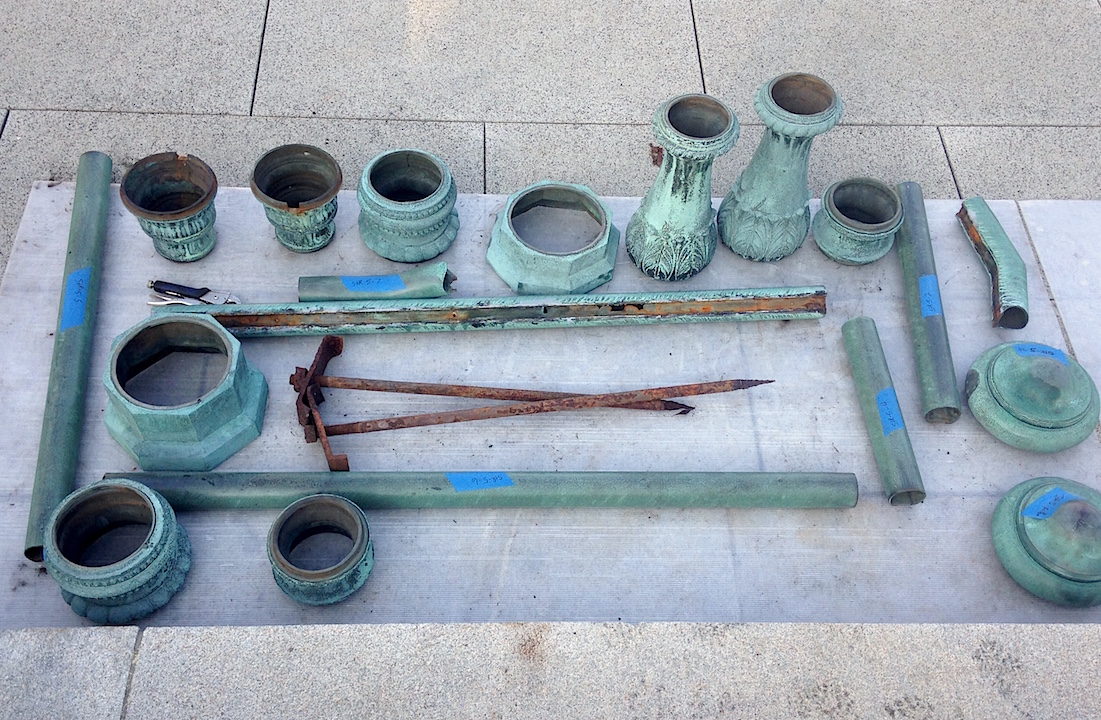
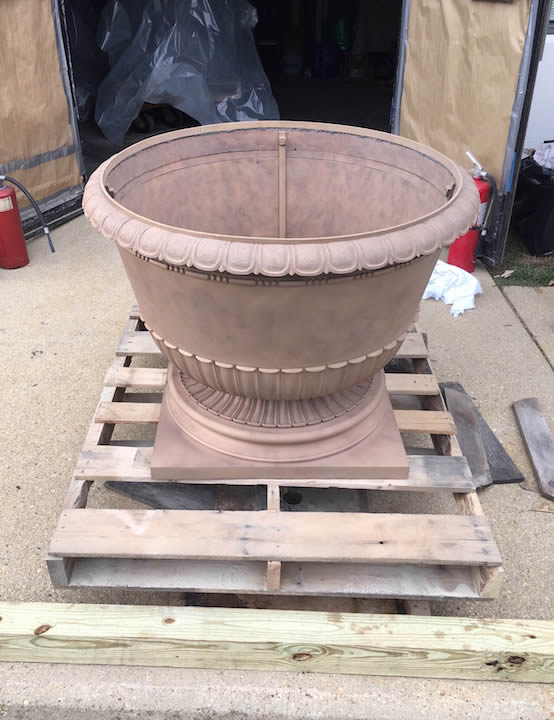
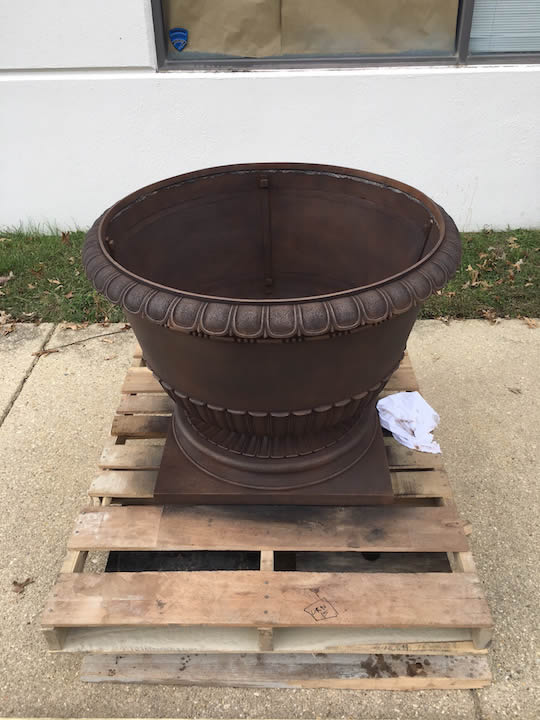
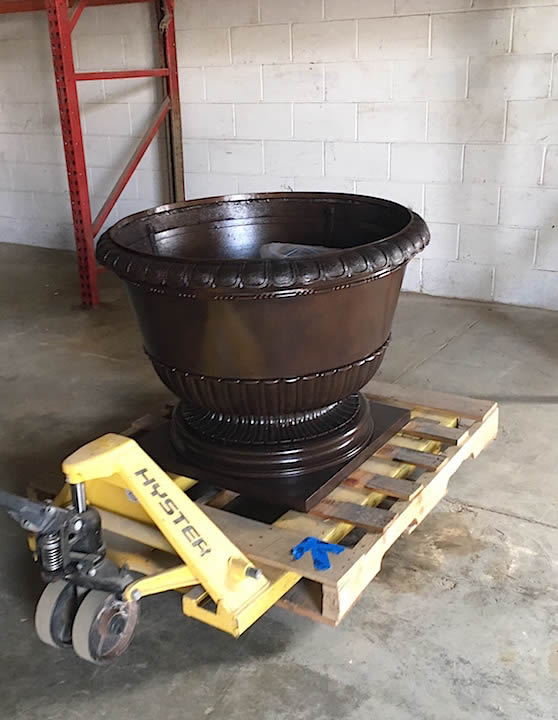
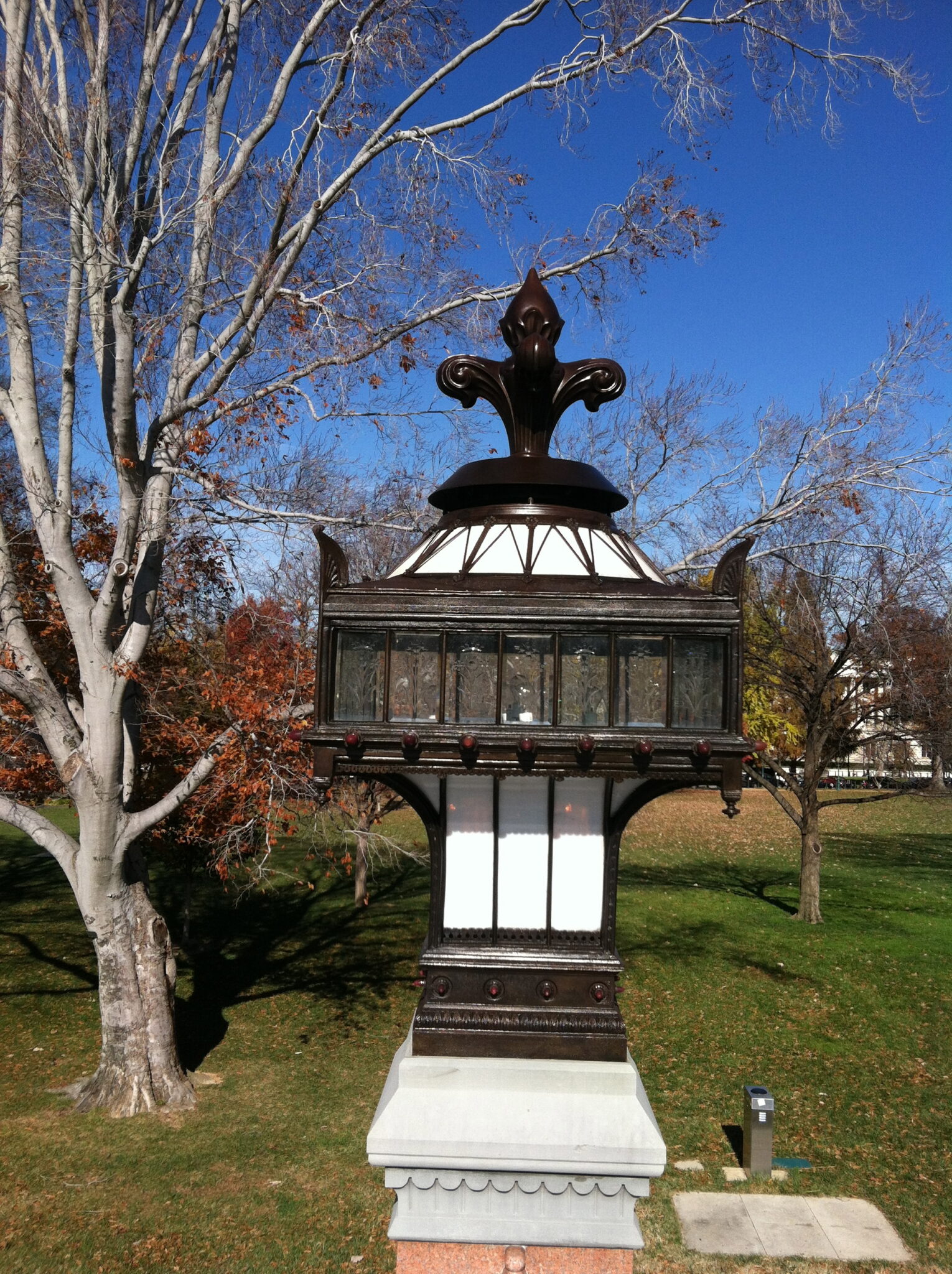
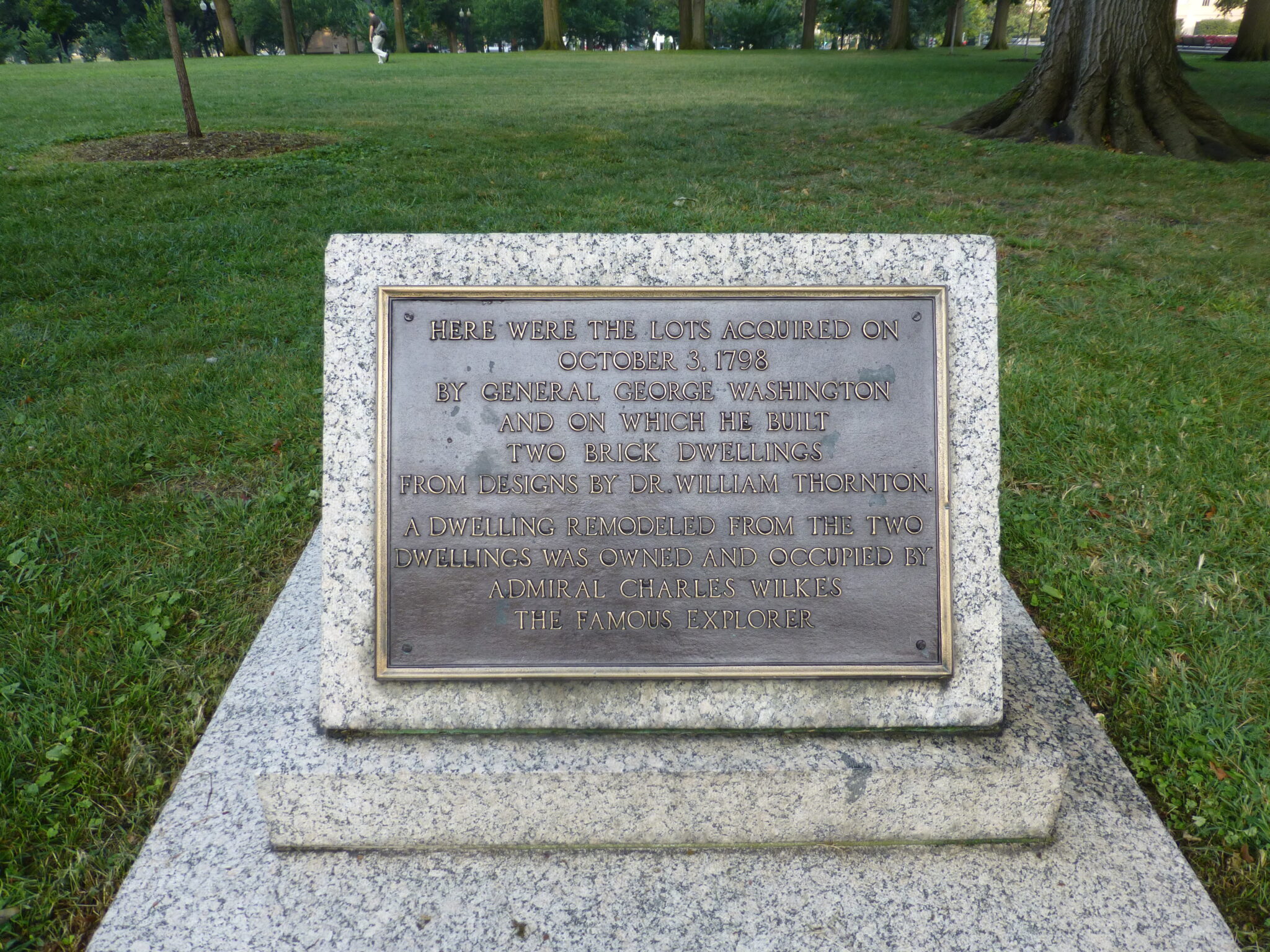
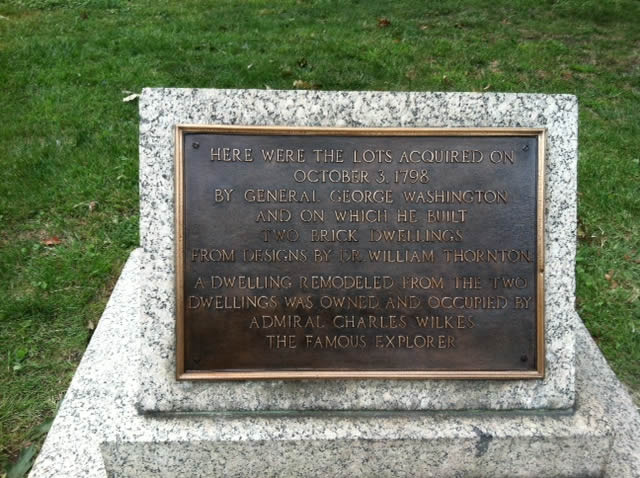
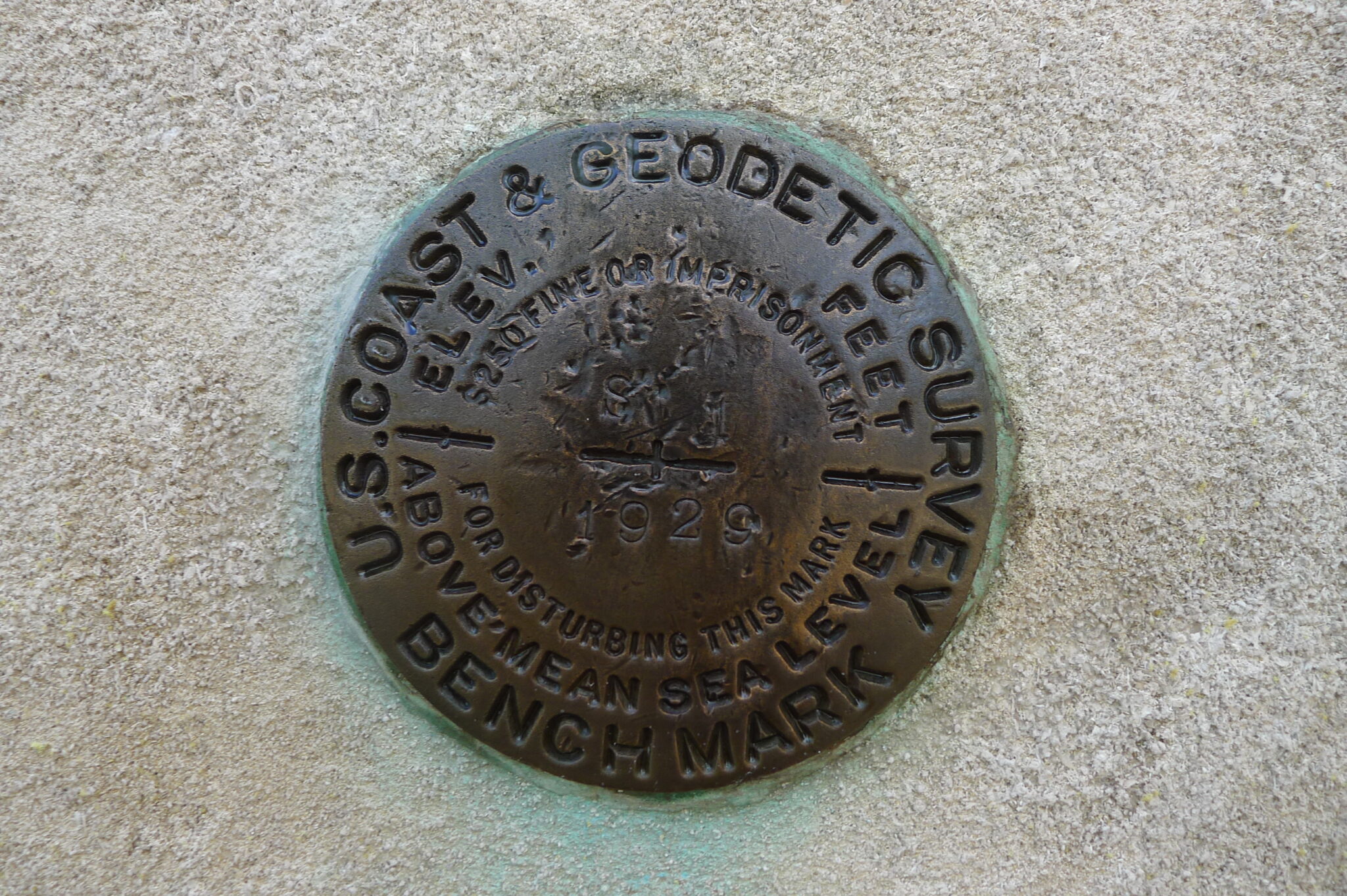
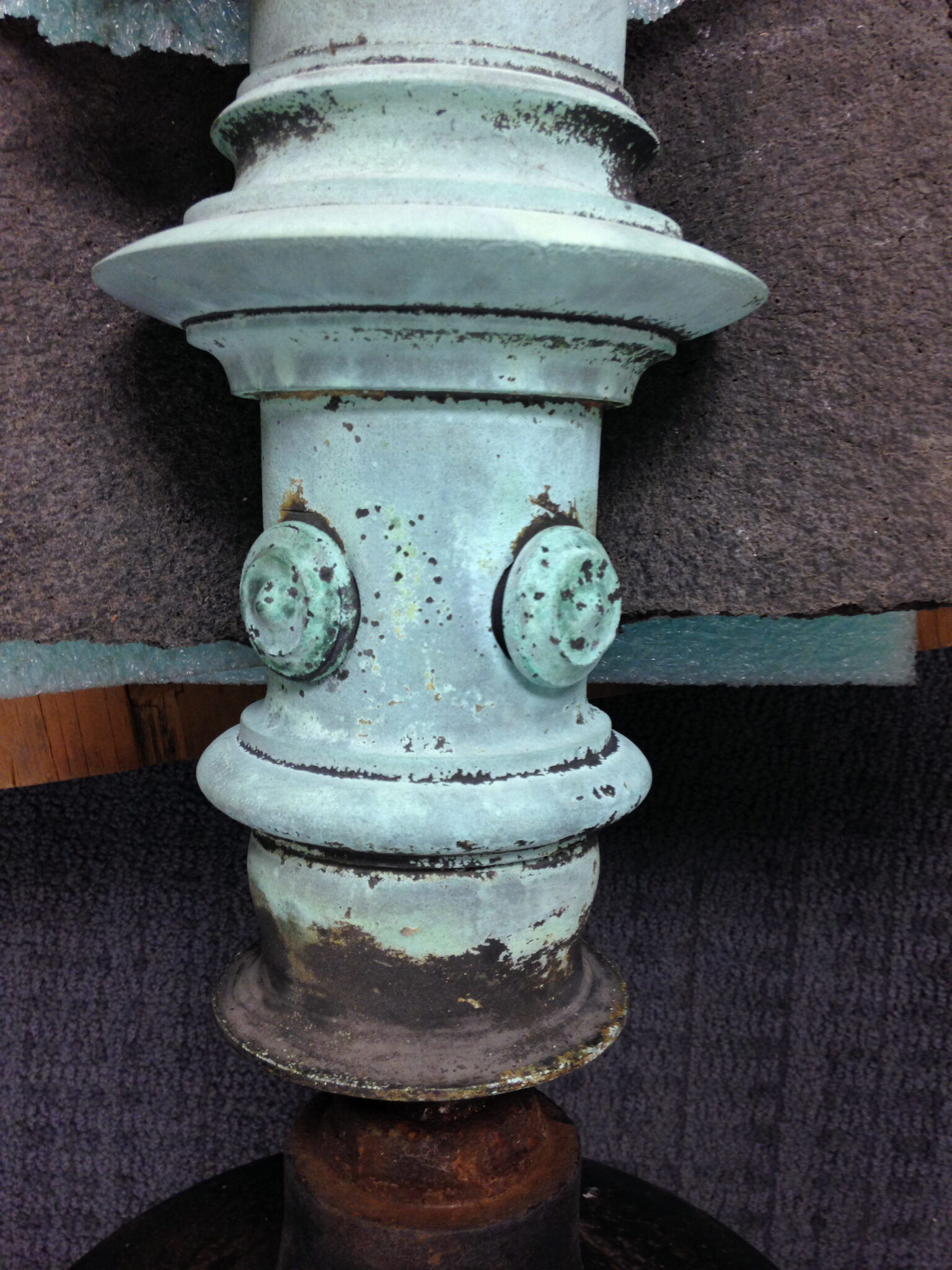
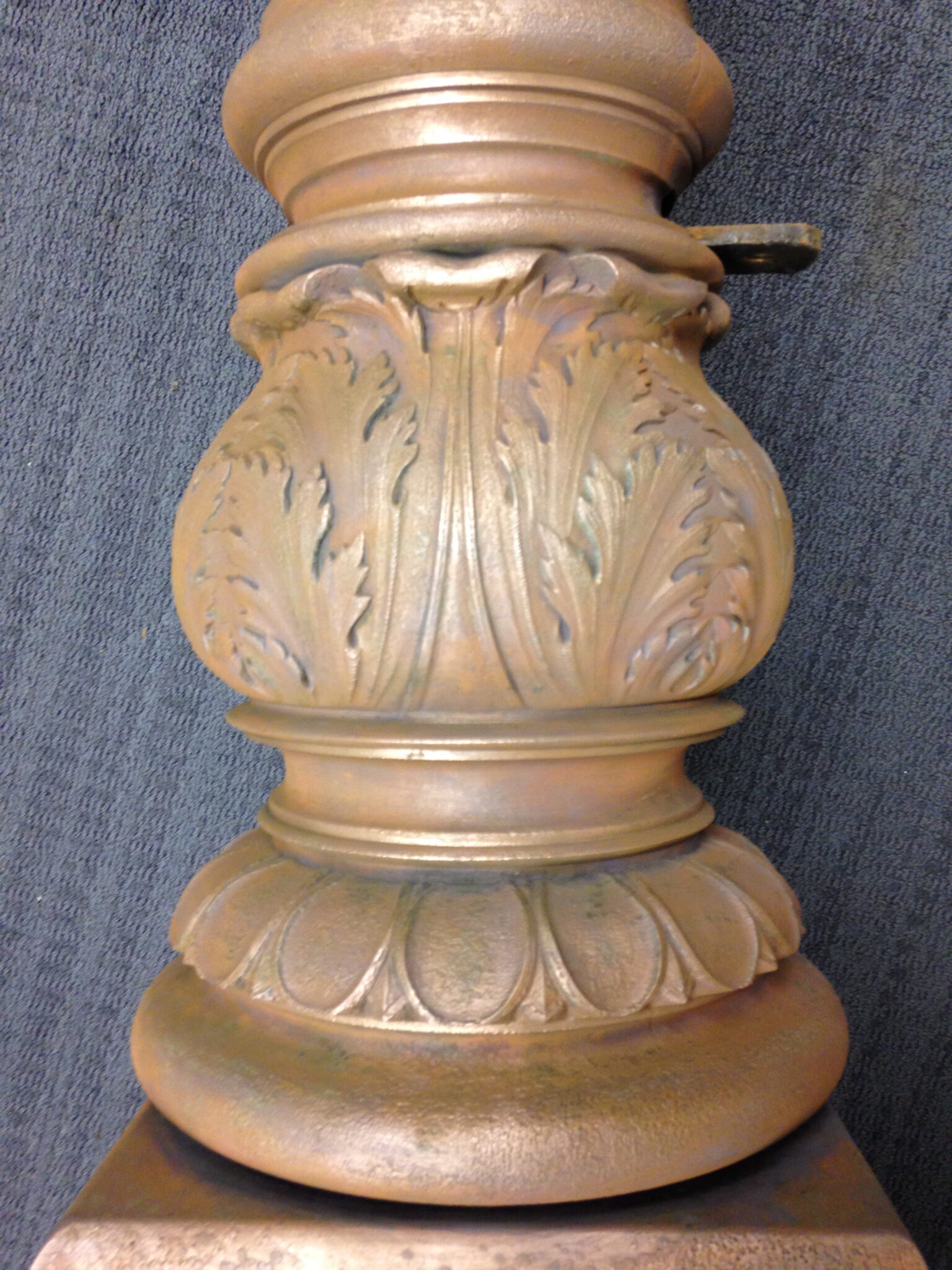
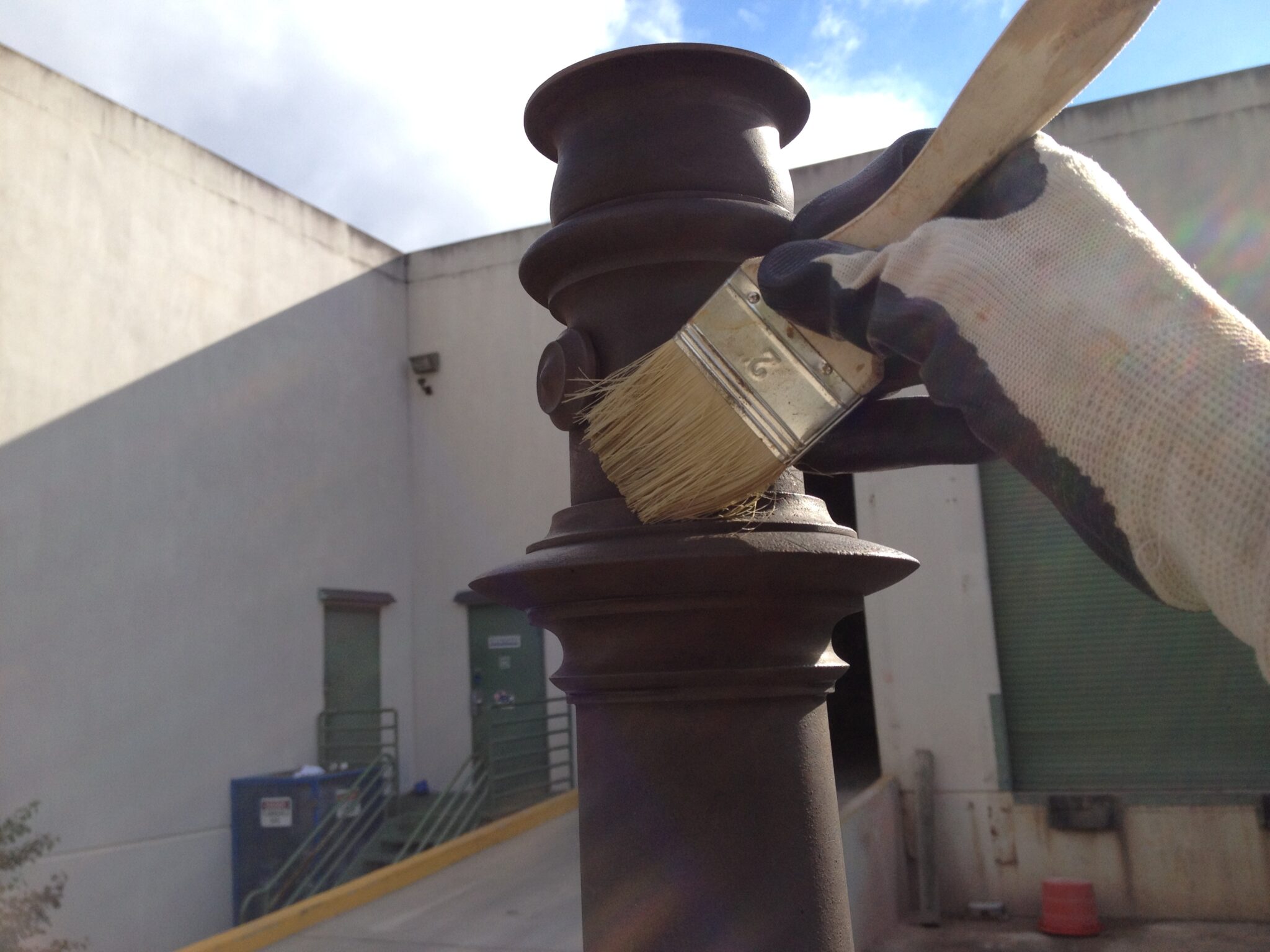
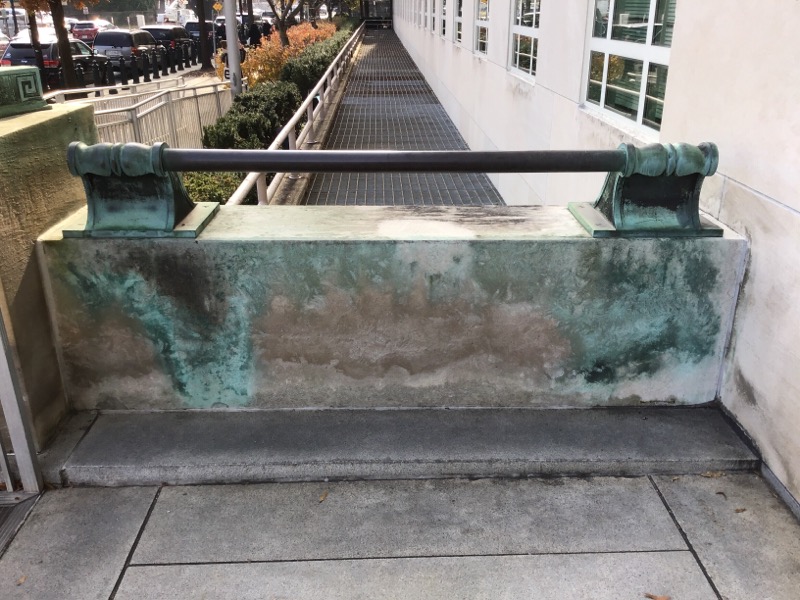
Hardscape Elements: Three bronze plaques, three geodetic markers, six Olmsted-designed pier-mounted bronze lamps, handrails, and bronze urns exhibiting green corrosion were removed, cleaned, stabilized, repatinated to match existing reddish-brown finishes, repaired (cracks filled with bronze-bulked epoxy, holes reinforced with threaded bronze rods), coated with protective lacquer, and reinstalled. Lampposts were also rewired.
-
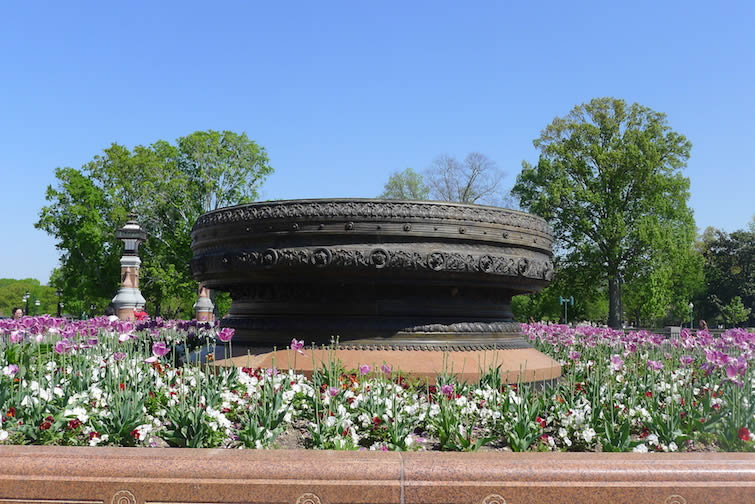
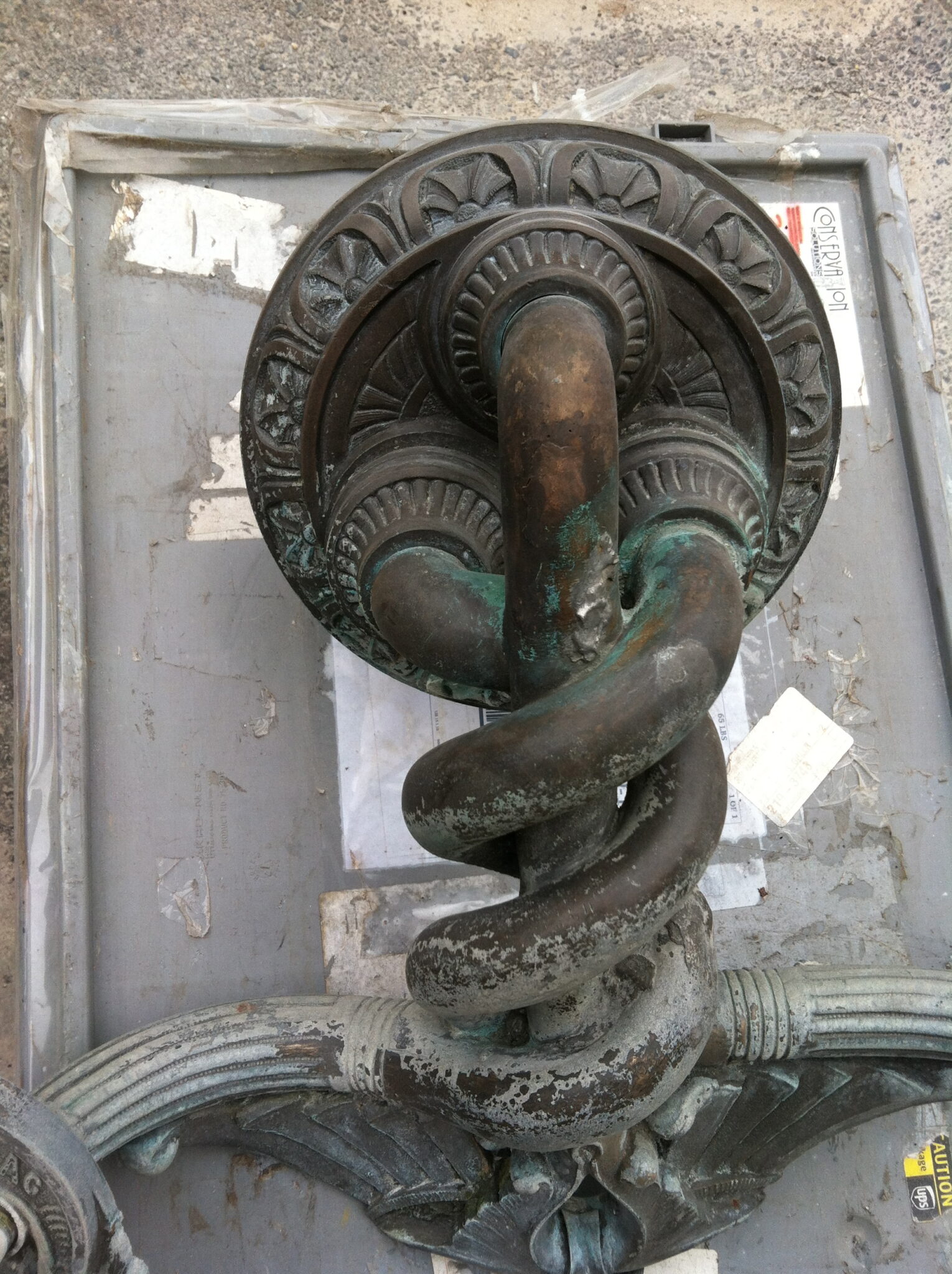
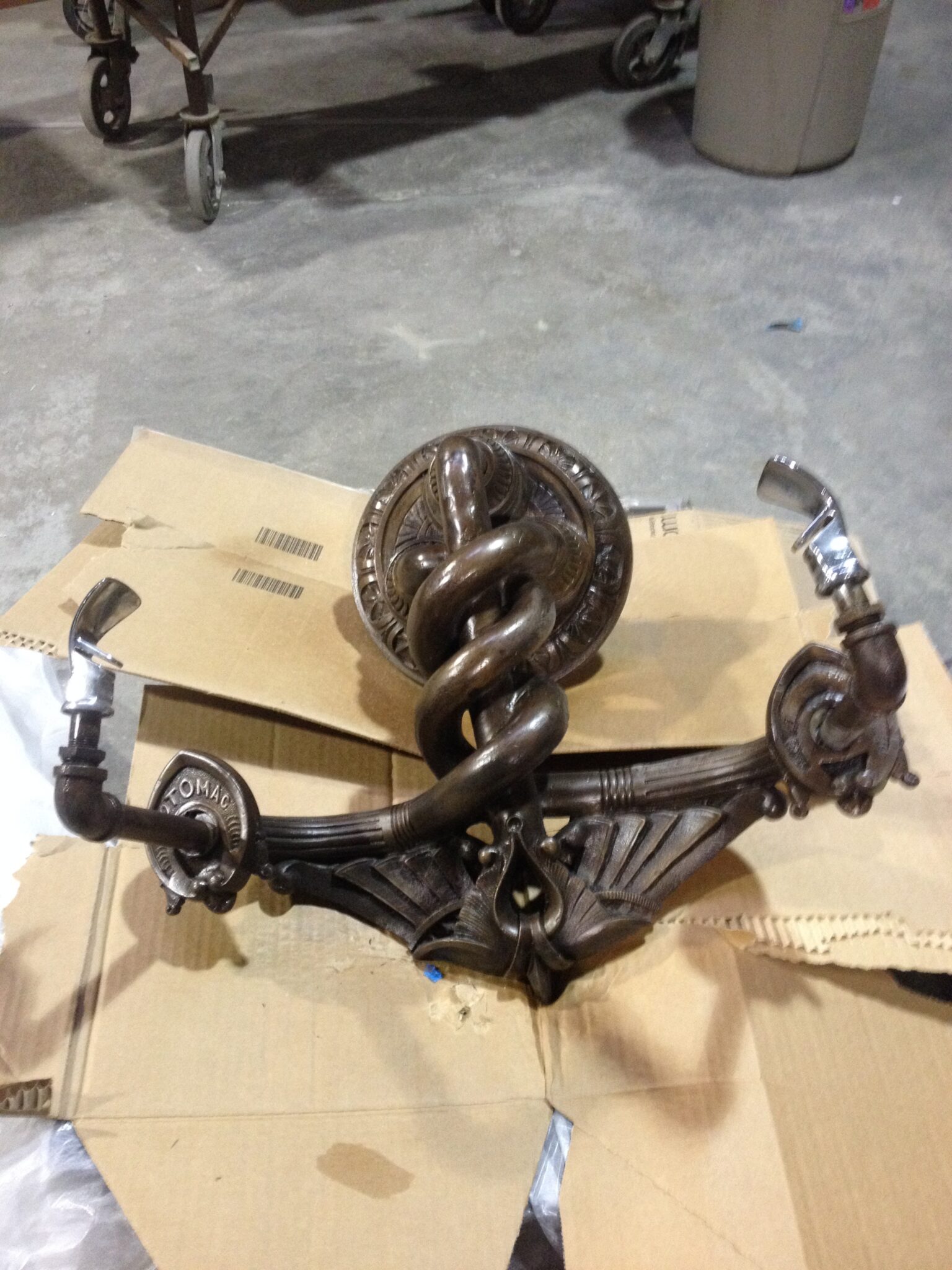
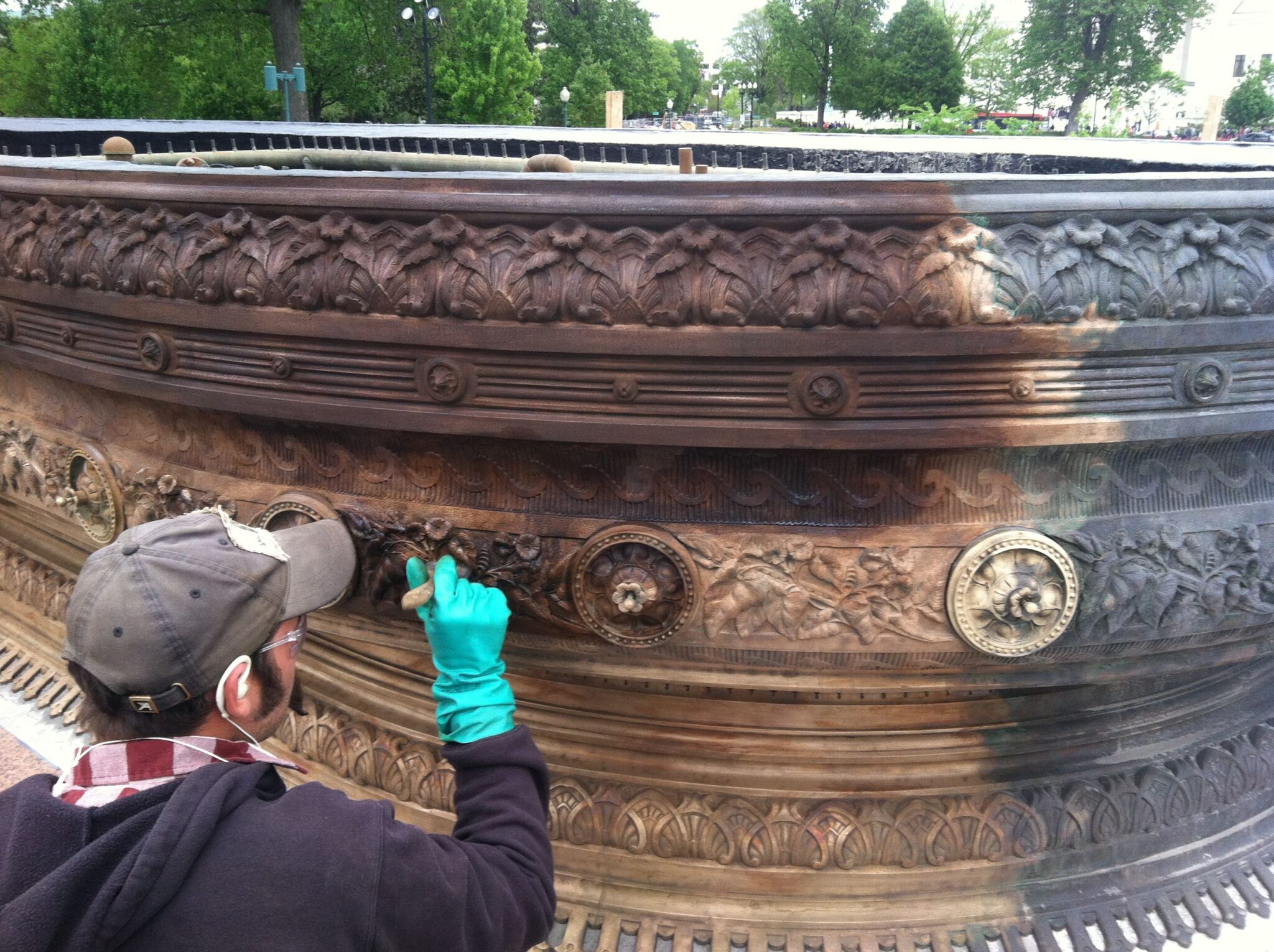
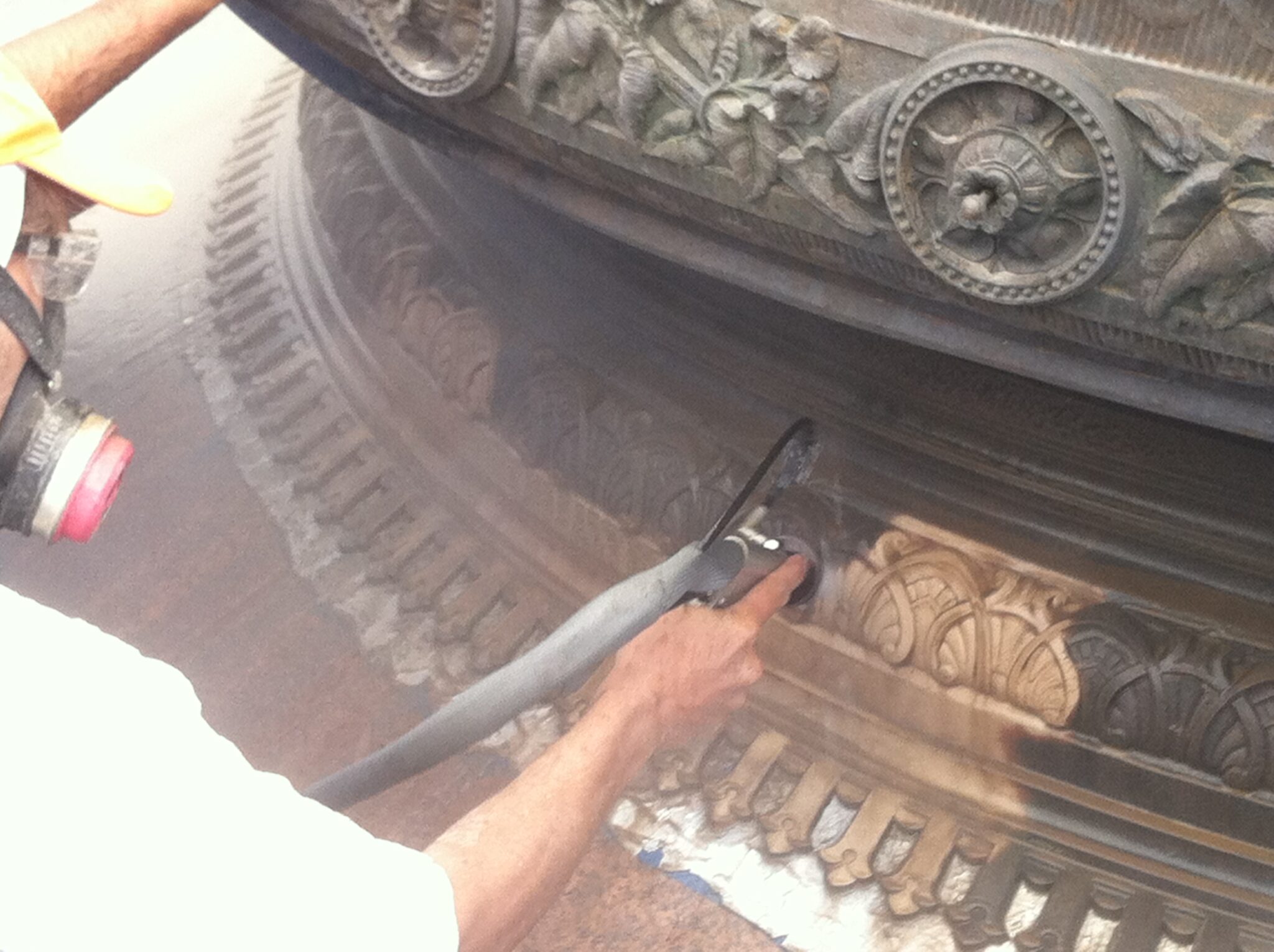
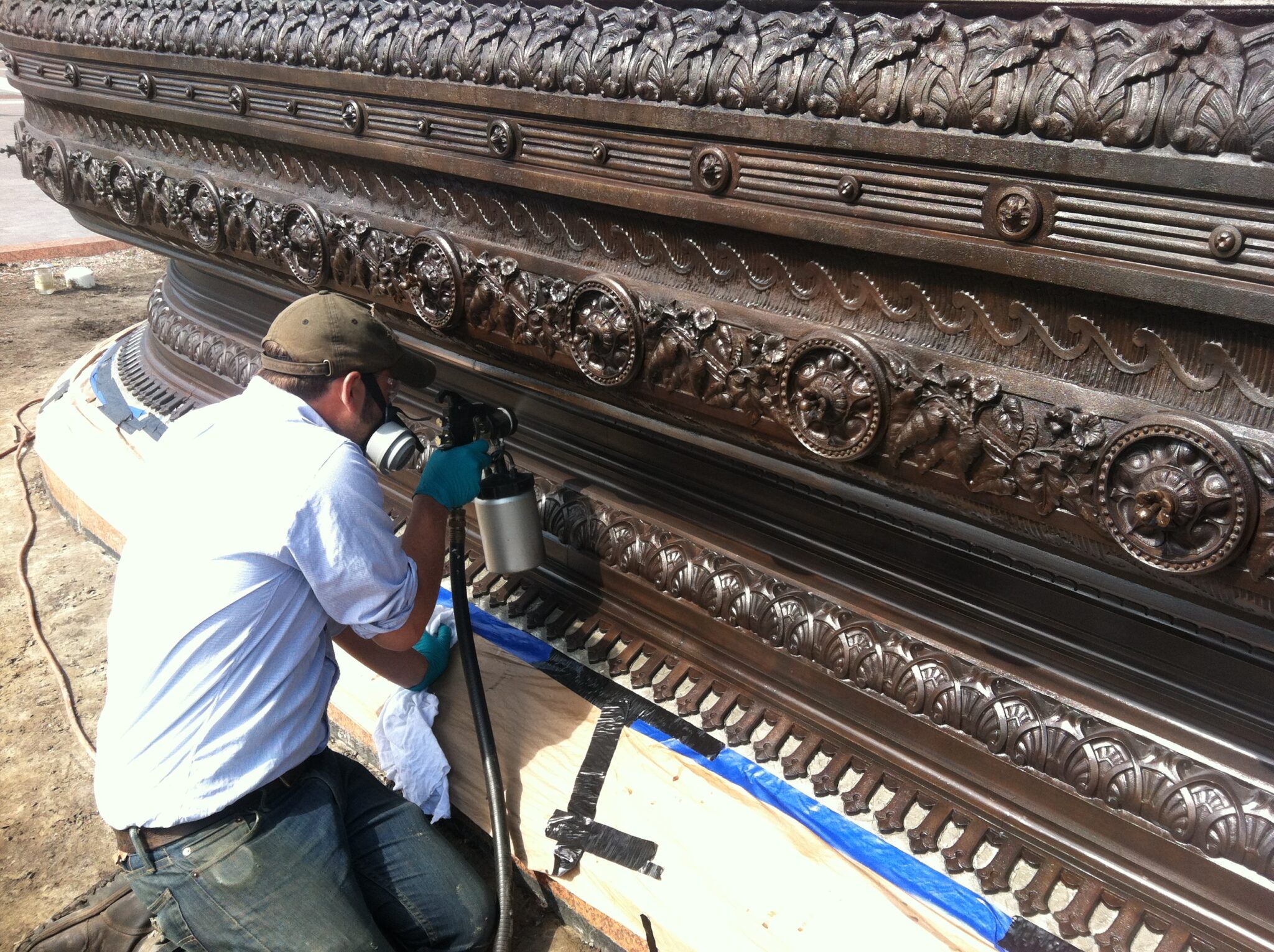
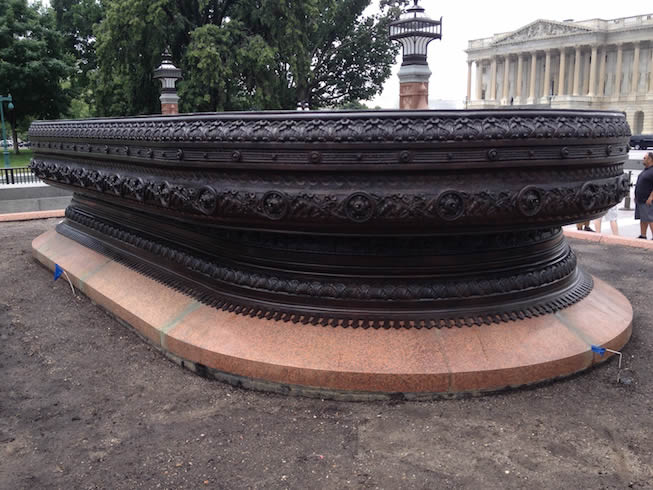
Fountains: Two decorative fountains, and a drinking fountain were treated. Previous coatings were removed using chemical strippers and mechanical methods. Surfaces were prepped, cold-patinated to a medium brown, and coated with high-performance outdoor lacquer.
-
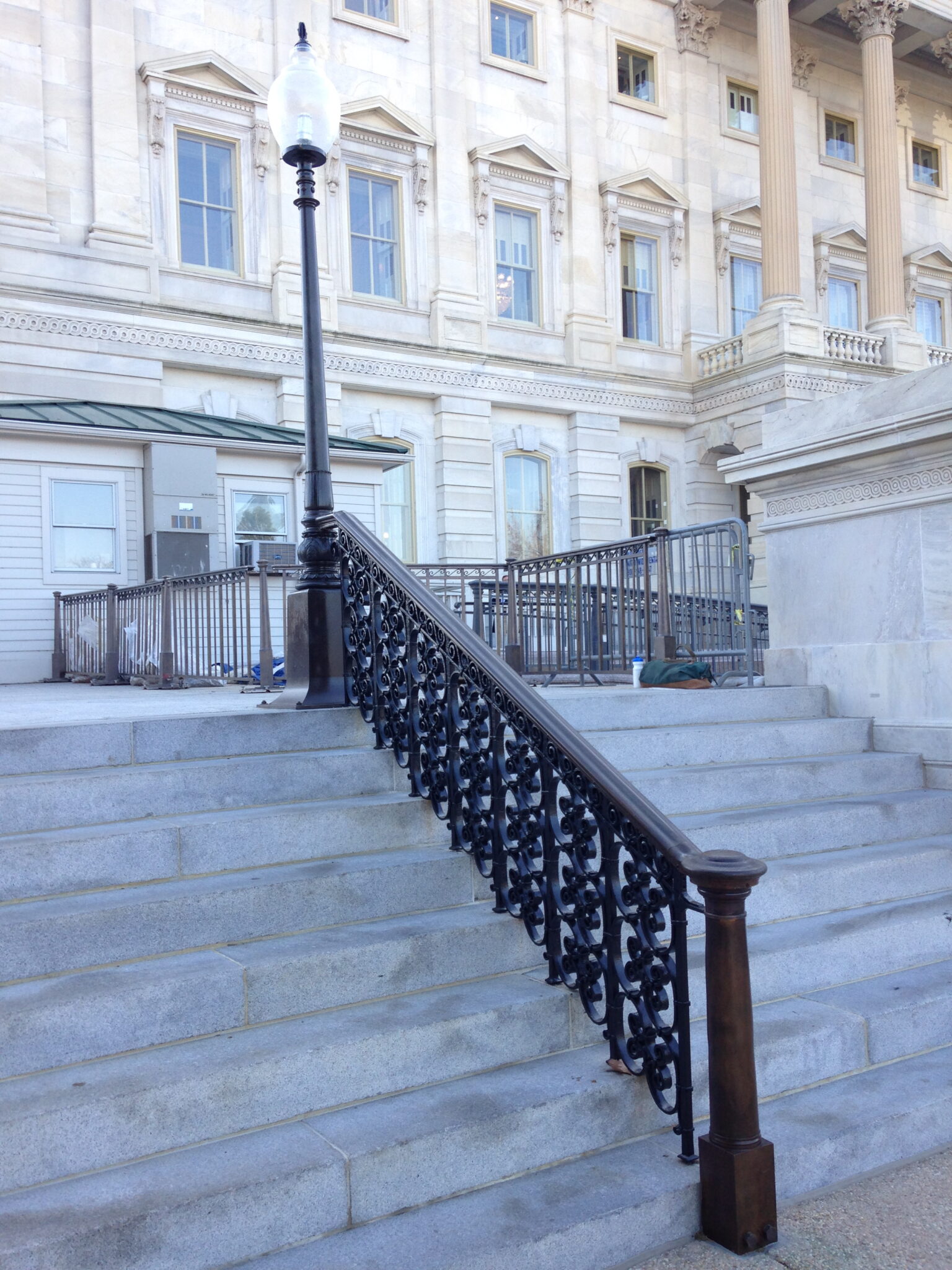
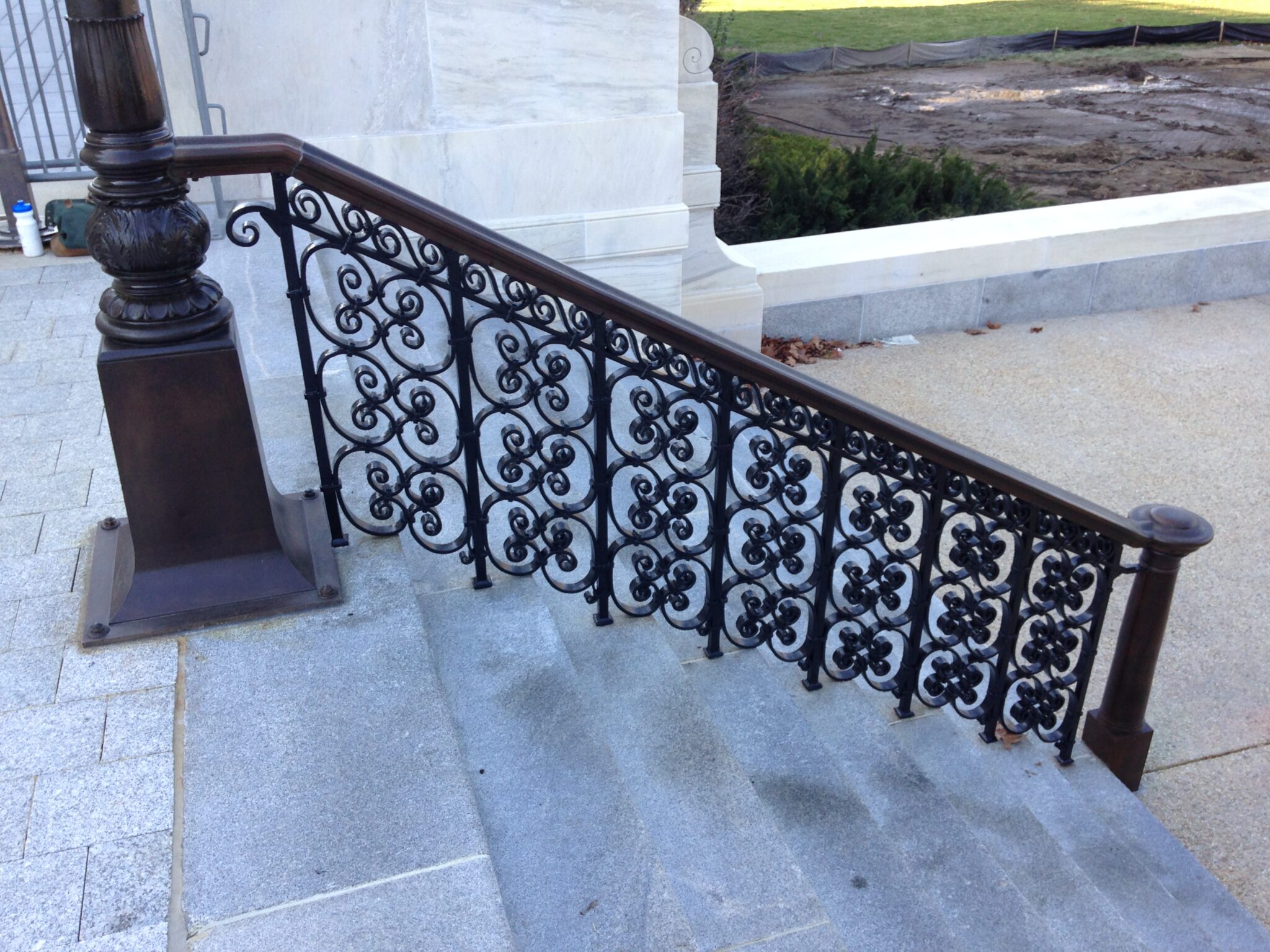
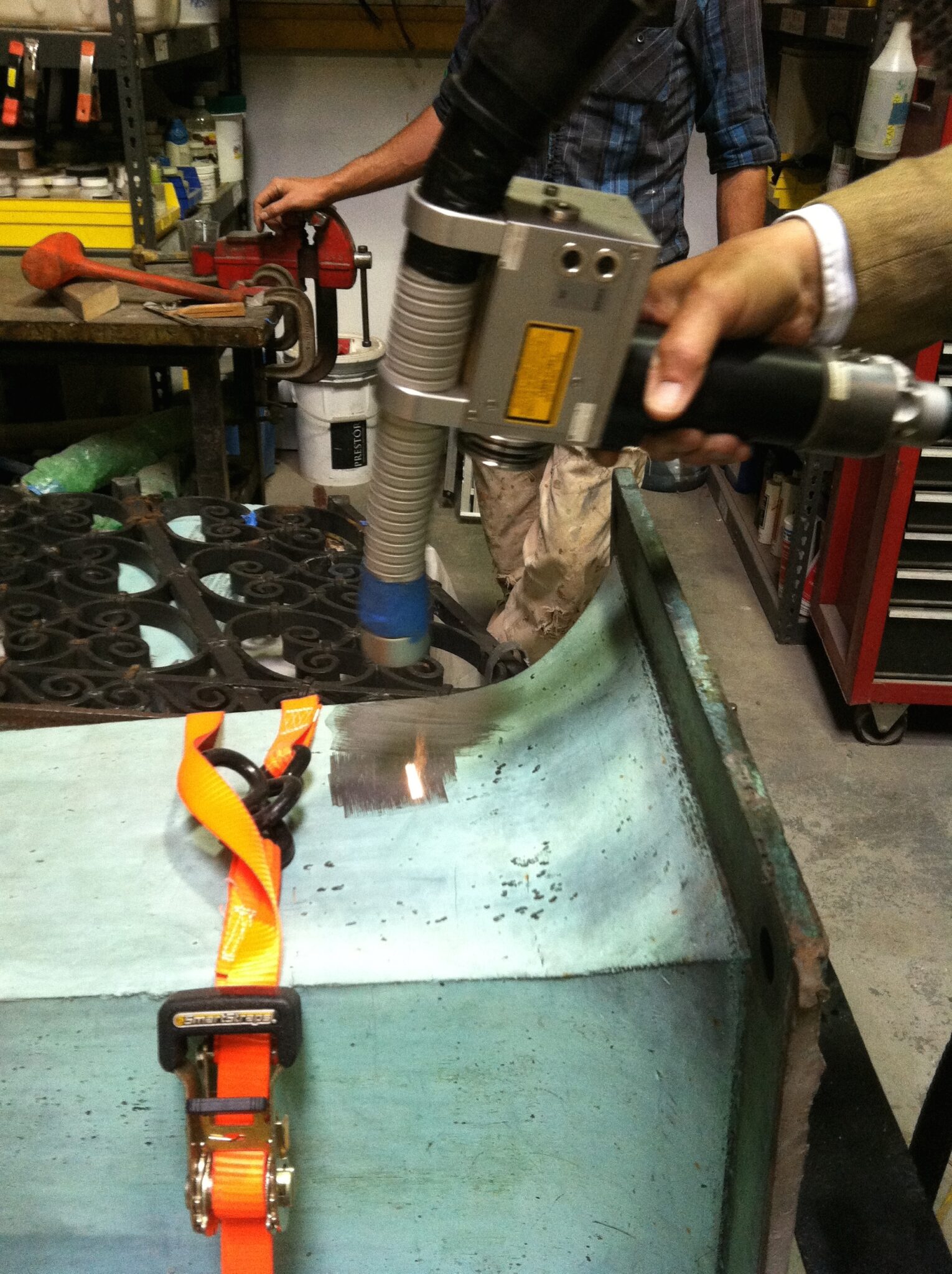
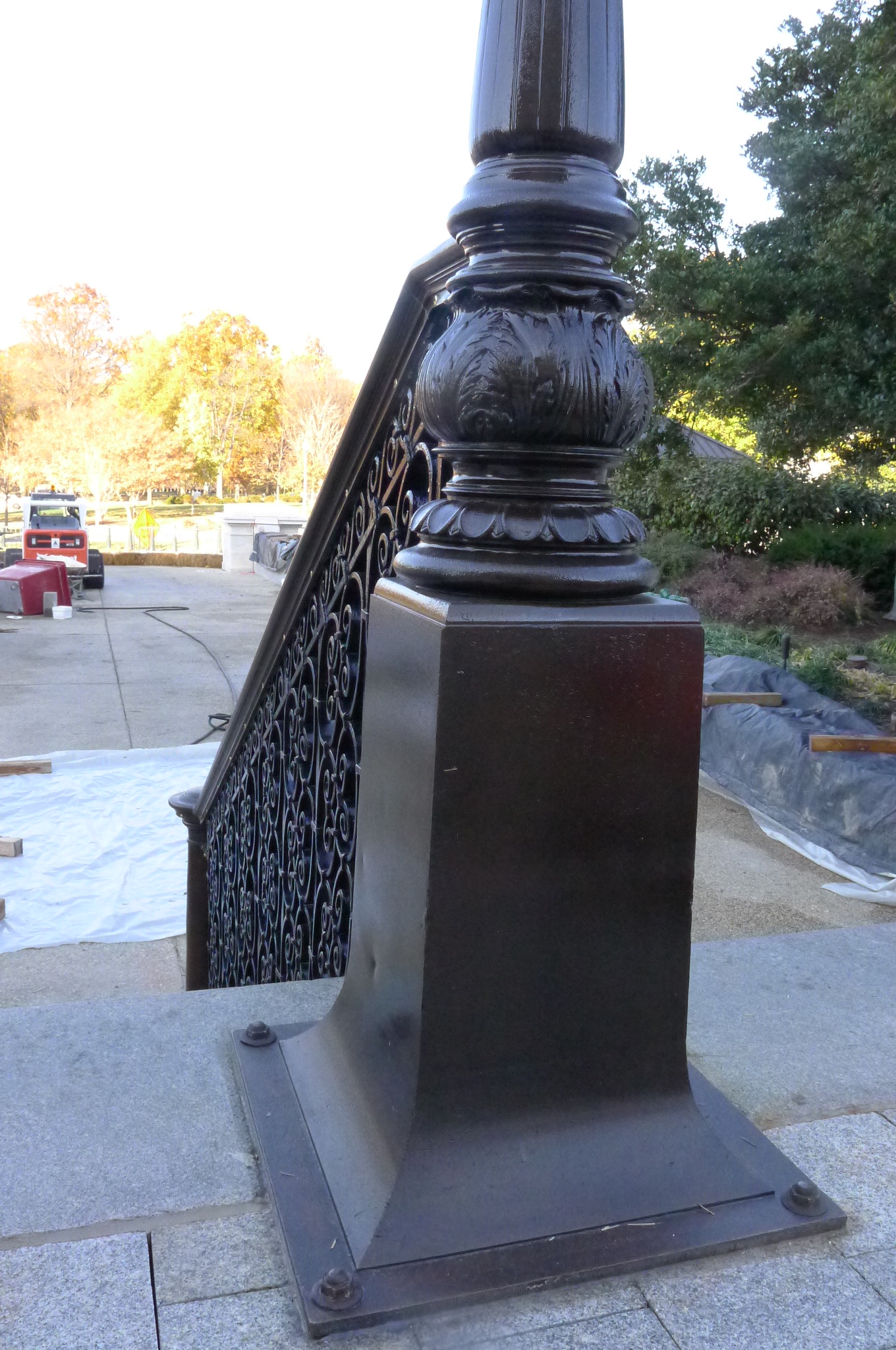
North & South Approach Stairs: Decorative cast bronze lampposts, newel posts, and wrought iron railings with bronze handrails—part of Olmsted’s 19th-century landscape design—were removed and transported to EverGreene’s studio. Bronze elements were cleaned via laser and micro-abrasion, repatinated to match historic finishes, and coated with outdoor lacquer. Wrought iron railings were blast-cleaned, repainted with a high-performance 3-part system, and returned to site after masonry restoration.
- Olmsted Fountains: Our conservators treated the two bronze fountains located on the East Plaza. The previous coatings were completely removed using a laser followed by corrosion removal with wet micro-abrasion system. To fully prepare the bronze surface for patination, all remaining loose surface corrosion was removed by hand using bronze detail brushes and pads. The fountains were re-patinated by several applications of dilute solutions of ammonium sulfide and liver of sulfur. Finally, the surfaces were finished with several applications of a high performance grade outdoor lacquer.