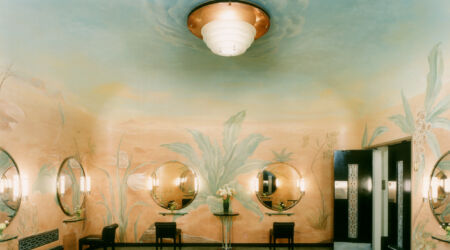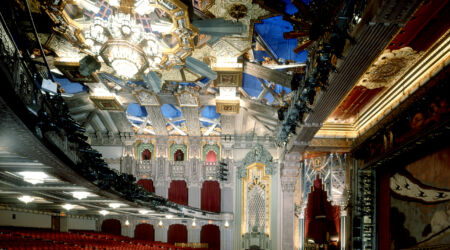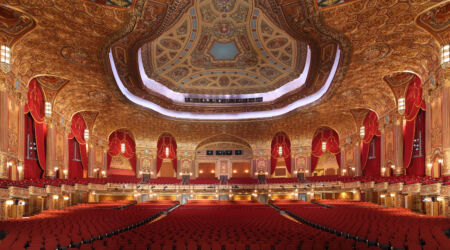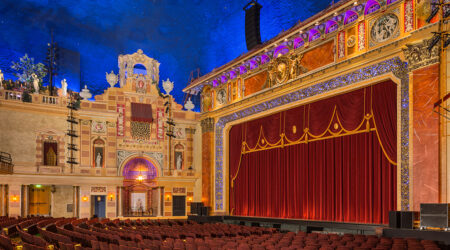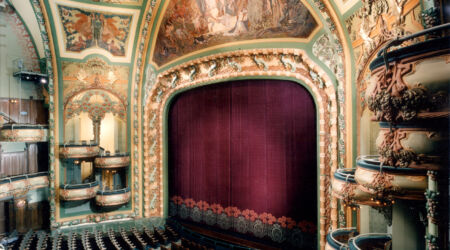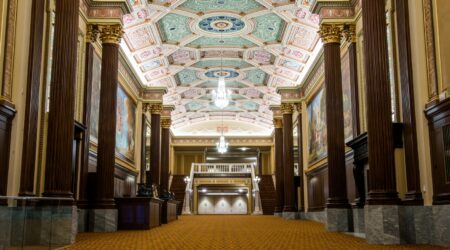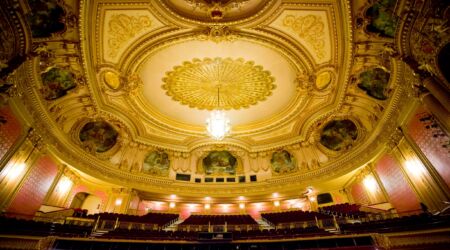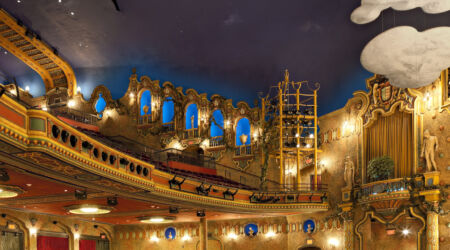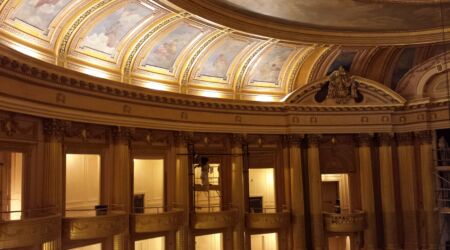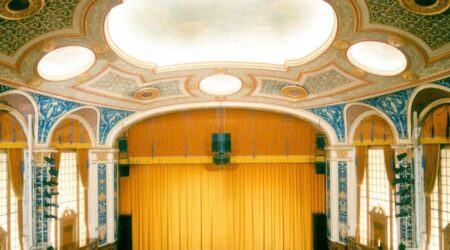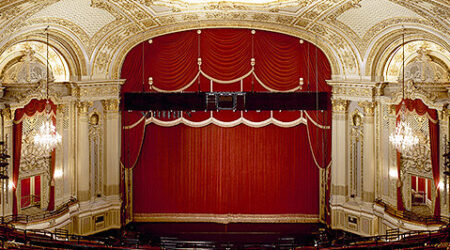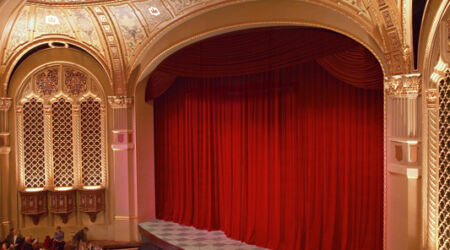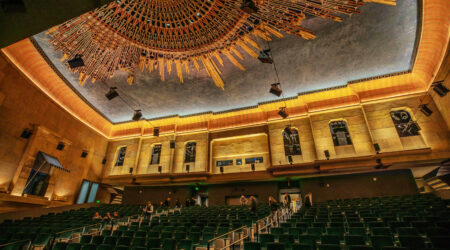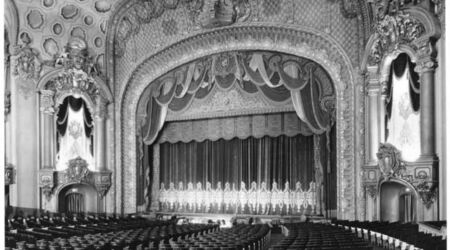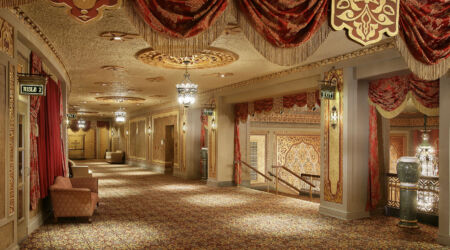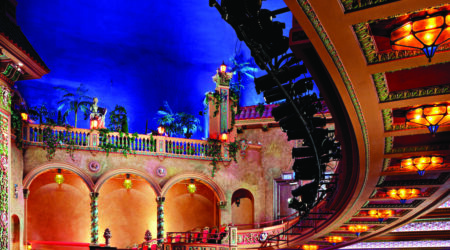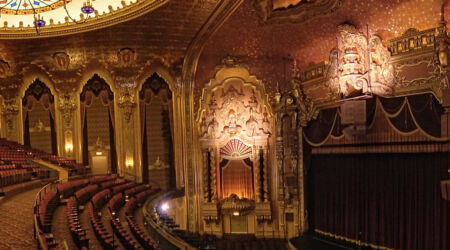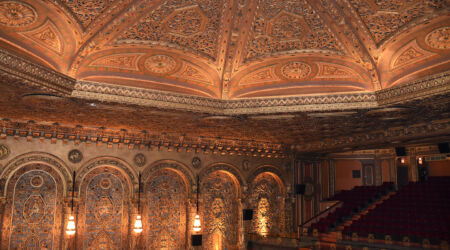
Before Movies Had Color, the Movie Palace Did. During the golden age of cinema, from the 1910s through the 1940s, elaborate movie palaces transformed an evening at the cinema into an immersive experience of architecture, color, craftsmanship, music, and spectacle.
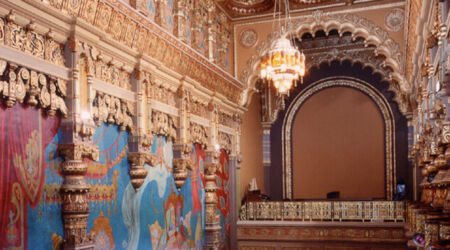
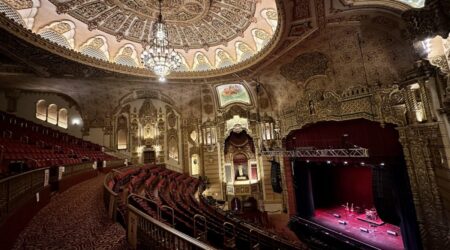
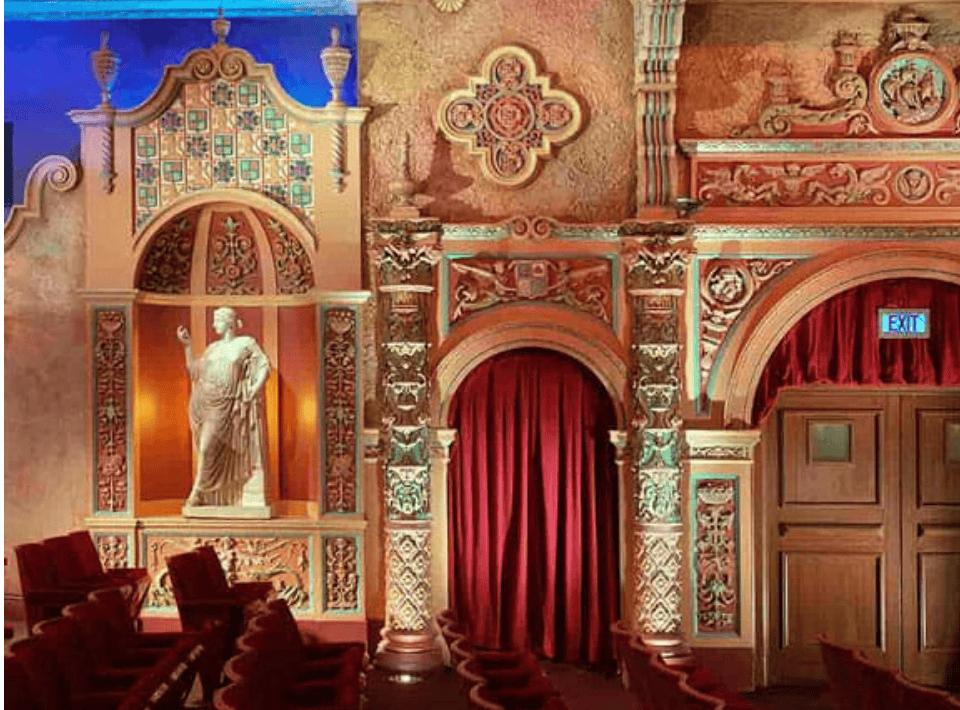
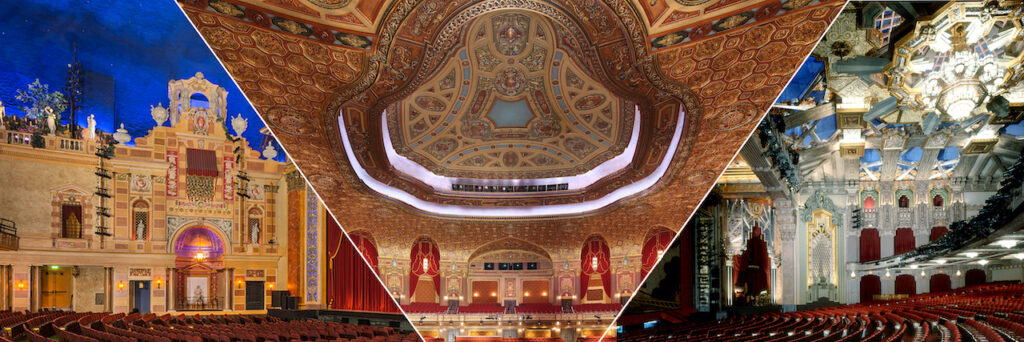
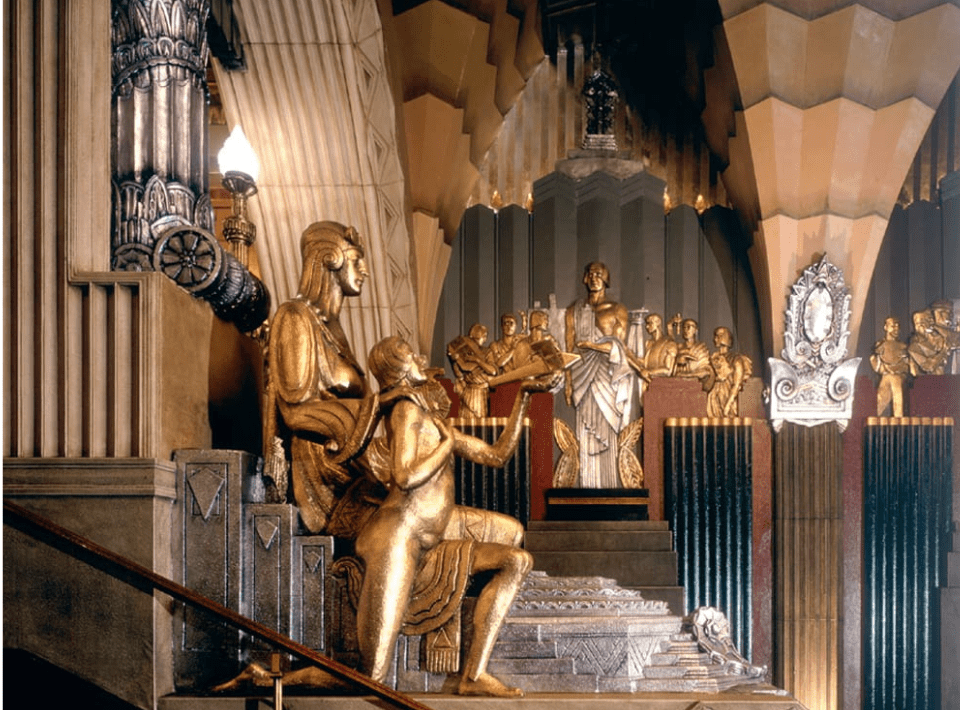
While early films were largely black-and-white and silent, the theaters surrounding them could be extraordinarily colorful. Architects drew inspiration from French Baroque, Gothic, Mediterranean, Spanish, Italian Renaissance, Egyptian Revival, and other architectural traditions—often combining them freely to create fantastical interiors unlike anything audiences encountered in everyday life.
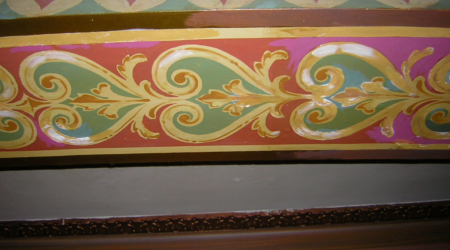
Ornamental plaster, murals, gilding, decorative painting, textiles, and elaborate architectural details filled the interiors. In atmospheric theaters, the illusion went even further: audiences sat beneath simulated night skies with twinkling stars and drifting clouds.
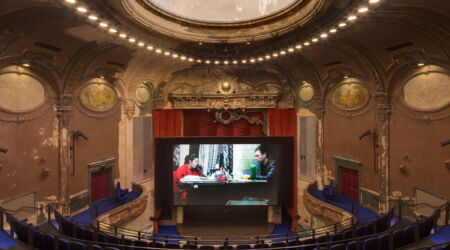
The rise of television, suburbanization, and changing entertainment habits contributed to the closure and demolition of many historic movie palaces in the decades following World War II. Those that survive are remarkable records of American entertainment, architectural design, and decorative craftsmanship. Preserving them requires expertise across many different materials and disciplines.
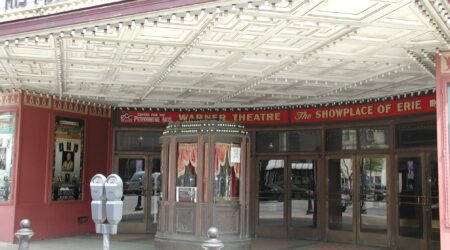
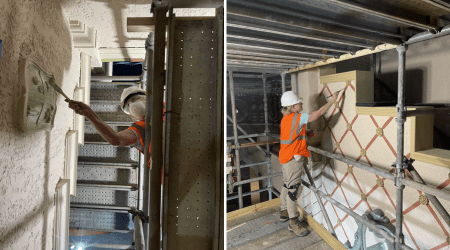
For more than four decades, EverGreene has worked on historic theaters and entertainment venues across the country to understand and preserve the layers of craftsmanship that made the architecture an essential part of the experience. Explore our work at historic movie palaces below.