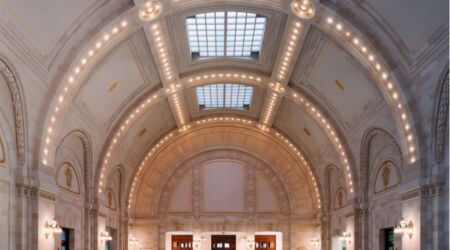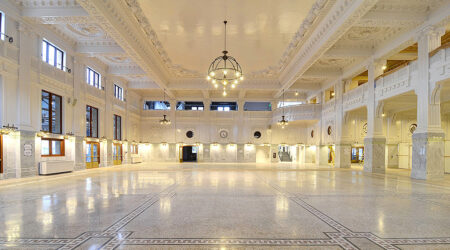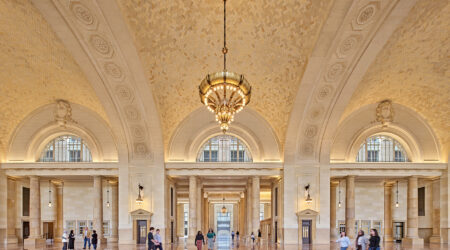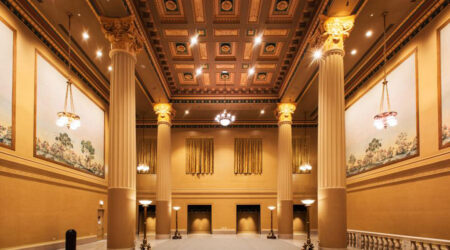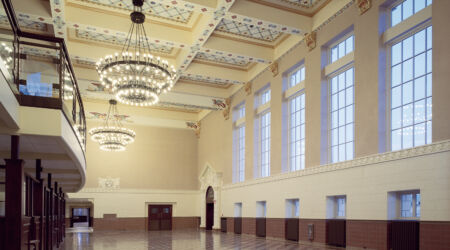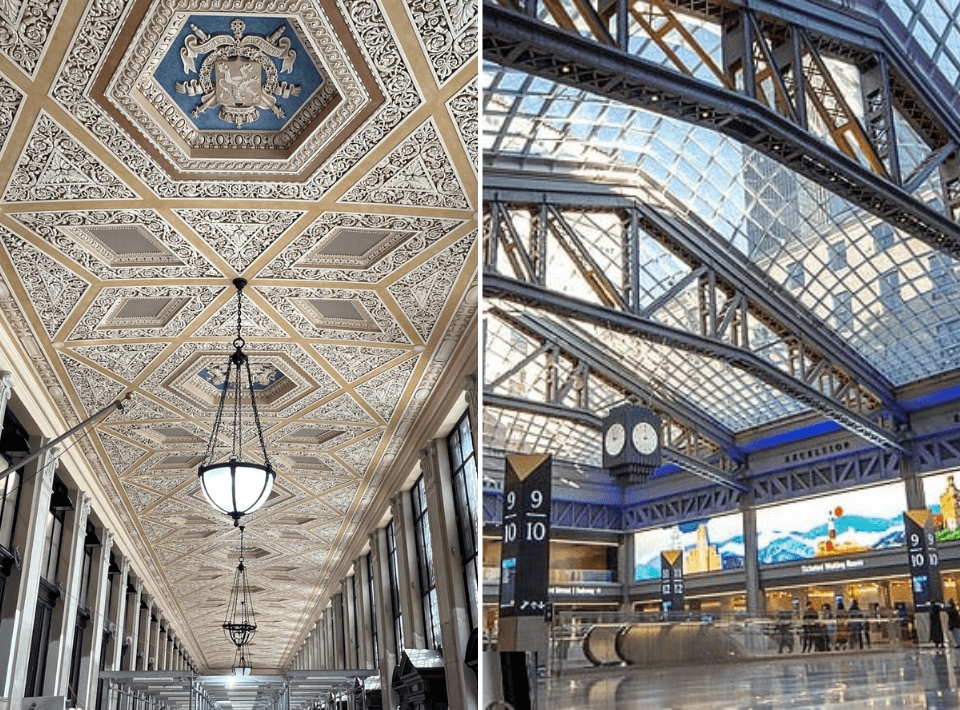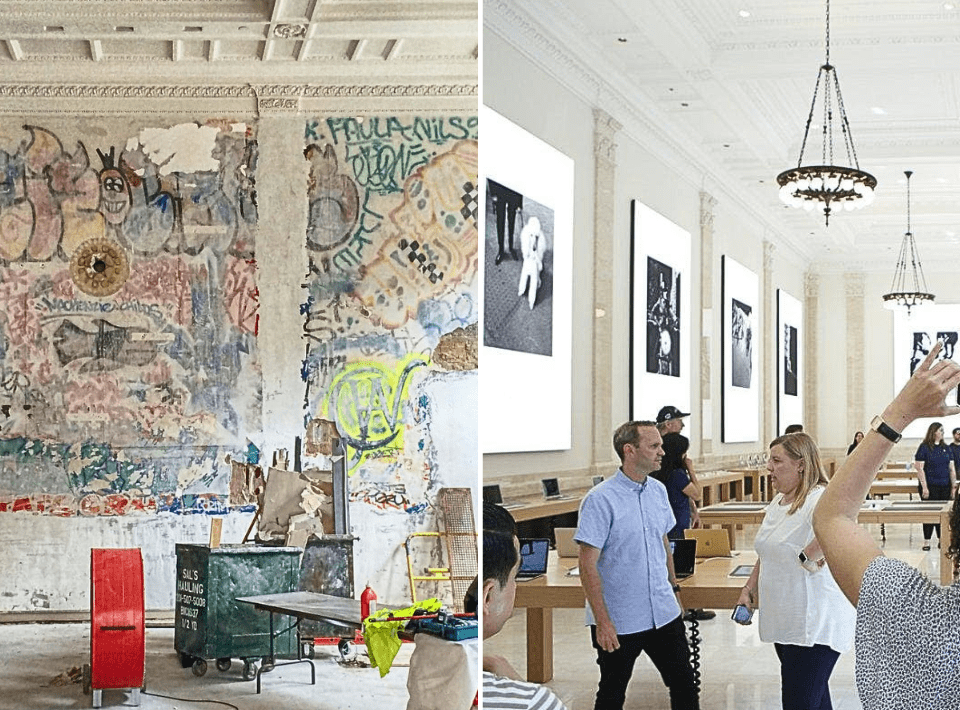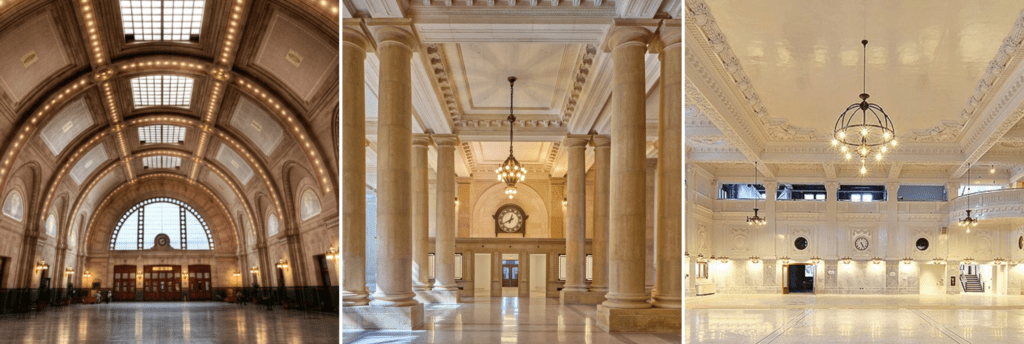
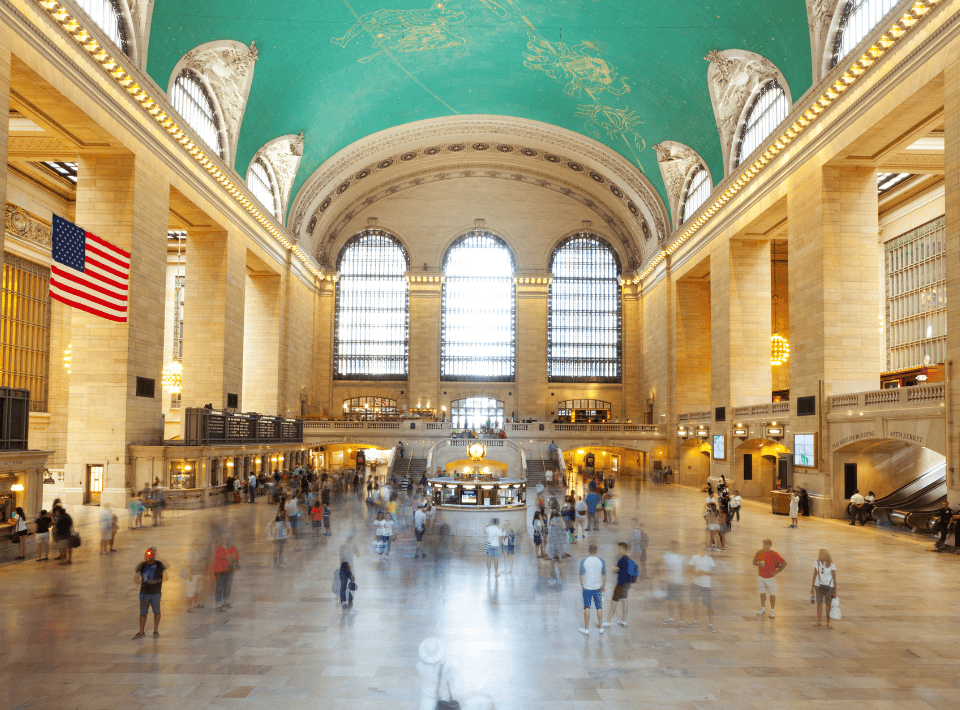
Railroads stimulated economic growth and technological innovation for much of the 19th and 20th centuries. Over the past several decades, revitalization efforts have transformed many historic structures from forgotten relics into dynamic spaces, reconnecting neighborhoods and catalyzing economic renewal.
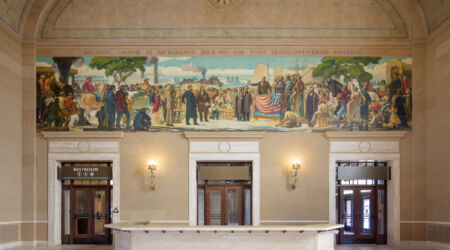
Modern preservation approaches can reimagine these spaces as mixed-use destinations. By maintaining original architectural details and integrating contemporary amenities, restored train stations become powerful symbols of a city’s ability to honor its past while boldly reimagining its future.
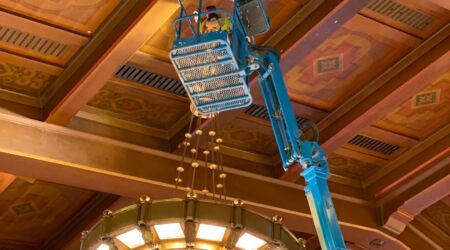
Over the past 4 decades, EverGreene has partnered with contractors, developers, and architects to preserve many of America’s most iconic and significant train stations. Our clients and partners rely on our design and problem-solving capabilities, diverse expertise, and quality craftsmanship when repurposing historic structures, integrating modern amenities into historic spaces, and preserving original architecture and art.