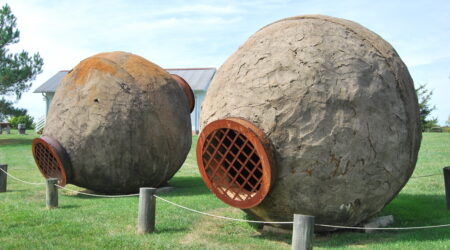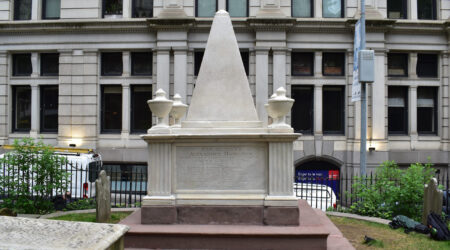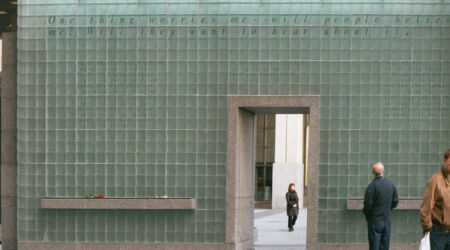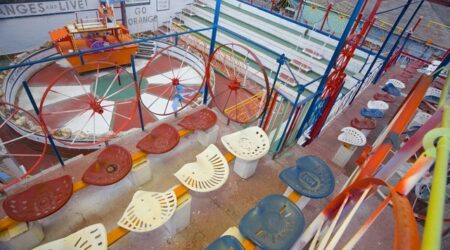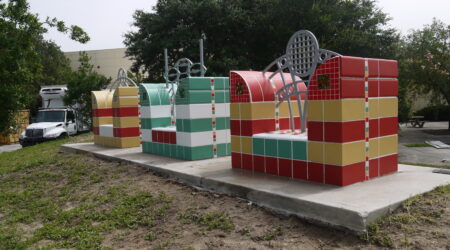
Concrete is valued for its strength and versatility, but it is not immune to deterioration. Moisture infiltration, freeze-thaw cycling, corrosion of embedded reinforcement, environmental pollutants, incompatible coatings and repairs, biological growth, and prolonged weathering can contribute to cracking, spalling, delamination, staining, surface loss, and deterioration of the cementitious matrix.
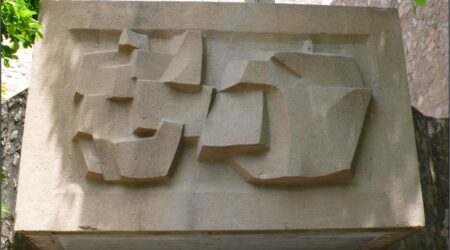
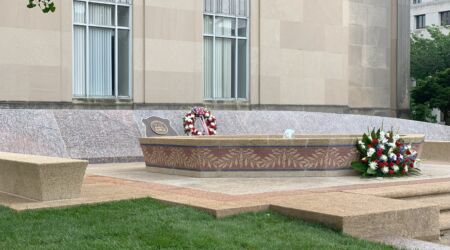
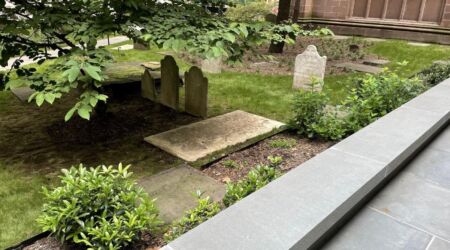
When concrete serves as the substrate for a mural, sculpture, monument, or architecturally significant exposed finish, treatment becomes particularly nuanced. Intervention must address deterioration of the substrate without compromising original surfaces, finishes, tool marks, artwork, or evidence of age that contributes to the significance of the material.
EverGreene approaches concrete conservation through initial investigation, testing, and analysis, before developing project-specific methodologies that balance stabilization, appearance, material compatibility, and long-term performance.
Assessment Before Intervention
Effective conservation begins with understanding the mechanisms of deterioration. Condition surveys and testing can be used to identify and map cracking, spalls, delamination, surface erosion, previous repairs, coating failures, biological growth, staining, moisture-related deterioration, and corrosion of embedded metals. Investigation may also consider the composition and condition of the original concrete, repair mortars, coatings, paints, and other surface treatments.
This information informs a treatment program designed around the existing material rather than applying a one-size-fits-all repair system.
From Washing To Laser Cleaning
Cleaning historic concrete is not simply an aesthetic exercise. Soiling, pollutants, coatings, biological growth, and other surface accretions can obscure original finishes and, in some circumstances, contribute to continued deterioration.
Because aggressive cleaning can permanently alter concrete—removing original surface material, exposing aggregate, changing texture, or damaging adjacent artwork—EverGreene evaluates cleaning methods through testing before full implementation.
Treatment can range from controlled aqueous cleaning and non-ionic detergents to highly selective laser cleaning. Laser conservation uses focused, non-contact energy to selectively ablate or dislodge unwanted material from a surface. Parameters are calibrated according to the substrate and type of contamination, allowing conservators to target deposits while minimizing alteration of the underlying historic material. The technology can be particularly valuable where conventional abrasive or chemical methods would introduce unacceptable risks to sensitive surfaces.
Concrete As Art Substrate
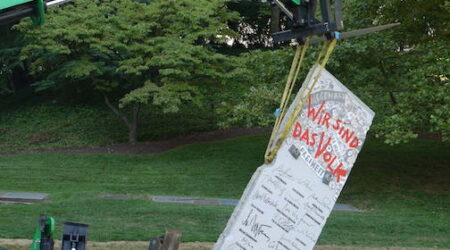
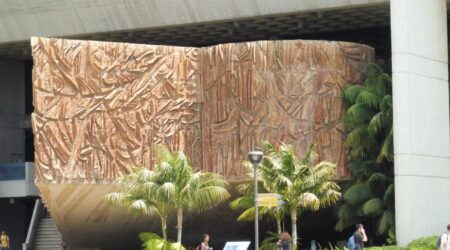
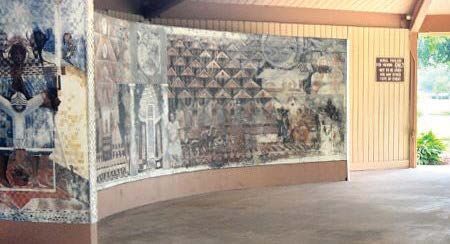
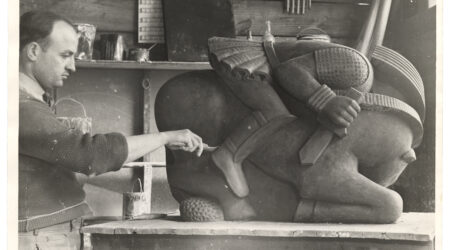
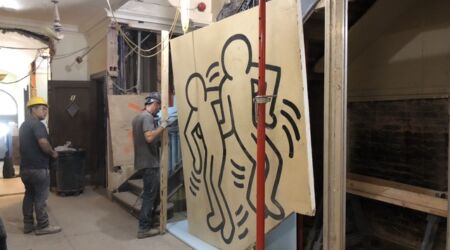
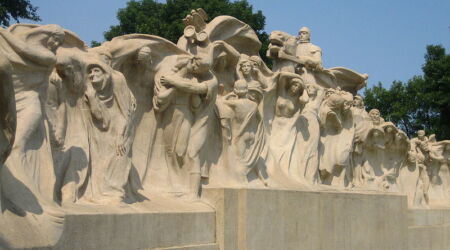
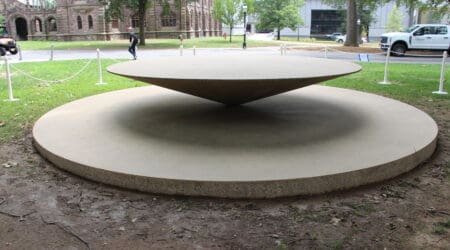
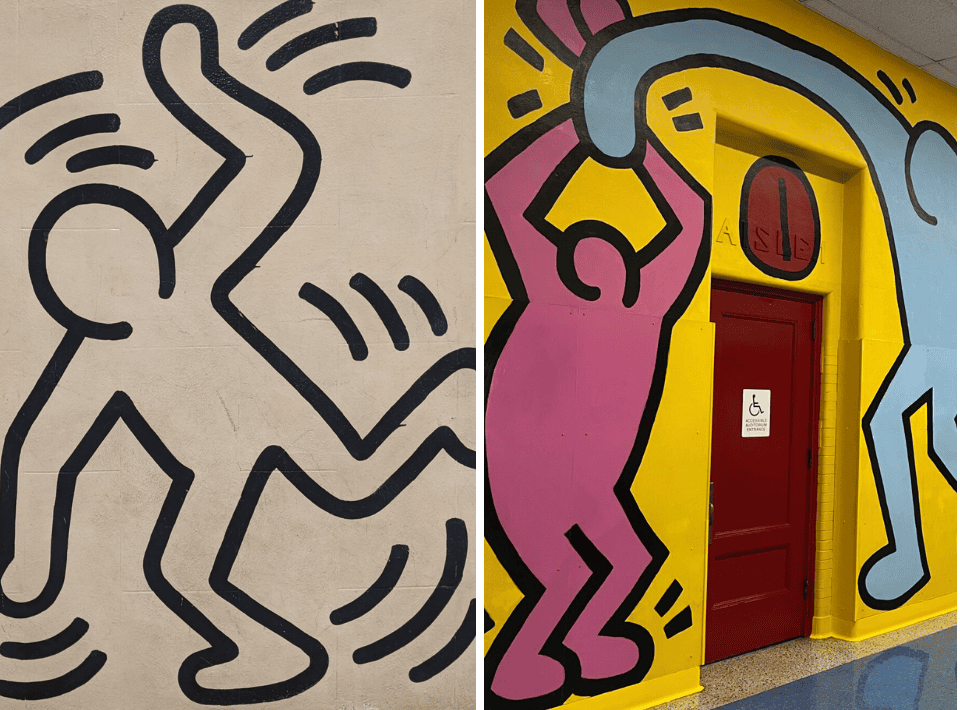
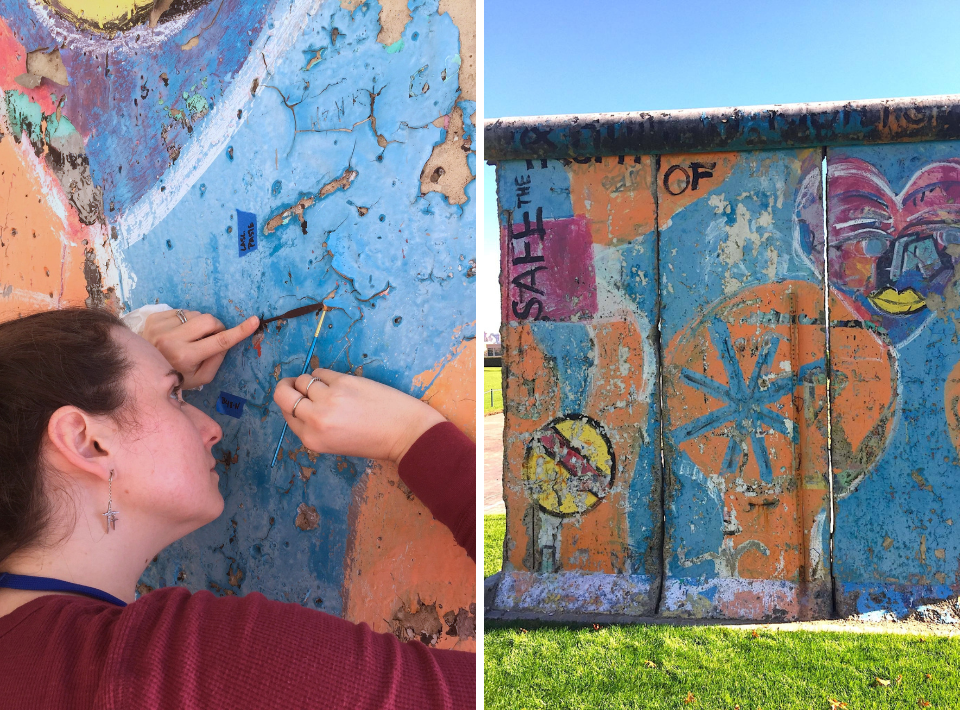
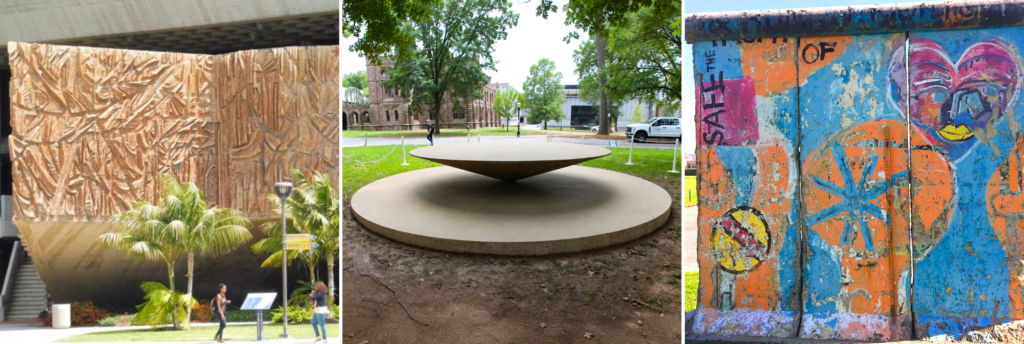
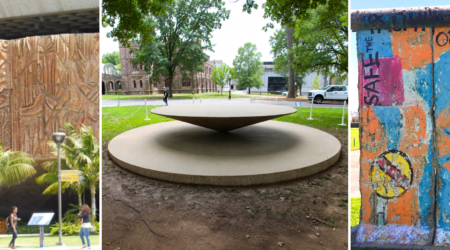
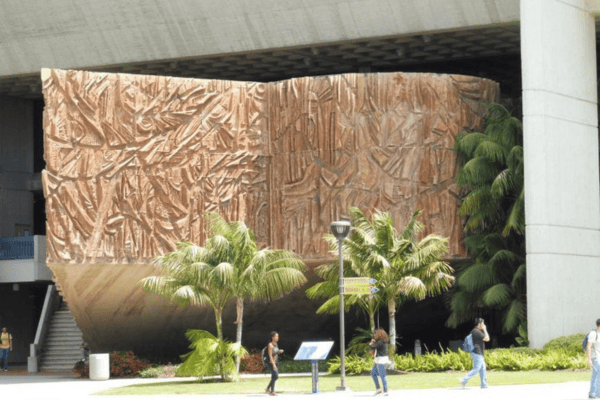
Concrete can also be integral components of murals, monuments, sculpture, and site-specific public art. In these situations, conservators must consider the artwork and substrate as an interconnected system. Moisture migration, cracking, movement, salt activity, previous coatings, and deterioration within the substrate can manifest as paint loss, flaking, staining, or other changes at the surface.
Treatment may therefore extend beyond the visible artwork to include substrate stabilization, paint consolidation and re-adhesion, accretion removal, overpaint reduction, loss compensation, and protective coatings. The objective is not to erase evidence of age, but to stabilize original materials and preserve the artist’s visual intent while maintaining as much authentic fabric as possible.